Many parents face the challenge of toddlers who have begun potty training but continue to have bowel movements in their pants. This common issue often stems from developmental stages, fears, or physical discomforts like constipation. Understanding the root causes and applying targeted strategies can help children gain full bowel control, typically between ages 2 and 4.
Recognizing Normal Development in Bowel Training
Bowel control develops after bladder control for most children, as the rectum’s sensation matures later. Studies show that even after initial success, fecal soiling occurs in up to 2 episodes per month as a benchmark for completion. Patience is key, as rushing can exacerbate withholding behaviors.
- Age variability: Younger toddlers (under 3) may lack consistent awareness of urges.
- Developmental factors: Larger bladder capacity correlates with faster dryness, hinting at similar bowel maturation.
- Expectations: Accidents are normal; focus on progress over perfection.
Primary Causes of Stool Soiling in Pants
Toddlers soil pants due to a mix of emotional, physical, and habitual reasons. Identifying the trigger allows for precise intervention.
| Cause | Symptoms | Prevalence |
|---|---|---|
| Constipation | Hard stools, straining, pain | Common trigger for withholding |
| Fear/Anxiety | Refusal to sit, hiding accidents | Frequent in resistant children |
| Regression | Sudden return after success | Linked to stress or distractions |
| Distraction/Immature Signals | Accidents during play | Normal in active 2-year-olds |
Building a Strong Foundation for Bowel Success
Start with preparation to prevent issues. Introduce potty concepts early through books, modeling, and play without pressure.
- Read age-appropriate stories about pooping to normalize the process.
- Demonstrate family routines positively.
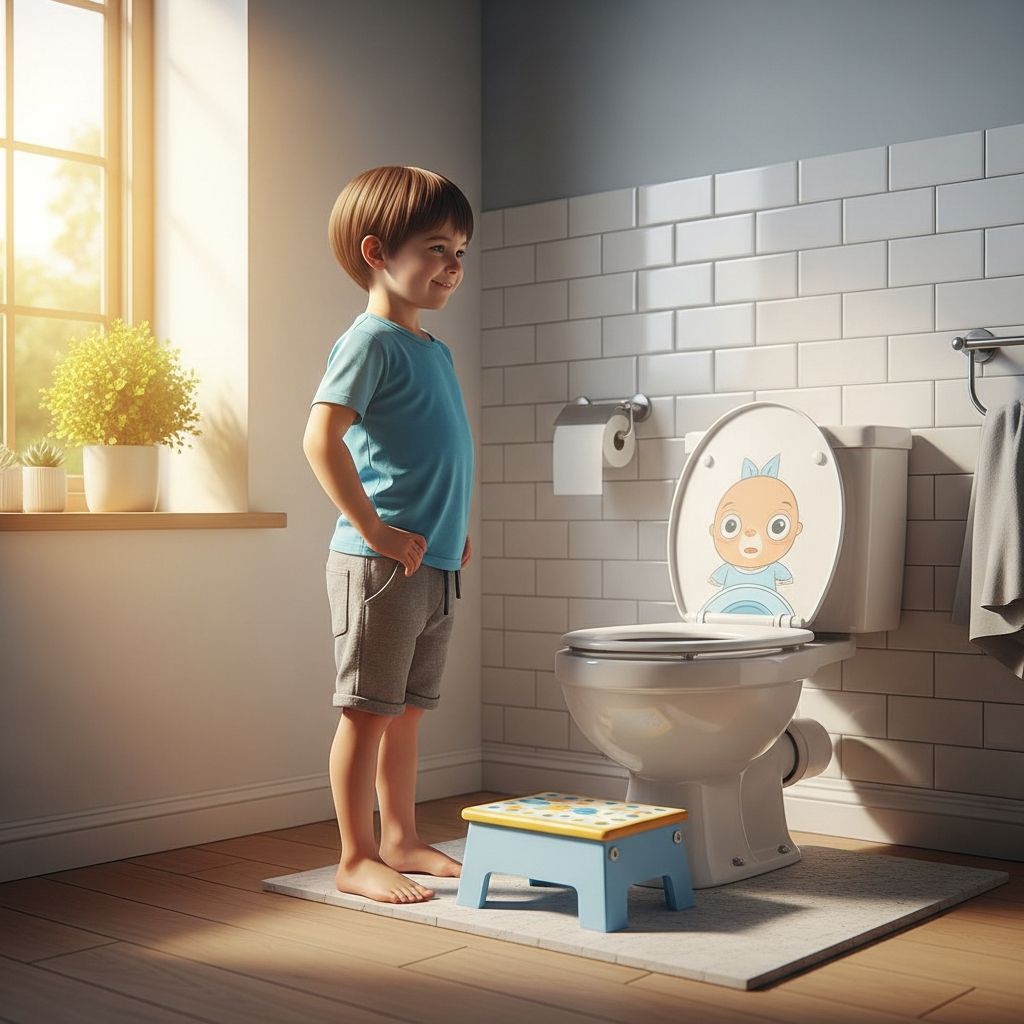
- Use child-sized potties with foot support for stability and control.
Establish a routine: Schedule sits after meals when the gastrocolic reflex prompts bowel movements. Limit sessions to 5 minutes to avoid frustration.
Overcoming Resistance and Refusal to Poop
When toddlers refuse the potty for bowel movements, resistance builds from past pain or fear. Address this gradually.
Begin with clothed ‘practice sits’ for 30 seconds, praising cooperation. Progress to bare-bottomed sessions with distractions like books or songs. Provide companionship to reduce isolation.
- Run sink water or use warm foot baths to stimulate relaxation.
- Employ sticker rewards for sitting, not just success.
- Avoid forcing; this heightens anxiety.
Treating Constipation to Restore Normal Habits
Constipation causes a cycle: Pain leads to withholding, worsening impaction. Increase fiber-rich foods (fruits, veggies, whole grains) and fluids. Pediatricians may recommend stool softeners if needed.
Proper positioning aids expulsion: Knees above hips using a stool. Discourage straining, which risks muscle issues.
Managing Daytime Accidents Effectively
Accidents peak during transitions or play. Monitor patterns: Time of day, activities, fluid intake.
- Use timers for proactive sits every 1-2 hours.
- Keep spares handy without fanfare.
- Clean calmly: ‘Oops, next time in the potty!’ No shaming.
Regression after success often ties to life changes (new sibling, moves). Revert briefly to training pants positively, then rebuild.
Proactive Prevention Strategies
Avoid common pitfalls to minimize setbacks.
- No punishment: Increases holding risk, UTIs.
- Skip splash guards on potties; teach boys seated aiming.
- Avoid bubble baths: Irritate urethra.
- Rule-based prompts: Potty before screens, meals, long sits.
- Make it fun: Toys, songs during sits.
Special Scenarios and When to Seek Help
For daycare or travel, pack extras and communicate routines. If pain persists, soiling exceeds norms, or withholding causes distress, consult a pediatrician to rule out medical issues.
Track intake/output for 1-2 weeks; share with providers.
Frequently Asked Questions
Why does my potty-trained toddler suddenly poop pants?
Regression from stress, distractions, or incomplete bowel readiness is common. Stay positive and reinforce basics.
How long do bowel accidents last?
Most resolve by age 4 with consistent support. Less than 2 monthly episodes signals completion.
Should I punish for soiling?
No. It worsens withholding and delays training.
What if constipation is suspected?
Boost fiber/fluids, ensure proper positioning, and see a doctor for persistent cases.
Can rewards help?
Yes, for sitting/trying, not perfection, to build habits.
Long-Term Success Tips
Consistency across caregivers is vital. Celebrate small wins to boost confidence. Most children master this independently by preschool.
References
- Potty training problems and solutions: An evidence-based guide — Parenting Science. 2023. https://parentingscience.com/potty-training-problems-prevention/
- Uh-oh! My potty-trained child is having accidents — MyCarolinaLife/Tidelands Health. 2023. https://www.mycarolinalife.com/uh-oh-my-potty-trained-child-is-having-accidents/
- Potty training: How to get the job done — Mayo Clinic. 2024-01-15. https://www.mayoclinic.org/healthy-lifestyle/infant-and-toddler-health/in-depth/potty-training/art-20045230
- 6 Things Every Parent Should Know About Toilet Training — Nationwide Children’s Hospital. 2018-03-01. https://www.nationwidechildrens.org/family-resources-education/700childrens/2018/03/6-things-every-parent-should-know-about-toilet-training
- Potty Training Regression — American Academy of Pediatrics (HealthyChildren.org). 2023. https://www.healthychildren.org/English/ages-stages/toddler/toilet-training/Pages/Regression.aspx
- Dos and don’ts for preventing bathroom accidents — M Health Fairview Pediatrics. 2023. https://www.mhealthfairviewpeds.org/blog/Dos-and-donts-for-preventing-bathroom-accidents
- 3 Simple Rules to Stop Toddler Resistance to the Potty — Oh Crap Potty Training. 2023. https://www.ohcrappottytrainingmetoyou.com/post/3-simple-rules-to-stop-toddler-resistance-to-the-potty