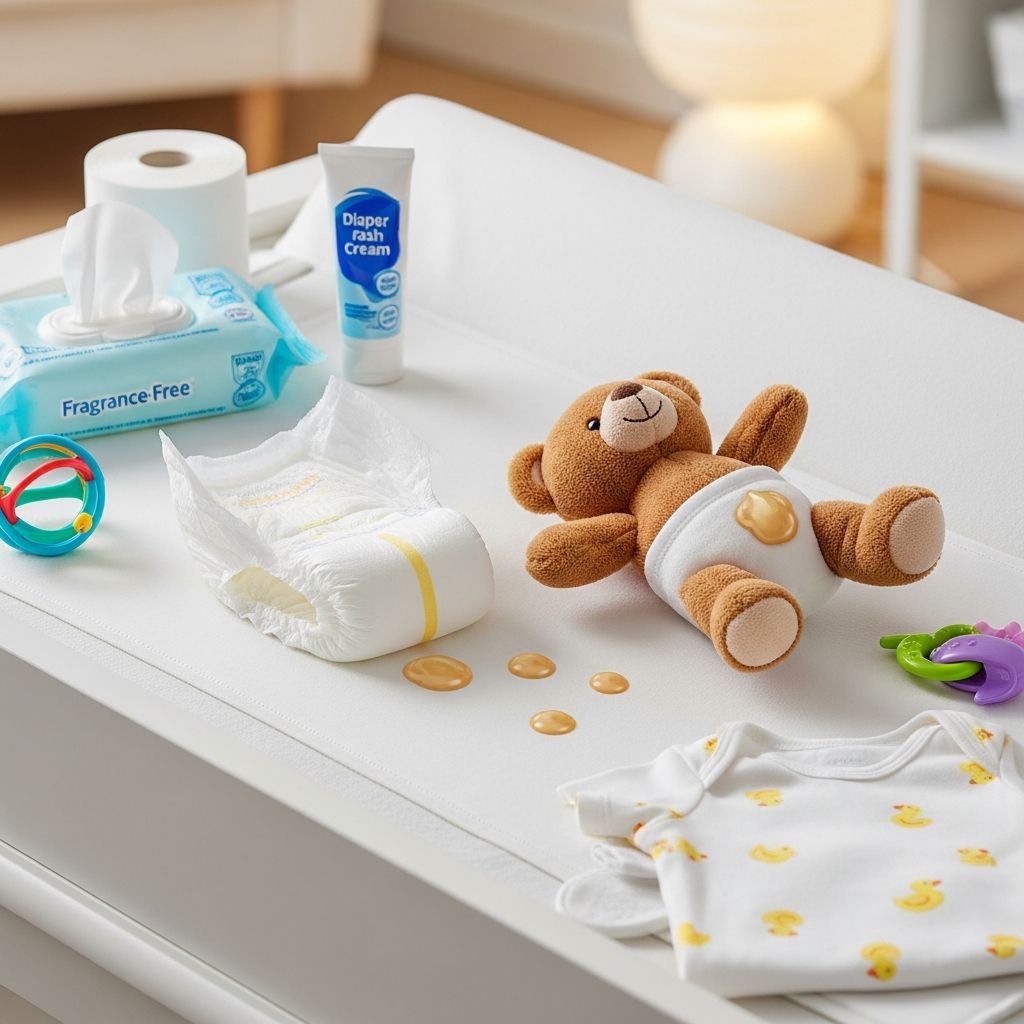
Letting go of nighttime diapers can feel like a big milestone for both children and parents. It signals growing independence, but it also brings questions: Is my child ready, how do we start, and what if the bed keeps getting wet? This guide walks through a calm, step-by-step approach that respects your child’s pace and your need for sleep.
Understanding Nighttime Dryness
Nighttime dryness is less about \”training\” and more about development. While daytime potty skills rely heavily on habits and reminders, staying dry all night depends on bladder capacity, hormone production, and the brain’s ability to wake the body in time. That is why many fully daytime-trained children still need protection at night.
It is helpful to think of nighttime dryness as a long game. Some children stay dry at night soon after daytime training, while others may take months or years. This wide range is normal and does not reflect how hard your child—or you—are trying.
Signs Your Child May Be Ready
Rather than picking an age, look for readiness cues. These signs suggest your child’s body is starting to manage nighttime urine production and bladder control.
- Waking up with a dry or barely damp diaper several mornings a week.
- Staying dry for longer stretches during the day and not urinating in tiny, frequent amounts.
- Showing interest in “big kid” underwear or asking to skip diapers at night.
- Waking at night to tell you they are wet or need to use the bathroom.
If most of these are missing, it is usually kinder to wait a bit longer. Pushing before the body is ready often leads to more accidents, frustration, and exhausted parents.
Daytime Habits That Support Dry Nights
Strong daytime bladder habits lay the groundwork for nighttime success. Even if you are not ready to remove night diapers yet, you can prepare your child’s body now.
- Encourage regular bathroom trips. Aim for bathroom breaks roughly every 2–3 hours while awake, plus before outings and before sleep.
- Offer balanced fluids. Provide plenty of drinks earlier in the day and gradually slow down closer to bedtime, instead of a large drink just before lights out.
- Promote full emptying. Suggest that your child relax on the toilet for a bit instead of rushing off, which helps the bladder empty more completely.
These simple steps help your child’s bladder learn to hold urine for longer stretches, which is essential for staying dry at night.
Preparing Your Home (and Yourself)
A successful transition away from night diapers is as much about setup as it is about your child’s readiness. Good preparation reduces stress when accidents happen—which they will.
- Protect the mattress. Use a waterproof mattress protector and consider an extra absorbent pad on top of the fitted sheet.
- Layer the bed. Some parents place a waterproof pad and second fitted sheet over the first, so in the middle of the night they can pull off the top layer and go back to bed quickly.
- Light the path. Use a nightlight in the bedroom and hallway, or a small plug-in light in the bathroom, so your child can see where to go.
- Keep supplies nearby. Store clean pajamas, extra underwear, and a spare absorbent pad or sheet in the bedroom for quick changes.
Equally important is your mindset. Expect accidents, assume some disrupted nights, and decide ahead of time that you will respond calmly. Children absorb your tone and will feel safer and more confident if you treat mishaps as no big deal.
Choosing When to Ditch Night Diapers
Once you see readiness signs and have your environment prepared, the next step is timing. Consider your child’s schedule, your own stress level, and any major changes happening at home.
| More Ideal Timing | Times to Postpone |
|---|---|
| When your child has had several weeks of reliable daytime potty use. | Right after a new sibling arrives or during major family changes. |
| During a relatively calm period at home with predictable routines. | During travel, holidays, or when sleeping in unfamiliar places. |
| When both caregivers can share nighttime responsibilities if needed. | When you are already very sleep-deprived or under high stress. |
There is no perfect moment, but avoiding high-stress periods gives everyone a better chance to handle wakings and laundry with patience.
How to Make the First Switch
When you are ready to try nights without diapers, be clear and positive. Involve your child in the change so they feel part of the decision instead of feeling something is being done to them.
- Talk about it during the day. Explain that soon they will sleep in underwear at night because their body is growing stronger and holding pee longer.
- Let them choose special underwear. Picking out patterns or characters can make the switch feel like an exciting privilege.
- Start with a simple routine. For example: bathroom, pajamas, teeth, bathroom again, then bed.
- Use encouraging language. Emphasize trying rather than perfection: “Your job is to listen to your body and let us know if you have to go.”
Some families prefer a gradual approach, such as using absorbent training pants that feel more like underwear but still protect the bed. Others skip directly to regular underwear. Choose the option that best balances your child’s temperament and your tolerance for middle-of-the-night linen changes.
Designing a Nighttime Potty Routine
Consistency helps your child’s body and brain recognize bedtime as a cue to empty the bladder fully. A predictable pattern also reduces battles because everyone knows what comes next.
- Last bathroom trip right before lights out. Even if your child says they do not need to go, encourage sitting for a minute to try.
- Optional double voiding. Some children benefit from using the bathroom once at the start of the bedtime routine and again right before sleep.
- Morning bathroom habit. After your child wakes, going straight to the toilet reinforces the connection between waking and emptying the bladder.
If your child falls asleep very quickly, keep the routine short and calm so it does not feel like an endless delay before bed.
What About Limiting Drinks?
Parents often hear that they should cut off all fluids hours before bed. A more balanced approach is usually more comfortable and sustainable for a young child.
- Offer most drinks earlier in the day and early evening.
- Slow down the pace of drinks in the last hour or so before bed, rather than banning them completely.
- Keep water available if your child is genuinely thirsty, especially in hot weather or when sick.
The goal is not to send your child to bed thirsty but to avoid a full bladder from a big drink right before sleep. If your child tends to guzzle at night, gently remind them to sip instead of chug.
Managing Accidents Without Shame
Even the most ready child will have wet nights. Your response in these moments matters more than any specific technique. Children quickly internalize whether accidents are a “big problem” or just part of learning.
- Stay neutral and brief. A simple, calm comment like, “Looks like your bed is wet, let’s get you cleaned up,” keeps the focus on problem-solving instead of blame.
- Involve but do not punish. Depending on age, your child can help bring wet pajamas to the laundry basket or place a fresh pad on the bed. This builds responsibility without turning it into a consequence.
- Avoid bribes or threats. Heavy rewards and punishments around dry nights add pressure and can make children more anxious, which may actually increase accidents.
Think of these nights as practice. Over time, the body and brain learn from repeated experiences of waking up wet or going to the toilet, and patterns usually improve.
When to Pause and Try Again Later
Sometimes the kindest choice is to step back. If most nights are very wet, your child is distressed, or you are overwhelmed by sleep loss, it is perfectly reasonable to return to night diapers or training pants for a while.
- If the diaper or training pant is soaked most mornings after several weeks of trying underwear, consider a break of a month or two.
- If your child is embarrassed or tearful about accidents, reassure them that many kids need extra time and you will try again when their body is more ready.
- Revisit nighttime dryness later when circumstances are calmer and your child shows more readiness signs.
Needing to pause does not mean you did anything wrong. It simply means the timing was not quite right yet.
Supporting Your Child’s Emotions
Bedwetting can affect how children see themselves. Some might shrug it off, while others feel ashamed or afraid that something is wrong with them. Open conversations can protect their self-esteem.
- Normalize the experience by explaining that many children’s bodies take time to stay dry at night.
- Avoid labels like “lazy” or “baby,” even jokingly, and interrupt anyone else who uses them.
- Celebrate effort, not just dry nights—for example, praising them for using the toilet before bed or calling for help in the night.
Keeping the topic low-pressure encourages your child to tell you when they feel wet or need to go, which in turn supports progress.
Special Considerations and When to Seek Advice
A wide range of nighttime wetting is normal in healthy children, especially under age six. However, there are times when checking in with a healthcare professional is wise.
- If your child has never had a stretch of dry nights by school age.
- If wetting starts suddenly after being reliably dry, especially if paired with pain, excessive thirst, or changes in behavior.
- If nighttime wetting is causing intense distress, anxiety, or social withdrawal.
A professional can rule out medical causes, offer reassurance, and discuss options if additional support is needed. This is not about blaming anyone; it is about making sure your child’s body is functioning well.
Sample Nighttime Potty Plan
Every family is different, but a simple plan can make the process feel more manageable. Use this as a starting point and adjust to fit your child and household.
- Early evening: Encourage active play and normal fluid intake.
- One hour before bed: Offer a light snack and small drink if needed.
- Bedtime routine: Use the toilet, brush teeth, read a story, use the toilet again, then lights out.
- Overnight: Respond calmly if your child wakes wet or asking to go. Help them to the bathroom, change clothes and bedding with minimal fuss, and return to bed.
- Morning: Go straight to the toilet after waking, then offer a positive comment about their effort, regardless of whether the bed is dry.
Writing down your plan and sharing it with all caregivers helps keep responses consistent, which is reassuring for your child.
Frequently Asked Questions
Is it my fault if my child still needs night diapers?
No. Nighttime dryness depends largely on biological factors you cannot control, like bladder size and the body’s timing hormones. Your role is to provide opportunities, support, and a calm environment, not to force a schedule your child’s body is not ready for.
Should I wake my child to use the toilet during the night?
Some families choose to carry or gently wake a child for a bathroom visit before the adults go to bed. While this can keep the bed drier, it does not necessarily teach the child to wake independently. If you try this, treat it as a temporary tool, not a permanent requirement, and stop if it greatly disrupts your child’s sleep or yours.
Are absorbent training pants at night a setback?
Not necessarily. For many children, these pants are a bridge between diapers and full underwear. They protect the bed while the child’s body continues to mature. The key is to avoid shaming and to revisit the idea of underwear at night when you see readiness signs.
What if my older child is embarrassed about wetting?
Older children may worry that friends will find out or feel “behind.” Reassure them that many kids share the same challenge and it is not something they chose. Protect their privacy, avoid jokes at their expense, and include them respectfully in problem-solving about bedding, sleepovers, and laundry.
How long should I try before deciding it is not working?
There is no strict timeline, but if most nights are wet after several weeks of consistent routines, it may be time to pause. Returning to night diapers or training pants for a while can be a relief for everyone and gives your child’s body a chance to mature before trying again.
Focusing on Progress, Not Perfection
Letting go of nighttime diapers is a journey made up of many small steps: noticing dry mornings, using the bathroom before bed, waking for help, changing sheets together, and eventually sleeping through the night in dry pajamas. When you view each of these steps as progress, the process feels less like a pass/fail test and more like a natural part of growing up.
Your steady, calm presence—more than any single method—is what helps your child feel safe as they learn this new skill. With patience, preparation, and realistic expectations, most families find their way to dry nights in a time frame that fits their child’s unique pace.