Understanding Why Children Use Profanity
Profanity in children often serves purposes beyond simple misbehavior. Young children frequently use inappropriate language as a form of attention-seeking, emotional expression, or experimentation with words they hear around them. Understanding the underlying motivation behind your child’s language choices is essential before implementing any strategy. Some children may swear because they’re frustrated or angry, while others use profanity to gain your attention or test boundaries. Younger children, particularly those under four years old, typically don’t comprehend the meaning or social implications of swear words—they simply recognize that these words produce strong reactions from adults.
Before responding to your child’s inappropriate language, pause and consider what they might be communicating. Are they expressing anger? Seeking attention? Experimenting with new vocabulary they heard at school? This diagnostic approach helps you select the most effective intervention. Once you identify the trigger, you can address not just the symptom but the underlying need your child is attempting to meet.
The Foundation: Parental Modeling and Language Awareness
The most powerful tool in reducing children’s profanity is not what you say to them, but what you demonstrate through your own language choices. Children are natural observers and imitators, absorbing communication patterns from their primary caregivers. If you want your household to be profanity-free, begin by examining your own speech patterns. This doesn’t mean achieving perfection—it means consciously working toward the standard you want your children to maintain.
If you struggle with swearing, develop a personal plan for alternative expressions. Instead of defaulting to profanity when frustrated, intentionally use phrases like “I’m feeling really frustrated right now” or “This situation is making me angry.” These alternatives accomplish the same emotional release while modeling appropriate emotional expression. Your children observe how you handle stress, disappointment, and anger—these lessons often have greater impact than any rule you might establish.
Additionally, be mindful of the language environment surrounding your child. This includes television programs, movies, video games, and interactions with peers and extended family members. While you cannot control everything your child hears, being aware of exposure sources helps you prepare for conversations and address problematic vocabulary your child may encounter.
Establishing Clear and Consistent Family Standards
Effective management of inappropriate language begins with transparent expectations. All adults in your child’s life—parents, grandparents, teachers, and caregivers—should agree on which words are unacceptable and how they will be addressed. This consistency prevents confusion and reinforces the seriousness of language boundaries.
Family language standards vary significantly across households. Some families permit expressions like “Oh my goodness” while prohibiting stronger language, while others draw different lines. The specific words you choose to restrict matter less than ensuring everyone understands and enforces the same standards. Discuss these expectations during calm moments rather than only when correcting behavior. Consider posting family language guidelines in a visible location as a reminder for all household members.
When establishing rules, include explanations about why certain words are inappropriate. Younger children benefit from simple explanations: “That word is not kind” or “We don’t use that word in our family.” Older children can understand more nuanced reasoning, such as how certain words might hurt others’ feelings or reflect disrespect.
Initial Response: The Power of Planned Ignoring
When your child uses profanity for the first time or occasionally, your initial response significantly influences whether the behavior continues. One of the most effective techniques, particularly for younger children or first offenses, is “planned ignoring.” This approach means consciously refraining from reacting to the profanity. Avoid eye contact, verbal responses, and any form of attention—positive or negative.
This strategy works because many children use profanity precisely to provoke a reaction. If your response is muted, your child learns that profanity doesn’t accomplish the goal of capturing your attention or creating drama. Remain calm and neutral, continuing with your activity as though the word was never spoken. Often, when children realize a behavior no longer generates the desired response, they naturally discontinue it.
However, planned ignoring is most effective with occasional, attention-seeking profanity in younger children. If your child’s swearing is persistent, emotionally driven, or part of a broader pattern, you’ll need to implement additional strategies beyond simple non-response.
Addressing Persistent Profanity: The Calm Conversation Approach
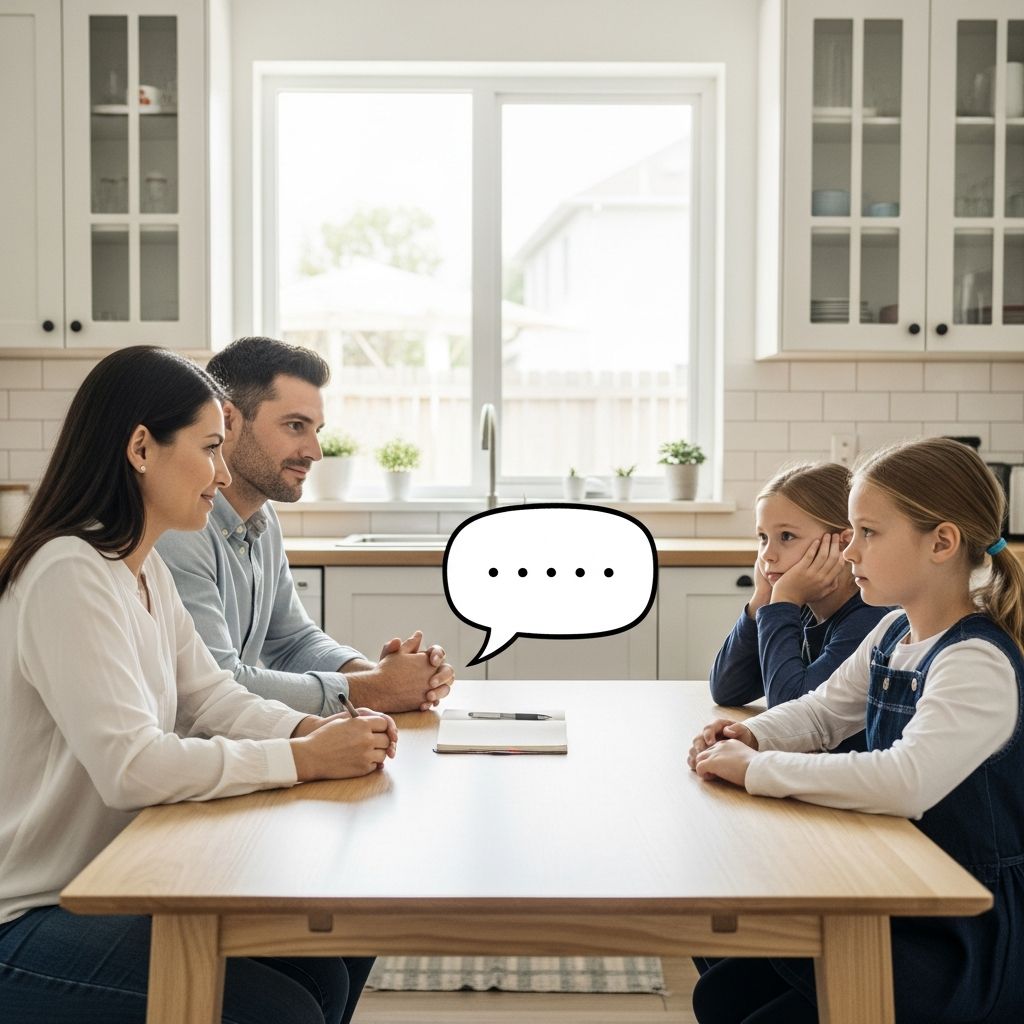
When your child continues swearing despite your initial responses, address the behavior through a dedicated conversation during a calm moment—not immediately after the infraction. This timing allows emotions to settle and makes your child more receptive to your message. Begin by explaining why you’re concerned about the language use, using age-appropriate reasoning.
For younger children, keep explanations brief and concrete: “When you use that word, it makes me sad because it’s disrespectful. In our family, we use kind words.” For older children and teenagers, you can explore more complex reasons: “Those words can hurt people’s feelings, and I want you to be someone who communicates respectfully, even when you’re frustrated.”
During this conversation, clearly state your expectations and outline specific consequences for continued swearing. Consequences should be reasonable, related to the behavior when possible, and consistently enforced. Common consequences include losing screen time, forfeiting a privilege, or additional chores. The key is following through every single time—inconsistent enforcement undermines your entire approach.
Building Emotional Vocabulary as an Alternative Strategy
Children often resort to swearing because they lack adequate language to express strong emotions. When frustration, anger, or disappointment builds, profanity becomes their release valve. By teaching your child to identify and articulate their feelings using appropriate language, you address a root cause of the behavior.
Implement these strategies to develop your child’s emotional vocabulary:
- Use feeling charts and emotion identification tools: Visual aids help children name specific emotions rather than resorting to profanity. Charts that show faces representing different emotions (angry, frustrated, disappointed, anxious) expand their emotional recognition skills.
- Read books about emotions: Stories that address anger management, disappointment, and healthy expression normalize difficult feelings while modeling appropriate responses.
- Practice replacement language: When your child is upset, offer alternative expressions: “Instead of using that word, try saying ‘I’m really frustrated right now’ or ‘I’m upset and I need a break.'”
- Validate emotions while redirecting language: Acknowledge that feeling angry is acceptable; using profanity to express that anger is not. “I understand you’re angry. Let’s find a better way to say that.”
Role-playing and pretend play provide safe spaces for children to practice expressing intense emotions using appropriate language. By rehearsing these conversations in a low-pressure environment, children internalize alternatives they can access during actual moments of frustration.
The Replacement Words Strategy: Making It Fun
An effective and often overlooked approach involves creating a family list of “replacement words”—acceptable alternatives your child can use when tempted to swear. These replacement words or phrases serve the same emotional function (releasing frustration or expressing surprise) without crossing family language boundaries.
Example replacement alternatives include:
- “Oh bananas!” instead of profanity
- “Fudge!” as a euphemistic substitute
- “Oh my goodness gracious!” for stronger expressions
- “Are you serious?” or “No way!” for expressing disbelief
- Physical alternatives like snapping fingers or clapping hands to release frustration
Involve your child in developing this list, making it collaborative and slightly humorous. When children feel invested in the replacement words, they’re more likely to use them. Additionally, the lighter tone reduces the tension surrounding language rules and makes the correction process feel less punitive.
Positive Reinforcement: Rewarding Appropriate Language Choices
While consequences for swearing are important, equally critical is recognizing and rewarding your child’s appropriate language use. Positive reinforcement—praising your child when they handle frustration respectfully—powerfully shapes behavior. Specifically notice and praise moments when your child resists the urge to swear or successfully uses replacement language.
Examples of effective reinforcement include:
- “I noticed you were really frustrated, but you used kind words instead. That shows great self-control.”
- “You remembered to use ‘Oh bananas!’ instead. That was awesome!”
- “I’m proud of how you expressed your anger without swearing.”
Reward systems can further reinforce positive behavior. A marble jar system works well: your child earns a marble each time they handle emotions appropriately or resist swearing, and when the jar fills, the family celebrates with a special outing or activity. Some families prefer star charts, sticker systems, or earning privileges. The specific system matters less than consistency and making it rewarding enough to motivate behavior change.
Creating a United Front: Consistency Across Caregivers
If you have multiple children, consistency in applying language rules matters enormously. Children quickly notice and exploit inconsistency—if one sibling receives a consequence while another avoids it for identical behavior, trust erodes and resentment builds. Applying the same standards fairly to all children reinforces family values and prevents conflict.
Consistency extends beyond your household to other caregivers in your child’s life. Communicate with teachers, coaches, grandparents, and other regular caregivers about your approach to profanity. While you cannot control how others address language in their own spaces, coordinating your response helps reinforce that inappropriate language has consistent consequences across contexts.
When discussing the issue with other caregivers, avoid accusatory language. Instead, frame it as a collaborative effort: “We’re working with our child on language choices. If you notice them swearing, we’d appreciate consistency in how we all address it.” Most caregivers welcome this partnership in supporting children’s development.
Understanding Age-Appropriate Responses
Your approach to profanity should align with your child’s developmental stage. Toddlers and preschoolers under four typically don’t understand swear word meanings. For these young children, a simple statement—”That’s not a nice word” or “We don’t use that word”—combined with planned ignoring usually suffices. Lengthy explanations or punishments often confuse younger children rather than educate them.
Children ages four to eight can process basic explanations about why words are inappropriate and begin understanding consequences. They respond well to visual systems (charts, jar systems) and concrete rewards. During this stage, teaching replacement language and validating emotions becomes increasingly important.
Older children and teenagers understand more complex social dynamics around language. They can comprehend how words affect others, appreciate explanations about respect and social appropriateness, and respond to more sophisticated reward systems. Conversations with older children might explore topics like how certain language excludes people, reflects poorly on the speaker, or violates family values.
Frequently Asked Questions
What should I do if my child swears at me directly?
Direct profanity toward a parent requires a firm but calm response. Calmly explain that disrespectful language toward family members is not acceptable and outline specific consequences. Have a conversation during a calm moment about appropriate ways to express frustration, even toward parents. Consistency in enforcing consequences is especially important in these situations.
How long does it typically take for a child to stop swearing?
Behavior change occurs gradually. Some children respond quickly to consistent strategies (weeks to a few months), while others require longer. Factors include your child’s age, how established the behavior is, and consistency in your approach. Patience and persistence are essential.
Should I punish my child every time they swear?
Not necessarily. Occasional swearing in young children, especially if infrequent or attention-seeking, often responds better to planned ignoring. Persistent swearing warrants established consequences, but balance consequences with positive reinforcement for appropriate language.
What if my child swears at school or with peers?
Communicate with teachers about your home approach so they can provide consistency. Discuss with your child why appropriate language matters in different contexts. Peer pressure and wanting to seem “cool” often drive profanity in school settings, so conversations about making good choices independently are valuable.
How do I handle swearing if I struggle with profanity myself?
Acknowledge the challenge to your child: “I’m working on my language too, and it’s difficult. Let’s help each other.” This models accountability and perseverance. Develop personal strategies for replacement words and stress management. Children respect parents who acknowledge imperfection while genuinely trying to improve.
References
- Swearing – HealthyChildren.org — American Academy of Pediatrics. 2024. https://www.healthychildren.org/English/family-life/family-dynamics/communication-discipline/Pages/Swearing.aspx
- What to Do When Your Child Swears — Nationwide Children’s Hospital. 2021. https://www.nationwidechildrens.org/family-resources-education/700childrens/2021/11/what-to-do-when-your-child-swears
- Swearing: toddlers and preschoolers — Raising Children Network. 2024. https://raisingchildren.net.au/preschoolers/behaviour/common-concerns/swearing-preschoolers