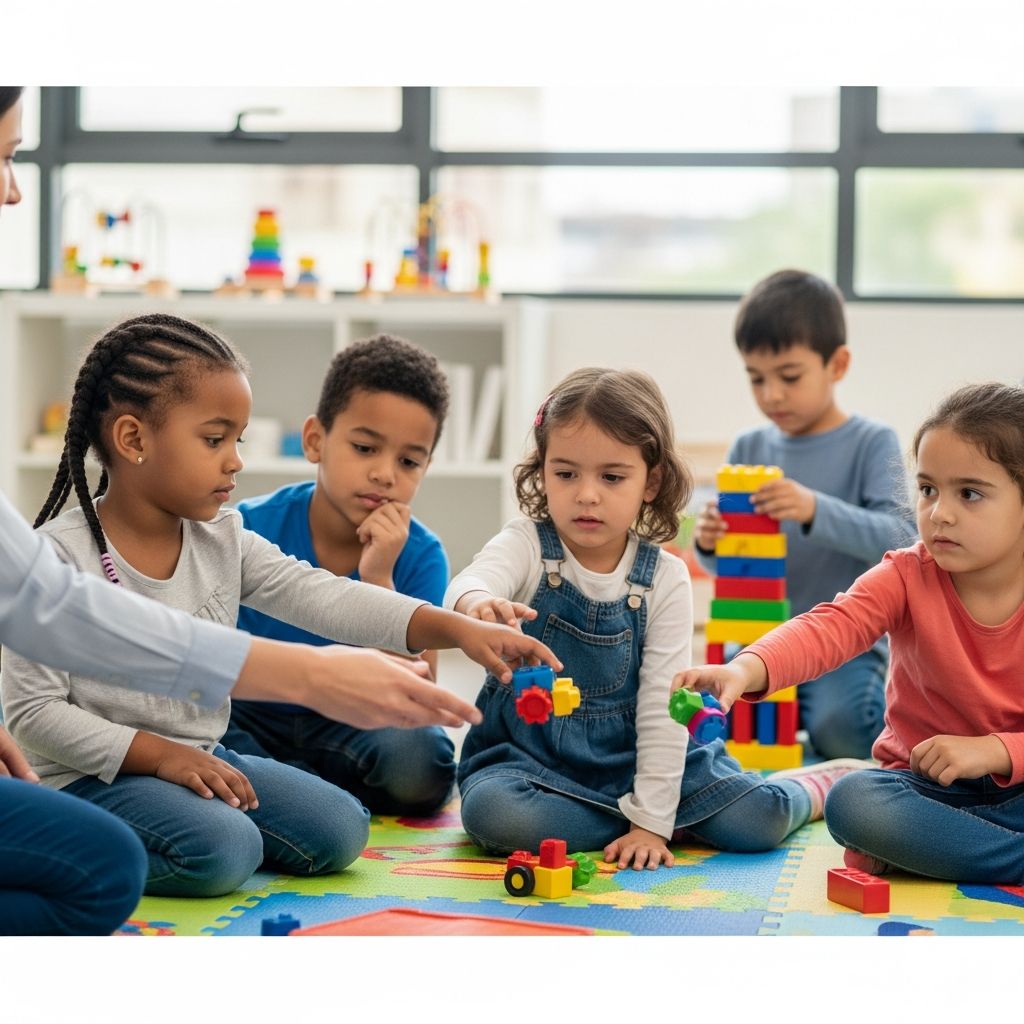
Children naturally imitate those around them, but when they copy undesirable actions like tantrums, rudeness, or aggression from peers, siblings, or screens, it can disrupt family harmony and development. Parents can intervene effectively using structured, evidence-based approaches to redirect these patterns and encourage positive alternatives.
Understanding Why Children Copy Negative Actions
Kids learn through observation, a process rooted in social learning theory where they replicate behaviors that gain attention or rewards. When a child sees a peer throw a toy to escape a task and it works, they may mimic it for the same payoff. This imitation peaks in early childhood as brains develop executive function skills for self-regulation.
Repetitive negative mimicking often stems from seeking sensory input, avoiding demands, or gaining social approval. For instance, hand-flapping or scripting phrases from videos might soothe anxiety but escalate if reinforced unintentionally. Recognizing triggers—such as transitions or unstructured time—helps parents address root causes before patterns solidify.
Building a Foundation with Predictable Routines
Consistency forms the bedrock of behavior change. A predictable daily structure reduces uncertainty, which fuels mimicked outbursts. Visual schedules, showing activities via pictures or icons, clarify expectations and ease shifts between tasks.
- Create a laminated chart with images for morning routine: breakfast, brushing teeth, playtime.
- Point to the current and next activity during transitions, saying, “First snack, then park.”
- Rotate activities to balance high-energy and calm periods, placing challenging ones when kids are alert.
Timers paired with verbal cues amplify this: “Two minutes left for blocks, then storytime.” This prevents power struggles by giving control through countdowns. Research shows such predictability boosts engagement and cuts challenging behaviors by up to 50% in structured settings.
Leveraging Positive Reinforcement Effectively
Rather than punishing bad copies, amplify good choices with immediate, specific praise. Differential reinforcement rewards alternative behaviors incompatible with the negative one. If a child mimics yelling, praise calm requests lavishly.
| Negative Mimicked Behavior | Positive Alternative | Reinforcement Example |
|---|---|---|
| Throwing toys after seeing sibling | Handing toy to parent | “Great job asking nicely—high five!” |
| Repeating rude phrases from TV | Using polite words | “I love how you said ‘please’ just like a big kid! Extra playtime.” |
| Copying aggressive play | Gentle touching/sharing | “Sharing so kindly earns a sticker!” |
Provide varied reinforcers: verbal praise, tokens for prizes, or preferred activities. Randomize to maintain motivation, catching good moments every 15 minutes initially. This shifts focus from negative models to rewarding successes.
Modeling Desired Behaviors Proactively
Children mirror adults most closely, so demonstrate calm, adaptive responses daily. If peers model impatience, narrate your patient alternative: “I’m waiting quietly like this—see how it works?” Pair with role-play using toys to practice scenarios.
- Show excitement through clapping or jumping instead of disruptive flapping.
- During play, expand repetitive toy use: “Let’s make the car go up the ramp now!”
- Involve siblings in modeling to reinforce family standards.
Peer modeling extends this: arrange playdates with children exhibiting strong habits, gradually increasing exposure. Studies confirm modeling reduces stereotypic repetitions by teaching functional alternatives.
Mastering Transitions to Minimize Triggers
Mimicking spikes during changes, like ending screen time. Pre-warn with “first-then” statements: “First cleanup, then outside.” Use songs or rituals—a cleanup chant or line-walking rhyme—to signal shifts playfully.
Visual cues like object schedules (e.g., hold a book before reading) provide tactile reassurance. For multiple steps, list them: 1. Pick up toys, 2. Wash hands, 3. Eat lunch—with checkmarks for completion. Offer choices within limits: “Red cup or blue for juice?” This empowers without chaos.
Environmental Adjustments for Success
Optimize surroundings to prevent negative modeling. Limit exposure to aggressive media; curate play areas with engaging, varied toys to deter repetitive scripts. Arrange spaces for supervision, capping group sizes to foster positive interactions.
Family rules posted visibly—”We use kind words”—serve as prompts. Consistency across caregivers is vital; share plans via group chats. Embed rituals like greeting songs to instill values like respect, naturally curbing mimicked negativity.
Addressing Persistent Patterns
For ingrained habits, layer strategies: interrupt gently (“Hands down, let’s build instead”) then redirect with reinforcement. Track progress in a journal: note triggers, interventions, outcomes to refine approaches.
Seek professional input if behaviors impede daily life, such as in autism contexts where repetitive mimicking signals deeper needs. Behavioral therapies like DRV (differential reinforcement of variability) promote novelty over rigidity.
Frequently Asked Questions
What if my child only mimics bad behavior at daycare?
Discuss with caregivers to align on reinforcement and schedules. Request reports on incidents and reinforce home positives to overshadow daycare models.
How long until I see changes?
Typically 1-4 weeks with consistency; track small wins to stay motivated. Persistence pays off as habits rewire.
Does ignoring work for copied tantrums?
Yes, planned ignoring (extinction) for attention-seeking mimics, but pair with reinforcement for alternatives to avoid escalation.
Can screens cause this mimicking?
Absolutely—curate content, co-view to discuss, and limit to prevent scripting from shows.
What about older kids copying teen siblings?
Increase one-on-one time with positive role models; family meetings set shared expectations.
Implementing these strategies transforms mimicking from challenge to growth opportunity. Parents report calmer homes and confident kids thriving in positive environments.
References
- 3 Ways to Disrupt Repetitive Behaviors — Autism Services of Kansas. 2023. https://www.autismservicesofkansas.com/3-ways-to-disrupt-repetitive-behaviors/
- Behavior Support: Preventative Strategies — Nationwide Children’s Hospital. 2021-10-01. https://www.nationwidechildrens.org/family-resources-education/health-wellness-and-safety-resources/helping-hands/behavior-support-preventative-strategies
- Strategies to Help with Repetitive Behaviors — Positive Reinforcement. 2022. https://www.positivereinforcement.net/strategies-to-help-with-repetitive-behaviors
- Evidence-Based Behavioral Interventions for Repetitive Behaviors in Autism — National Center for Biotechnology Information (PMC). 2013-07-19. https://pmc.ncbi.nlm.nih.gov/articles/PMC3709868/
- Recommended Practices – Preventing Challenging Behavior — Vanderbilt University (via ChallengingBehavior.org). 2008. https://challengingbehavior.org/docs/RecommendedPractices_preventing-challenging-behavior.pdf
- Practical Suggestions for Common Child Behavior Issues — American Academy of Family Physicians (AAFP). 2018-05-15. https://www.aafp.org/pubs/afp/issues/2018/0515/p642.html