Child whining is a universal parenting challenge, often peaking in toddlerhood as children navigate limited language skills and big emotions. This behavior serves as a communication tool, evolved to capture adult attention quickly, and can be addressed through understanding triggers and empathetic responses.
The Developmental Roots of Whining in Children
Whining emerges as children develop speech around 10 months but intensifies during toddler and preschool years when emotional regulation lags behind vocabulary. Young children use this high-pitched vocalization to bridge gaps with caregivers, signaling needs for comfort, food, or attention that they cannot articulate otherwise. Unlike neutral speech or cries, whining’s irritating tone disrupts adult focus, ensuring prompt responses—a trait observed in both human and primate infants.
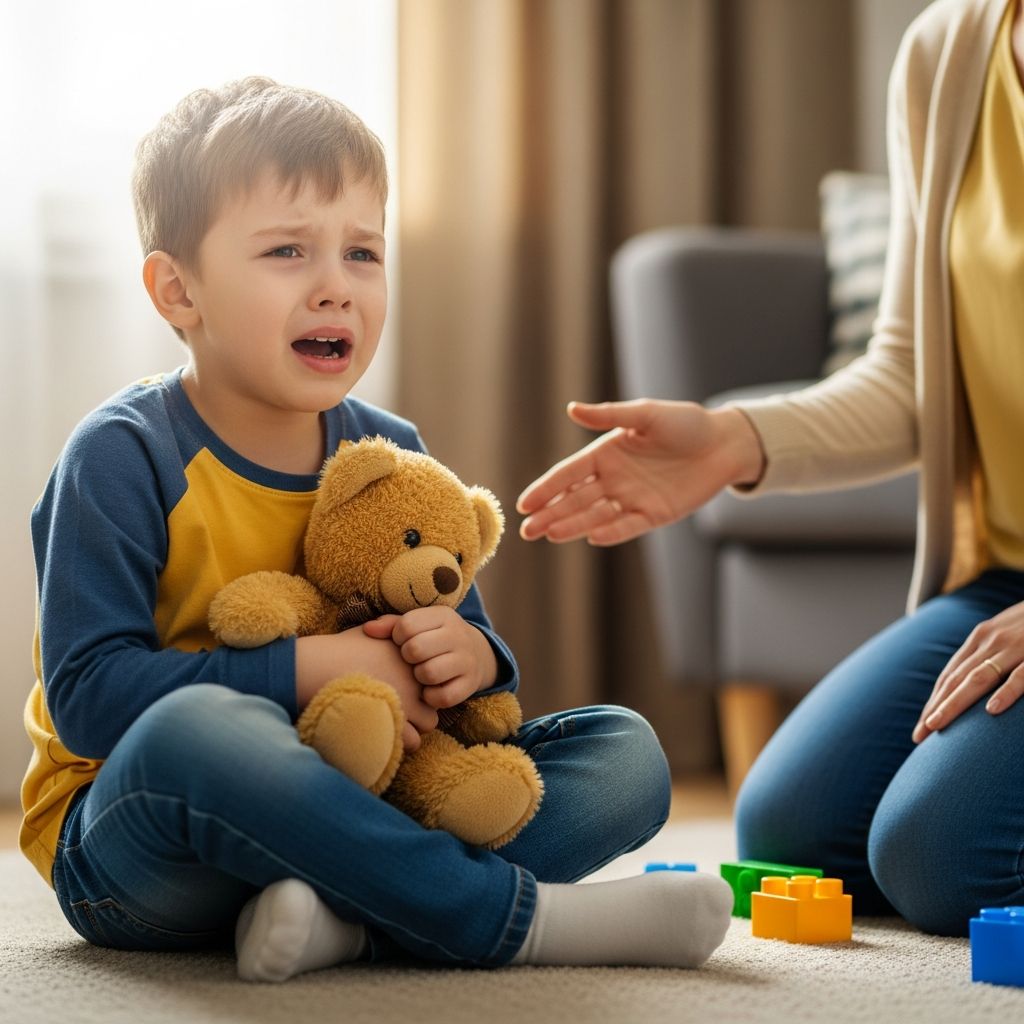
During ages 2 to 4, whining peaks as kids assert independence amid boundaries, expressing frustration, sadness, or demands like playground visits. This phase reflects brain development where the language center deactivates under emotional stress, rendering phrases like “use your words” ineffective since children lack access to them in the moment.
- Hunger or fatigue: Late mornings or post-naps often trigger whining as blood sugar drops or rest needs arise.
- Sensory overload: Confined spaces like car seats overwhelm active toddlers, prompting vocal discomfort.
- Connection seeking: After separations, whining vents missed closeness, not manipulation.
Why Whining Persists and Escalates
Children continue whining because it reliably meets needs—securing snacks, hugs, or problem-solving—reinforcing the habit through success. Without alternative communication modeling, they default to what works. Ignoring it may escalate to screams if unmet, as persistence tests boundaries.
Parental reactions play a key role: scolding or yelling provides negative attention, modeling escalation and perpetuating cycles. Stressful tones anticipate battles, heightening child anxiety and amplifying responses. Whining isn’t defiance but a signal of unmet emotional or physical states, bubbling from accumulated frustrations like developmental leaps or environmental changes.
| Trigger | Child’s Possible Need | Common Parental Response | Potential Outcome |
|---|---|---|---|
| Hunger | Snack or meal | “Stop whining!” | Escalation to tantrum |
| Overstimulation | Quiet break | Ignore | Increased volume |
| Attention | Connection | Yell back | Learned yelling |
| Tiredness | Rest | Distract | Temporary relief, repeat |
Identifying Personal Whining Patterns
Track occurrences by noting time, preceding events, and context to decode signals. Patterns reveal themes: whining before lunch signals hunger; car rides indicate sensory needs. Curiosity shifts perspective from annoyance to support, anticipating issues proactively.
For example, an active child in a car seat may whine from restlessness. Recognizing this allows preemptive stretches or toys. Journaling questions like “What happened just before?” and “How did I respond?” uncovers habits, empowering preventive strategies.
Proven Responses to Curb Whining
Effective strategies focus on validation, modeling, and consistency without reinforcement. Allow emotional release—yelling or crankiness vents stress—staying calm to avoid eggshell-walking. Acknowledge feelings: “Sounds frustrating,” then address needs directly.
- Stay neutral: Ignore the tone, respond to content. “You want juice? Here it is,” delivered flatly, denies whine payoff.
- Validate briefly: Name emotions to build regulation: “You’re mad the toy broke.” This accesses offline brain areas indirectly.
- Model alternatives: Demonstrate calm requests: “I say ‘juice please’ when thirsty.” Repeat consistently.
- Proactive prevention: Schedule snacks, breaks; offer choices to foster independence.
- Set limits empathetically: “No park now, but story time soon.” Enforce without anger.
Avoid discipline pitfalls: punishment reinforces attention-seeking. Positive modeling trumps commands, teaching through example as children mimic observed behaviors.
Building Long-Term Emotional Skills
Beyond stopping whining, nurture regulation via daily routines emphasizing connection. Co-regulate by proximity during vents—hugs without words meet closeness needs. Teach tools like deep breaths through play, not crises.
Independence fosters less whining: offer safe choices (“Apple or banana?”) reducing “I want” battles. Consistent boundaries with empathy build security, decreasing outbursts. Over time, as prefrontal cortex matures, verbal expression replaces whining, though adults retain it in relationships.
Parental self-care sustains resilience: manage stress to avoid anxious tones children mirror. Reflect on personal patterns—exhaustion amplifies grating sounds—prioritizing rest models healthy coping.
Age-Specific Tactics for Different Stages
- Infants (6-12 months): Respond promptly to proto-whines, building trust.
- Toddlers (1-3 years): Short validations + action; prevent with routines.
- Preschoolers (3-5 years): Encourage labeling feelings; use timers for transitions.
- School-age (6+): Discuss triggers post-calm; role-play alternatives.
Frequently Asked Questions (FAQs)
What age do kids whine most?
Whining peaks between 2-4 years as independence clashes with limited expression, declining with language growth.
Is whining a sign of bad parenting?
No, it’s developmental; responsive, consistent strategies address it effectively.
How long until whining stops?
Most outgrow peak by school age with guidance; full cessation varies.
Should I ever give in to whining?
Meet legitimate needs without rewarding tone—respond to content calmly.
Why does ignoring sometimes worsen it?
Unmet needs escalate bids for attention; validate first, then redirect.
Creating a Whine-Free Home Environment
Transform dynamics by blending prevention, response, and teaching. Daily check-ins preempt builds; family meetings discuss feelings. Praise calm requests: “Love how you asked nicely!” reinforces positives. Track progress—fewer episodes signal success.
Challenges persist during leaps or changes, but persistence yields cooperative communicators. Embrace whining as growth signal, responding with patience builds resilient kids.
References
- Understand The “Whining Phase” And What You Can Do About It — Nurtured First. 2023. https://nurturedfirst.com/toddler/understand-whining-phase/
- How Children Evolved To Whine — Parentscan.org. 2019-10-09. https://parentscan.org/news-info/overview.html/article/2019/10/09/how-children-evolved-to-whine
- Exhausted by a Child’s Whining and Crankiness — Janet Lansbury. 2018-08. https://www.janetlansbury.com/2018/08/exhausted-by-a-childs-whining-and-crankiness/
- The Science of Whining — Melinda Wenner Moyer, Substack. 2023. https://melindawmoyer.substack.com/p/the-science-of-whining
- How to Get Your Kids to Stop Whining—Yes, Really — Let Grow. 2023. https://letgrow.org/get-kids-to-stop-whining/