Pregnancy is a major physical and emotional change, and looking after your own health is one of the most important ways to protect your baby. This guide walks you through key steps you can take at home and with your healthcare team to support a safer, more comfortable pregnancy.
Understanding What a Healthy Pregnancy Means
A healthy pregnancy is not about being perfect; it is about making consistent, supportive choices for your body and your baby. It includes regular prenatal care, balanced nutrition, appropriate activity, emotional support, and avoiding substances and habits that can cause harm.
Every pregnancy is unique, so a healthy pregnancy for one person may look different for another. Your medical history, age, lifestyle, and any existing health conditions can change what “healthy” looks like for you, which is why ongoing communication with your healthcare provider is essential.
Building a Strong Partnership with Your Prenatal Care Provider
Your prenatal provider—obstetrician, midwife, or family doctor—plays a central role in monitoring the health of both you and your baby. Regular visits allow your provider to track your baby’s growth, check your blood pressure and weight, and look for early signs of potential problems.
At appointments, you can also ask questions about symptoms, get guidance on medications and supplements, and discuss your emotional wellbeing. Preparing questions in advance helps you use this time more effectively.
What Typically Happens at Prenatal Visits
- Review of your medical history and current symptoms.
- Measurement of blood pressure, weight, and sometimes urine tests.
- Measurement of your abdomen to track the baby’s growth.
- Listening to the baby’s heartbeat after the early weeks.
- Discussion of blood tests, ultrasounds, and screening options.
Questions You May Want to Ask
- Which symptoms are normal, and which should I call about right away?
- Are my current medications and supplements safe during pregnancy?
- What level and type of exercise is right for me?
- How much weight gain is healthy in my situation?
- What childbirth and parenting classes do you recommend?
Nourishing Your Body and Your Baby
Food is one of the main ways you provide your baby with what they need to grow. A balanced pattern of eating can also help you feel more energetic, reduce some pregnancy symptoms, and support healthy weight gain.
Instead of focusing on strict rules, think about pattern and variety: lean proteins, colorful fruits and vegetables, whole grains, and dairy or other calcium-rich foods form the foundation of most healthy pregnancy eating plans.
Core Components of a Pregnancy-Friendly Eating Pattern
- Lean proteins: poultry, fish that are low in mercury, beans, lentils, tofu, and eggs support growth and repair.
- Fruits and vegetables: provide vitamins, minerals, fiber, and antioxidants in each meal and snack.
- Whole grains: oats, brown rice, whole wheat bread, and quinoa help maintain energy and support digestion.
- Calcium sources: milk, yogurt, cheese, fortified plant milks, and leafy greens support bone and tooth development.
- Healthy fats: nuts, seeds, avocado, and certain oils (like olive oil) support your baby’s brain and nervous system.
Helpful Vitamins and Minerals in Pregnancy
| Nutrient | Why It Matters | Common Food Sources |
|---|---|---|
| Folate / folic acid | Supports early brain and spinal cord development and lowers the risk of certain birth defects. | Fortified grains, leafy greens, beans, and prenatal vitamins. |
| Iron | Helps your body make more blood to carry oxygen to you and your baby. | Lean red meat, poultry, fish, beans, lentils, fortified cereals. |
| Calcium | Builds strong bones and teeth for your baby and supports your own bone health. | Dairy foods, fortified plant milks, tofu made with calcium, leafy greens. |
| Vitamin D | Helps your body absorb calcium and supports immune and bone health. | Fortified milk, fatty fish, fortified cereals, supplements if recommended. |
| Omega-3 fats | Support brain and eye development in the baby. | Low-mercury fish (like salmon), walnuts, flaxseeds, some supplements. |
Practical Eating Tips for Everyday Life
- Eat small, frequent meals if large meals increase nausea or heartburn.
- Keep simple, nutrient-dense snacks on hand, such as yogurt, nuts, fruit, or whole grain crackers.
- Limit heavily processed foods that are high in added sugar and salt, which can contribute to low energy and swelling.
- Ask your provider about a prenatal vitamin that fits your needs and how to take it to reduce nausea.
Staying Hydrated and Managing Common Symptoms
During pregnancy your blood volume increases, and your body needs more fluid to keep everything functioning smoothly. Water supports digestion, circulation, temperature control, and amniotic fluid levels.
Many people find that drinking water steadily throughout the day, rather than all at once, helps reduce headaches, constipation, and dizziness. Adding slices of fruit or a splash of juice can make water more appealing if plain water is hard to drink.
Hydration and Everyday Strategies
- Keep a reusable water bottle nearby at home and work.
- Drink a glass of water with each meal and snack.
- Limit sugary drinks and large amounts of caffeine, which can interfere with sleep and may affect hydration.
- Talk to your provider about hydration needs if you are experiencing vomiting, diarrhea, or extreme heat.
Managing Common Pregnancy Discomforts
- Nausea: Eating bland foods, small meals, and keeping some food in your stomach can help. Ask your provider about safe remedies if symptoms are severe.
- Heartburn: Smaller meals, avoiding lying down right after eating, and limiting very spicy or greasy foods often help.
- Constipation: Adequate fluids, fiber from fruits, vegetables, and whole grains, and gentle activity support regular bowel movements.
- Swelling: Resting with your feet elevated, avoiding very tight clothing, and staying active can sometimes reduce swelling.
Moving Safely: Exercise and Activity
For many people, regular moderate exercise is safe and beneficial throughout pregnancy. Activity can improve mood, support healthy weight gain, reduce constipation, and help with sleep.
The right level and type of exercise depend on your previous fitness habits and any health conditions. Always confirm with your provider before starting or changing a workout routine.
Activities Often Encouraged in Uncomplicated Pregnancies
- Brisk walking on stable surfaces.
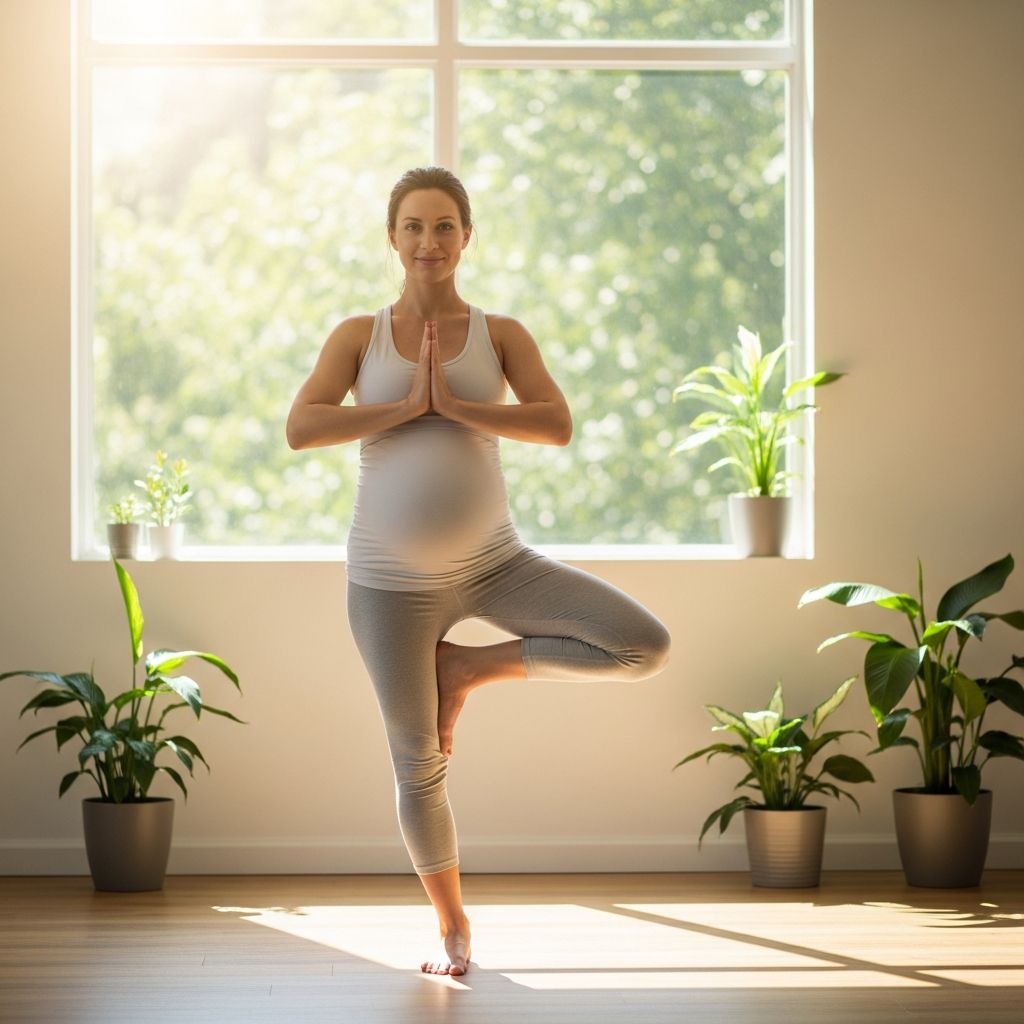
- Prenatal yoga or stretching classes designed for pregnancy.
- Swimming or water aerobics, which are gentle on joints.
- Low-impact aerobics that avoid jumping and sudden direction changes.
- Light strength training with careful attention to posture and breathing.
Activities Often Discouraged or Requiring Extra Caution
- Sports with a high risk of falls or collisions, such as downhill skiing, horseback riding, or contact sports.
- Scuba diving and activities that involve significant pressure changes.
- Hot yoga or exercise in very hot, humid environments that may raise your body temperature too much.
- Heavy lifting or intense workouts that cause pain, dizziness, or shortness of breath you cannot speak through.
Healthy Weight Gain: Focusing on Trends, Not Perfection
Gaining weight is a normal and necessary part of pregnancy, as your baby, placenta, amniotic fluid, and blood volume increase. The amount that is healthy varies depending on your body size and health at the start of pregnancy.
Your provider will track your weight pattern over time rather than focusing solely on single numbers. This pattern can offer clues about how your body and baby are doing and whether changes in nutrition or activity might help.
What Contributes to Pregnancy Weight Gain
- Baby’s growth.
- Placenta and amniotic fluid.
- Increased blood and body fluids.
- Growth of breast and uterine tissue.
- Energy stores your body builds for labor and breastfeeding.
If you are concerned about gaining too little or too much, discuss it openly with your provider. Together, you can adjust meal patterns, activity level, or screen for medical conditions that might be affecting your weight.
Substances and Exposures to Avoid
Certain substances and environmental exposures can increase risks to you and your developing baby. Some of these risks are well-known, like smoking and alcohol, while others may be more specific to your job or home environment.
If you are unsure whether something you work with or use at home is safe, ask your healthcare provider or a specialist who can evaluate the specific product or exposure.
Common Substances to Avoid or Discuss with Your Provider
- Tobacco and vaping products: These increase the risk of pregnancy complications and can affect your baby’s growth and lung development.
- Alcohol: There is no known safe amount of alcohol during pregnancy, and it can affect your baby’s development.
- Illegal drugs and non-prescribed substances: These may cause serious complications and withdrawal symptoms in the newborn.
- Certain medications and herbal supplements: Always review over-the-counter medicines and supplements with your provider.
- High-mercury fish and unsafe foods: Some large fish and undercooked animal products may carry higher risks.
Food Safety Basics During Pregnancy
- Cook meats, poultry, and eggs thoroughly.
- Wash fruits and vegetables under running water before eating.
- Avoid unpasteurized dairy products and juices.
- Keep raw and cooked foods separate to reduce cross-contamination.
- Store leftovers promptly in the refrigerator and follow safe storage times.
Sleep, Rest, and Listening to Your Body
Growing a baby is hard work, even when you are sitting still. Many people feel more tired than unusual, especially during the first and third trimesters, and rest is a key part of staying healthy.
Good sleep habits can be challenging when you are dealing with nausea, frequent bathroom trips, or discomfort from a growing belly. Adjusting your sleep environment and routines often helps.
Practical Sleep Tips for Pregnancy
- Go to bed and wake up at consistent times when possible.
- Use pillows behind your back and between your knees to support comfortable positions, often on your side.
- Limit large meals and caffeine close to bedtime.
- Create a calming wind-down routine, such as gentle stretching, reading, or deep breathing.
- Talk to your provider if insomnia, snoring, or breathing pauses at night are ongoing issues.
Emotional Health and Stress Management
Emotional wellbeing is just as important as physical health during pregnancy. Hormone shifts, life changes, and worries about the baby can all affect mood and stress levels.
Feeling a mix of excitement, fear, joy, and uncertainty is common. What matters is whether stress or low mood is making it hard for you to function, enjoy daily activities, or care for yourself.
Ways to Support Your Emotional Wellbeing
- Talk openly with trusted friends, family members, or a partner about your feelings.
- Consider joining a pregnancy support group, either locally or online.
- Use relaxation techniques such as deep breathing, gentle stretching, or mindfulness exercises.
- Ask your healthcare provider for a referral to a counselor, therapist, or perinatal mental health specialist if mood changes are intense or long-lasting.
Signs You Should Reach Out for Help Quickly
- Persistent sadness, hopelessness, or frequent crying.
- Loss of interest in activities you usually enjoy.
- Severe anxiety or constant worry that you cannot control.
- Thoughts of harming yourself or feeling that your family is better off without you.
Daily Safety Habits for Expectant Parents
Everyday choices such as how you travel, move, and manage your environment can make a meaningful difference in your safety during pregnancy. Many adjustments are small but add up over time.
Some safety steps help you avoid injuries, while others can reduce exposure to germs and environmental hazards. Building these habits early makes them easier to maintain as pregnancy progresses.
Practical Everyday Safety Tips
- Wear your seatbelt with the lap belt placed under your belly and across your hips, and the shoulder belt between your breasts and to the side of your belly.
- Use non-slip rugs or mats in bathrooms and other potentially slippery areas.
- Ask for help with heavy lifting at work or home.
- Use good posture when sitting and standing to reduce back strain.
- Follow workplace safety rules, especially if you handle chemicals, stand for long periods, or lift regularly.
Preparing for Birth and Life After Delivery
Thinking ahead to labor, delivery, and the early weeks at home can make the transition smoother and less stressful. Education, planning, and support all help you feel more prepared.
Birth and postpartum experiences are highly individual, and plans may need to change for medical or personal reasons. Flexibility, informed decision-making, and a strong support network are key.
Steps You Can Take Before Baby Arrives
- Discuss your preferences for labor and pain management with your provider.
- Tour your chosen birth location if possible, or review virtual resources.
- Arrange practical help at home for meals, chores, and childcare for older children.
- Learn about newborn care, safe sleep practices, and feeding options.
- Identify people you can call if you experience mood changes or feel overwhelmed after delivery.
Frequently Asked Questions About Staying Healthy During Pregnancy
1. When should I schedule my first prenatal visit?
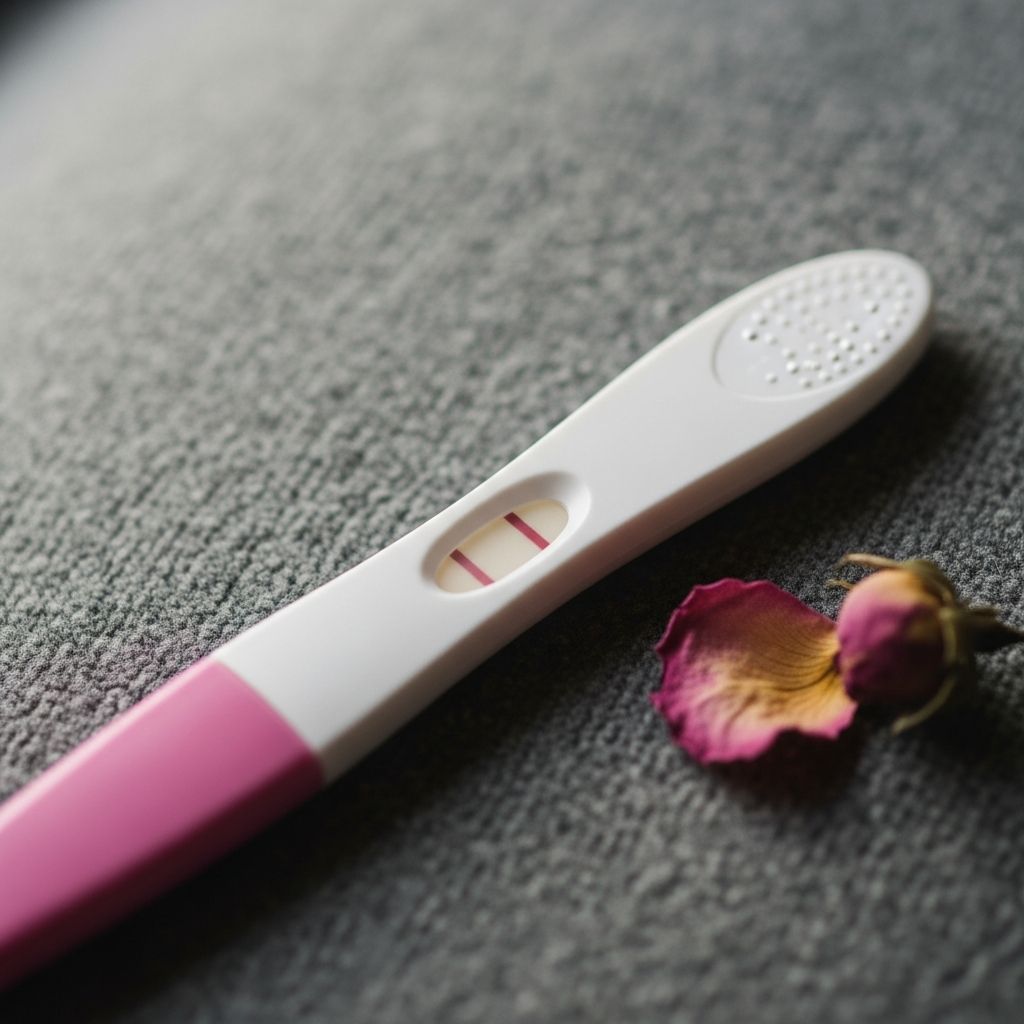
If you think you are pregnant, it is wise to contact a healthcare provider promptly to schedule a first visit, often in the first trimester. Early care helps confirm the pregnancy, estimate your due date, and address any health issues that may need attention.
2. Do I need to eat for two?
You do not need to double your food intake. Most people need only a modest increase in calories, especially later in pregnancy, with a strong focus on nutrient-rich foods instead of simply eating more.
3. Can I continue my regular exercise routine?
Many people can keep exercising during pregnancy, especially if they were active before, but some may need to modify intensity or type of activity. Always ask your provider for guidance based on your health history and any pregnancy complications.
4. Are all herbal teas and supplements safe during pregnancy?
Not all herbs and supplements have been well studied in pregnancy, and some may carry risks. It is best to review any herbal tea or supplement with your provider before using it regularly.
5. How can I tell if a symptom is an emergency?
Your provider can give you specific instructions, but signs such as heavy bleeding, severe abdominal pain, chest pain, trouble breathing, sudden swelling, or a severe headache usually warrant an urgent call. When in doubt, contact your provider or emergency services rather than waiting to see if symptoms improve.
6. What if my pregnancy does not feel like the happy experience I expected?
It is common to have mixed or unexpectedly negative feelings during pregnancy, and this does not make you a bad parent. Reaching out to trusted people and qualified professionals can help you get support, reduce isolation, and improve your emotional health.
Putting It All Together
Healthy pregnancy habits are built from many small, repeated choices, not a single big decision. By staying engaged with prenatal care, nourishing your body, staying active when appropriate, protecting your emotional wellbeing, and building safety and support into your daily life, you give both yourself and your baby a stronger start.
Staying flexible, asking questions, and seeking help when you need it can make this journey more manageable and empowering. Your health matters now and in the years you will spend caring for your growing child.