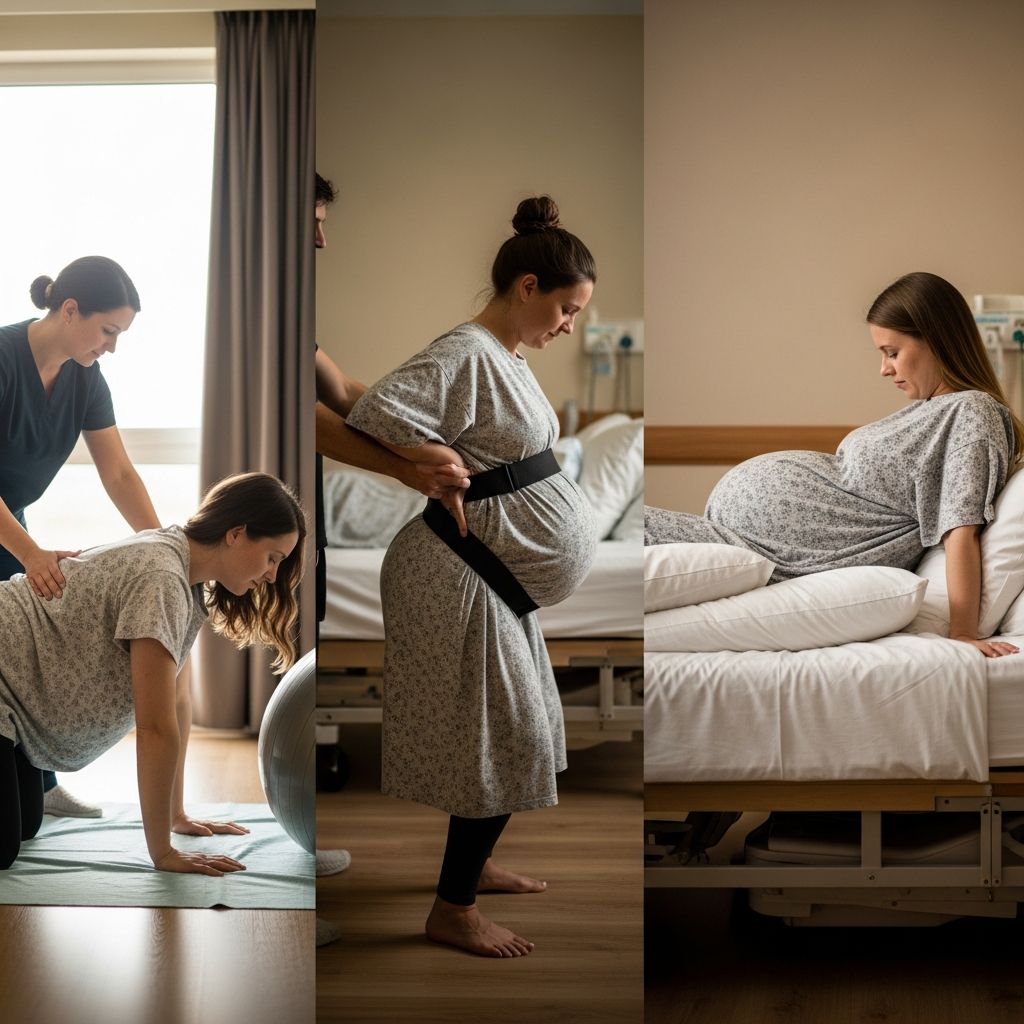
Labor positions play a crucial role in managing discomfort, facilitating baby descent, and shortening delivery time. Upright postures and mobility often outperform supine positions by leveraging gravity and optimizing pelvic alignment.
Why Movement Matters in Labor
During labor, freedom to move allows the body to respond naturally to contractions. Upright positions enhance uterine efficiency, widen the pelvic outlet, and position the baby optimally for birth. Research shows these approaches reduce pain perception and epidural needs while increasing satisfaction.
Gravity assists in first-stage labor by encouraging cervical dilation and fetal descent. MRI studies confirm squatting or kneeling expands the pelvis by up to 30%, easing passage. Professional bodies like ACOG endorse position freedom, noting supine postures risk maternal hypotension and fetal heart rate issues.
Upright Strategies for Early Labor
In the initial phase, staying vertical promotes progress. Key options include:
- Walking: Steady steps stimulate contractions, relieve back pressure, and boost endorphins. Short laps around the room maintain momentum without exhaustion.
- Standing and Swaying: Hands on a partner or bed, gentle hip rocks align the baby and counter tailbone strain.
- Squatting Lightly: Partial squats with support widen the inlet, aiding dilation while building strength.
These methods shorten first-stage labor significantly, per Cochrane analysis of trials involving thousands.
Seated and Supported Positions
When rest is needed, seated variants offer relief:
- Birth Ball Sitting: Perched on a large exercise ball, circular pelvic tilts (rocking) drop pain scores notably. Studies show alternating with warm water amplifies benefits.
- Chair or Toilet Perch: Forward lean relaxes the perineum, mimicking squatting to prevent tears.
- Semi-Reclined: Back-supported on an incline eases fatigue later in labor.
A Swedish trial highlighted birth seats boost confidence and power feelings, even post-epidural.
Forward-Leaning and Kneeling Techniques
Back labor responds well to forward tilts:
- Leaning Over: Drape over bed, ball, or partner; this rotates posterior babies and soothes lumbar ache.
- Kneeling Forward: Pillows or ball under chest opens the pelvis, reduces perineal pressure.
These mimic yoga’s cat-cow, enhancing mobility and spinal relief.
Hands-and-Knees for Optimal Alignment
This versatile pose excels for back pain:
Position forearms and knees on a mat or bed, arching or rounding the back with breaths. It offloads the spine, improves oxygenation, and encourages rotation. Rest shoulders down for arm breaks. Evidence links it to fewer interventions.
Second-Stage Pushing Positions
As pushing begins, choices impact duration and tears:
| Position | Benefits | Best For |
|---|---|---|
| Upright Squat | Shortens stage by ~34 min, less pain | No epidural, strong pushers |
| Birth Seat | Higher satisfaction, intact perineum | Epidural users |
| Side-Lying | Restful, reduces tearing | Exhausted moms |
| Hands-Knees | Fetal positioning, back relief | Posterior baby |
Upright pushing without anesthesia halves pain reports in trials. ACOG advises against flat-back pushing.
Adapting for Epidural Use
Epidurals limit mobility, yet positions matter. Side-lying or peanut ball between knees maintains alignment. Upright seats or kneeling variants, with help, preserve progress. Pain relief persists via subtle shifts.
Incorporating Tools and Partner Support
Enhance positions with:
- Peanut Ball: Hourglass-shaped for leg support in bed.
- Shower/Water: Standing sway under warm streams relaxes muscles.
- Partner Counterpressure: Firm rubs during leans amplify relief.
Breathwork—deep inhales, slow exhales—pairs with all for tension release.
Evidence Overview: What Studies Show
Cochrane’s 2017 meta-analysis (32 RCTs, 9,000+ participants) confirms upright second-stage cuts duration, pain, boosts joy. First-stage mobility links to 1-hour shorter labors, fewer epidurals. Mayo Clinic advocates variety for control.
Practical Tips for Implementation
- Discuss with provider early; some monitor restrictions apply.
- Practice prenatally: ball rocks, squats build familiarity.
- Switch every 20-30 min to avoid fatigue.
- Hydrate, empty bladder for comfort.
- Trust instincts—best position feels intuitive.
Frequently Asked Questions
Can I use these positions with monitoring?
Yes, many facilities allow wireless telemetry for upright mobility.
Do upright positions always shorten labor?
For low-risk, unmedicated labors, yes; evidence shows consistent reductions.
What if back labor persists?
Prioritize hands-knees or lunges; combine with heat/counterpressure.
Are birth balls safe?
Absolutely, with supervision; they lower pain reliably.
How to transition to pushing?
Follow urges; upright often emerges naturally for efficiency.
Empowering Your Birth Experience
Position freedom transforms labor from endurance to active participation. Evidence empowers informed choices, yielding positive outcomes. Consult your team to tailor these to your needs.
References
- Positions during Labor and their Effects on Pain Relief — Evidence Based Birth. 2017. https://evidencebasedbirth.com/positions-during-labor-and-their-effects-on-pain-relief/
- Labor positions – Mayo Clinic — Mayo Clinic. Accessed 2026. https://www.mayoclinic.org/healthy-lifestyle/labor-and-delivery/in-depth/labor/art-20546804
- A Midwife’s Guide to Labor Positions and Support Tools — Tallahassee Memorial HealthCare. Accessed 2026. https://www.tmh.org/blogs/a-midwifes-guide-to-labor-positions-and-support-tools
- Top Positions To Make Labor More Comfortable — Axia Women’s Health. Accessed 2026. https://axiawh.com/resources/top-positions-to-make-labor-more-comfortable/
- Nonpharmacologic Pain Management During Labor — Northern Westchester Hospital. Accessed 2026. https://www.nwh.org/patient-guides-and-forms/maternity-guide/maternity-chapter-3/comfort-measures-during-labor-and-delivery-non-pharmacological-methods