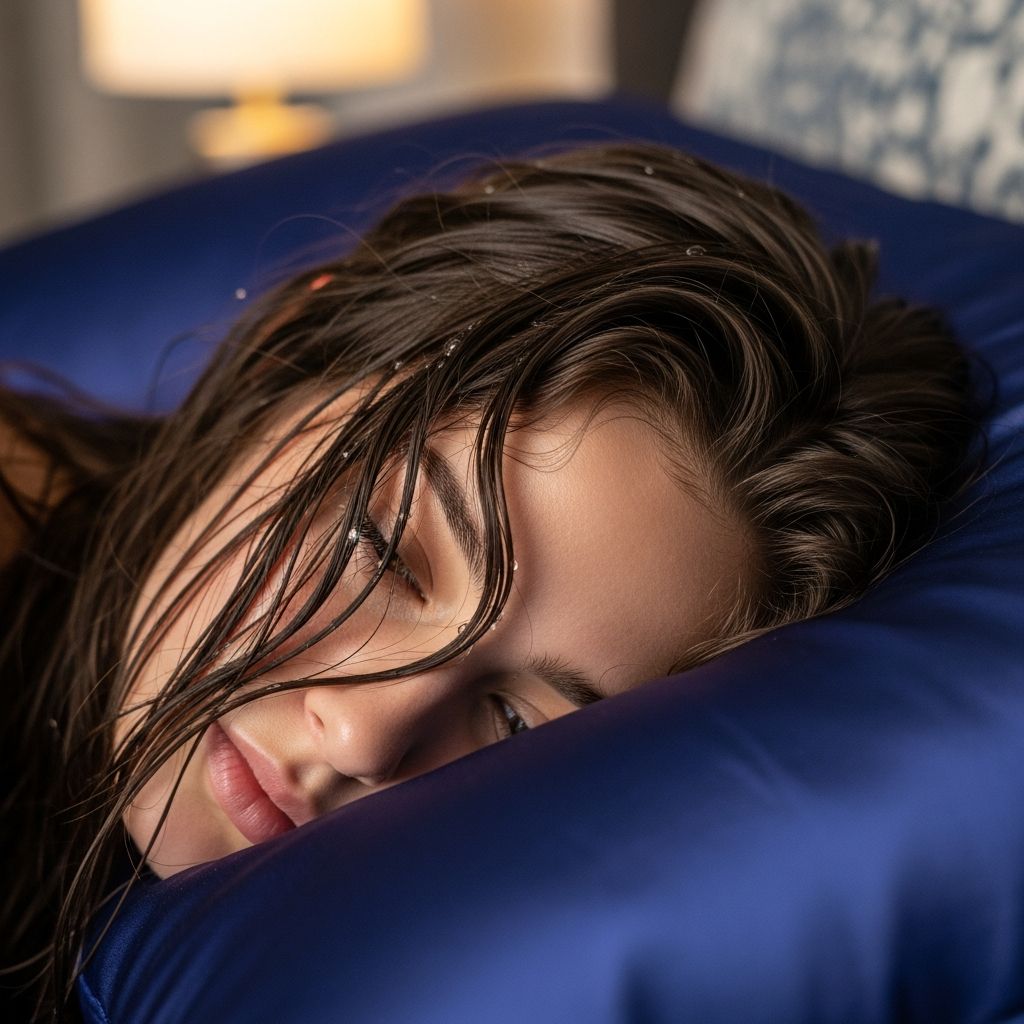
Showering at night can feel luxurious: you wash off the day, slip into fresh sheets, and fall asleep feeling calm and clean. The only catch? Morning bedhead that seems to defy every brush, product, and ponytail holder in your bathroom.
This guide shows you how to enjoy evening showers without sacrificing a polished look the next day. Instead of choosing between cleanliness and convenience, you can design a routine that gives you both.
Why So Many People Prefer Night Showers
Evening showers are not just about personal preference; they often fit better with real life. Busy workdays, commutes, parenting, or late workouts can all make a slow, unhurried night shower more realistic than a rushed morning scrub.
- Time to unwind: Night showers create a physical and mental break between your day and your sleep.
- Cleaner sheets: Washing off sweat, pollution, and product build-up before bed helps keep your bedding fresher longer.
- Less morning stress: One fewer task to squeeze into an already crowded morning routine.
The problem usually appears when your hair is still damp as you climb into bed. That is when creases, cowlicks, and flattened sections become next-day frustrations.
Understanding Bedhead: What Actually Happens Overnight
Bedhead is less about how you dried your hair and more about what happens while you sleep. Friction from the pillow, the weight of your head, and natural movement all reshape your hair cuticle during the night.
When your hair is wet or even slightly damp, it is more flexible and more vulnerable. That flexibility is great when you are styling on purpose, but it also means your hair can accidentally “set” into strange bends and kinks while you sleep.
- Damp hair = moldable hair: Whatever position your strands dry in tends to stay.
- Friction + pressure: Rubbing against a pillow plus the weight of your head compresses and tangles strands.
- Texture and length: Fine, straight hair often shows creases; thick or curly hair may puff up or knot.
Night Showers vs. Morning Showers
Choosing when to shower affects more than just your hair. It influences how rested you feel, how your skin behaves, and how much pressure you put on your morning schedule.
| Factor | Evening Shower | Morning Shower |
|---|---|---|
| Time pressure | More relaxed; easier to take your time. | Often rushed; can be skipped when you oversleep. |
| Sleep quality | Warm water and a calm routine may support better sleep for many people. | Refreshing and energizing but does not help you fall asleep. |
| Hair styling | Risk of bedhead if hair is left damp or unprotected. | Fresh styling time but requires extra minutes in the morning. |
| Skin and cleanliness | Removes sweat, pollution, and sunscreen before bed. | Good for washing off night sweats or morning workouts. |
| Flexibility | Pairs well with evening workouts or late shifts. | Pairs well with early workouts or very oily scalps. |
You do not need to commit to one schedule forever. Many people shower at night on some days and in the morning on others, depending on work, exercise, or social plans.
Key Factors that Affect Morning Bedhead
The same nighttime shower routine can give completely different results from one person to another. That is because bedhead depends on a few personal variables that are worth understanding.
- Hair type: Straight, fine hair tends to show every dent; wavy and curly hair can frizz or expand.
- Length: Short hair pops up more visibly, while long hair can tangle or flatten at the roots.
- Hair health: Damaged or dry hair snags on pillowcases more easily, encouraging knots.
- Natural oil levels: Oily scalps might look stringy by morning; very dry hair may look dull and fluffy.
- Sleep position: Stomach and side sleepers usually experience more friction than back sleepers.
Once you identify which of these applies to you, it becomes easier to construct a night routine that protects your specific hair rather than fighting it every morning.
A Night Shower Routine That Won’t Wreck Your Hair
A few adjustments to your evening routine can transform unpredictable morning hair into something manageable, or even intentionally styled. The goal is to control how your hair dries and what it rubs against.
Step-By-Step Evening Hair Routine
- Rinse wisely: Use lukewarm water instead of very hot water to help reduce dryness and frizz.
- Condition with intention: Apply conditioner mainly from mid-lengths to ends, not directly on the scalp, to avoid flat roots.
- Detangle gently: While the conditioner is in, use wide fingers or a wide-tooth comb to detangle.
- Blot, do not rub: Press hair with a soft towel or cotton T-shirt; rubbing creates instant frizz and breakage.
- Apply leave-in care: Use a lightweight leave-in conditioner, serum, or curl cream, depending on your texture.
- Pre-style for sleep: Choose a sleep-friendly style (like loose braids or a soft bun) that works with your natural texture.
Smart Ways to Sleep on Damp Hair
Going to bed with soaking-wet hair is rarely a good idea. If you cannot fully air-dry or blow-dry before sleep, there are still ways to reduce chaos by morning.
- Partially dry first: Use a blow-dryer on a low-heat, low-speed setting for a few minutes so the hair is only slightly damp.
- Use the right pillowcase: Smooth fabrics such as satin or silk reduce friction and help limit frizz and knots.
- Loosely secure your hair: Try a soft scrunchie, spiral tie, or clipping hair on top of your head in a loose “pineapple.”
- Braid for intentional waves: One or two loose braids can turn potential bedhead into soft, beachy waves in the morning.
- Avoid tight styles: Tight elastics, buns, or braids can cause breakage and scalp tension over time.
Texture-Specific Night Strategies
Because every hair type behaves differently, techniques that work for straight hair might be frustrating for curls, and vice versa. Matching your approach to your texture will save time and effort.
For Straight or Slightly Wavy Hair
- Stop washing a bit earlier so you have more drying time before sleep.
- Flip your part before bed so you wake with a bit of volume instead of a flat crown.
- Try one or two large, loose braids if you like waves, or a very low, loose ponytail if you prefer it straighter.
For Wavy and Curly Hair
- Apply a curl cream or gel while your hair is still damp to help define your natural pattern.
- Use the “pineapple” method: gather hair at the very top of your head with a soft scrunchie.
- Consider a satin bonnet or scarf to preserve definition and prevent frizz.
For Coily, Kinky, or Very Textured Hair
- Rely on protective styles such as twists, braids, or Bantu knots overnight.
- Layer moisture: leave-in conditioner followed by a sealing oil or cream, focusing on ends.
- Always sleep on a satin or silk surface, whether it is a bonnet, scarf, or pillowcase.
Quick Morning Rescue Plan for Bedhead
Even with the best intentions, some mornings your hair will not cooperate. Instead of reaching immediately for a full wash, keep a simple rescue routine ready.
- Assess before panicking: Identify if the real problem is flat roots, frizz, or one stubborn section.
- Add a little moisture: Use a light mist of water, a spray leave-in, or a hydrating mist to re-shape stubborn areas.
- Revive volume: Apply dry shampoo at the roots, massaging lightly with fingertips to lift flattened sections.
- Re-style strategically: Touch up a few face-framing pieces with a blow-dryer or heat tool rather than redoing your entire head.
- Have a backup style: Low buns, half-up knots, braids, or sleek ponytails can turn chaos into a deliberate look in minutes.
Keeping these steps in mind reduces the temptation to rewash every time your hair misbehaves, which can actually protect your hair health over the long term.
Choosing Products That Support Night Showers
The right products can make your evening routine both simpler and more effective. Focus on formulas that enhance your natural texture rather than fight it, and that do not leave heavy residue on your pillow.
- Gentle shampoos: Look for cleansers that remove buildup without stripping your scalp and ends.
- Targeted conditioners: If your roots get oily, keep conditioner on the mid-lengths and ends only.
- Leave-in sprays: Lightweight, spray-on products are less likely to weigh hair down overnight.
- Serums and oils: A few drops on the ends can control frizz; too much can cause greasy morning roots.
- Dry shampoo: Even if you shower at night, a little at the crown the next day can reset limp areas.
Sample Weekly Rhythm: Mixing Night and Morning Showers
You do not have to be a “night shower person” or a “morning shower person” forever. A flexible approach lets you adapt to busy days, workouts, and social events without constantly fighting your hair.
| Day | Shower Time | Hair Plan |
|---|---|---|
| Monday | Night | Wash and condition; sleep with loose braids for soft waves. |
| Tuesday | Quick morning rinse (body only) | Refresh hair with mist and dry shampoo at roots. |
| Wednesday | Night after workout | Co-wash or gentle cleanse; protective style for sleep. |
| Thursday | Night | No full wash; spot-clean scalp if needed, smooth ends with serum. |
| Friday | Morning | Full wash and style for weekend events. |
Consider this chart a starting point, not a strict schedule. Adjust frequency and timing based on how quickly your scalp becomes oily, how much you sweat, and how your hair responds to different routines.
Frequently Asked Questions About Night Showers and Bedhead
Is it bad to sleep with wet hair?
Sleeping with completely wet hair is not ideal. Hair is more fragile when saturated, so the combination of moisture and friction can lead to breakage, tangles, and more dramatic bedhead. If possible, let your hair air-dry until it is only slightly damp or use a dryer on low heat before going to sleep.
Can I avoid washing my hair in the morning entirely?
Many people successfully wash their hair only at night and rely on quick refresh methods the next day. Using dry shampoo, water mists, and strategic styling can make night-washed hair look intentional and polished without a second full wash.
How often should I wash my hair if I shower at night?
There is no universal schedule. Some people with fine or very oily hair prefer washing every day or every other day, while others with thick or textured hair are comfortable with one or two washes per week. Focus on how your scalp feels rather than copying someone else’s timing.
Do I need special pillowcases for better morning hair?
While you do not need them, smoother fabrics such as satin or silk can noticeably reduce friction, tangles, and frizz for many hair types. If your hair easily knots or frizzes, swapping your pillowcase is a small change that can bring noticeable improvement.
What if I work out in the evening and sweat a lot?
If you exercise at night, a shower afterward is often non-negotiable. When daily shampooing feels too harsh, you can alternate between full washes and gentler options like rinsing the scalp, co-washing, or using water and a small amount of lightweight conditioner.
Is using heat at night better than letting hair air-dry?
Moderate heat used carefully is often less damaging than sleeping with sopping-wet hair. Using a dryer on low heat, keeping the tool moving, and stopping when the hair is mostly dry can strike a good balance between convenience and hair health.
Designing a Night Routine That Works for You
The best routine is one you will follow consistently. If a long, complex ritual feels unrealistic, start with one or two simple changes such as switching to a smoother pillowcase and loosely braiding your hair before sleep.
- Decide which days absolutely demand a picture-perfect hairstyle and plan washes accordingly.
- Keep a few reliable backup styles ready for mornings when your hair refuses to cooperate.
- Notice patterns: if a certain braid or product delivers great hair the next morning, repeat it.
With a little experimentation, night showers can go from a source of morning frustration to the foundation of a calmer, more manageable routine that supports both your sleep and your style.