Parents quickly discover an uncomfortable truth: toys seem immortal. The dolls, plastic figures, and blinking gadgets that delighted kids for a season can linger in closets and landfills for decades. This guide explains how to handle L.O.L. Surprise dolls and other toys responsibly, using recycling programs, reuse strategies, and smarter buying habits to shrink your family’s plastic footprint.
Why Plastic Toys Are So Hard to Recycle
Many families assume old toys can go in the curbside recycling bin, but in most communities that is not the case. Municipal recycling systems are built to handle a small set of predictable materials such as aluminum cans, glass bottles, and specific plastic containers, typically bottles and jugs made from PET (#1) or HDPE (#2). These items are relatively simple, made from one main material that can be shredded and melted into new products.
Toys, by contrast, are often a complex mix of:
- Hard plastics of several different resin types
- Metal screws and springs
- Electronic components, lights, and wiring
- Paints, coatings, and adhesives
- Fabric, hair, or rubbery add-ons
Separating these pieces at a normal recycling facility would require extra labor, specialized equipment, and careful handling of small parts that can jam machines. As a result, most local recycling programs exclude toys entirely and ask residents to keep them out of household recycling carts.
Environmental Impact of Toy Waste
Plastic toys do not break down quickly. Conventional plastics can persist in landfills or the environment for hundreds of years, slowly fragmenting into microplastics that spread through soil and waterways. While precise global figures on toy waste are hard to track, toy industry analyses repeatedly highlight that toys are a substantial source of household plastic consumption, particularly in high-income countries.
Beyond landfill space, toy waste matters because:
- Resource use: Virgin plastic production consumes fossil fuels and energy, generating greenhouse gas emissions.
- Chemical exposure: Some legacy toys contain outdated materials or additives that would no longer meet current safety standards.
- Short lifespans: Trend-driven toys are often used intensely for a short period, then abandoned, magnifying their environmental footprint per hour of play.
For parents staring at a bucket of tiny L.O.L. dolls and accessories, the goal is not perfection but better-than-trash outcomes: reuse first, then specialized recycling when available.
What Makes L.O.L. Dolls and Similar Toys Tricky
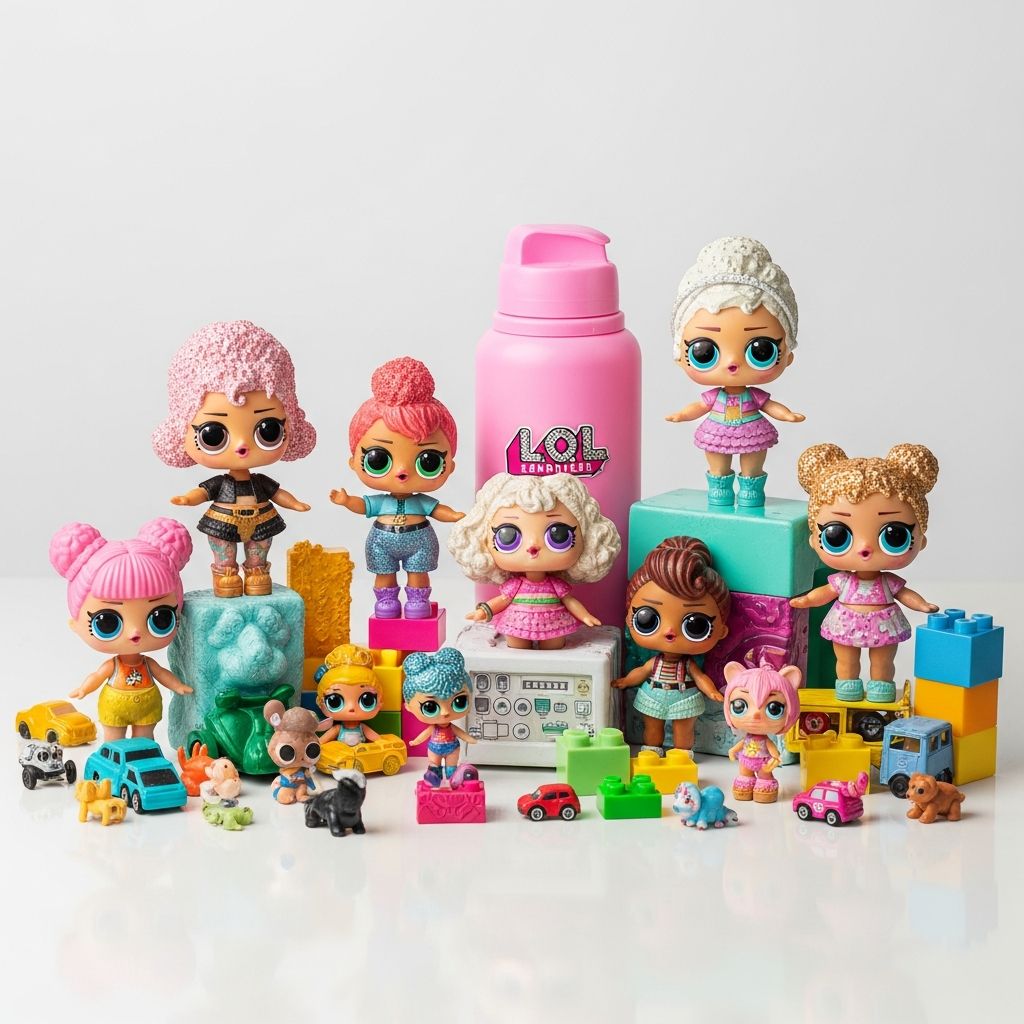
L.O.L. Surprise dolls are a perfect example of why traditional recycling systems struggle. A single doll may combine:
- A rigid plastic body and head (often different plastic types)
- Painted details, glitter, or decals
- Removable clothing and accessories
- Plastic balls or capsules, sometimes with foil or labels
Even if some of these pieces are technically recyclable as plastics, they rarely match the clean, single-material shapes that local recycling programs are designed around. Many programs only accept containers, not irregular toy parts, because automated sorting equipment recognizes objects by size and shape.
This is where brand-led and third-party take-back programs come in: they are specifically built to break down mixed, difficult-to-recycle items that your city recycling center cannot handle.
Overview of Toy Take-Back and Mail-Back Programs
Over the last several years, major toy manufacturers and recycling companies have launched programs that let families mail old toys for specialized processing. These programs typically:
- Provide a free shipping label or code
- Accept toys from specific brands or categories
- Ship toys to a central facility where they are sorted by material, shredded, and transformed into raw materials for new products
Because they operate separately from municipal systems, these programs can handle complicated mixtures of plastics and small parts. Two of the most widely discussed options are TerraCycle partnerships and manufacturer-run programs like Mattel PlayBack.
| Program | Who Runs It | Brands Accepted (Examples) | Cost To Families |
|---|---|---|---|
| Hasbro Toy Recycling | Hasbro + TerraCycle | Hasbro toys and games | Free shipping label or QR code |
| L.O.L. Surprise Recycling | MGA Entertainment + TerraCycle | L.O.L. Surprise toys and packaging | Typically free through branded programs |
| Mattel PlayBack | Mattel | Barbie, Matchbox, MEGA (with expansion planned) | Free prepaid shipping label |
Step-by-Step: Using Brand and TerraCycle Toy Programs
Details vary by company and country, but most toy take-back programs follow a similar pattern.
1. Check Eligibility
- Identify the brand of your toys (e.g., Hasbro, Mattel, MGA’s L.O.L. Surprise).
- Visit the manufacturer’s sustainability or recycling page, or search for the toy name plus “recycling program” to see if there is an active partnership.
- Read the list of accepted items carefully; many programs exclude batteries, ride-on toys, or very large baby equipment.
2. Remove Batteries and Hazardous Parts
- Take out any batteries from electronic toys and recycle them through a local battery collection program or electronics store drop-off.
- Set aside any sharp, broken, or soiled parts that may be rejected and dispose of them following local guidelines.
3. Pack the Toys
- Gather toys from the eligible list only in one box.
- Use old cardboard boxes and newspaper or scrap paper for padding rather than buying new packaging.
- Cleaning toys is rarely required, but knock off loose dirt or food residue.
4. Get Your Label or Code
- Fill out the short online form to generate a prepaid shipping label or QR code.
- Print the label and tape it on securely, or follow the carrier instructions for QR-based drop-off.
5. Drop Off and Track
- Bring the package to the specified shipping partner (for example, FedEx, UPS, or the post office).
- Save any tracking details so you know when the box has arrived.
6. What Happens Next
Once toys reach the recycling facility, workers and machines:
- Sort them by material type (different plastics, metals, fabrics).
- Clean away dust and residues.
- Shred the materials into smaller pieces.
- Process those pieces into pellets or other raw forms that can be used to make things like outdoor furniture, shipping pallets, or new plastic components.
These programs are an example of “downcycling”—toys usually are not reborn as toys, but as other durable goods.
Other Ways to Keep Toys Out of Landfills
Mail-back recycling is helpful but not the only answer. Environmental experts consistently emphasize the waste hierarchy: reduce, reuse, then recycle as a last resort. For toys, that translates into several practical strategies.
1. Extend Each Toy’s Life Through Repair
Many toys are discarded because a small part breaks or an electronic feature fails. Before tossing:
- Replace batteries and check battery contacts for corrosion.
- Use non-toxic glue to reattach accessories, wheels, or limbs, following safety guidelines for children’s items.
- Search for basic repair tutorials from reputable child-safety conscious sources.
Every extra year of use reduces the average environmental burden per hour of play, because the initial manufacturing impact is spread over more time.
2. Donate or Share Still-Playable Toys
If toys are intact and safe, donation beats recycling. Many charities, childcare centers, libraries, and community groups gladly accept gently used toys, though policies vary. Some organizations paused or tightened donation rules during the COVID-19 pandemic, so always check current guidance.
Good candidates for donation include:
- Complete sets with all key pieces
- Non-electronic toys that are easy to clean
- Books, puzzles, blocks, and pretend-play items in good condition
3. Host Toy Swaps With Other Families
Informal exchanges help toys circulate through a wider group of children before retirement:
- Invite friends or neighbors to bring clean, safe toys their children have outgrown.
- Establish simple rules: no broken items, no recalled products, and age-appropriate labeling.
- Let kids pick “new-to-them” items while sending old favorites on to new homes.
4. Reuse Parts for Crafts and STEM Play
Even when a toy is no longer desirable in its original form, parts of it may spark creativity:
- Wheels, axles, and gears can be used in DIY vehicles or basic engineering projects.
- Mini-figures and doll accessories can become props in homemade board games.
- Non-sharp plastic shapes can be used in art projects, collages, or sorting games.
When doing this, ensure any small parts are kept away from children under three or anyone prone to mouthing objects, following choking hazard guidance from pediatric safety agencies.
Buying Toys With the End in Mind
The easiest toys to recycle are the ones designed with simpler materials and clear recovery pathways. Some manufacturers are beginning to redesign both toys and packaging to be more sustainable, for example by using bio-based plastics or fully recyclable paper packaging, and by publishing goals to use only recycled, recyclable, or bio-based plastics in their products.
When shopping, consider:
- Material transparency: Does the packaging clearly list materials and recyclability?
- Durability: Will the toy realistically last through multiple children?
- Modularity: Are parts replaceable, or is the toy useless if one piece breaks?
- Packaging: Is there unnecessary plastic film or glitter that will go straight to the trash?
- Brand programs: Does the manufacturer offer a take-back or recycling program?
Parents do not need to overhaul their entire toy collection at once, but building these questions into new purchases can gradually shift the household in a lower-waste direction.
Special Considerations for Electronic and Battery-Powered Toys
Electronic toys often contain circuit boards, LED lights, speakers, and sometimes rechargeable batteries. These components can introduce metals and other substances that require special handling. Public health agencies and environmental regulators typically advise against throwing batteries and electronic waste in household trash because of potential impacts on soil and water.
Better options include:
- Dropping off devices and loose batteries at community e-waste events or permanent electronics recycling centers.
- Bringing smaller items to retail take-back programs at electronics or hardware stores that accept used batteries.
- Checking whether brand-specific recycling programs for electronic learning toys (for example, some VTech and LeapFrog lines) exist through partnerships with specialized recyclers.
FAQ: Toy Recycling and L.O.L. Dolls
Q: Can I put L.O.L. dolls and their capsules into my curbside recycling bin?
In most areas, no. Municipal recycling programs typically do not accept toys of any kind because they are small, made from mixed plastics, and hard to sort. Check your local recycling rules, but in general these items should go through specialized programs, not the household recycling cart.
Q: Are TerraCycle and brand take-back programs really recycling, or just another form of trash disposal?
Reputable toy take-back programs sort, clean, and mechanically process toys into new raw materials that are used to make other plastic products such as outdoor furniture, construction materials, or industrial components. While this is often downcycling rather than a closed loop back into toys, it still diverts materials from landfill and reduces the demand for new virgin plastic.
Q: What should I do with broken toys that cannot be repaired or donated?
If the brand offers a mail-back program, send them there; if not, and no other recycling option exists, disposal in household trash may be the only safe route. Before that, remove and recycle any batteries through a battery collection program, and consider salvaging non-hazardous parts for crafts or learning activities.
Q: Is it better to buy fewer toys or focus on toys made from “green” materials?
Both approaches help. Environmental research generally finds that reducing overall material consumption has the greatest impact, while choosing durable, repairable, or better-designed items further lowers the footprint of what you do buy. For families, that can mean borrowing or sharing toys, prioritizing open-ended playthings that last, and then seeking out brands with clear sustainability commitments.
Q: How can I talk to my kids about recycling their favorite dolls and figures?
Frame the process as part of the toy’s “life story”: the toy was loved, then passed on to become part of something new, like a park bench or playground feature. Involving kids in sorting, donating, and packing boxes for recycling can make them feel proud rather than deprived and helps them learn lifelong habits of care for their belongings and the environment.
References
- Advancing Sustainable Materials Management: Facts and Figures Report — United States Environmental Protection Agency (EPA). 2023-11-01. https://www.epa.gov/facts-and-figures-about-materials-waste-and-recycling
- Plastic Toy Recycling: Mattel Launches New Program — Earth911. 2021-06-25. https://earth911.com/business-policy/plastic-toy-recycling-mattel-launches-new-program/
- Hasbro Toy Free Recycling Program — TerraCycle. 2024-01-10. https://www.terracycle.com/en-US/brigades/hasbro
- New L.O.L. Surprise! Earth Love with Eco-Friendly Packaging Demonstrates a Big Step Toward MGA Entertainment’s Commitment to Sustainability — MGA Entertainment. 2020-04-21. https://www.mgae.com/all-new-l-o-l-surprise-earth-love-with-eco-friendly-packaging-demonstrates-a-big-step-toward-mga-entertainments-commitment-to-sustainability/
- Goodbye Plastic? MGA Entertainment Boosts Sustainability Efforts with L.O.L. Surprise! — Consumer Goods Technology. 2021-05-27. https://consumergoods.com/goodbye-plastic-mga-entertainment-boosts-sustainability-efforts-lol-toys