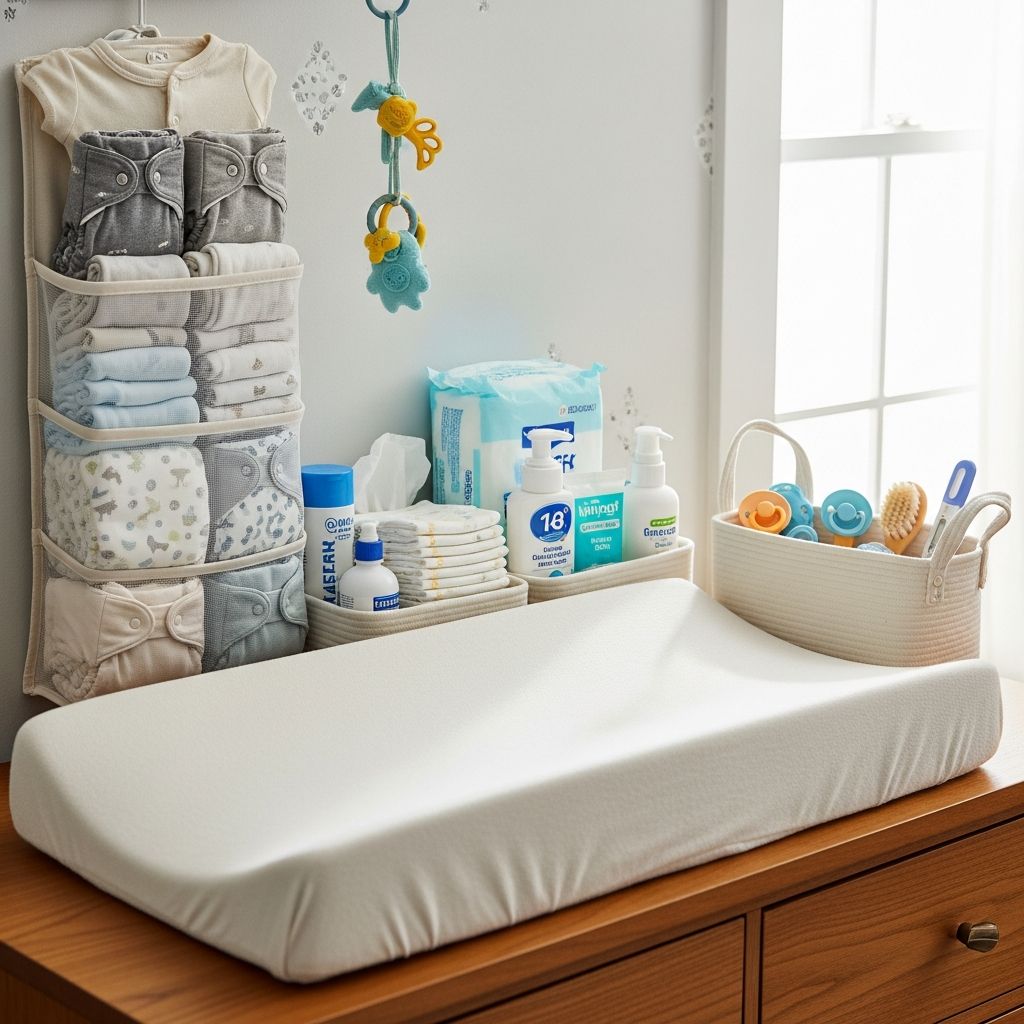
Setting up an effective baby changing station is a game-changer for parents navigating the whirlwind of newborn care. This dedicated space not only streamlines diaper changes but also promotes safety and reduces daily stress. By thoughtfully arranging essentials within arm’s reach, you create a functional hub that supports smooth routines amid sleep-deprived days.
Why an Organized Changing Station Matters
A well-organized changing station minimizes fumbling during those urgent midnight changes, ensuring you have wipes, diapers, and creams instantly accessible. It also fosters a hygienic environment, crucial for preventing infections in delicate infant skin. According to the American Academy of Pediatrics, maintaining a clean and clutter-free changing area is key to safe diapering practices, reducing risks like falls or exposure to harmful bacteria. Beyond practicality, it instills calm in the nursery, helping parents focus on bonding rather than chaos.
Parents often overlook how poor organization leads to wasted time and frustration. Imagine reaching for a diaper only to knock over a stack of lotions—avoidable with smart planning. This guide draws from proven parental experiences and expert advice to help you build a setup that evolves with your baby’s needs.
Selecting the Perfect Changing Station Foundation
Choose a sturdy changing table or dresser top at a comfortable waist height—typically 30-36 inches—to avoid back strain during frequent use. Opt for models with contoured mats featuring raised sides for safety; these prevent roll-offs, a common accident noted in pediatric safety reports. Portable mats on existing furniture work well for space-conscious homes, but ensure the surface can support 30+ pounds plus gear.
Material matters: Waterproof, easy-clean surfaces like PVC or vinyl resist stains from inevitable messes. Avoid fabric covers that require excessive laundering; instead, use disposable liners for quick hygiene. Wall-mounted units save floor space in small nurseries, while multi-tiered dressers offer built-in storage drawers for clothes and supplies.
Essential Items Every Changing Station Needs
Stock your station with must-haves to handle 8-12 daily changes:
- Diapers: Keep 20-30 in rotation, size-appropriate for your baby’s weight.
- Wet Wipes: Refillable dispensers hold bulk packs to cut costs and waste.
- Diaper Cream: Zinc oxide-based for rash prevention; include an applicator for hygiene.
- Cleansers: Unscented baby wash and cotton balls for gentle cleaning.
- Clothing: 2-3 onesies, socks, and outfits in nearby baskets.
- Extras: Pacifiers, burp cloths, nail clippers (stored safely), and a waste bin.
Prioritize unscented, hypoallergenic products to protect sensitive skin, as recommended by dermatological guidelines.
Smart Storage Solutions for Maximum Efficiency
Transform clutter into order with these versatile organizers:
Baskets and Bins
Fabric or plastic baskets categorize items: one for hygiene products (lotions, sanitizers), another for diapers and wipes. Label them for quick grabs—’Diapers,’ ‘Creams,’ ‘Clothes.’ IKEA-style sets fit shelves perfectly, holding essentials without overwhelming the surface.
Hanging and Side Organizers
Over-the-edge caddies hook securely, housing diapers upright and wipes on top. Fabric hanging pockets on the side store smalls like saline drops or bulb syringes, keeping the top clear for the changing mat.
Drawer Dividers
In dresser-style stations, acrylic inserts upright-fold clothes, maximizing space. Top drawers for daily needs; lower for spares like blankets.
| Storage Type | Best For | Pros | Cons |
|---|---|---|---|
| Baskets | Categorized essentials | Affordable, flexible | May tip if overloaded |
| Hanging Caddies | Small items, wipes | Space-saving | Less stable on narrow edges |
| Drawer Organizers | Clothes, bulk supplies | Hidden, neat | Requires drawer space |
| Wall Rails | Bins, towels | Vertical use | Installation needed |
Safety First: Protecting Your Little One
Never leave baby unattended on the station—falls cause thousands of ER visits yearly, per CDC data. Secure heavy items to walls with anchors; use cordless mobiles or fixed shelves above. Keep sharp objects like scissors in locked drawers. Position away from cords or heaters. Wipe surfaces with baby-safe disinfectants after each use to curb germs.
For multi-child homes, childproof with latches. Soft lighting prevents glare; a nightlight aids dim changes without waking baby fully.
Customizing for Your Nursery Space
Small Rooms: Wall-mounted shelves and slim caddies. Use door-hanging organizers.
Large Nurseries: Rolling carts for mobility between rooms.
Budget Setup: Dresser top with dollar-store bins.
Evolve the station: Newborn phase needs rash creams; older babies require toys for distraction. Rotate seasonally.
Daily Maintenance Routines
Spend 5 minutes nightly restocking and wiping down. Bulk-buy supplies monthly to avoid shortages. Wash baskets weekly. This habit keeps efficiency high amid growing chaos.
Creative Touches for a Joyful Station
Add a soft mobile with black-and-white patterns for stimulation. Personalize bins with vinyl labels or fabric covers. Scent-free essential oil diffusers create calm (diluted safely). A small mirror entertains fussy babies.
Frequently Asked Questions (FAQs)
What height should a changing station be?
Around waist level (30-36 inches) for adult comfort and safety.
Do I need disposable covers?
Not essential; spray-and-wipe mats suffice, reducing laundry.
How many diapers to stock?
20-30 for quick access; restock from bulk storage weekly.
Best storage for wipes?
Dispensers or caddy tops for one-handed pulls.
Is a changing table worth it?
Yes for dedicated space; dresser tops work if padded securely.
Advanced Organization Hacks
Implement a ‘zone system’: Top shelf for actives (diapers, wipes), middle for creams, bottom for clothes. Use transparent bins for visibility. App-track supply levels. For twins, double-stack caddies. Eco-tip: Cloth wipes in sealed bins cut plastic waste.
Incorporate tech: Wipe-warmer drawers maintain warmth; sound machines distract. Vertical picture rails hold multiple bins securely.
Parental testimonials highlight longevity: Modular setups last through multiple kids, adapting from diapers to potty training.
References
- Child Care Diapering Guidelines — American Academy of Pediatrics. 2023-05-15. https://www.aap.org/en/patient-care/newborn-and-infant-nutrition/diaper-dermatitis/
- Preventing Falls in Young Children — Centers for Disease Control and Prevention (CDC). 2024-02-10. https://www.cdc.gov/injury/features/child-injury/
- Safe Nursery Product Guidelines — Consumer Product Safety Commission (CPSC). 2023-11-20. https://www.cpsc.gov/s3fs-public/Nursery-Products.pdf
- Infant Skin Care Recommendations — World Health Organization (WHO). 2022-08-01. https://www.who.int/publications/i/item/9789240051460