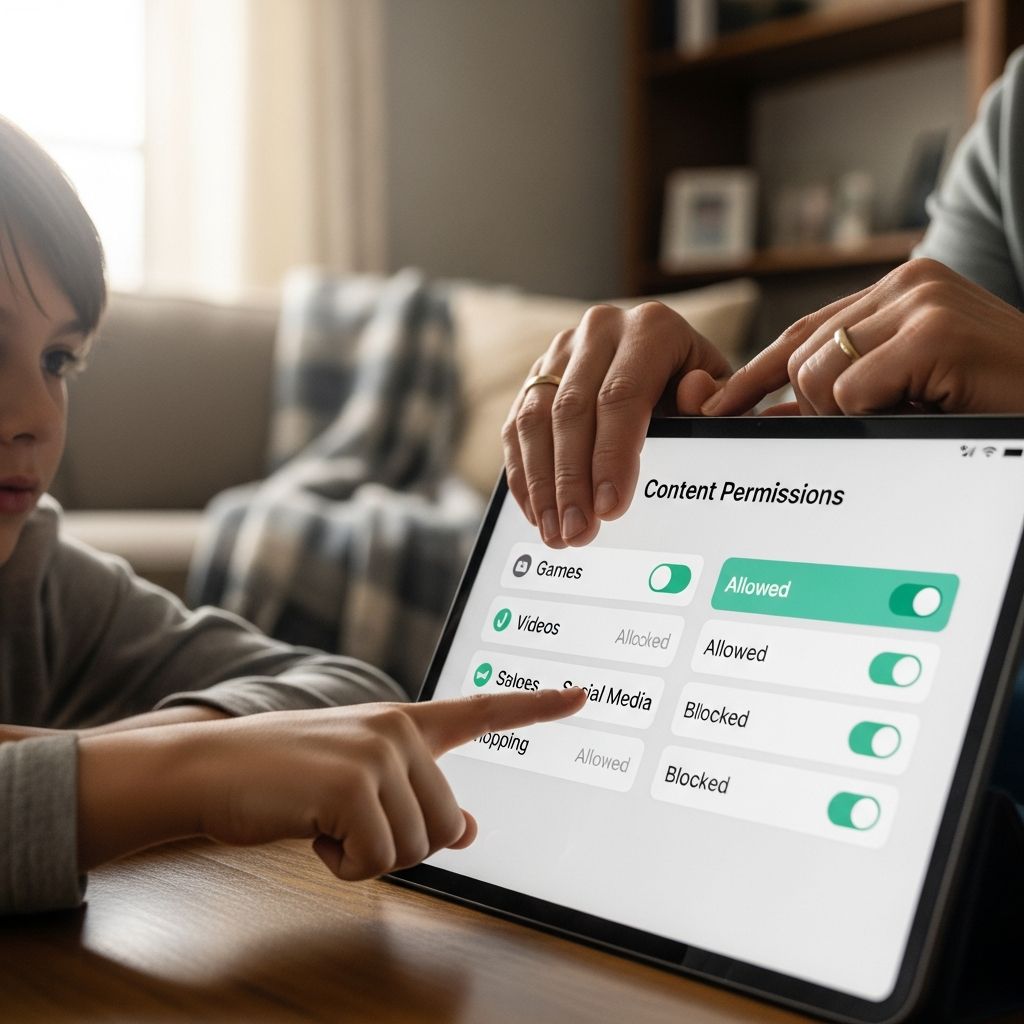
Family relationships enrich our lives, but when grandparents overstep into parenting decisions, tensions can arise quickly. Establishing clear limits ensures parents maintain authority while allowing grandparents to enjoy their role without conflict. This article explores common challenges, communication techniques, and long-term solutions drawn from relationship experts.
Understanding Common Boundary Challenges
Many parents encounter situations where grandparents unintentionally undermine household rules. These issues often stem from generational differences in child-rearing philosophies or a strong desire to bond with grandchildren. Recognizing patterns helps parents address them proactively.
- Unsolicited Advice: Grandparents may share tips on feeding, discipline, or sleep based on past experiences, ignoring modern guidelines.
- Unannounced Visits: Dropping by without notice disrupts routines, especially during work-from-home days or nap times.
- Dietary Overrides: Offering sweets or foods against parental preferences, potentially affecting health goals.
- Gift Overload: Excessive presents that spoil children or clutter homes.
- Routine Disruptions: Skipping naps or bedtimes to extend play, leading to overtired kids and stressed parents.
These behaviors, while well-intentioned, can erode parental confidence and create confusion for children about authority figures. According to relationship specialists, early identification of personal triggers—such as frustration from ignored schedules—empowers parents to act decisively.
Why Boundaries Matter in Family Dynamics
Healthy boundaries prevent resentment buildup, which can fracture even the closest ties. They clarify roles: parents lead on upbringing, while grandparents provide support and joy. Without them, children may exploit inconsistencies, learning manipulation over obedience.
Experts emphasize that boundaries foster mutual respect. Grandparents feel valued when their input is invited, not imposed, reducing defensiveness. Parents regain control, modeling assertiveness for their kids. In one analysis, families with defined limits reported lower conflict and stronger bonds.
| Without Boundaries | With Boundaries |
|---|---|
| Resentment and arguments | Open communication |
| Child confusion on rules | Clear authority structure |
| Strained visits | Enjoyable interactions |
Self-Reflection: Identifying Your Limits
Before confronting grandparents, parents should pinpoint what bothers them most. Journal reactions to visits: Does ignored screen-time rules cause anxiety? Track specific incidents to articulate needs clearly. This introspection, recommended by therapists, turns emotional responses into constructive dialogue.
Consider underlying grandparent motivations, like limited time with grandkids prompting routine skips. Acknowledging this builds empathy, softening conversations.
Effective Communication Strategies
Direct yet kind talks yield the best results. Schedule private discussions, away from children, to minimize defensiveness. Use structured approaches for clarity.
Gentle Startup Technique
Frame statements as “I feel… about… I need…” This owns emotions without blame. Example: “I feel overwhelmed when dinner includes sugary treats before bed. I need meals to align with our nutrition plan for better sleep.” Such phrasing invites cooperation.
Acknowledge Their Perspective
Start by validating desires: “I know you love spoiling them with playtime.” Then state boundaries: “To keep evenings smooth, please stick to the nap schedule.” This balances empathy with firmness.
Incorporate Consequences if Needed
If violations persist, add logical outcomes: “If schedules aren’t followed, we’ll arrange alternative care.” Delivered calmly, this reinforces seriousness without threats.
Listen actively to grandparents’ concerns too. They might need boundaries, like limits on babysitting frequency, promoting reciprocity.
Grandparents’ Role in Respecting Limits
Grandparents can thrive by adapting. Proactively ask: “What routines should I follow?” Offer targeted help, like meal prep within guidelines, over control. Share traditions sparingly, deferring to parents.
- Prep questions before visits.
- Respect screen or snack rules.
- Focus on support tasks: laundry, stories.
Curiosity about parental choices—”Why this rule?”—deepens understanding, cutting conflict.
Handling Resistance and Repeat Offenses
Not all accept boundaries easily. Some react with tears or blame, as in cases where grandparents hold kids past agreed times, texting guilt trips. Respond firmly: Forgive once, but redirect future visits through a spouse if trust erodes.
Past agreements failing signal deeper issues. Reiterate parental authority: “We appreciate support, but decisions are ours.” If enabling occurs, like unlimited adult-child living without chores, set house rules clearly.
Seek therapy for chronic problems. Professionals mediate, repairing rifts.
Building Positive Grandparent-Parent Partnerships
View grandparents as allies. Invite input on non-essentials, like park outings. Scheduled visits prevent surprises, maximizing joy.
Co-create guidelines: Jointly list do’s and don’ts. This ownership boosts compliance. Celebrate successes, like followed routines, with thanks.
Long-Term Benefits for All Generations
Families with enforced boundaries report harmony. Children learn respect; parents feel empowered; grandparents bond meaningfully. Occasional repairs—apologizing post-slip—strengthen resilience.
Generational gaps narrow through empathy. Traditions blend with new ways, creating unique family cultures.
Frequently Asked Questions
What if grandparents ignore boundaries repeatedly?
Implement consequences like reduced visits, and involve a neutral third party if needed. Consistency is key.
How do I start the boundary conversation?
Choose a calm moment, use “I” statements, and listen to their side.
Can grandparents set boundaries too?
Yes, like declining frequent babysitting, ensuring balance.
What about cultural tradition clashes?
Discuss gently, integrating where possible while prioritizing parental rules.
Is therapy recommended?
For ongoing strife, yes—it provides tools for lasting peace.
References
- Setting Healthy Boundaries with Grandparents — The Gottman Institute. 2023-05-15. https://www.gottman.com/blog/setting-boundaries-with-grandparents/
- Grandparents as Navigators: Balancing Tradition, Boundaries, and the New Ways — My Pacific Health. 2024-02-10. https://mypacifichealth.com/grandparents-as-navigators-balancing-tradition-boundaries-and-the-new-ways/
- Grandparent Boundaries — Christian Grandparenting. 2022-11-20. https://christiangrandparenting.com/grandparent-boundaries/