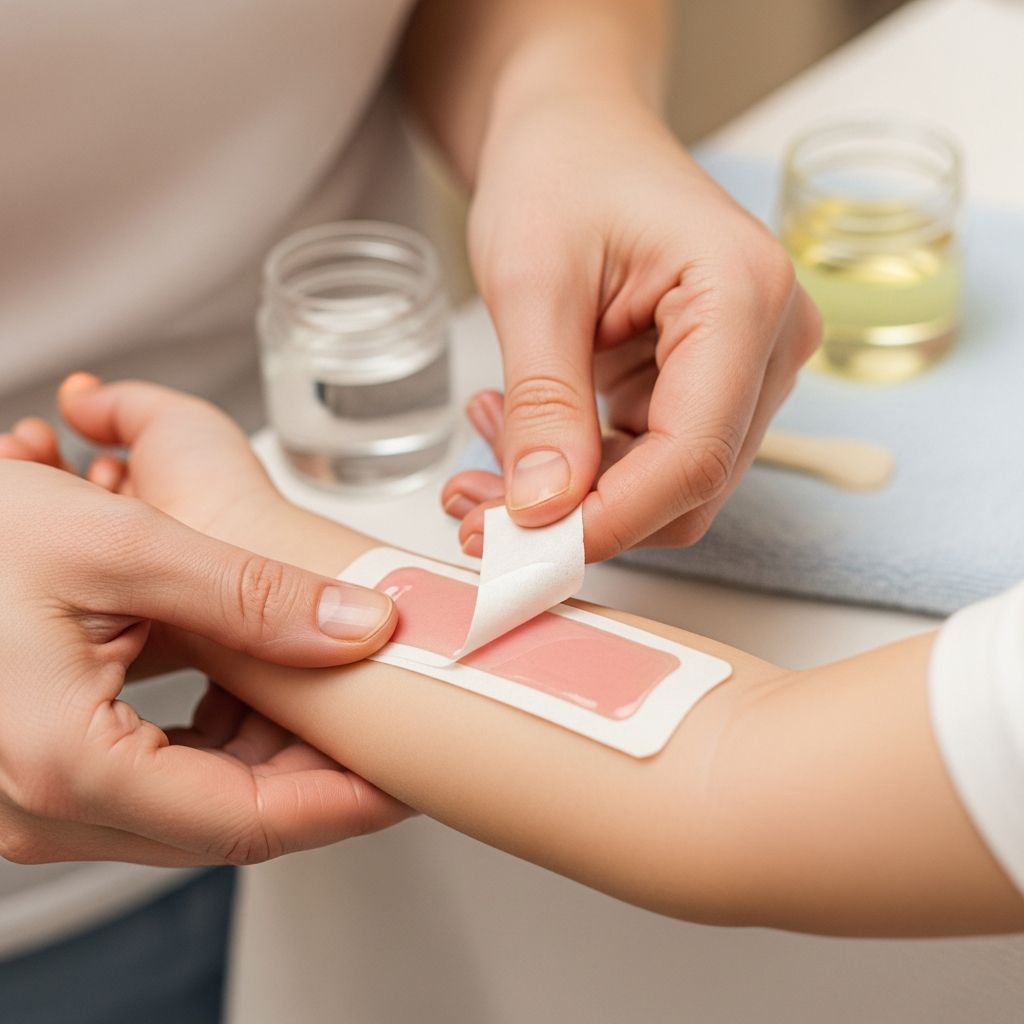
Wax on a child’s skin often happens during fun activities like candle-making crafts, birthday cake mishaps, or accidental spills from melted crayons. Removing it safely prevents irritation, especially on delicate young skin. This guide offers proven, gentle methods using everyday items, ensuring no harsh chemicals or scraping that could harm kids.
Why Wax Sticks to Skin and Why Careful Removal Matters
Wax, whether from candles, crayons, or hair removal products, adheres to skin because it cools and hardens quickly upon contact. For children, whose skin is thinner and more sensitive, improper removal can lead to redness, minor burns, or infection risks if bacteria enter tiny abrasions. Always prioritize gentleness over speed.
Key principles for safe removal:
- Never pull, scrape, or use sharp tools, as this damages the skin barrier.
- Test any method on a small area first.
- Stop if the skin reddens or hurts, and consult a doctor.
- Moisturize afterward to restore hydration.
Top Household Methods for Gentle Wax Removal
These techniques draw from dermatologist-recommended approaches, adapted for children’s skin. Start with the least invasive option.
Method 1: Cooling with Ice for Easy Flaking
Ice hardens wax, making it brittle and easy to flake off without pulling skin. Ideal for small areas like fingers or faces.
- Wrap an ice cube in a clean cloth to avoid direct cold burns.
- Press gently on the wax for 20-30 seconds until it hardens.
- Lightly flake off with fingertips; do not scrape.
- If residue remains, move to oil method.
Pro tip: Best for crayon wax or thin candle drips on arms/hands.
Method 2: Warm Compress to Soften and Lift
Heat softens wax without melting it fully, allowing gentle wiping. Use lukewarm water to protect sensitive skin.
- Soak a soft washcloth in warm (not hot) water.
- Place on wax for 1 minute to soften.
- Wipe gently with the cloth; repeat 2-3 times.
- Rinse skin and pat dry.
Safe for larger areas like legs or backs, common in craft play.
Method 3: Oils for Dissolving Sticky Residue
Oils break down wax’s sticky components naturally. Baby oil, coconut, or olive oil work well for kids.
- Apply a few drops to a cotton ball.
- Press on wax for 1-2 minutes to saturate.
- Wipe away with fresh cotton; repeat until clean.
- Wash with mild soap.
| Oil Type | Best For | Cautions |
|---|---|---|
| Baby Oil | Face, sensitive skin | Hypoallergenic |
| Coconut Oil | Body, dry skin | Warm slightly for better effect |
| Olive Oil | Quick kitchen fix | Rinse thoroughly to avoid greasiness |
Method 4: Petroleum Jelly for Stubborn Spots
This emollient loosens wax over time without drying skin.
- Spread a thick layer over wax.
- Wait 5 minutes.
- Wipe with a soft cloth.
Method 5: Mild Alcohol for Final Cleanup
Use sparingly on tougher residue, followed by lotion.
- Dab rubbing alcohol on cotton pad.
- Gently rub in circles until dissolved.
- Moisturize immediately.
Avoid on broken or very young skin.
Skin Types and Age-Appropriate Adjustments
Children’s skin varies: babies need oil-only methods; toddlers tolerate ice; older kids handle warm compresses. Eczema-prone skin skips alcohol; use oils instead.
- Infants (0-2 years): Oil or petroleum jelly only.
- Preschoolers (3-5): Ice + oil combo.
- School-age (6+): All methods with supervision.
Aftercare: Protecting Skin Post-Removal
Post-removal care prevents dryness or bumps.
- Apply fragrance-free lotion or aloe vera.
- Avoid baths for 24 hours if irritated.
- Watch for signs of infection: swelling, pus, fever.
- Dress in loose cotton clothes.
Prevention Strategies for Crafty Families
Minimize accidents:
- Use battery candles for parties.
- Supervise crayon melting projects.
- Protect surfaces and skin with barriers.
- Choose washable craft waxes.
When to Seek Professional Help
Call a doctor if:
- Wax covers large areas or near eyes/genitals.
- Skin blisters, bleeds, or infects.
- Child has pain lasting over an hour.
- Burn from hot wax suspected.
Frequently Asked Questions (FAQs)
Is it safe to use baby oil on kids’ skin for wax removal?
Yes, baby oil is gentle and effective for dissolving wax on children’s skin. Always patch-test and moisturize after.
Can I use a hairdryer to melt wax off?
No, hairdryers risk burns. Stick to compresses or ice for safety.
What if wax gets in my child’s hair?
Apply oil, comb gently, then shampoo. Avoid cutting unless necessary.
How long does skin take to recover after wax removal?
Most recover in hours with proper aftercare; monitor for 24-48 hours.
Is rubbing alcohol okay for young children?
Use minimally on older kids only; prefer oils for toddlers.
Comparing Removal Methods at a Glance
| Method | Time Needed | Best Areas | Skin Sensitivity |
|---|---|---|---|
| Ice | 1-2 min | Fingers, face | Low |
| Warm Compress | 3-5 min | Legs, arms | Medium |
| Oil | 5 min | All areas | Very Low |
| Petroleum Jelly | 5-10 min | Stubborn spots | Low |
| Alcohol | 2 min | Final clean | High |
Oil remains the most versatile for kids.
References
- How to Get Wax Off Skin: Five Safe and Easy Home Methods — Healthline (Medically reviewed by Cynthia Cobb, DNP, APRN). 2018-05-30. https://www.healthline.com/health/how-to-get-wax-off-skin
- How To Get Wax Off Skin Safely: Expert Tips — Waxbare. Accessed 2026. https://wax-bare.com/blogs/news/how-to-get-wax-off-skin-safely
- Complications related to pubic hair removal — DeMaria AL et al. (Peer-reviewed). 2014. https://doi.org/10.1016/j.ajog.2014.01.036
- How to Get Wax Off Skin from Wax Strips Like a Pro — Eye Candy Brow Salon. Accessed 2026. https://eyecandybrowsalon.com/how-to-get-wax-off-skin-from-wax-strips/
- What to Use to Remove Wax from Skin for a Perfect Finish — Black Coral Wax. Accessed 2026. https://blackcoralwax.com/blogs/news/what-to-use-to-remove-wax-from-skin-for-a-perfect-finish