Competition can fuel growth and motivation in children, but when it becomes all-consuming, it may signal deeper emotional needs. Recognizing these patterns early allows parents to intervene effectively, promoting a balanced approach to success and failure.
Understanding the Drive Behind Constant Winning
Children’s urge to always come out on top often stems from unmet emotional needs rather than innate aggression. Early experiences like family stress, illness, or separation can leave lasting feelings of insecurity, prompting kids to seek control through victory in everyday situations. This behavior serves as a bid for reassurance, masking vulnerability with bravado.
For instance, a child who insists on being first in line or the fastest eater might be replaying past helplessness. Such patterns persist because winning temporarily soothes the underlying ache, creating a cycle of compulsive competition. Parents observing this should view it not as defiance but as a call for connection.
Key Behavioral Red Flags
Watch for these common signs that competition has tipped into excess:
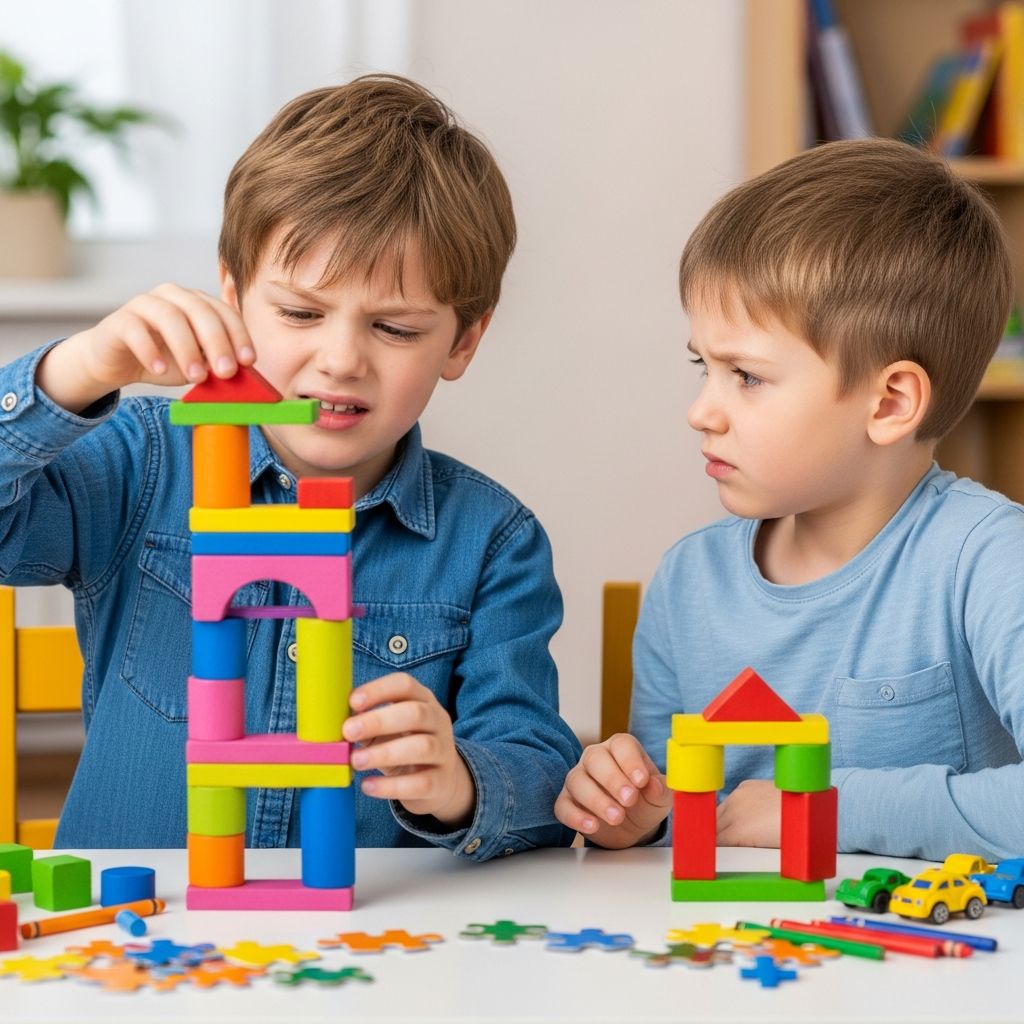
- Relentless need to dominate: Insisting on being the best in minor tasks, like choosing seats or finishing meals first, even at siblings’ expense.
- Boasting and belittling: Constantly highlighting superiority, taunting peers who lag behind, which isolates them socially.
- Intense reactions to loss: Outbursts, crying, or rage when not winning, showing poor frustration tolerance.
- Cheating or rule-bending: Manipulating games to ensure victory, complaining endlessly about ‘unfairness’.
- Social withdrawal or aggression: Avoiding play if not superior or turning overly controlling, like hogging resources.
These behaviors disrupt play, friendships, and self-esteem, turning fun into stress.
Emotional and Long-Term Impacts
Unchecked competitiveness warps a child’s worldview. They may internalize that worth equals winning, leading to anxiety around failure and strained relationships. Peers avoid them, fearing hurt feelings or exclusion, while teachers note them as poor team players.
Over time, this fosters perfectionism, burnout, or rebellion. Kids learn to suppress joy to avoid triggering adult discomfort, dimming their natural shine. In adulthood, it manifests as difficulty with vulnerability, repeating toxic patterns in parenting or partnerships.
| Short-Term Effects | Long-Term Risks |
|---|---|
| Isolation from peers | Low self-worth tied to achievements |
| Frequent tantrums | Relationship struggles |
| Reduced enjoyment in activities | Perfectionism and anxiety |
The Role of Parental Influence
Parents unwittingly amplify competition by overemphasizing outcomes. Praising ‘winning’ over effort instills a win-at-all-costs mentality. Competitive parenting—comparing kids to siblings or boasting about milestones—reflects adult insecurities, making children feel like rivals rather than offspring.
Signs include qualifiers on praise (‘I was better at your age’) or emotional distance during a child’s success. This confuses kids, associating achievement with tension. Breaking this requires self-reflection: Are your reactions rooted in pride or projection?
Strategies to Build Healthy Competition
Shift focus from results to process. Acknowledge effort: ‘You practiced hard!’ instead of ‘You’re the best!’. Accept big emotions without correction—’I see you’re upset about losing’ validates feelings, reducing defensive competitiveness.
- Play special time: Dedicate 20 minutes daily to child-led fun, fulfilling attention needs proactively.
- Model grace in defeat: Share your losses calmly to normalize setbacks.
- Encourage teamwork: Set up cooperative games emphasizing group wins.
- Limit comparisons: Celebrate unique strengths without rankings.
These steps help kids tolerate frustration, value others, and find joy beyond victory.
When to Seek Professional Guidance
If behaviors include deliberate harm, extreme outbursts, or withdrawal, consult a child psychologist. Persistent issues may indicate deeper trauma or disorders needing therapy. Early intervention prevents escalation, equipping kids with coping tools.
Frequently Asked Questions
Is competitiveness always bad?
No, healthy competition builds resilience and skills. It’s problematic when it causes distress or harms relationships.
How can I help my child handle losing?
Empathize first, then redirect to effort and fun. Practice losses in low-stakes play to build tolerance.
Does my praise style matter?
Yes—focus on process over innate talent to avoid pressure.
What if it’s sibling rivalry?
Address root insecurities separately; avoid pitting them against each other.
Can competitive kids become good teammates?
Absolutely, with guidance on empathy and cooperation.
Creating a Balanced Environment at Home
Foster non-competitive rituals: family game nights with silly rules, art projects without judgment. Teach growth mindset—abilities improve with practice. Monitor screen time, as media glorifies victory. Track progress: Journal wins and ‘learning moments’ together.
Parental workshops or books on positive parenting reinforce these habits. Consistency matters—united fronts from co-parents prevent mixed messages.
Ultimately, guiding competitive kids involves nurturing emotional security. When children feel unconditionally valued, the compulsion to ‘prove’ themselves fades, paving the way for genuine confidence and joy.
References
- Growing Up With a Competitive Parent: Signs, Impact and Healing — iamifeel.co.uk. 2023. https://www.iamifeel.co.uk/post/growing-up-with-a-competitive-parent-signs-impact-and-healing
- Helping Super-Competitive Children Relax — Hand in Hand Parenting. 2013-07. https://www.handinhandparenting.org/2013/07/helping-super-competitive-children-relax/
- Parenting Tips on Overly Competitive Behavior — Hanna Perkins Center. N/A. https://www.hannaperkins.org/parenting-tips-overly-competitive-behavior/
- Parenting the Competitive Child — Birmingham Mom Collective. N/A. https://birminghammomcollective.com/parenting-perspectives/parenting-the-competitive-child/
- How to Handle Boastful, Competitive Behavior — Janet Lansbury. 2019-03. https://www.janetlansbury.com/2019/03/how-to-handle-boastful-competitive-behavior/