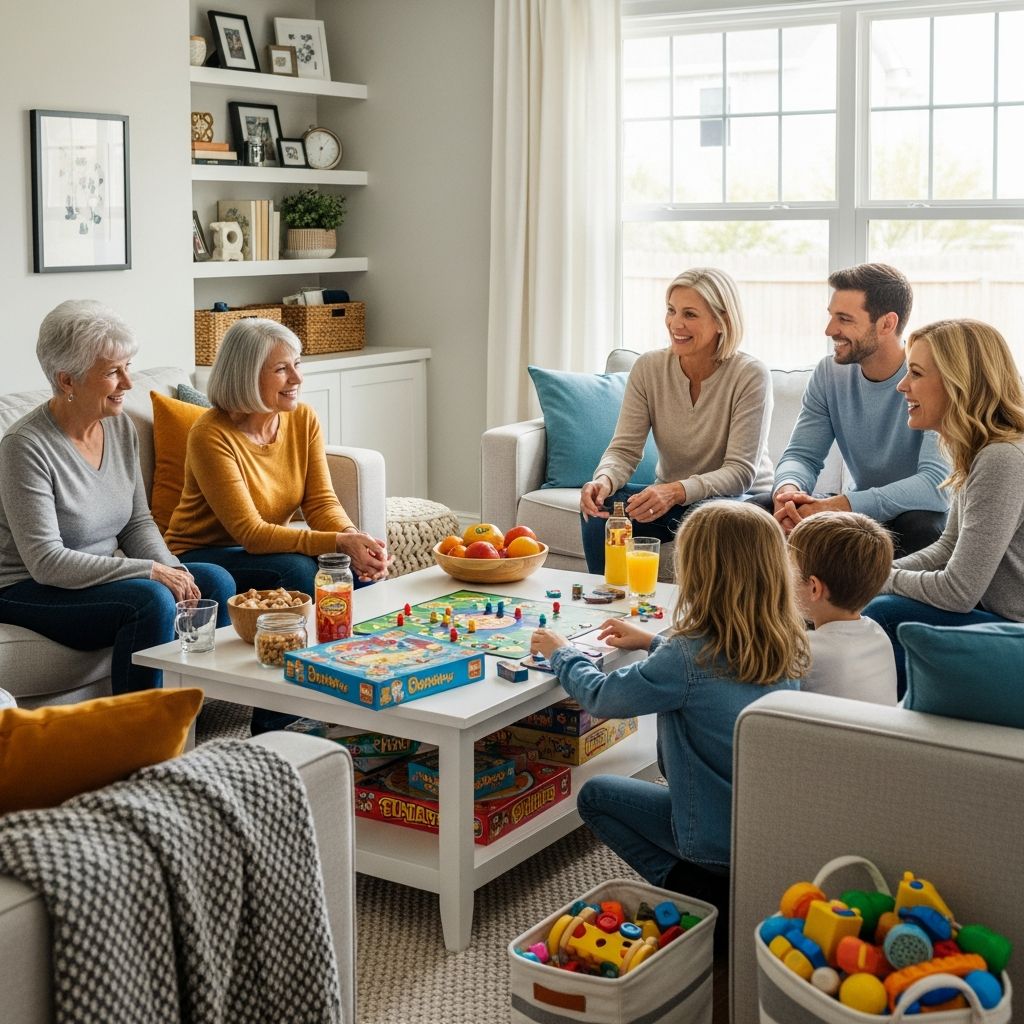
Regular family gatherings offer a structured opportunity for households to align on priorities, distribute tasks, and nurture relationships. These sessions promote collaboration, reduce misunderstandings, and create a sense of shared purpose among all members.
Building a Unified Family Vision
Establishing a clear family vision sets the foundation for productive gatherings. This involves collaboratively defining core values and long-term objectives that guide daily decisions. For instance, families might agree on principles like mutual respect, shared effort, and open dialogue, which help anchor discussions during meetings.
Begin by facilitating a brainstorming session where each person contributes ideas. Write these down and refine them into a concise statement displayed prominently in the home. This vision not only motivates participation but also reminds everyone of collective goals during challenging times.
- Identify shared values such as kindness and responsibility.
- Discuss aspirations like family outings or academic achievements.
- Review and update the statement annually to reflect growth.
Choosing the Right Timing and Setting
Selecting an optimal time prevents conflicts with routines and ensures high attendance. Aim for a consistent weekly slot, such as Sunday evenings after dinner, when energy levels are balanced and distractions minimal. For families with varied schedules, bi-weekly options work well to maintain momentum without overwhelming participants.
Create a comfortable environment to encourage engagement. A cozy living room with cushions or an outdoor patio fosters relaxation. Provide light refreshments like fruit or popcorn to keep younger members focused, drawing from practical experiences where snacks enhance participation.
| Family Type | Recommended Frequency | Ideal Duration |
|---|---|---|
| Young children | Weekly, 20-30 min | Short and fun-focused |
| School-age kids | Weekly, 30-45 min | Balanced agenda |
| Teens | Bi-weekly, 45-60 min | Decision-oriented |
Designing an Engaging Agenda
A well-planned agenda keeps gatherings efficient and purposeful. Start with positive elements to build rapport, then transition to logistics and open discussions. This structure mirrors effective models used in various family settings.
- Emotional Check-In (5-10 minutes): Use prompts like highs, lows, and appreciations to gauge feelings. Variations such as ‘rose, thorn, bud’ allow everyone to share wins and challenges.
- Schedule Review (10 minutes): Sync calendars for upcoming events, using color-coded shared tools for clarity.
- Task Allocation (10 minutes): Assign household duties fairly, rotating roles to promote fairness and skill-building.
- Planning Ahead (10 minutes): Brainstorm future activities or decisions, incorporating votes for buy-in.
- Open Forum (5-10 minutes): Address individual concerns, ensuring quieter voices are heard via passes or notes.
Document action items in a shared digital note, specifying owners and deadlines to track progress.
Involving Children of All Ages
Inclusion is key to success; tailor participation to developmental stages. Preschoolers can draw feelings or pick chores via pictures, while teens lead segments to develop leadership.
Assign rotating roles like facilitator, note-taker, or timer to empower members. This boosts engagement by 40% through ownership, as inclusive practices demonstrate. For reluctant participants, start with fun activities like games to ease into structure.
- Toddlers: Simple yes/no choices or snack duty.
- Elementary: Vote on menus or plan games.
- Teens: Propose agenda items or mediate discussions.
Implementing Chores and Responsibilities
Equitable chore distribution prevents parental burnout and teaches accountability. During gatherings, review current loads and adjust based on feedback, setting weekly goals for improvement.
Use brainstorming to generate solutions, such as ‘who cleans messes they make?’ This encourages ownership without dictating. Track via charts, celebrating completions to reinforce habits.
Problem-Solving as a Team
Gatherings excel at resolving conflicts collaboratively. Present issues neutrally, like kitchen cleanup, then invite ideas. Require unanimous decisions to teach compromise, applying rules to all regardless of attendance.
Limit initial sessions to one issue for focus. Parents set boundaries beforehand, ensuring clarity. Tools like talking sticks maintain order, giving each turn.
Enhancing Connection Through Rituals
Beyond logistics, infuse fun to strengthen bonds. Begin with videos or outings to regulate energy, especially for active children. Share appreciations round-robin style, fostering positivity.
These rituals build a supportive culture where voices matter, reducing conflicts and enhancing unity.
Overcoming Common Hurdles
Resistance may arise; counter by leading with your commitments first and using trials like 30-day ‘out of sight’ for changes. Keep meetings brief initially, gradually expanding as comfort grows.
If attendance lags, make it optional but binding, emphasizing team benefits. Consistency yields results over time.
Measuring Progress and Adapting
Evaluate quarterly via feedback: ‘What’s working? What to tweak?’ Adjust agendas accordingly. Success shows in smoother routines, fewer arguments, and proactive kids.
Frequently Asked Questions
What if my kids won’t participate?
Start small with treats and fun starters. Rotate leadership to build investment gradually.
How long should the first meeting be?
15-20 minutes to avoid fatigue; extend as family adapts.
Can we skip weeks?
Bi-weekly is fine if schedules demand, but aim for regularity.
What about blended families?
Extra emphasis on appreciations and inclusive roles aids integration.
Do decisions need to be unanimous?
Yes, to promote compromise and unity, vetoing unrealistic ideas.
References
- Family meetings: A simple way to stay connected — Children’s Mercy. 2025-09. https://www.childrensmercy.org/parent-ish/2025/09/family-meetings/
- Family Meetings — Positive Discipline. N/A. https://www.positivediscipline.com/articles/family-meetings/
- How to Do Family Meetings (Agenda + Printable Template) — Connected Families. N/A. https://connectedfamilies.org/family-meetings/
- How We Organize Our Family Meetings — The DIY Playbook. N/A. https://thediyplaybook.com/finn-family-meetings/
- Family Meetings: A Very Good Place to Start — Super Healthy Kids. N/A. https://www.superhealthykids.com/family-meetings/
- Five Steps to Get Your Family On Board With Simplifying — Simple by Emmy. N/A. https://simplebyemmy.com/onboard/