Many children eventually hear unkind comments about how they look, but a parent’s response can shape how deeply those words sink in. When one little girl came home upset because classmates teased her hair, her mom’s reaction quietly modeled how to turn pain into strength and self-love.
The Moment a Child Admits She Was Teased
For many parents, the first time a child says, “They made fun of my hair,” can be heartbreaking. Instead of dismissing the comment, it is crucial to pause, listen, and signal that the child’s feelings are valid. That small moment of honesty is often a sign that the child trusts the parent enough to share a vulnerable experience.
In situations like this, a young child might have just worn their natural hair texture or a new hairstyle to school for the first time. A single negative reaction from peers can overshadow an entire day, leaving the child feeling exposed and different. Parents who recognize how significant this can be often step in not just to soothe but to teach.
Why Hair Teasing Hurts So Much
Hair is closely tied to identity, culture, and self-esteem, especially for children who are still forming their sense of self. When kids are teased about their texture, length, or style, they frequently hear it as a judgment of who they are rather than just how they look. That is why even brief teasing can leave such a lasting emotional imprint.
For many girls in particular, hair is wrapped up in messages they receive from family, media, and community about what is considered beautiful. When classmates mock curls, coils, braids, or volume, a child might suddenly feel like their natural traits are something to hide, straighten, or change in order to fit in.
- Teasing about hair often targets features connected to race or culture.
- Children may begin to associate their natural hair with shame or embarrassment.
- Hurtful comments can make a child anxious about going to school or social events.
A Mom’s First Response: Validate, Then Reframe
In an empowering example that many parents can relate to, the mother chose not to react with anger, denial, or panic. Instead, she slowed down, asked gentle questions, and truly listened to what her daughter was saying. That calm presence helped the child feel seen instead of brushed off or overly pitied.
After acknowledging how hurtful the teasing felt, the mom began to reframe the conversation. She reminded her daughter of everything that made her hair special, from its unique texture to how it represents her family and heritage. Rather than promising that teasing would never happen again, she focused on helping her daughter feel proud of herself no matter what others say.
- Validate: “That sounds really hurtful. I am so glad you told me.”
- Reflect: “It makes sense that you felt sad or embarrassed when they said that.”
- Reframe: “Your hair is part of what makes you you, and that is something to celebrate.”
Teaching Kids the Difference Between Teasing and Truth
One of the most powerful lessons a parent can share in this moment is that another child’s opinion is not a universal truth. What one child calls “weird” or “messy,” another might call beautiful, cool, or unique. Helping children see teasing as a reflection of the teaser’s limited perspective, not their own worth, builds critical emotional resilience.
Parents can use simple language that a young child understands, such as explaining that some kids repeat things they hear, do not yet know how to celebrate differences, or feel better by making someone else feel worse. This does not excuse the behavior, but it shifts the blame away from the victimized child.
Practical Phrases Parents Can Use
When a child is visibly upset, it helps to have supportive language ready. The goal is to be specific, sincere, and empowering rather than dismissive or overly vague. Over time, these phrases become part of the child’s inner voice, guiding how they respond to criticism.
Parents might even role-play future scenarios, offering words the child can use if someone makes another comment. Practicing at home can make them feel more prepared and less frozen in the moment.
- “Your hair is not a problem to fix; it is a gift to take care of.”
- “Sometimes people tease what they do not understand. That does not mean they are right.”
- “If someone talks about your hair again, you can say, ‘I like it this way,’ and then walk away.”
- “You never have to change yourself to make someone else comfortable.”
Turning Hair Care Into a Confidence Ritual
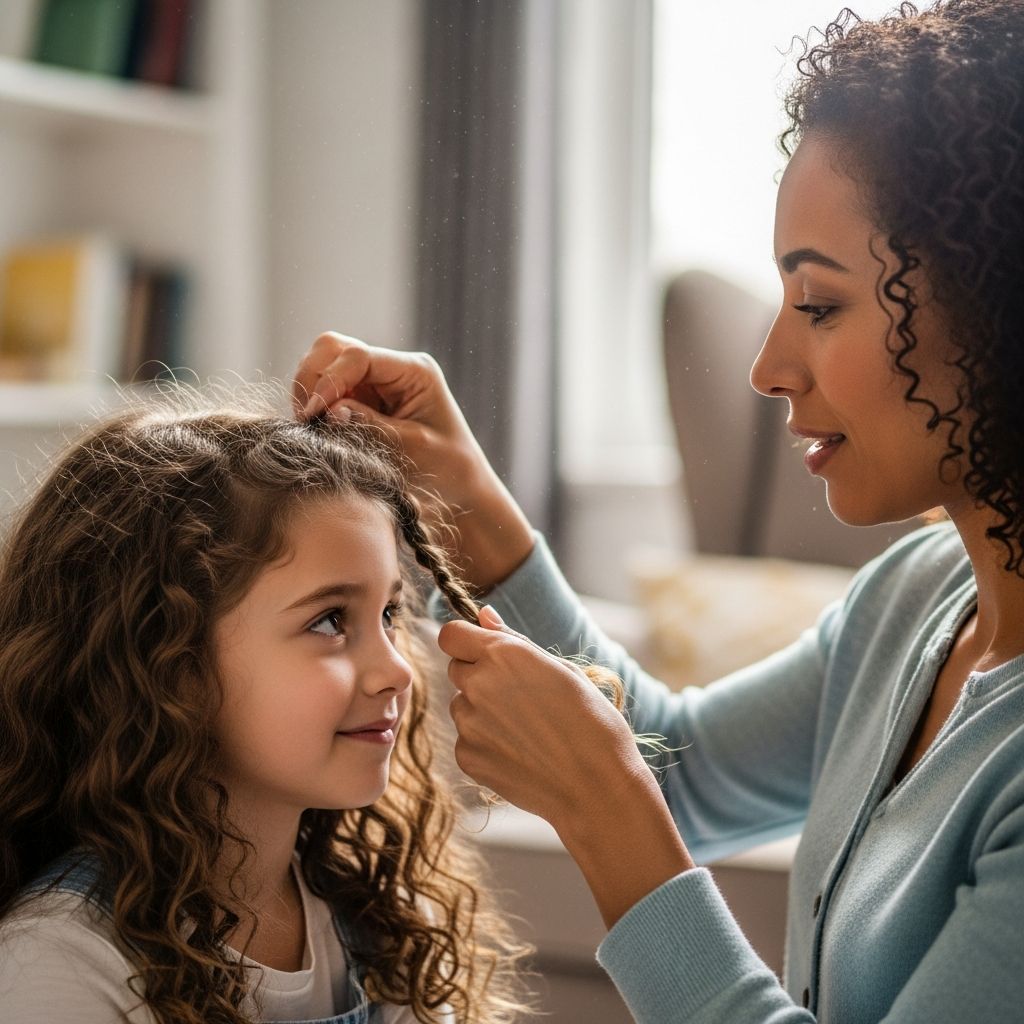
Many parents transform daily hair care into a bonding ritual that builds confidence. While styling, they talk about the history, beauty, and versatility of the child’s hair, using that time to reinforce positive messages. The process becomes more than just grooming; it becomes a safe moment to practice self-love.
Even simple acts—like letting the child choose accessories, encouraging them to look in the mirror and name what they like, or teaching them basic care routines—send a powerful message: your hair deserves time, attention, and pride. This sense of ownership often makes teasing feel less defining.
Empathy and Boundaries: What Parents Can Say About the Other Kids
It can be tempting to label the other children as “mean” or “bad,” but many parents choose a more nuanced approach. They acknowledge the harm while still teaching empathy, explaining that those kids might not understand how their words affect others or may be copying adults around them. This helps the child see the behavior as wrong without viewing everyone as an enemy.
At the same time, it is important to stress that understanding someone’s behavior does not mean accepting mistreatment. Children should know they are allowed to walk away, seek support, and set clear boundaries when comments cross the line from joking into unkindness or bullying.
When and How to Involve the School
If teasing becomes frequent, hostile, or targeted, parents may need to loop in teachers or school staff. Calmly documenting what the child reports, including dates and exact phrases when possible, can help adults at school better address patterns. Most schools have policies about bullying and expectations for respectful behavior.
When speaking with teachers or administrators, many caregivers find it useful to focus on collaboration rather than blame. Asking how the class is taught about diversity, kindness, and appearance-based teasing can open the door to broader conversations that benefit all students.
Helping Your Child Build Inner Resilience
While adults work to shape kinder environments, children still benefit from learning tools for emotional strength. Resilience does not mean ignoring feelings; it involves acknowledging pain and then remembering inner worth. Parents can help kids name their strengths and talents that have nothing to do with appearance.
Activities like journaling, drawing themselves as a superhero with their real hair, or reciting affirmations in the mirror can deepen self-acceptance. Over time, the child learns that unkind words may sting but do not define who they are or what they can do.
Sample Affirmations for Kids Teased About Their Hair
Affirmations are short, positive statements children repeat to themselves to reinforce healthy beliefs. When a child is teased about their hair, affirmations can directly challenge the hurtful message by celebrating the very thing that was mocked. Parents can invite children to help write or choose the phrases that feel best.
- “My hair is strong, beautiful, and mine.”
- “I am more than what people see on the outside.”
- “Different is special, not wrong.”
- “I deserve kindness and respect.”
- “I like my curls, coils, or waves just the way they are.”
Portraying Positive Hair Images at Home
Children learn as much from what they see as from what they are told. When households celebrate a wide range of hairstyles and textures—through books, dolls, family photos, movies, and conversations—kids receive the unspoken message that their appearance belongs in the world. This visual representation helps counter narrow beauty standards they may encounter elsewhere.
Parents can be intentional about complimenting diversity in others too, pointing out stylish braids, protective styles, or natural curls in daily life. Over time, the child begins to link hair differences with creativity and beauty rather than something to hide.
Simple Table: Parent Responses That Help vs. Responses That Hurt
The way adults react in the moment makes a big difference. The table below offers a quick guide for supportive versus unhelpful reactions when a child shares they were teased about their hair.
| Unhelpful Response | Why It Hurts | More Helpful Alternative |
|---|---|---|
| “Ignore them, it’s not a big deal.” | Dismisses the child’s feelings and may stop them from sharing in the future. | “It is a big deal to you, and that matters to me. Tell me what happened.” |
| “Well, maybe if we changed your hair…” | Suggests the child should conform instead of expecting others to be kind. | “You do not need to change to be accepted. Your hair is great as it is.” |
| “Those kids are just terrible.” | Labels all peers as bad and can increase fear or anger. | “What they said was unkind. Let’s talk about why it was wrong and what you can do next time.” |
| “Don’t be so sensitive.” | Shames the child for having emotions. | “Anyone would feel upset hearing that. Your feelings make sense.” |
Supporting Siblings and Classmates as Allies
If the child has siblings or close friends, they can be gently encouraged to speak up when they hear unkind comments. Simple ally phrases like “That is not nice” or “I think her hair is awesome” can shift the tone of a group interaction. Knowing that someone else is on their side can make the teased child feel less alone.
Parents can also suggest that classmates compliment unique hairstyles or ask respectful questions instead of staring or whispering. Teaching curiosity over judgment promotes a culture where differences are noticed but not attacked.
Frequently Asked Questions
Is this bullying or just teasing?
Teasing becomes bullying when it is repeated, targeted, and intended to cause harm or create a power imbalance. A single rude comment about hair may be considered teasing, but if the behavior continues, involves a group, or clearly isolates the child, it may meet the definition of bullying and deserve formal attention from the school.
Should I change my child’s hairstyle to avoid teasing?
Some parents feel tempted to switch to a more “acceptable” style, but doing so can send the message that the teasing child’s opinion is more important than the child’s comfort and identity. It is usually healthier to discuss options with the child, centering their preferences and agency rather than fear of what others think.
What if my child does not want to talk about it?
Not every child is ready to open up right away. Caregivers can let them know they are available to listen whenever the child is ready, while still watching for changes in mood, appetite, or school performance. Gentle check-ins and nonverbal support, like extra hugs and quality time, can keep the door open for future conversations.
How can I manage my own anger toward the kids who teased?
Parents often feel a rush of anger or protectiveness, which is completely understandable. Taking a moment to breathe, vent privately to another adult, or write down feelings can help keep those emotions from spilling onto the child. When adults stay calm, children feel safer and more confident in sharing what happened.
What if my child has teased someone else about their hair?
If a parent learns that their own child made fun of a classmate’s appearance, it becomes a powerful teaching opportunity. Calmly addressing the behavior, explaining the impact of such words, and guiding the child to apologize can help them grow into a more empathetic person. This balanced approach shows that mistakes can lead to learning rather than just punishment.
Key Takeaways for Parents
When a child is teased about their hair, the story does not have to end in shame. With validation, positive language, and consistent support, parents can help them see their hair as a source of pride rather than a problem to fix. The core message a child needs to hear is simple: you are worthy, you are loved, and nothing about your natural self makes you less deserving of respect.
- Listen fully before reacting, and validate your child’s feelings.
- Celebrate their hair as part of their unique identity and culture.
- Teach them simple responses and boundaries for future comments.
- Model respect for diverse hair types and appearances at home.
- Involve the school if teasing escalates into repeated bullying.