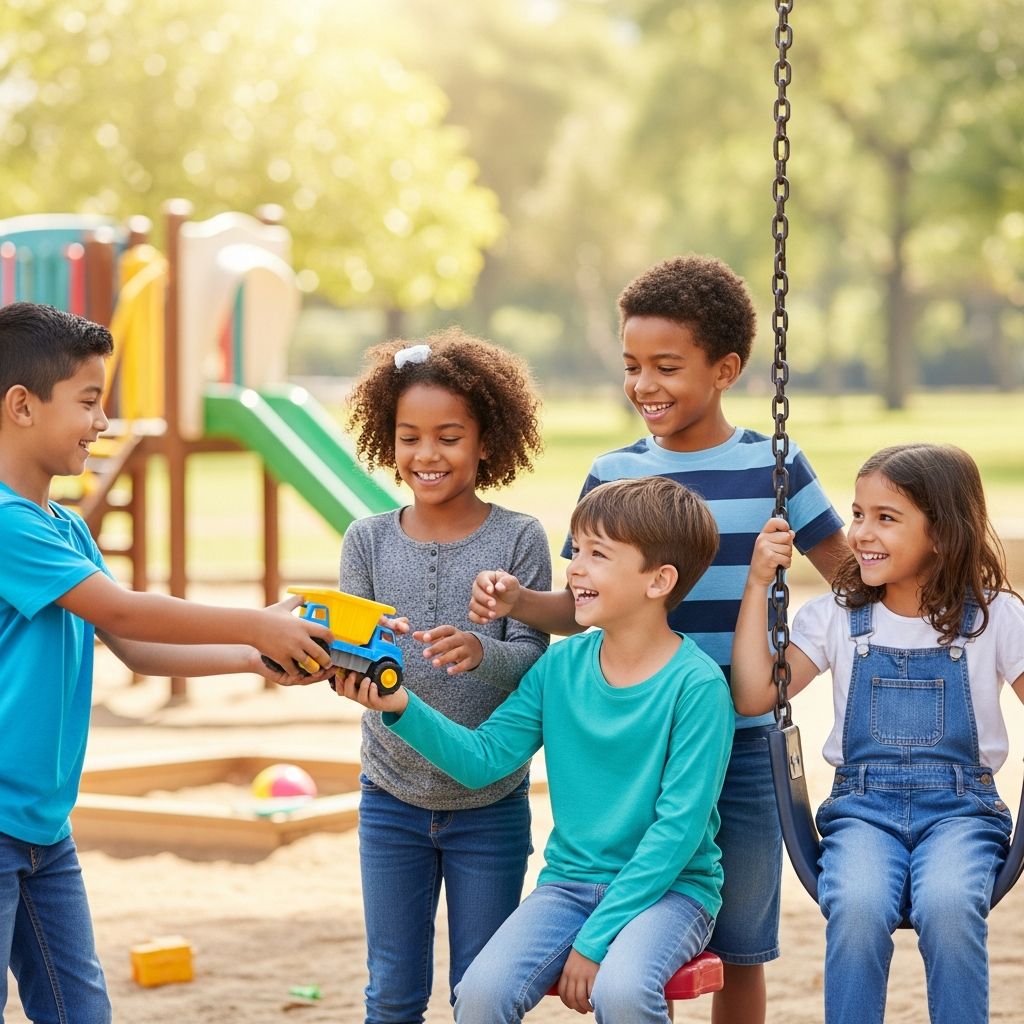
Disrespectful behavior from children can strain family dynamics, but it’s a common challenge rooted in development, emotions, and learned patterns. Parents can transform these moments into opportunities for growth by staying composed, validating feelings, and enforcing consistent limits. This guide explores the reasons behind rudeness, immediate response tactics, and long-term strategies to cultivate mutual respect.
Understanding the Roots of Disrespectful Behavior
Children don’t wake up intending to be rude; their actions often stem from unmet needs or underdeveloped skills. Recognizing these triggers allows parents to respond proactively rather than reactively.
- Emotional Overload: When kids feel frustrated, tired, or overwhelmed, they lash out because they lack the vocabulary to express complex feelings. This outburst serves as a release valve for built-up tension.
- Learned Effectiveness: If shouting or backtalk yields results—like getting a snack faster—children repeat it. They test boundaries to see what ‘works’ in their environment.
- Modeling from Environment: Kids mirror adult interactions. Yelling at a spouse or dismissing others teaches that sharp words are acceptable communication.
- Push for Independence: Especially in teens, defiance signals a desire for autonomy, not personal attack. Small rebellions help them practice decision-making.
Stressful home environments exacerbate these issues. According to research on childhood development, chronic stress hinders cognitive flexibility and self-control, making polite expression harder. Addressing root causes prevents rudeness from becoming a entrenched habit.
Staying Calm: The Foundation of Effective Responses
Your reaction sets the tone. Escalating with anger reinforces the cycle, while composure models self-regulation and de-escalates tension.
| Situation | Reactive Response | Calm Alternative |
|---|---|---|
| Child yells “I hate you!” | Yell back or punish immediately | Take a deep breath, say “I see you’re upset. Let’s talk when calm.” |
| Backtalk during homework | Ground or threaten | Acknowledge feeling: “Homework frustrates you. What can help?” |
| Rudeness to siblings | Side with victim aggressively | Separate calmly: “Use words, not shouts. Cool off first.” |
Maintaining neutrality shows children that disrespect won’t provoke chaos, prompting them to self-correct. This approach aligns with positive parenting frameworks that prioritize connection before correction.
Key Strategies to Curb Rudeness Immediately
Implement these tools during or right after incidents to interrupt patterns without shame or power struggles.
- Validate Without Endorsing: Name the emotion to build trust—”You sound angry about bedtime.” This diffuses defensiveness, opening doors to better dialogue.
- Request a Polite Redo: Firmly state, “That tone doesn’t work here. Can you try again respectfully?” It teaches alternative phrasing without debate.
- Enforce Natural Consequences: Link actions to outcomes, like pausing a game after eye-rolling. Explain: “Respectful requests get quicker help.”
- Disengage from Power Plays: Walk away briefly if safe, signaling rudeness halts interaction. Reengage once tones soften.
These methods shift focus from blame to skill-building, reducing recurrence over time. Consistency is vital—apply across all caregivers for unified messaging.
Building Long-Term Respect and Accountability
True change requires ongoing effort. Create a home culture where respect is expected and taught daily.
- Model Desired Behavior: Use polite language yourself, even under stress. Children emulate what they observe, not just hear.
- Set Clear Family Rules: Co-create simple guidelines like “We speak kindly” and post them visibly. Review weekly.
- Teach Emotional Tools: Practice scripts for frustration: “I’m mad because… I need…” Role-play scenarios to build fluency.
- Foster Responsibility Trio: Emphasize responsibility (behave appropriately), accountability (own actions), and consequences (logical results). This framework empowers kids.
Track progress with a family chart rewarding respectful weeks, turning abstract values into tangible goals.
Age-Specific Approaches to Disrespect
Tailor tactics to developmental stages for better results.
| Age Group | Common Behaviors | Best Responses |
|---|---|---|
| Toddlers (2-4) | Whining, hitting | Short redirects, empathy hugs |
| School-Age (5-9) | Sass, sibling jabs | Polite replays, loss of privileges |
| Teens (10+) | Eye-rolls, door slams | Curfew adjustments, independence contracts |
Younger kids need more guidance; older ones benefit from negotiated boundaries that respect growing autonomy.
Navigating Challenges with Extended Family or Caregivers
Rudeness toward grandparents or nannies requires team alignment. Prep kids: “Grandma deserves kindness like me.” If incidents occur, debrief privately: “What upset you? Next time, walk away first.” United fronts prevent manipulation.
Common Pitfalls and How to Avoid Them
- Avoiding Hypocrisy: Self-reflect—if you snap, apologize to demonstrate accountability.
- Not Over-Punishing: Harshness breeds resentment; focus on teaching.
- Ignoring Patterns: Log incidents to spot triggers like hunger or transitions.
- Expecting Instant Change: Habits take weeks to shift—celebrate small wins.
Persistent issues may signal deeper needs; consult pediatricians if linked to stress or trauma.
Frequently Asked Questions (FAQs)
What if my child says “I hate you” repeatedly?
Respond calmly: “That hurts my feelings. I’m here when you’re ready to share nicely.” It validates without engaging the attack.
How do I handle disrespect in public?
Give a quiet warning, then follow through privately with consequences. Public lectures escalate drama.
Does ignoring rudeness work?
Not fully—acknowledge emotions first, then ignore the tone while addressing the need.
What about teens testing limits?
Offer choices within boundaries: “Homework now or phone later?” Builds ownership.
Can too much empathy enable bad behavior?
No, when paired with firm limits. Connection makes correction land better.
Creating a Respectful Home Environment
Daily rituals reinforce values: family dinners for polite sharing, gratitude rounds at bedtime. Limit screen time, which can amplify impatience. Parental self-care prevents burnout, ensuring consistent parenting.
Research underscores that secure attachments buffer against defiance. When kids feel safe expressing needs respectfully, rudeness fades. Invest in relationships for profound shifts.
Patience pays off. Families using these strategies report fewer conflicts and stronger bonds within months. Start small, stay consistent, and watch respect flourish.
References
- Rude Kids? How to teach respect without shame or punishment — My Parenting Solutions. 2023. https://www.myparentingsolutions.com/blog/rudekids
- Attitude and Kids: How to React When Your Child is Disrespectful — Parenting Chaos. 2022-10-15. https://parentingchaos.com/attitude-disrespectful-kids/
- Disrespectful Child Behavior: Where to Draw the Line — Empowering Parents. 2024. https://www.empoweringparents.com/article/disrespectful-child-behavior-where-do-you-draw-the-line/
- Battling Rudeness in Kids: The Causes and Consequences — Parenting.org. 2023. https://www.parenting.org/articles/battling-rudeness-part-1-the-causes-and-consequences-in-kids
- Help! My Child Is Defiant and Disrespectful — Connected Families. 2023-05-20. https://connectedfamilies.org/help-my-child-is-defiant-and-disrespectful/