Understanding the Root of Sibling Conflict
Sibling conflicts are nearly universal in family dynamics, yet many parents struggle to address them effectively. The tensions that arise between brothers and sisters often feel overwhelming, particularly when disagreements escalate into arguments that disturb household peace. Understanding that these conflicts are not failures of parenting but rather natural expressions of growing children learning to navigate relationships is the first step toward productive intervention.
Conflicts between siblings serve important developmental purposes. These interactions provide children with valuable opportunities to practice negotiation, compromise, and emotional regulation in a relatively safe environment where the relationship itself—being permanent family bonds—rarely dissolves due to disagreement. When handled constructively, sibling conflicts become laboratories for learning skills that will benefit children throughout their lives, including how to advocate for themselves, understand others’ perspectives, and work toward mutually acceptable solutions.
The quality of sibling relationships during childhood significantly influences how children develop socially and emotionally. Research indicates that when siblings engage in constructive conflict resolution, attempting to reason through problems and consider each other’s viewpoints, they develop greater capacity for empathy, cooperation, and prosocial behavior. Conversely, avoiding or mismanaging these conflicts can reinforce negative patterns that persist into adulthood.
Creating a Foundation for Resolution
Before any conflict resolution can occur, parents must establish a structured environment where children understand expectations and feel safe expressing themselves. This foundation is built through clear communication about ground rules and consistent parental modeling of calm, respectful behavior.
Establishing Clear Expectations
Children require explicit instruction about acceptable behavior during disagreements. These parameters should be discussed proactively, not reactively during moments of tension. When children understand the rules before conflicts arise, parents have a reference point to redirect behavior constructively. Common foundational rules include no interrupting while the other person speaks, avoiding insults and name-calling, and maintaining a reasonable volume level.
The power of involving children in establishing these guidelines cannot be overstated. When kids participate in creating the framework, they’re more likely to honor it because they’ve had ownership in its development. Ask your children what they think fair rules should be, incorporate their suggestions, and ensure agreement exists before implementing them.
Maintaining Parental Calm
Parents often underestimate their own emotional responses to sibling conflicts. When children are yelling and upset, it’s natural for adults to feel frustrated or triggered. However, research demonstrates that parental emotional dysregulation during these moments increases tension rather than resolving it. Taking time to establish personal calm before engaging with conflicting children models the emotional regulation you’re attempting to teach them.
This doesn’t mean avoiding the conflict; rather, it means approaching intervention with intentionality. Taking several deep breaths, acknowledging your own feelings internally, and consciously choosing a calm tone and measured pace sets the stage for productive dialogue. Your children learn far more from observing how you manage your emotions than from any lectures about proper behavior.
The Mediation Approach to Conflict Resolution
Research comparing different parental intervention styles reveals that mediation—where parents guide children toward their own solutions rather than imposing answers—results in more constructive conflict handling and increased willingness to compromise. This approach requires more time and patience initially but generates lasting benefits as children develop genuine problem-solving capabilities.
Step One: Encouraging Emotional Processing
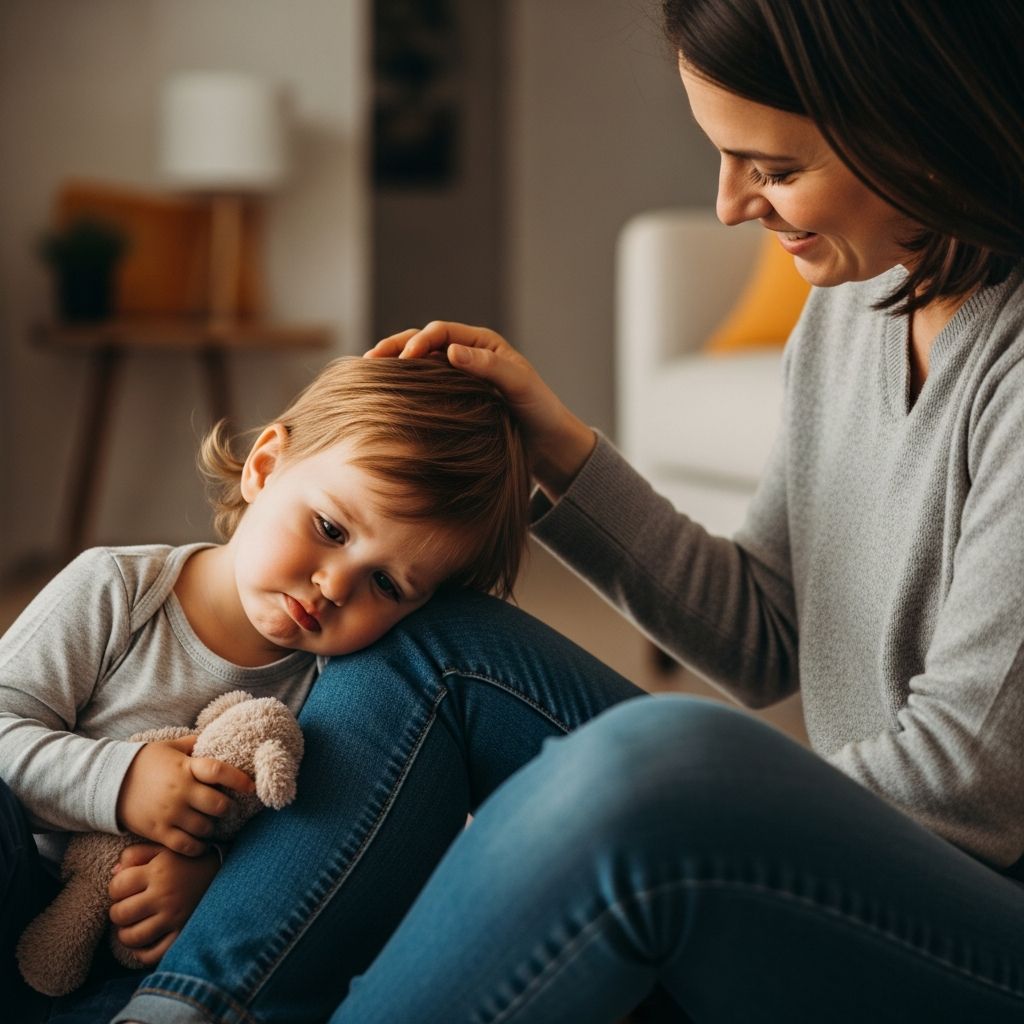
When conflict erupts, children often need time to regulate their emotions before productive conversation can occur. This doesn’t mean isolating them as punishment; rather, it means providing space and support for emotional processing. Some children benefit from sitting quietly, others from physical activity, and still others from talking through their feelings with a calm adult.
Validate that the emotions themselves are acceptable, even if the behaviors that accompanied them weren’t. A statement such as “I see you’re really frustrated right now, and that’s okay” acknowledges the child’s internal experience without condoning problematic actions. Once children have regained composure, they’re better equipped to participate in constructive problem-solving.
Step Two: Facilitating Perspective-Taking
After emotional regulation has occurred, guide each child to articulate their perspective on what happened. Listen carefully without immediately correcting misperceptions or defending the other sibling. Parents often interrupt with their own interpretation of events, but suspending this impulse and truly listening validates children’s experiences.
Once each child has shared their account, implement a crucial skill-building technique: ask one sibling to summarize what the other said and how it made them feel. This practice accomplishes multiple objectives simultaneously. It ensures accurate understanding, teaches active listening, develops empathy, and gives children experience articulating others’ emotional experiences. Gently correct misunderstandings and have them try again, building these vital communication skills through repetition.
Step Three: Guiding Problem-Solving
Rather than imposing solutions, invite your children to brainstorm possible resolutions together. Ask open-ended questions such as “What could you both do differently next time?” or “How could this situation work better for both of you?” This approach empowers children and ensures they have investment in the outcome.
Your role is facilitatory. You might suggest categories to consider—such as sharing arrangements, taking turns, or seeking adult assistance when frustrated—but children generate the specific solutions. When they propose ideas, reality-check them gently. A suggestion might be creative but impractical, so you might respond, “That’s an interesting idea. How would that actually work when you’re both in class?” This helps children develop realistic thinking without dismissing their contributions.
Step Four: Implementation and Backup Plans
Once children agree on a solution, clarify how it will be implemented. Who goes first? How long does each person get? What happens if someone forgets? These specifics prevent misunderstanding when the agreement is being executed.
Inevitably, some conflicts won’t resolve through discussion. Children may reach an impasse or struggle to cooperate. Establish predetermined backup mechanisms such as coin flips or rock-paper-scissors. This fairness element removes emotion from the outcome and ensures neither child can accuse the other of getting their way. The important aspect is that even this fallback maintains child agency and control over the process.
Building Positive Sibling Relationships
While conflict resolution techniques are important, equally crucial is building relationship quality that prevents conflicts from escalating in the first place. Siblings who generally like and respect each other approach disagreements with more grace and willingness to compromise.
Reducing Competition and Comparison
One of the most impactful actions parents can take is consciously minimizing competition between siblings. Avoid comparing children’s academic performance, athletic abilities, appearance, or behavioral choices. Such comparisons inevitably create resentment and undermine the sense that each child is valued for their individual qualities.
Recognize that each child has different strengths, preferences, and developmental timelines. Celebrating one child’s achievements without reference to another’s removes comparative pressure. Additionally, be mindful of family dynamics that naturally favor one child over another—perhaps due to age differences, personality compatibility, or shared interests—and intentionally create opportunities for positive connection between all sibling pairs.
Spending Intentional Time Together
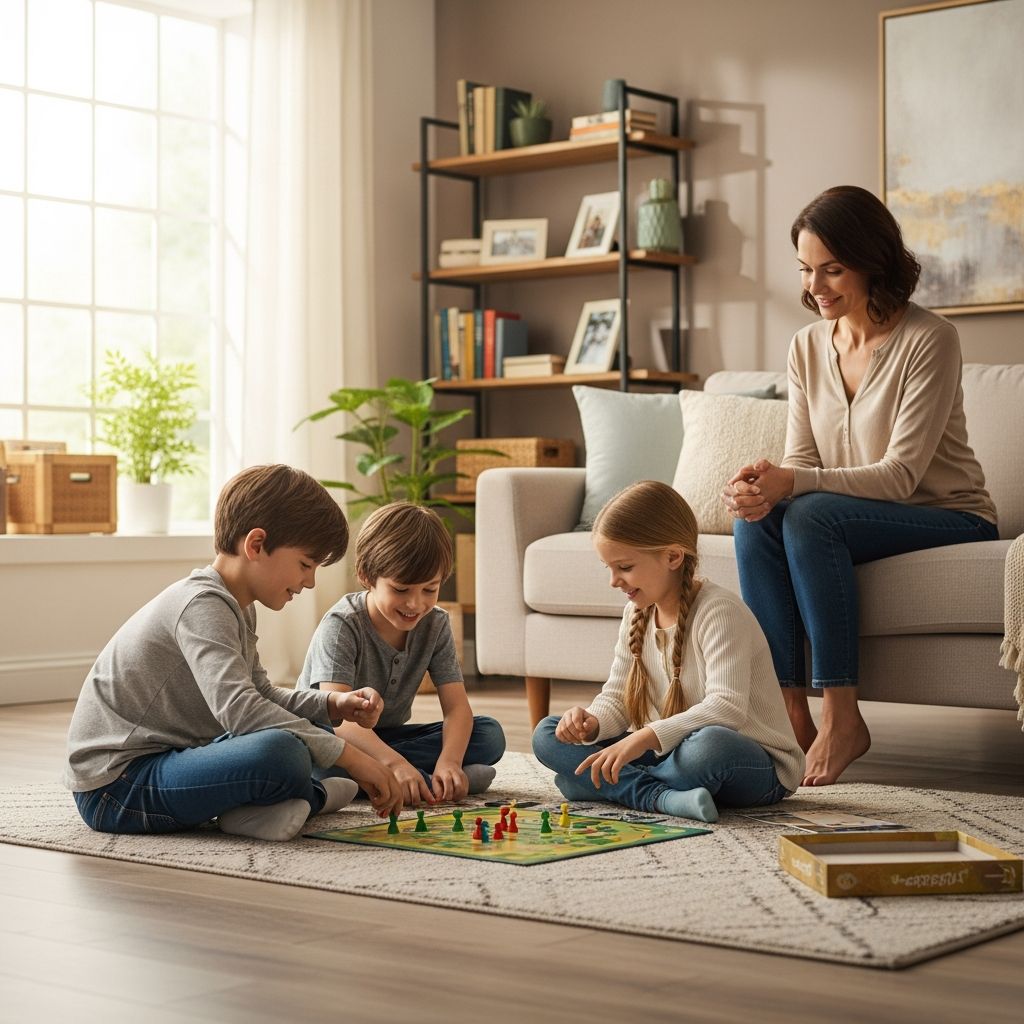
Parental presence during sibling interactions serves multiple functions. It allows you to observe developing conflicts and redirect before escalation, ensures appropriate supervision, and most importantly, sets a positive tone for interaction. When parents engage in activities with children, the likelihood of productive, enjoyable sibling engagement increases significantly.
Choose activities where all children can succeed and participate meaningfully. Avoid situations where one child typically dominates or another feels overwhelmed or outmatched. A video game where one child drastically outpaces others, a sport where age differences create unfair competition, or a task where one child has significantly more ability can breed frustration. Instead, select activities where varied skills are equally valued, or where the focus is on enjoyment rather than performance.
Catching and Reinforcing Positive Behavior
Parents often focus attention on problematic behavior while overlooking positive interactions. Deliberately notice and praise instances of kindness, fairness, emotional control, and cooperation between siblings. Specific praise is most effective—rather than “You were nice to your sister,” try “I really appreciated how you explained your frustration without raising your voice and then listened to his perspective.”
This practice accomplishes two goals simultaneously: it reinforces the behaviors you want to see more of, and it draws children’s attention to the positive aspects of their relationship. Over time, this shift in focus helps siblings develop more positive perceptions of each other and greater tolerance for inevitable disagreements.
Addressing Persistent or Severe Conflict
While most sibling conflicts respond well to the strategies outlined above, some situations require additional consideration or professional support.
| Conflict Characteristic | Appropriate Response |
|---|---|
| Occasional arguments resolved within minutes | Standard conflict resolution strategies; parental coaching |
| Frequent conflicts; difficulty reaching resolution despite mediation | Increase parental supervision and structured activities; consider if underlying issues exist (bullying, jealousy, anxiety) |
| Physical aggression or threats; verbal abuse | Establish clear consequences; may require professional assessment or family therapy |
| One sibling consistently targeted; pattern of victimization | Immediate intervention to protect vulnerable child; assess for bullying dynamics; may require individual and family support |
Monitor whether conflicts follow patterns suggesting deeper issues. Does one child consistently initiate? Do conflicts center on particular topics or trigger situations? Is one child always positioned as victim while another plays aggressor? Identifying patterns helps target interventions more effectively.
Common Issues and Practical Solutions
Certain conflict topics appear repeatedly in families. While each situation is unique, understanding common issues and general approaches helps parents respond more confidently.
- Possession disputes: Establish clear rules about shared versus personal property, implement turn-taking systems, and create neutral storage areas that belong to both children
- Attention-seeking: Ensure each child receives dedicated one-on-one time with parents; recognize that some conflicts emerge when children compete for limited parental attention
- Boundary violations: Help children articulate their need for space or privacy; establish physical boundaries such as separate spaces or agreed-upon knock-before-entering rules
- Jealousy and comparison: Celebrate individual strengths; avoid inadvertent comparisons; acknowledge that feeling left out is valid even when circumstances don’t warrant it
- Tattling versus reporting legitimate concerns: Teach children the difference; encourage problem-solving before approaching parents; create safe channels for reporting genuine safety issues
Long-Term Skills Development
The ultimate goal of managing sibling conflict isn’t eliminating disagreements—an unrealistic objective—but rather equipping children with skills for constructive interaction. These abilities transfer to friendships, romantic relationships, workplace interactions, and countless future situations where collaboration and compromise are necessary.
By consistently implementing mediation approaches, validating emotions, encouraging perspective-taking, and guiding solution-generation, parents teach children that conflicts can be opportunities for understanding rather than threats to relationships. They learn that their concerns matter, that others’ perspectives deserve consideration, and that creative solutions often exist when people approach problems collaboratively.
Frequently Asked Questions
Q: At what age can children begin to resolve conflicts independently?
A: Starting around age four or five, children can begin practicing mediated conflict resolution with parental guidance. The mediation process should be introduced gradually, with parents actively coaching children through the steps. As children mature, parental involvement can decrease as their skills strengthen, though guidance remains helpful through adolescence.
Q: What should parents do when children absolutely refuse to cooperate with mediation?
A: Some sessions will not succeed despite best efforts. Having predetermined consequences or backup mechanisms prevents frustration and maintains the framework. If persistent refusal occurs, assess whether children need additional emotional regulation support, a different timing, or whether other underlying issues require attention.
Q: How can parents remain neutral when they clearly see one child as at fault?
A: Neutrality doesn’t require seeing equal blame; it requires seeing each child’s perspective as valid from their internal viewpoint. Even when one child initiated, the other had some response. Ask yourself: what does each child need to learn? Focusing on skill-building rather than blame assignment helps maintain neutrality while still addressing problematic behavior.
Q: Is it ever appropriate for parents to directly intervene and assign consequences?
A: Yes. If physical safety is threatened, if one child is being bullied, or if children are unable or unwilling to engage in problem-solving despite repeated attempts, direct parental intervention is appropriate. In these cases, address safety immediately, then later conduct a separate discussion about how the situation could have been handled differently.
Q: How long should parents expect before seeing improvement in sibling relationships?
A: Building skills takes time. Most families notice some improvement within a few weeks of consistently implementing these strategies, though meaningful change in overall relationship quality typically takes several months. Consistency matters more than perfection; occasional backsliding is normal and doesn’t indicate failure.
References
- How to Teach Siblings to Resolve Their Own Arguments — Greater Good Science Center, University of California, Berkeley. 2021. https://greatergood.berkeley.edu/article/item/how_to_teach_siblings_to_resolve_their_own_arguments
- Conflict Resolution and Emotional Expression in Sibling — National Center for Biotechnology Information (NCBI). 2022. https://pmc.ncbi.nlm.nih.gov/articles/PMC8796158/
- Conflict Resolution Skills for Siblings (and Everyone Else!) — Sunshine Parenting. 2023. https://sunshine-parenting.com/ep-86-conflict-resolution-skills-for-siblings-and-everyone-else/
- Sibling Conflict Resolution Strategies to Reclaim Peace — Sibling Relationship Lab. 2024. https://www.siblingrelationshiplab.com/sibling-conflict-resolution-strategies/
- Sibling Conflict — Positive Discipline. https://positivediscipline.org/sibling-conflict-article/