Flat irons, curling wands, and blow dryers can create gorgeous styles, but regular high heat slowly weakens hair from the inside out. Over time, hair starts to look dull, frizzy, and brittle, and it may feel like you are stuck choosing between nice hair today or healthy hair later. The good news: while you cannot fully “undo” structural damage to existing strands, you can dramatically improve how your hair looks, feels, and behaves—and protect new growth so it comes in stronger.
What Heat Damage Really Does to Hair
Hair is made mostly of keratin protein, arranged in layers like shingles on a roof. High heat from styling tools removes essential moisture, weakens internal bonds, and lifts the cuticle layer so the surface becomes rough and prone to breakage. Once these bonds are broken, hair cannot regrow from the ends, but you can support the remaining structure and prevent further loss.
- Excessive heat breaks hydrogen and disulfide bonds, which are responsible for hair’s strength, elasticity, and natural pattern.
- Repeated styling without protection can lead to permanent texture changes, such as curls that refuse to spring back or straight hair that looks frayed and lifeless.
Common Signs Your Hair Is Heat-Damaged
Heat damage often creeps up slowly, so it helps to know what to watch for. If you recognize several of these signs, it is time to shift your routine from styling-first to hair-health-first.
- Persistent dryness: Hair feels rough and straw-like, even right after conditioning.
- Lack of movement: Curls lose their bounce, waves fall flat, or straight hair hangs limp and stiff.
- Frizz and flyaways: Frizzy sections appear even in low humidity and do not smooth easily with products.
- Split ends and breakage: Lots of tiny broken pieces around the sink, pillow, or shoulders, plus frayed ends that tangle easily.
- Dull, matte appearance: Light no longer reflects off the surface, and color may look faded or patchy.
Quick Self-Check: Is Your Hair Just Dry or Truly Damaged?
Not all dryness is permanent damage. A simple at-home test can help you understand what is going on so you do not overreact—or ignore a bigger problem.
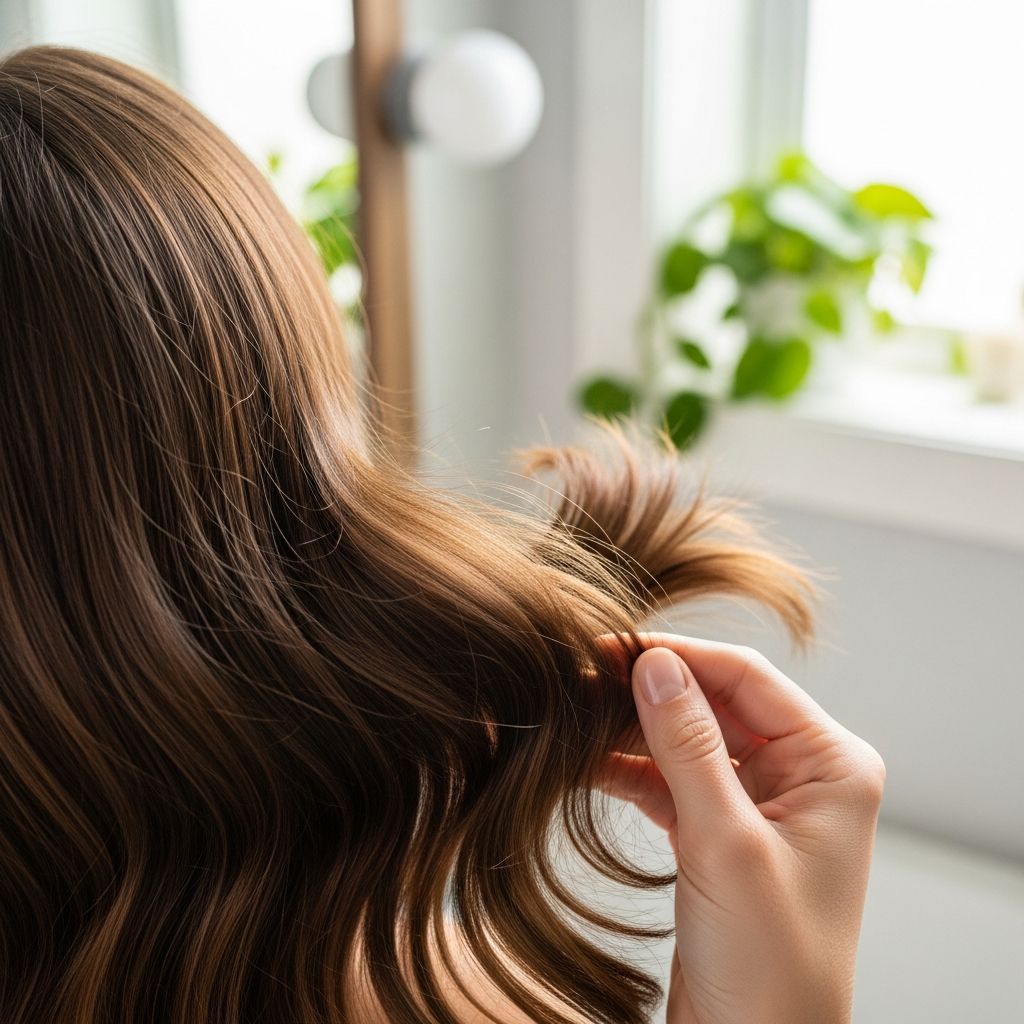
- Stretch test: Take a shed strand, gently stretch it, and see how it behaves.
- If it stretches a little and springs back, it is likely just dry or mildly stressed.
- If it snaps quickly with almost no stretch, or stays stretched out and limp, deeper structural damage is more likely.
A Gentle Reset: First Steps in a Repair Routine
Before buying new products, look at your habits. The way you wash, dry, and style hair every week has more impact than any single mask or serum. Think of this as a reset period where you step back from intense styling and give your hair space to recover.
- Reduce heat styling to the minimum required for work, events, or comfort.
- Lower tool temperatures and limit passes over each section to one slow, controlled glide.
- Switch from daily washing to every 2–3 days if your scalp allows, to preserve natural oils.
Trimming: The Most Honest Fix
No product can fuse a split end back together permanently. Once the end is split, the damage will continue to travel upward over time. A trim is not a punishment; it is a strategic reset that keeps the rest of the length healthier.
| Trim Strategy | Best For | How Often |
|---|---|---|
| Micro-trims (≤ 0.5 inch) | Growing out long hair with mild damage | Every 8–12 weeks |
| Dusting (removing only frayed tips) | Curl patterns you want to keep, minimal length loss | Every 6–8 weeks |
| Stronger chop (1–3 inches) | Severe breakage, mushy or uneven texture | Once, then maintain with smaller trims |
If the idea of losing length is stressful, consider gradual trims: remove a small amount every few weeks while focusing on nourishing treatments between visits.
Moisture vs. Protein: Finding the Right Balance
Heat-damaged hair usually needs both moisture and protein, but not always in equal amounts. Moisture keeps hair flexible and soft, while protein supports structure so strands can handle everyday movement and gentle tension.
- Moisture-focused products often include ingredients like aloe, glycerin, panthenol, and plant oils such as argan, avocado, or coconut.
- Protein-focused products usually list keratin, hydrolyzed wheat or rice protein, silk amino acids, or collagen in the ingredients.
An easy rule: if hair feels brittle and breaks easily when brushed, focus first on moisture. If it feels overly soft, mushy, and refuses to hold a style, reduce heavy moisture and introduce gentle protein treatments.
Building a Weekly Repair Routine
A consistent, realistic schedule matters more than a single dramatic treatment. You can adapt the plan below to your hair type and lifestyle, but try to keep the basic structure for at least a month.
Once a Week: Deep Conditioning Session
- Shampoo gently, focusing on the scalp and letting the lather run through the lengths without heavy scrubbing.
- Apply a deep conditioner or mask from mid-lengths to ends, then detangle with a wide-tooth comb while the product is in your hair.
- Leave it on for the recommended time; more is not always better, especially for protein-rich formulas.
Every Wash Day: Small Protective Habits
- Use lukewarm water rather than hot, which strips the cuticle faster.
- Blot, do not rub, with a soft towel or T-shirt to reduce friction and frizz.
- Apply a leave-in conditioner or lightweight cream before detangling or styling.
Heat Protectant: Non-Negotiable for Styling
If you use hot tools at all, heat protectant should be as automatic as seatbelts in a car. These formulas form a thin film around each strand, helping hair retain moisture and buffer some of the stress from high temperatures.
- Choose a product designed for your hair type: sprays for fine hair, creams or serums for thicker or coily textures.
- Apply evenly on damp or dry hair before any heat, making sure to cover the ends thoroughly.
- Keep tool temperatures as low as possible while still achieving the desired style; for many people, this is well below the maximum settings.
Alternative Styling: Looking Good Without Daily Heat
One of the most powerful ways to recover from heat damage is to cut back on how often you use hot tools. That does not mean giving up polished styles; it simply requires a shift in strategy and timing.
- Heatless curls and waves: Try braids, flexi rods, or foam rollers on slightly damp hair and let it dry overnight.
- Air-dry styling: Use curl creams, gels, or light mousses to define your natural texture as it dries without heat.
- Protective updos: Low buns, braids, or twists keep ends tucked away and reduce friction on clothes and pillows.
Custom Tips by Hair Type
Different textures respond differently to heat, and your repair plan should respect the way your hair naturally behaves. Below are general guidelines; always adjust based on how your own hair reacts over time.
| Hair Type | Typical Heat Damage Signs | Helpful Adjustments |
|---|---|---|
| Straight / Fine | Flat, lifeless, frayed ends, easy breakage | Use lightweight conditioners, protectant sprays, and minimal oil to avoid weighing hair down. |
| Wavy | Frizz, uneven wave pattern, dry mid-lengths | Alternate moisture masks with light protein treatments; try air-dry creams and loose braids. |
| Curly | Loose or stretched curls, rough texture, patchy definition | Prioritize moisture-rich masks, leave-ins, and curl creams; avoid daily heat and heavy brushing. |
| Coily / Kinky | Severe dryness, shrinkage loss, single-strand knots | Use rich butters and oils on ends, protective styling, and very gentle detangling with lots of slip. |
Smart Salon Treatments and When to Use Them
Home care is essential, but professional help can fast-track your progress if the damage is moderate to severe. Not every treatment is right for every head of hair, so ask questions and be clear about your goals before committing.
- Bond-building services: Designed to reinforce internal hair bonds during or after coloring, these can improve strength and reduce breakage.
- Moisture and protein treatments: In-salon masks are often more concentrated than at-home versions and may be paired with gentle heat caps to help penetration.
- Smoothing or keratin-style services: These can make hair appear smoother and shinier, but they are not a cure for extreme damage and may involve chemicals or heat, so they should be chosen carefully.
Daily Habits That Quietly Sabotage Your Hair
Even if you rarely pick up a curling iron, stress from everyday habits can mimic the appearance of heat damage or make it worse. Small adjustments add up over months.
- Aggressive brushing: Ripping through tangles with the wrong brush causes micro-tears and breakage; always start from the ends and work upward.
- Tight hairstyles: High-tension ponytails, braids, or buns can cause breakage at the same point repeatedly.
- Rough pillowcases: Cotton can snag and dry out hair; satin or silk pillowcases reduce friction and help styles last longer.
Sample 7-Day Hair-Friendly Routine
This example plan assumes you wash twice a week and style a few times. Adjust the details to match your schedule, hair texture, and lifestyle.
- Day 1: Gentle shampoo + deep conditioner, leave-in conditioner, air-dry or low-heat blowout with heat protectant.
- Day 2: No wash; refresh roots with dry shampoo if needed, smooth ends with a tiny amount of serum or light oil.
- Day 3: Heatless style such as braids or rollers; avoid additional flat ironing.
- Day 4: Co-wash or gentle shampoo if scalp feels oily, followed by a lighter conditioner and leave-in spray.
- Day 5: Protective style (low bun, twist, or loose braid), focusing on tucking the ends away.
- Day 6: Spot-refresh curls or waves with water and a bit of styling cream, avoiding full re-wetting if possible.
- Day 7: Rest day; minimal manipulation, satin scarf or bonnet at night.
Emotional Side of Growing Out Damage
Hair is deeply tied to identity, so damage can feel more upsetting than a purely cosmetic issue. It is normal to feel frustrated, embarrassed, or impatient when your hair is not cooperating. A kinder mindset towards your hair can make the repair journey more sustainable.
- Focus on progress markers—less frizz, easier detangling, fewer broken hairs—rather than perfection.
- Experiment with new low-heat or no-heat styles so you still feel put-together during the grow-out phase.
- Remember that healthy new growth is constantly emerging; your routine is really an investment in how your hair will look a few months from now.
Frequently Asked Questions About Heat-Damaged Hair
Can heat-damaged hair ever be fully restored?
Existing strands cannot be restored to their original, untouched structure once bonds are broken. However, you can significantly improve their appearance and behavior with trims, conditioning, and gentler styling, while protecting new growth so it comes in stronger and healthier.
How long does it take to see improvement?
Surface improvements such as increased shine and softness can show up within a few weeks of consistent care. Deeper recovery—fewer split ends, better curl pattern, reduced breakage—usually takes several months, depending on your starting point, genetics, and how strictly you limit heat and harsh treatments.
Is air-drying always better than blow-drying?
Air-drying avoids direct heat, but leaving hair wet for many hours can also cause swelling and weakness. For many people, the best compromise is to gently towel-blot, apply products, air-dry partway, and then finish with a blow dryer on low to medium heat and moderate airflow, always using heat protectant.
Should I avoid all protein if my hair feels stiff?
If hair feels stiff and brittle, it may be overloaded with protein or simply very dry. Instead of avoiding protein entirely, scale back to occasional, more diluted treatments and focus primarily on moisture-rich products until your hair regains flexibility and softness.
Are expensive salon products necessary to repair damage?
High-end formulas may offer more concentrated actives or pleasant textures, but repairing habits matter more than price tags. You can build an effective routine using accessible shampoos, conditioners, masks, and protectants, as long as you are consistent, gentle, and mindful with heat.
Moving Forward With Healthier Hair Choices
Heat damage does not mean the end of beautiful hair; it is simply feedback that your current routine is asking too much of your strands. With realistic trims, targeted moisture and protein, smarter styling choices, and a bit of patience, you can gradually shift from brittle, uncooperative hair to softer, shinier, more resilient strands—without abandoning every styling tool in your drawer.