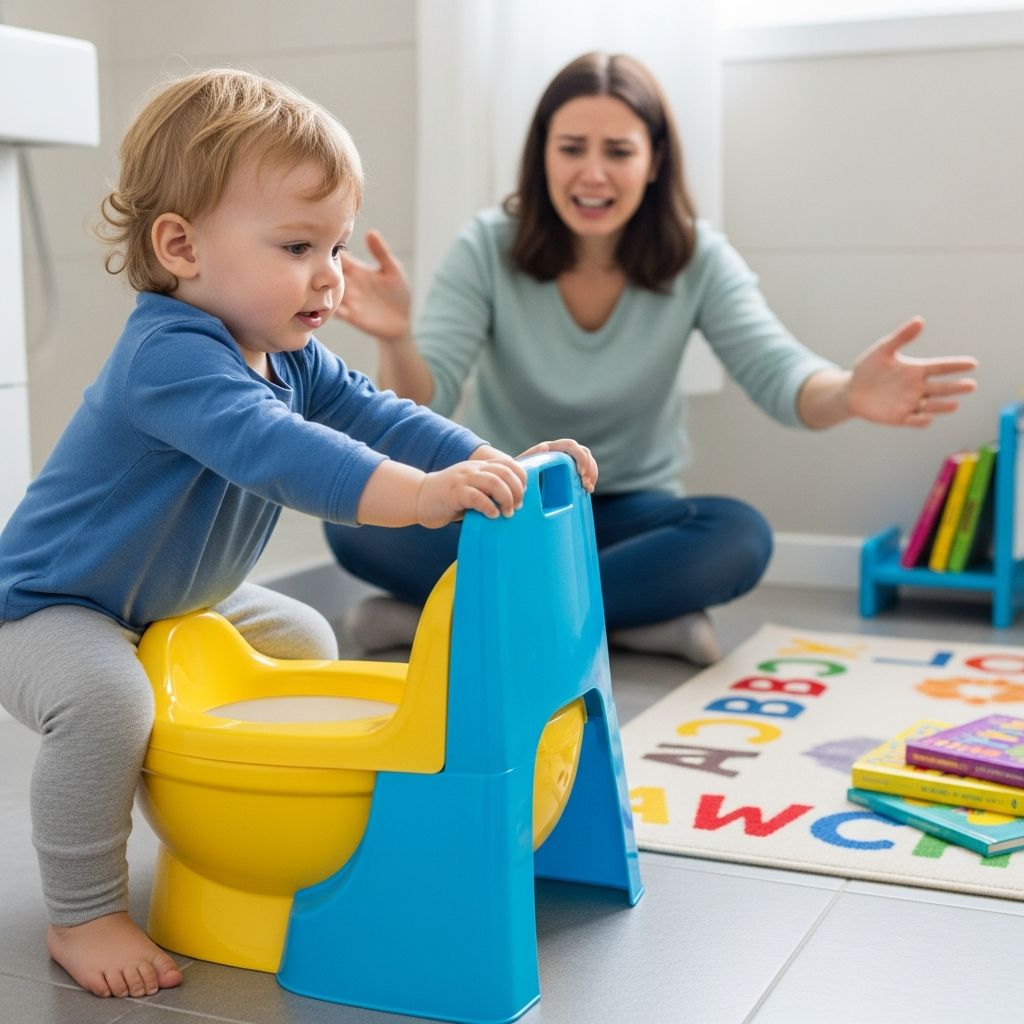
Parenting involves navigating a wide range of emotions, and resentment toward a child’s misbehavior can create lasting tension in the home. Many parents struggle with lingering frustration that affects daily interactions and long-term relationships. This article explores why these feelings arise, their impact on family dynamics, and actionable steps to release them, drawing on proven techniques for emotional regulation and positive discipline.
Understanding the Roots of Resentment in Parenting
Resentment often stems from repeated challenging behaviors that test a parent’s patience and emotional reserves. When children act out, parents may feel personally attacked, leading to a buildup of unresolved anger. This cycle can erode trust and communication if not addressed promptly.
Common triggers include unmet expectations, such as a child ignoring rules or engaging in defiance. For instance, a parent might resent a teenager for constant tardiness, viewing it as disrespect rather than a developmental phase. Recognizing these roots is the first step toward breaking the pattern.
- High-stress environments amplify reactions, making small issues feel overwhelming.
- Past experiences, like the parent’s own upbringing, can influence sensitivity to certain behaviors.
- Fatigue from daily responsibilities lowers tolerance thresholds.
By identifying personal triggers, parents can respond with empathy rather than escalation, preventing resentment from taking hold.
The Hidden Costs of Holding onto Anger
Carrying grudges against children doesn’t just strain immediate interactions; it shapes the family’s emotional climate over time. Children pick up on parental tension, often mirroring it with their own withdrawal or rebellion, creating a vicious cycle.
Long-term effects include diminished self-esteem in kids, who internalize the disapproval, and increased parental guilt, which fuels more resentment. Studies show that chronic parental anger correlates with higher family conflict levels.
| Short-Term Effects | Long-Term Effects |
|---|---|
| Increased arguments and timeouts | Eroded trust and emotional distance |
| Heightened child anxiety | Modeling poor emotional regulation |
| Parental exhaustion | Strained sibling relationships |
Addressing this early promotes resilience in both parents and children, leading to more cohesive family units.
Immediate Techniques to Cool Down Parental Frustration
When anger surges, quick interventions can prevent it from escalating into resentment. Start with physiological calming methods to regain control before responding.
- Deep Breathing Exercises: Inhale for 2 seconds, exhale for 4, repeating until your heart rate stabilizes. This activates the body’s relaxation response.
- Physical Release: Clench and unclench fists or step away briefly to walk or stretch, releasing built-up tension.
- Mental Mantras: Repeat phrases like “This will pass” or “I can handle this” to reframe the moment.
These steps create space between stimulus and reaction, allowing for thoughtful parenting rather than impulsive outbursts.
Reframing Misbehavior to Reduce Personalization
A key shift is viewing a child’s actions as separate from your worth as a parent. Misbehavior often reflects their developmental stage or unmet needs, not deliberate malice.
For example, a young child’s tantrums may signal hunger or overstimulation, while teen rebellion asserts independence. Adjusting expectations—knowing a 9-year-old might fidget during long meals—enables compassionate responses like assigning helpful tasks instead of criticism.
- Examine your core needs: If exhaustion underlies your reaction, prioritize rest to build resilience.
- Focus on essentials: Enforce critical rules while letting minor infractions slide.
- Use perspective-taking: Consider the child’s viewpoint to foster understanding.
This mindset reduces the emotional load, making discipline more effective and less grudge-inducing.
Mastering ‘I’ Statements for Constructive Communication
Effective expression of feelings without blame is crucial for diffusing tension. ‘I’ statements own your emotions while guiding the child toward solutions.
The structure includes three parts: “I feel [emotion] when [specific behavior] because [reason]. [Suggested action].” Examples:
- “I feel frustrated when toys are left out because it creates clutter. Please pick them up now.”
- “I feel disappointed when homework is unfinished because I want you to succeed. Let’s plan a study routine.”
Keep messages brief, present-focused, and paired with clear expectations. This preserves the child’s dignity and invites cooperation.
Creating Family Signal Systems for Tension Prevention
Proactive tools like signal systems alert family members to rising anger, promoting space without escalation. Agree on cues, such as a hand signal or phrase like “Need a break,” allowing everyone to pause.
Implement family meetings to establish these, including rules for safe timeouts. This teaches emotional awareness and mutual respect.
Apologizing Authentically: Modeling Accountability
Perfection isn’t the goal; growth is. When reactions are harsh, a sincere apology repairs bonds and models healthy behavior.
Say: “I’m sorry I raised my voice. I was upset, and next time I’ll take a moment to calm down first.” Follow with discussion to reinforce learning.
Children benefit from seeing parents handle mistakes gracefully, building their emotional toolkit.
Building Long-Term Emotional Resilience
Beyond immediate fixes, cultivate habits like regular exercise, mindfulness, and hobbies to manage underlying stress. Journaling tracks patterns, while therapy addresses deeper issues like past trauma.
Teach children parallel skills: deep breathing, trigger identification, and creative outlets. This dual approach strengthens family emotional health.
Practical Daily Routines to Minimize Resentment Buildup
Incorporate preventive measures into routines:
- Schedule self-care: Short daily breaks recharge patience.
- Positive reinforcement: Praise good behavior to shift focus from negatives.
- Consistent boundaries: Clear rules reduce confusion and defiance.
- Family activities: Shared fun rebuilds connection.
Track progress weekly to celebrate improvements.
Frequently Asked Questions (FAQs)
What if my anger feels uncontrollable?
Seek professional support like cognitive behavioral therapy (CBT) to rewire thought patterns and build coping skills.
How do I teach my child about my feelings without scaring them?
Use age-appropriate ‘I’ statements and reassure them of your love, focusing on behavior not character.
Is it okay to walk away during an argument?
Yes, ensure safety first, then take a brief timeout to calm down—it’s a healthy modeling of self-regulation.
Can resentment affect my child’s development?
Yes, chronic exposure to parental anger can lead to anxiety or poor emotional control; early intervention is key.
How long does it take to see changes?
With consistent practice, many notice improvements in weeks, though building habits takes months.
Transforming Your Home into a Resentment-Free Zone
Releasing grudges requires commitment but yields profound rewards: deeper connections, reduced stress, and resilient kids. Start small—pick one technique today—and watch your family thrive.
References
- Anger Management for Parents: Turn Down the Heat — Center for Parenting Education. Accessed 2026. https://centerforparentingeducation.org/library-of-articles/anger-and-violence/parents-anger-turning-down-the-heat-in-your-home/
- Anger Management and Good Parenting — American Institute of Health Care Professionals. 2023-10-04. https://aihcp.net/2023/10/04/anger-management-and-good-parenting/
- Managing anger: ideas for parents — Raising Children Network. Accessed 2026. https://raisingchildren.net.au/guides/first-1000-days/looking-after-yourself/anger-management-for-parents
- Helping your child with anger issues — NHS. Accessed 2026. https://www.nhs.uk/mental-health/children-and-young-adults/advice-for-parents/help-your-child-with-anger-issues/
- Controlling your anger as a parent — Pregnancy Birth and Baby. Accessed 2026. https://www.pregnancybirthbaby.org.au/controlling-your-anger-as-a-parent
- How to Handle Your Anger at Your Child — Psychology Today. 2016-05. https://www.psychologytoday.com/us/blog/peaceful-parents-happy-kids/201605/how-handle-your-anger-your-child