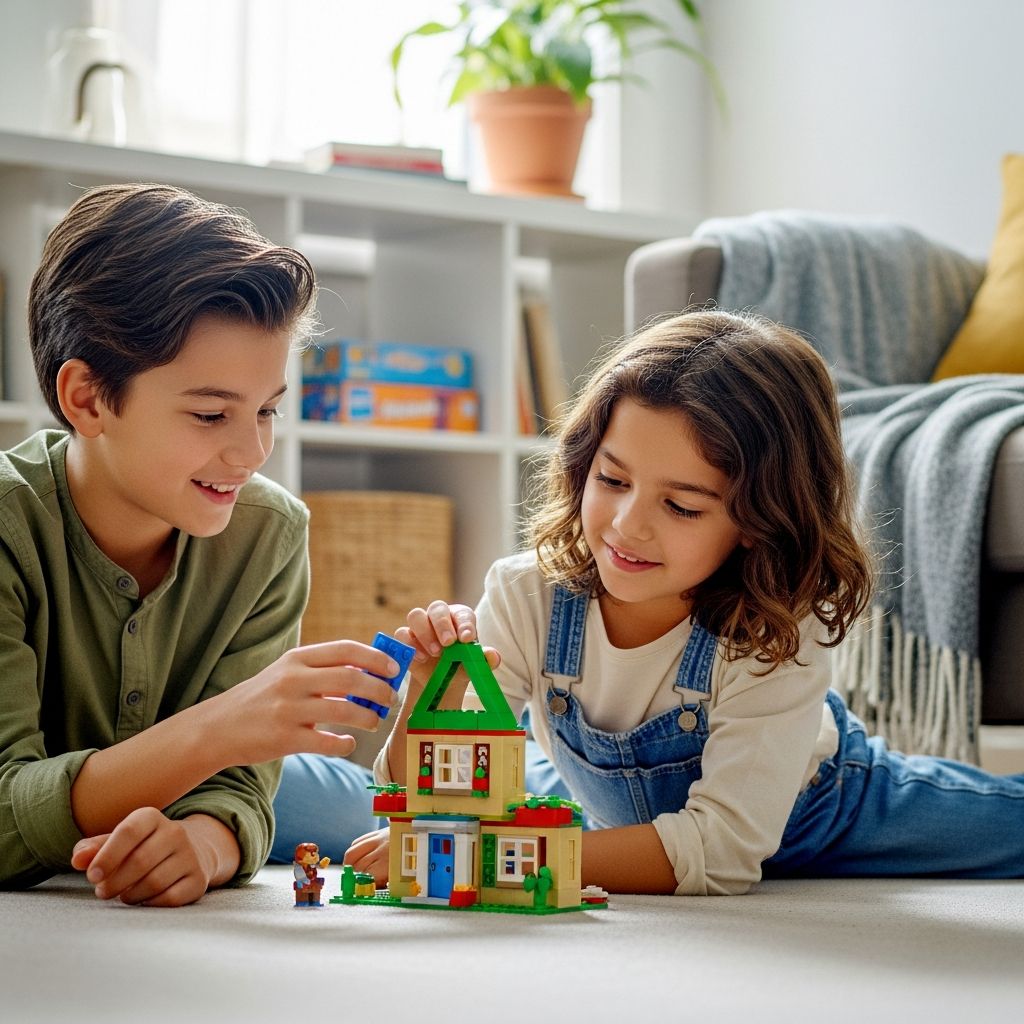
Understanding Sibling Conflict
Sibling conflict is a common experience in most families, often arising from competition for attention, resources, or differences in personality and developmental stages. While occasional disagreements are normal, frequent or intense conflicts can disrupt family harmony and impact children’s emotional well-being. Recognizing the root causes—such as jealousy, unmet needs, or lack of clear boundaries—helps parents respond more effectively and constructively.
Core Principles for Peaceful Parenting
- Model calm and respectful communication during disagreements.
- Avoid comparing siblings or showing favoritism to minimize competition.
- Consistently reinforce routines and expectations to reduce uncertainty and conflict triggers.
- Validate each child’s feelings and experiences, even when they differ from your own perspective.
Practical Strategies for Reducing Conflict
Implementing structured approaches can help families navigate sibling disputes more smoothly. These strategies focus on prevention, intervention, and long-term skill-building.
Establish Family Routines
Consistent daily routines provide children with a sense of security and predictability, reducing anxiety and the likelihood of conflict. Simple routines—such as regular meal times, bedtime rituals, and scheduled play—can help children feel more settled and less prone to outbursts.
Facilitate Problem-Solving Skills
Teach children how to resolve disagreements by guiding them through mediation techniques. Encourage siblings to express their perspectives without interruption, set ground rules for respectful communication, and help them brainstorm solutions together. This approach fosters empathy, compromise, and independence in conflict resolution.
Encourage Quality Time
Children often act out when they feel overlooked or undervalued. Scheduling individual time with each child—whether it’s a short play session or a shared activity—can fill their emotional “cups” and reduce rivalry. Group activities that promote cooperation, such as family games or collaborative projects, also strengthen sibling bonds.
Teach Emotional Regulation
Help children identify and manage their emotions by practicing calming techniques, such as deep breathing or counting to ten. Role-playing scenarios and discussing feelings in a non-judgmental way can equip kids with tools to handle frustration and anger constructively.
Set Clear Boundaries and Consequences
Establishing and consistently enforcing household rules helps children understand what is acceptable and what is not. When rules are clear, children are less likely to argue over ambiguous situations. Use natural consequences when rules are broken, and always explain the reasoning behind them.
When to Step In and When to Step Back
Parents often struggle with knowing when to intervene in sibling disputes. It’s important to step in if there is a risk of physical harm or emotional abuse, but for minor disagreements, allowing children to work things out on their own can build resilience and problem-solving skills.
Intervention Guidelines
- Intervene immediately if safety is at risk.
- Stay calm and neutral when addressing the conflict.
- Listen to each child’s perspective before offering solutions.
- Encourage siblings to find a compromise, but be ready to guide if needed.
When to Let Them Work It Out
- Allow children to resolve minor disagreements independently.
- Observe from a distance to ensure the situation remains safe.
- Step in only if the conflict escalates or becomes harmful.
Building Positive Sibling Relationships
Creating a positive family culture involves more than just managing conflict—it’s about fostering connection, respect, and mutual support among siblings.
Highlight Positive Interactions
Actively notice and praise moments when siblings cooperate, share, or show kindness to one another. Positive reinforcement encourages children to repeat these behaviors and strengthens their bond.
Encourage Teamwork
Involve siblings in activities that require collaboration, such as cooking together, organizing a family event, or working on a creative project. These experiences help children see each other as allies rather than rivals.
Address Underlying Issues
Pay attention to recurring patterns of conflict and consider whether deeper emotional needs or unmet expectations are at play. Sometimes, addressing these underlying issues—such as insecurity or a need for attention—can significantly reduce sibling rivalry.
FAQs About Sibling Conflict
Why do siblings fight so much?
Siblings often fight due to competition for attention, differences in personality, or unmet emotional needs. Conflict can also arise from unclear boundaries or lack of conflict resolution skills.
How can I stop taking sides during sibling arguments?
Stay neutral by listening to each child’s perspective without judgment, validating their feelings, and guiding them toward a solution together. Avoid making assumptions about who is “right” or “wrong.”
What should I do if my children’s fighting is getting physical?
Intervene immediately to ensure safety, separate the children if necessary, and address the behavior calmly and firmly. Teach alternative ways to express anger and reinforce clear consequences for physical aggression.
How can I help my children develop better conflict resolution skills?
Model calm communication, teach emotional regulation techniques, and guide children through mediation exercises. Practice these skills regularly, even when there is no conflict, to build confidence and competence.
Conclusion
Managing sibling conflict is an ongoing process that requires patience, consistency, and empathy. By applying these strategies, parents can transform everyday disagreements into opportunities for growth, connection, and lifelong skills.