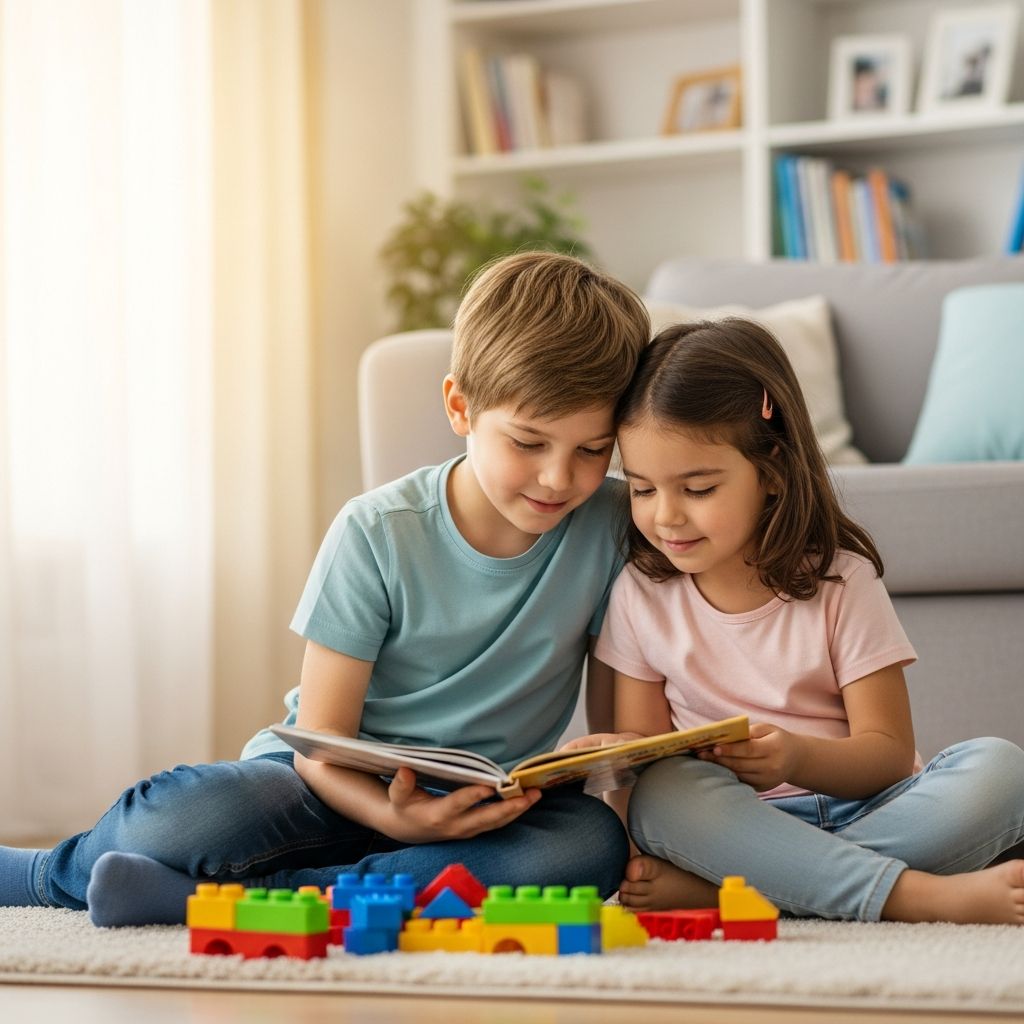
Understanding Sibling Dynamics
Sibling relationships are complex and can be both a source of joy and frustration for families. While occasional disagreements are normal, frequent fighting can disrupt household harmony and affect children’s emotional well-being. Understanding the root causes of sibling conflict—such as competition for attention, differences in personality, and developmental stages—can help parents address issues proactively and foster a more peaceful home environment .
Core Principles for Reducing Sibling Conflict
- Give each child individual attention to reduce competition for parental focus .
- Avoid comparing siblings, as this can breed resentment and rivalry .
- Set clear boundaries and expectations for respectful behavior .
- Encourage positive interactions and celebrate moments of cooperation .
- Teach emotional regulation and communication skills to help children express themselves constructively .
Practical Strategies for Parents
One-on-One Time
Dedicate regular time to connect with each child individually. This helps children feel valued and reduces their need to compete for attention. Even 10–15 minutes a day can make a significant difference in building trust and reducing rivalry .
Neutral Mediation
When conflicts arise, remain calm and neutral. Avoid taking sides or assigning blame. Instead, ask open-ended questions to help children express their feelings and perspectives. This approach encourages empathy and helps children learn to resolve disputes independently .
Teaching Conflict Resolution Skills
Equip children with tools to manage disagreements. Role-play scenarios, practice active listening, and teach them how to compromise. These skills empower children to handle future conflicts with confidence and respect .
Setting Ground Rules
Establish clear rules about physical and emotional safety. Make it clear that hitting, name-calling, and other forms of aggression are not acceptable. Consistently enforce these rules to create a safe and respectful environment .
Encouraging Positive Sibling Interactions
Highlight and praise moments when siblings cooperate or show kindness to each other. Positive reinforcement strengthens their bond and motivates them to repeat these behaviors. Plan activities that encourage teamwork and shared enjoyment, such as family games or collaborative projects .
When to Seek Additional Support
If sibling conflicts persist or escalate, consider seeking professional guidance. Persistent fighting may be a sign of deeper issues, such as unresolved family stress or emotional challenges. Family counseling can provide additional tools and strategies for restoring harmony .
FAQs: Common Questions About Sibling Relationships
How much sibling fighting is normal?
Occasional disagreements are a normal part of growing up. However, frequent or intense fighting may indicate underlying issues that need attention .
Should parents always intervene in sibling fights?
Parents should intervene when safety is at risk or when children cannot resolve the conflict independently. Otherwise, allowing children to work through minor disagreements helps them develop problem-solving skills .
How can I help my children get along better?
Focus on building individual connections, teaching communication skills, and creating opportunities for positive interactions. Consistency and patience are key to fostering lasting harmony .
Summary Table: Key Strategies for Peaceful Sibling Relationships
| Strategy | Benefit | Example |
|---|---|---|
| One-on-One Time | Reduces competition for attention | 15 minutes daily with each child |
| Neutral Mediation | Promotes empathy and independence | Ask open-ended questions during conflicts |
| Teaching Skills | Empowers children to resolve disputes | Role-play conflict scenarios |
| Setting Rules | Ensures safety and respect | Clear “no hitting” policy |
| Positive Reinforcement | Strengthens sibling bonds | Praise cooperation and teamwork |
Final Thoughts
Creating a peaceful home where siblings thrive requires patience, consistency, and intentional effort. By focusing on individual connections, teaching essential skills, and fostering positive interactions, parents can help their children build lasting, supportive relationships. Remember, every family is unique, and progress may take time—but the rewards of a harmonious household are well worth the investment .