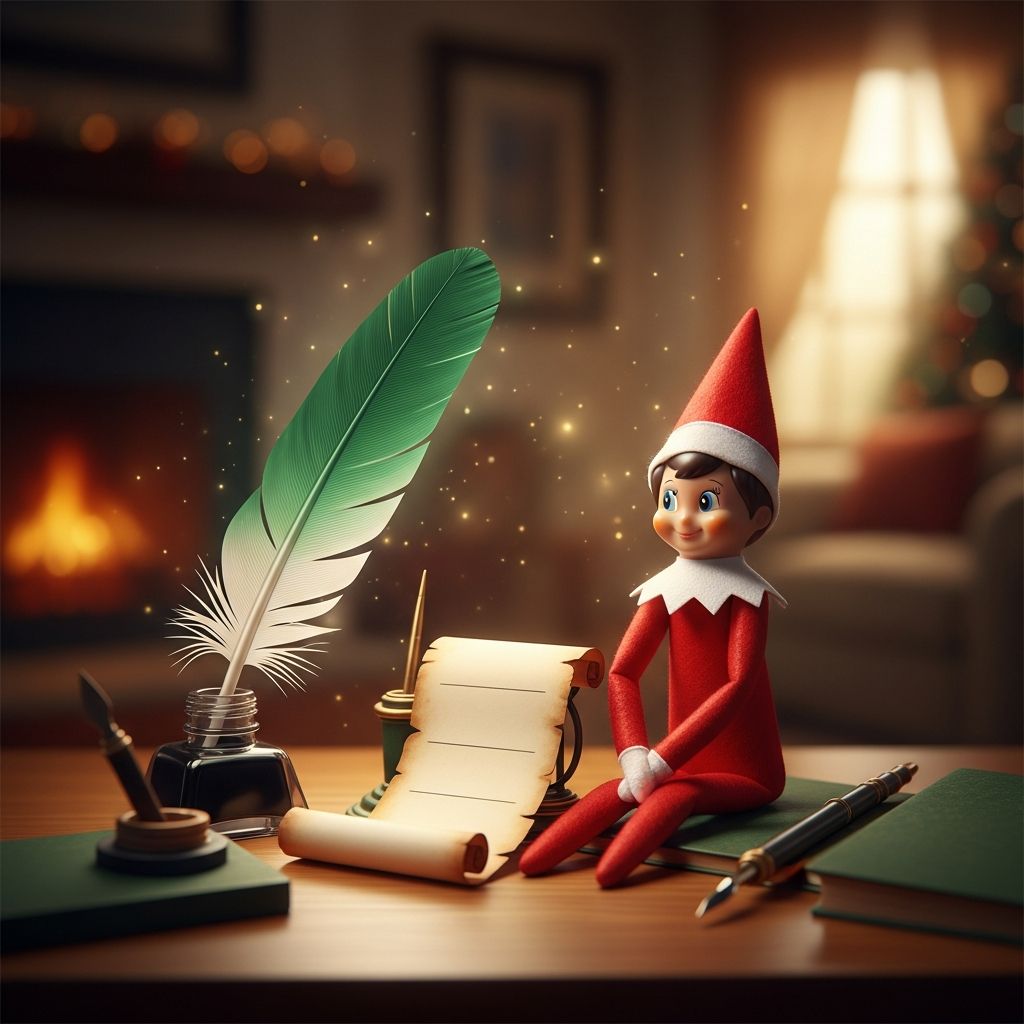
The last night with your Elf on the Shelf can feel bittersweet for kids, but a thoughtful goodbye letter turns that goodbye into a magical moment filled with reassurance and joy. A well-written note helps children remember the fun you shared, feel proud of their good choices, and look forward to your elf’s return next year.
Why a Goodbye Letter Matters
For many families, the Elf on the Shelf becomes a beloved part of the holiday season, and children form an emotional attachment to their tiny visitor. A goodbye letter gives kids closure while keeping the mystery and magic of the North Pole alive. It gently explains why the elf has to leave and reminds children that their special friend will be back when the holidays return.
Beyond the magic, the letter is also an opportunity to affirm your child’s kindness, effort, and growth during the year. When the elf highlights specific positive behaviors, children feel seen, encouraged, and motivated to carry those habits into the months ahead.
Key Elements of a Great Elf Goodbye Letter
Every family is different, but most meaningful Elf on the Shelf goodbye letters include a few common elements. Think of these as building blocks that you can mix and match to create a note that feels personal and unique.
- A warm greeting: Start by addressing your child by name to make the letter feel special and personal.
- A simple explanation: Briefly mention that the elf must return to help Santa at the North Pole after Christmas.
- Memories and highlights: Reference a few fun or silly moments from this season’s elf visits.
- Praise and encouragement: Point out your child’s kindness, bravery, effort in school, or helpfulness at home.
- Reassurance about returning: Remind your child that the elf will be back next holiday season.
- A gentle reminder of values: Encourage your child to keep being kind, honest, and helpful all year long.
- A magical sign-off: Finish with a whimsical goodbye, signed by the elf.
Choosing the Right Tone for Your Family
The tone of your goodbye letter sets the emotional mood for your child’s experience. Some families prefer a silly, joke-filled farewell, while others lean into a softer, more sentimental note. Consider your child’s personality and age as you decide how serious, funny, or emotional the letter should be.
For younger children, a light, playful tone with simple language works best, while older kids may appreciate a mix of humor and deeper encouragement. If you’re unsure, aim for warm and upbeat, with just a touch of heartfelt reflection.
Sample Structure You Can Adapt
You do not need to follow a rigid template, but having a simple structure can make writing less stressful on a busy December night. Use the outline below as a flexible guide and fill it in with your family’s details.
| Section | Purpose | Example of What to Include |
|---|---|---|
| Greeting | Make it personal and friendly. | “Dear Emma,” or “Hey there, Super Liam!” |
| Thank You | Show appreciation for the time together. | Mention that the elf loved staying with your family. |
| Favorite Memories | Recall specific fun or silly moments. | Reference a snowball fight, baking cookies, or a funny hiding spot. |
| Praise | Highlight your child’s good choices. | Notice kindness, chores, school effort, or bravery. |
| Reason for Leaving | Explain the elf’s return to the North Pole. | Say the elf must report back to Santa and help with toys. |
| Looking Ahead | Build anticipation for next year. | Promise to visit again when the holiday season returns. |
| Reminder of Values | Encourage year-round kindness. | Gently remind your child to keep being caring and honest. |
| Closing | End with warmth and magic. | Sign off with a playful phrase and the elf’s name. |
Personalizing Your Elf’s Goodbye Letter
Personal details are what transform a generic note into a keepsake your child will want to save. Think about specific moments and milestones from the season and weave them into your letter so that it could only belong to your family.
- Mention a special outing, like visiting Christmas lights or decorating the tree together.
- Include a reference to a new skill or hobby your child practiced, such as reading a series of books or learning a sport.
- Highlight a challenge your child overcame, such as trying new foods or being brave at the doctor.
- Use nicknames or inside jokes that your family often shares.
Ideas for Different Types of Goodbye Letters
You can customize the style of your Elf on the Shelf goodbye letter to match your child’s interests and your family traditions. Below are several themes you can use as a springboard for your own unique note.
- The silly comedian elf: Fill the letter with puns, playful jokes, and exaggerated stories about life at the North Pole.
- The wise mentor elf: Focus on encouragement, life lessons, and gentle guidance about kindness and responsibility.
- The adventurous explorer elf: Describe exciting imaginary tasks waiting for the elf back at Santa’s workshop.
- The cozy friend elf: Emphasize comfort, warmth, and how much the elf has enjoyed simply “being with” your family.
- The team coach elf: Frame the letter like a pep talk, cheering your child on in school, sports, or personal goals.
Fun Ways to Present the Goodbye Letter
The words in the letter are important, but the way you present it can add extra magic. Children love surprises and visual details, so consider turning the reveal into a little scene or ritual on the elf’s last morning.
- Place the elf near the Christmas tree, holding the letter rolled up like a tiny scroll tied with ribbon.
- Set the letter next to your child’s empty breakfast plate as a surprise after they finish eating.
- Arrange the elf with a pile of tiny, pretend suitcases and position the letter as a “ticket” home.
- Hide the letter in your child’s stocking with a small, inexpensive token like a sticker or bookmark.
Short Example Phrases You Can Borrow
While your letter should be original, it can help to have a few starter phrases to inspire you. Adapt these ideas with your own details and style rather than copying them word for word.
- “This month with you has been packed with giggles, surprises, and more cocoa than you can imagine.”
- “I’ve watched you share, help, and try new things, and I am so proud of how kind your heart is.”
- “Even though I have to fly home, I’m carrying all our memories back to the North Pole with me.”
- “Whenever you choose kindness, it feels to me like a little bit of Christmas magic appears.”
- “I can’t wait to see how much you’ve grown, inside and out, when I visit again.”
Adding Extra Magic: Small Gifts and Keepsakes
Your goodbye letter does not need to include a present, but a tiny token can help soften the sadness of parting. Keep it small and simple so that the focus remains on the message rather than the gift.
- A laminated mini “elf photo” or drawing that your child can keep in their room.
- A simple ornament described as a reminder of this year’s visit.
- A bookmark, sticker sheet, or pencil that “came from Santa’s workshop.”
- A small envelope where your child can write back to the elf before packing it away.
Turning the Goodbye into a Tradition
Repeating a similar farewell ritual each year helps children feel secure and gives them something to anticipate beyond gifts. Over time, your child might even look forward to reading the letter as much as they enjoy the elf’s silly antics.
You could choose to save each year’s goodbye letter in a special envelope or binder. When children are older, looking back over their stack of letters becomes a heartwarming record of their growth and your family’s holiday memories.
Age-Appropriate Variations
Different ages process the elf’s goodbye in different ways, so it helps to tailor your language and themes. Younger children may need more reassurance and simple explanations, while older kids might appreciate humor and deeper reflections.
- Toddlers and preschoolers: Keep sentences short and gentle, focusing on love, safety, and the promise of return.
- Early elementary kids: Mix fun details about the North Pole with praise for specific behaviors.
- Older children: Sprinkle in jokes, shared memories, and more mature encouragement about goals and responsibilities.
Common Mistakes to Avoid
Most parents write goodbye letters late at night when they are tired, so it helps to be aware of a few pitfalls. Avoiding these common mistakes will keep the experience magical rather than confusing or stressful for your child.
- Being too scary or stern: Keep the tone kind. The letter should encourage better behavior without threats.
- Overexplaining the magic: Children do not need a detailed, logical explanation of how everything works.
- Making big promises you can’t keep: Stay realistic about what the elf or “Santa” will do in future years.
- Forgetting to date or label it: Consider adding the year so you can look back later.
Quick Checklist Before You Set Out the Letter
Use this simple checklist to make sure your goodbye letter is ready to become part of your morning magic.
- Have you mentioned your child’s name at least once?
- Did you include at least one specific memory from this holiday season?
- Does the letter praise your child for something genuine and meaningful?
- Is the reason for the elf’s departure clear but gentle?
- Did you add a hopeful note about next year?
- Is the handwriting legible and “elf-sized,” whether handwritten or printed in a fun font?
FAQs about Elf on the Shelf Goodbye Letters
When should the elf leave the goodbye letter?
Most families choose to have the elf leave on Christmas Eve or early Christmas morning, but you can adjust the timing to fit your schedule and traditions. Some parents prefer a day or two earlier if holiday travel or busy plans make the final morning hectic. Choose a time when your child can actually sit down and enjoy the letter rather than rushing through it.
How long should the goodbye letter be?
A paragraph or two is usually enough for younger children, while older kids might enjoy a slightly longer note with more details and humor. Focus on quality rather than length; a short, heartfelt message packed with personal references is more meaningful than a long, generic letter. If you feel pressured, remember that simple and sincere always works.
Should the letter focus on behavior and “reports” to Santa?
Behavior can be part of the message, but it does not need to be the main theme. Instead of using the letter to lecture, frame any behavioral feedback as gentle encouragement and recognition of progress. Emphasize growth, effort, and kindness rather than perfection or punishment.
What if my child feels very sad when the elf leaves?
Sadness is a normal reaction to the end of something fun, and the goodbye letter can help your child process those feelings. Use the note to validate their emotions by acknowledging how special the time together was, while also reassuring them that the elf will return. You might also create a small ritual, such as giving the elf a “hug goodbye” by touching the letter rather than the elf itself.
Can the elf write back to a child’s response letter?
Many children enjoy writing their own goodbye letters or drawing pictures for the elf. You can choose whether the elf responds one last time or simply “takes” the child’s note back to the North Pole as a keepsake. Either option can be magical; do what feels sustainable and fun for your family rather than taking on more holiday stress.
Making Your Goodbye Letter Truly Yours
There is no single correct way to write an Elf on the Shelf goodbye letter. The most meaningful notes come from paying attention to your child’s world, celebrating what makes them unique, and expressing your love and belief in them through the elf’s voice. Whether your letter is silly, sentimental, or somewhere in between, the time and care you put into it will shine through.
By turning your elf’s farewell into a tradition filled with warmth and imagination, you give your child a comforting way to say goodbye to the holiday season—and a hopeful reminder that the magic will return again next year.