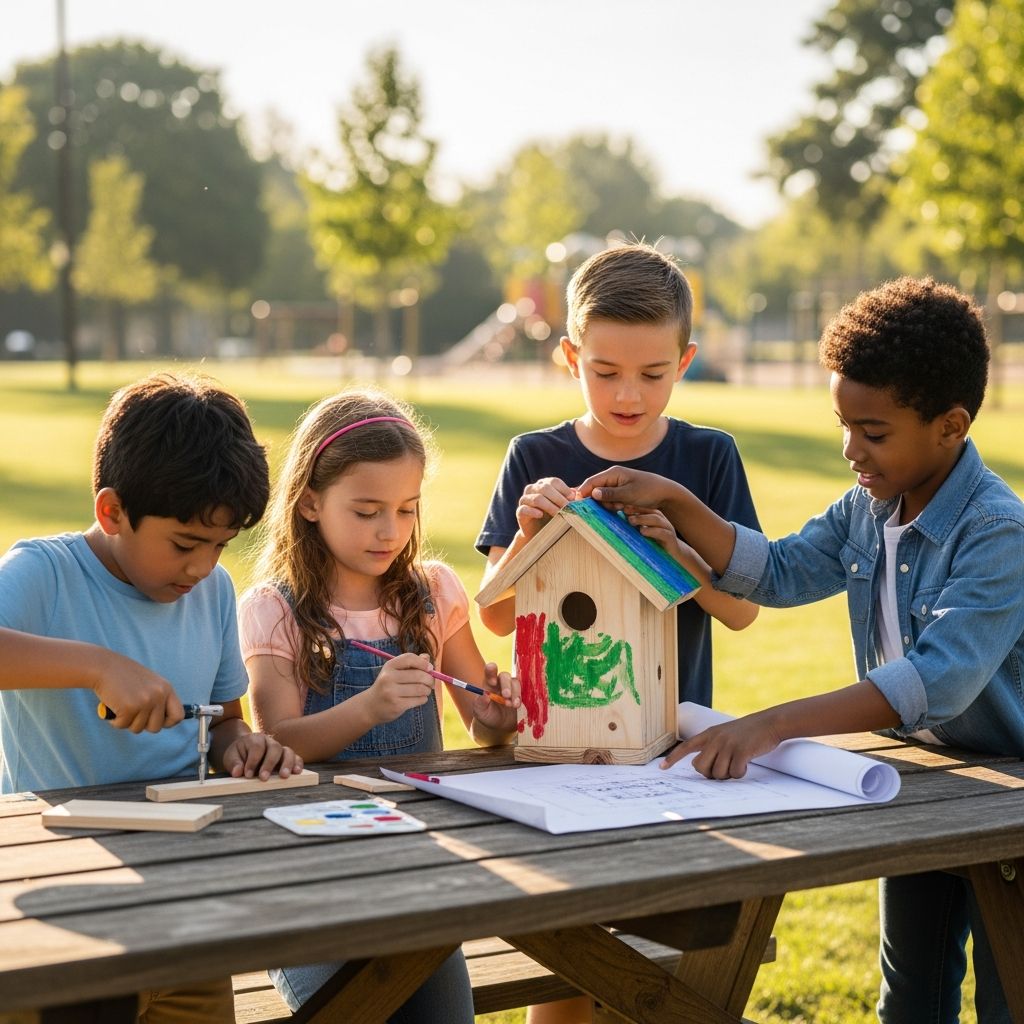
Instilling a sense of purpose in children goes beyond routine discipline or academic success; it shapes resilient, motivated individuals who thrive throughout life. Purpose acts as an internal compass, guiding decisions and fostering fulfillment. Research links it to improved health, happiness, and longevity, making it a cornerstone of effective parenting.
Understanding Purpose in Child Development
Purpose emerges when children grasp how their actions matter, shifting their identity from passive learners to active contributors. This psychological shift boosts motivation, confidence, and deeper learning. Children who feel helpful experience skyrocketing self-esteem and a clearer life direction.
In today’s fast-paced world, purpose provides resilience against setbacks. Kids with defined values and passions make healthier choices, build stronger relationships, and pursue meaningful goals with focus. Unlike fleeting interests, purpose anchors them amid distractions like social media or peer pressure.
The Power of Parental Modeling
Children mirror what they observe more than what they hear. To raise purposeful kids, parents must embody purpose first. Engage in activities that ignite your passion—volunteering, creative hobbies, or career pursuits—and share these openly with your children.
- Discuss your values during family dinners: Explain why a cause excites you and its real-world impact.
- Let kids witness your dedication: Show the effort behind meaningful work, normalizing persistence.
- Avoid hypocrisy: If purpose is preached but not practiced, children tune out.
A 2022 study in Frontiers in Psychology confirms that modeling behavior, combined with guided experiences, teaches purpose effectively—far better than lectures. This ‘generational growth’ counters inherited doubts, passing forward vitality instead.
Embracing Unstructured Play for Discovery
Overscheduling stifles the very exploration purpose requires. Unstructured time allows ‘flow states’—those immersive moments where kids lose track of time in play, tinkering, or problem-solving. This self-directed joy lays the foundation for lifelong passions.
From imaginative games like building forts to solo art sessions, free play sparks creativity. It teaches experimentation without judgment, revealing innate strengths. Parents should protect this space amid packed calendars.
| Scheduled Activities | Unstructured Play |
|---|---|
| Structured lessons, sports teams | Free backyard exploration |
| Teacher-led goals | Child-initiated projects |
| Rewards for completion | Intrinsic joy from process |
Contrast reveals why play trumps rigidity: It nurtures autonomy, essential for purpose.
Building Purpose Through Service
Helping others ignites purpose by demonstrating impact. Start small: Neighborhood cleanups, aiding elderly neighbors, or school fundraisers. These build empathy and self-worth as children see their influence.
- Age-appropriate tasks: Toddlers sort donations; teens lead initiatives.
- Reflect post-activity: Ask, ‘How did that make you feel? What changed?’
- Connect to bigger pictures: Link efforts to community or global needs.
Service fosters resilience and a ‘maker’ mindset, where kids view themselves as change agents.
Avoiding Common Pitfalls in Purpose-Building
Well-intentioned tactics often backfire. Rewards for ‘purposeful’ activities undermine intrinsic drive, as shown in a 1973 study where incentivized drawing lost appeal post-reward. Extrinsic motivators create dependency, not passion.
Pushing parental dreams suppresses authentic discovery. Let children veer from your path; decades of mismatched pursuits breed regret. Social media amplifies this by showcasing curated ‘purposes,’ pressuring kids unrealistically.
Cultivating a Growth Mindset
Purpose thrives on believing abilities develop through effort. Praise process over talent: ‘Your practice improved that drawing!’ This encourages risk-taking and perseverance.
Parenting with courage means stepping back—letting kids solve problems without fixes. This builds confidence and respect, key to purposeful living.
Practical Daily Strategies
- Set screen limits: Curate a curiosity-friendly home; reduce comparison traps.
- Family purpose rituals: Weekly service outings or passion-sharing nights.
- Journal together: Track interests and ‘flow’ moments to spot patterns.
- Seek diverse exposures: Museums, nature hikes, or skill workshops without pressure.
These habits create fertile ground for purpose to grow organically.
Long-Term Benefits of Purposeful Upbringing
Purposeful kids excel academically, socially, and emotionally. They navigate challenges with optimism, pursue fulfilling careers, and contribute meaningfully. Parents gain too: Witnessing growth reinforces their own purpose.
Studies affirm purpose correlates with longevity and well-being, extending benefits across generations.
Frequently Asked Questions (FAQs)
What age should I start fostering purpose?
From infancy through unstructured play and modeling; it’s never too early or late.
How do I know if my child has purpose?
Signs include sustained interests, helping others voluntarily, and resilience in setbacks.
What if my child resists service activities?
Start tiny and tie to their interests; reflection post-activity builds buy-in.
Does purpose guarantee success?
No, but it equips kids for fulfillment beyond metrics like grades or jobs.
How much unstructured time is ideal?
Aim for 1-2 hours daily; balance with rest and family time.
Overcoming Modern Challenges
Digital distractions erode focus, but purposeful homes prioritize real connections. Counter with device-free zones and outdoor mandates. Economic pressures tempt overscheduling for ‘resumes,’ yet play proves more predictive of innovation.
For diverse families, adapt: Urban parents leverage community centers; rural ones nature. Cultural values shape purpose—honor them while encouraging individuality.
Your Role as a Purposeful Parent
Parenting intentionally means aligning actions with long-term vision. Reflect: What legacy of purpose do you model? Tools like family missions or purpose journals amplify impact.
Holistic approaches blend emotional support, physical health, and spiritual grounding for confident kids.
References
- The Secret to Raising Kids Who Create Purpose — Psychology Today. 2025-09. https://www.psychologytoday.com/us/blog/the-regret-free-life/202509/the-secret-to-raising-kids-who-create-purpose
- How to Raise Kids Who Make a Difference and Succeed in Life? — Love and Logic. 2023-01-15. https://www.loveandlogic.com/blogs/our-blog/raising-kids-who-make-a-difference
- The Psychology of Purpose: Why Kids Thrive When They Feel Helpful — Little Medical School Treasure Coast. 2024-05-20. https://littlemedicalschool.com/treasurecoast/psychology-of-purpose-why-kids-thrive-when-they-feel-helpful/
- Why And How To Parent With Purpose — Beyond Committed. 2022-11-10. https://beyondcommitted.com/parent-with-purpose/
- Parenting with Purpose: Growing Courageous Kids — San Diego Family. 2024-03-05. https://www.sandiegofamily.com/parenting/parenting-with-purpose-growing-courageous-kids