Kindness is not a personality trait some children are magically born with. It is a skill, a habit, and a family value that grows when adults make consistent, thoughtful choices in everyday moments.
Why Kindness Matters More Than Ever
Children today grow up in a fast, distracted world where it is easy to focus on achievement and overlook connection. Yet the ability to treat others with care, respect, and empathy is one of the strongest predictors of lifelong happiness and healthy relationships.
Kindness benefits both sides: the child who offers it and the person who receives it. Kids who regularly practice kindness tend to build stronger friendships, feel more capable in social situations, and recover more quickly from setbacks because they are woven into a supportive network of people who care.
- Kindness strengthens emotional resilience and stress management.
- It supports better peer relationships and reduces bullying behaviors.
- It shapes a child’s identity as someone who helps, not harms.
Defining Kindness in a Family-Friendly Way
Before parents can nurture kindness, it helps to define it in simple, concrete terms that even young children can grasp. Kindness is more than being “nice” or polite; it means noticing other people’s needs and responding in ways that are respectful and helpful.
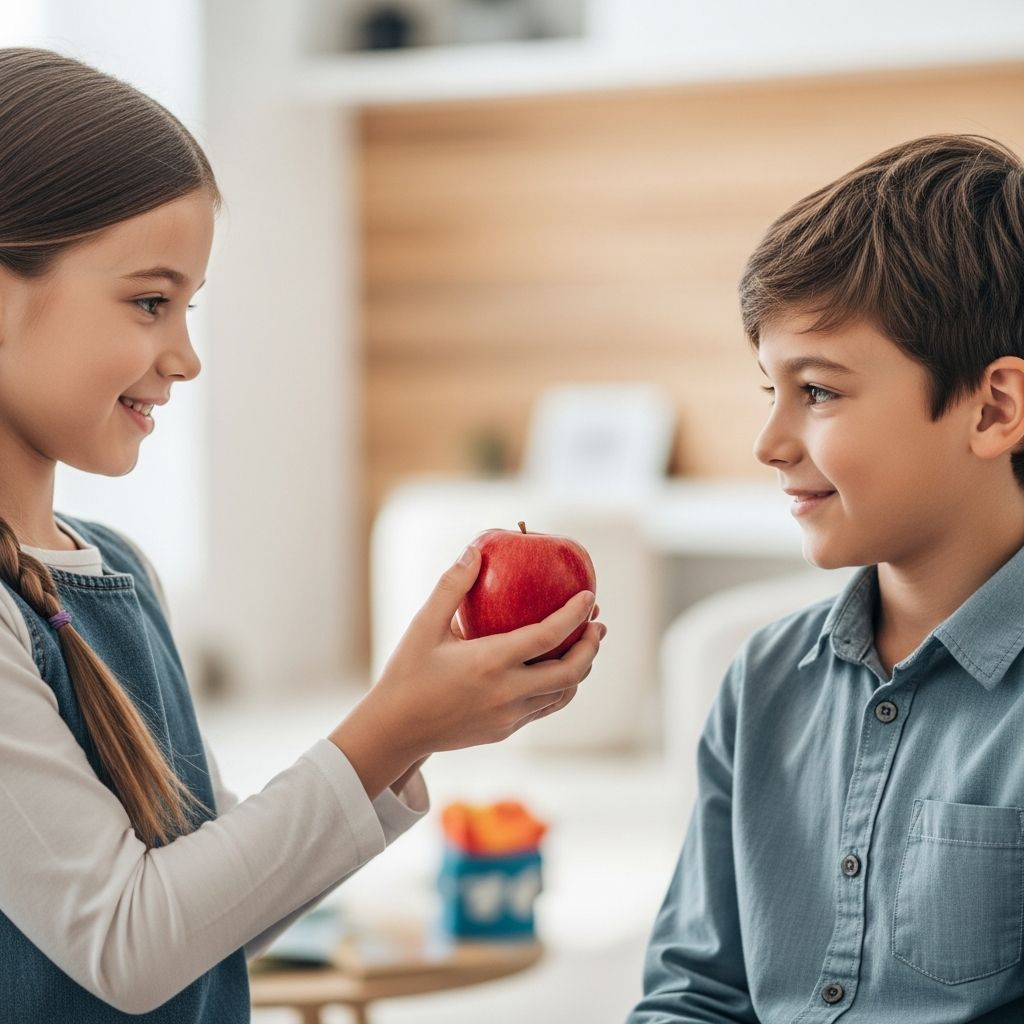
In family life, kindness shows up in small, everyday choices: the sibling who shares the last piece of cake, the child who holds the door for a grandparent, or the parent who responds calmly when everyone is tired and cranky.
- Thoughts: “How might this person feel?” and “What would help right now?”
- Words: Honest, respectful language that avoids humiliation or cruelty.
- Actions: Practical help, comforting gestures, and inclusive behavior.
The Parent’s Role: Kindness Starts With You
Children learn far more from what adults do than from what they say. A parent who preaches kindness but responds with sarcasm, ridicule, or explosive anger sends a confusing message that weakens the lesson. The most powerful way to teach kindness is to model it consistently, especially under pressure.
This does not mean pretending to be calm or perfect. It means owning mistakes, repairing when you have been harsh, and treating your child as a whole person whose feelings matter—even when you must still enforce a firm limit.
Everyday Modeling Examples
- Speaking respectfully to service workers, even when there is a problem.
- Apologizing to your child if you snapped and explaining what you will try next time.
- Showing patience with an elderly relative, neighbor, or pet.
- Thanking your child for their effort, not just outcomes like grades or trophies.
Balancing Kindness and Boundaries
Kindness in parenting is not about letting children do whatever they want. In fact, clear boundaries are an essential act of love because they keep kids safe and teach them how the world works. The difference is in how those limits are communicated and enforced.
A kind approach to discipline combines firmness with respect. Parents stay in charge, but they aim to preserve the child’s dignity, avoid shame-based tactics, and use misbehavior as a teaching moment rather than a chance to “win.”
| Unkind Response | Kind, Firm Alternative |
|---|---|
| “What is wrong with you? You always make a mess.” | “Spills happen. Let’s grab a towel. Next time, carry one cup at a time.” |
| “Stop crying. It’s not a big deal.” | “You look really upset. Take a breath, then tell me what happened.” |
| “If you don’t share, nobody will like you.” | “That toy is special to you. How can we include your friend in another way?” |
Building a Kindness Culture at Home
Kindness flourishes when it becomes part of a shared family identity. Instead of relying on occasional lectures, parents can weave kindness into routines, stories, and traditions so that it feels natural and expected rather than forced.
When children see kindness praised, talked about, and practiced regularly, they begin to recognize themselves as “someone who helps.” That sense of identity is far more motivating than a rule that says “be nice.”
Simple Rituals to Try
- Kindness round at dinner: Each person names one kind act they did or noticed that day.
- Weekly family helper: Rotate a role where one child chooses a small kindness project for the week, such as writing a thank-you note or making a snack for a neighbor.
- Gratitude jar: Keep slips of paper where family members can record kind actions they experience and read them together once a week.
Teaching Empathy in Everyday Moments
Empathy is the engine that powers genuine kindness. It is the ability to tune into someone else’s experience, imagine how they might feel, and respond in a caring way. Children are naturally capable of empathy, but they need guidance and language to develop it fully.
Parents can use ordinary conflicts—like toy disputes, hurt feelings at school, or sibling clashes—as chances to help kids practice perspective-taking rather than simply handing down a verdict.
Practical Empathy Coaching
- Ask curiosity questions: “What do you think your friend felt when that happened?”
- Label emotions: “It sounds like you felt embarrassed when they laughed.”
- Brainstorm responses: “If that were you, what would help you feel better?”
- Highlight impact: “Did you notice her face relax when you offered to play with her?”
Discipline That Teaches, Not Shames
Discipline rooted in fear or humiliation may stop unwanted behavior in the moment, but it often damages trust and pushes feelings underground. A kindness-centered approach aims to protect the relationship while still holding clear expectations.
Instead of focusing on punishment, parents can focus on three steps: connection, reflection, and repair. This sequence helps children learn to manage big feelings, understand the effect of their actions, and make things right.
The Connection–Reflection–Repair Sequence
- Connect: Help the child calm their body and feel safe enough to talk. A few deep breaths, a gentle hand on the shoulder, or sitting on the floor together can help.
- Reflect: Ask what happened and listen without jumping in. Then guide the child to see how their choices affected others.
- Repair: Support the child in making amends: an apology, a do-over, or a helpful action.
Handling Your Own Hard Moments With Kindness
One of the biggest obstacles to parenting with kindness is not a child’s behavior but the adult’s level of stress and exhaustion. When parents are overwhelmed, it becomes tempting to default to yelling, threats, or sarcasm, even if these do not align with their values.
Building self-kindness into your routine is not selfish; it is foundational. A parent who has a few tools for calming down and getting support is far more able to respond thoughtfully instead of reacting impulsively.
Parent Self-Kindness Strategies
- Pause before responding during conflict and take three slow breaths.
- Use brief, honest phrases with yourself: “This is hard, and I am learning too.”
- Schedule small recharging breaks: a short walk, quiet reading, or stretching.
- Reach out to another adult for perspective rather than bottling everything up.
Nurturing Sibling Kindness (Without Forcing Friendship)
Sibling relationships are a training ground for lifelong social skills. They offer daily practice in sharing, negotiating, and recovering from conflict. Expecting siblings to always get along sets everyone up for disappointment, but parents can guide them toward respectful disagreement and repair.
The goal is not to eliminate conflict but to help children handle it in ways that are safe and constructive. This includes setting non-negotiable rules about physical safety and name-calling while coaching kids to express frustration in more skillful ways.
House Rules That Support Kindness
- “We do not use our bodies to hurt.”
- “We talk about the problem; we do not attack the person.”
- “If things get too heated, everyone takes a short break to cool off.”
- “When someone is hurt, we check on them and see what they need.”
Bringing Kindness Into School and Community Life
Children do not leave their values at the front door when they head to school or activities. A home culture that centers on kindness naturally spills into classrooms, playgrounds, and digital spaces. Parents can help children notice real opportunities to practice kindness in these wider settings.
When kids share stories about their day, gentle questions can encourage reflection: Who seemed lonely? Who helped you? How did you respond when you saw something unfair? These questions invite children to see themselves as active participants rather than passive bystanders.
Simple Kindness Ideas Outside the Home
- Sitting with a new student at lunch or inviting them into a game.
- Thanking teachers, bus drivers, and coaches with notes or small drawings.
- Helping a younger child understand rules on the playground instead of laughing at mistakes.
- Participating in family volunteer projects that match your child’s interests.
Encouraging Kindness in the Digital World
As children grow, more of their social life unfolds on screens. This environment can amplify both cruelty and compassion. Parents who want to raise kind kids must address digital communication directly rather than hoping children will simply “figure it out.”
Kindness online means remembering that there is a real person on the other side of the screen. It involves slowing down before posting, choosing not to join in when someone is being mocked, and speaking up or seeking help when digital behavior crosses the line into harm.
Digital Kindness Guidelines
- “If you would be ashamed for a trusted adult to read it, do not send it.”
- “Do not forward embarrassing photos or messages, even if everyone else is doing it.”
- “Ask before posting pictures of friends or family members.”
- “Tell an adult if you see threats, harassment, or repeated cruelty online.”
Frequently Asked Questions About Raising Kind Kids
1. Will being kind make my child a pushover?
Kindness is not the same as compliance. A kind child can still have strong boundaries, say no, and stand up for themselves and others. Parents can teach that kindness includes self-respect: it is possible to disagree firmly without demeaning the other person.
2. What if my child seems naturally more intense or hot-tempered?
Temperament plays a role in how children express their feelings, but all kids can learn kinder ways to respond. For intense children, it is especially important to teach body-based calming strategies—deep breathing, movement breaks, and cool-down spots—so their brain can engage in problem-solving instead of staying stuck in fight-or-flight mode.
3. How do I encourage kindness without constant praise or rewards?
External rewards can sometimes backfire by making kids behave kindly only when they expect a prize. Instead, offer specific, low-key acknowledgments that draw attention to the internal impact: “Did you notice how your friend smiled when you helped?” This helps children associate kindness with feelings of connection and competence, not just approval.
4. What if I have not always parented with kindness?
No family practices this perfectly, and many adults grew up with models of parenting that relied on fear or harshness. Change can start with a single conversation: explain to your child that you are learning new ways to handle hard moments and invite them to grow with you. Children are often remarkably forgiving when adults sincerely take responsibility and show effort over time.
5. How early should I start teaching kindness?
It is never too early to begin. Even toddlers can practice simple acts: handing a toy to a crying sibling, gently patting a pet, or helping carry a small object. The goal at this age is not perfect behavior but repeated exposure to the idea that their actions can help or hurt—and that helping feels good.
Closing Thoughts: Progress, Not Perfection
Raising kind kids is not a one-time project but an ongoing conversation that stretches across years of family life. Some days will be full of warmth and cooperation; others will be noisy, messy, and discouraging. What matters most is not whether every interaction goes smoothly but whether parents keep circling back to connection, repair, and shared values.
When children grow up in a home where kindness is practiced, discussed, and extended even after mistakes, they carry that experience into every new environment they enter. In that way, the everyday choices adults make in kitchens, cars, and bedtime routines can ripple far beyond the walls of one household.