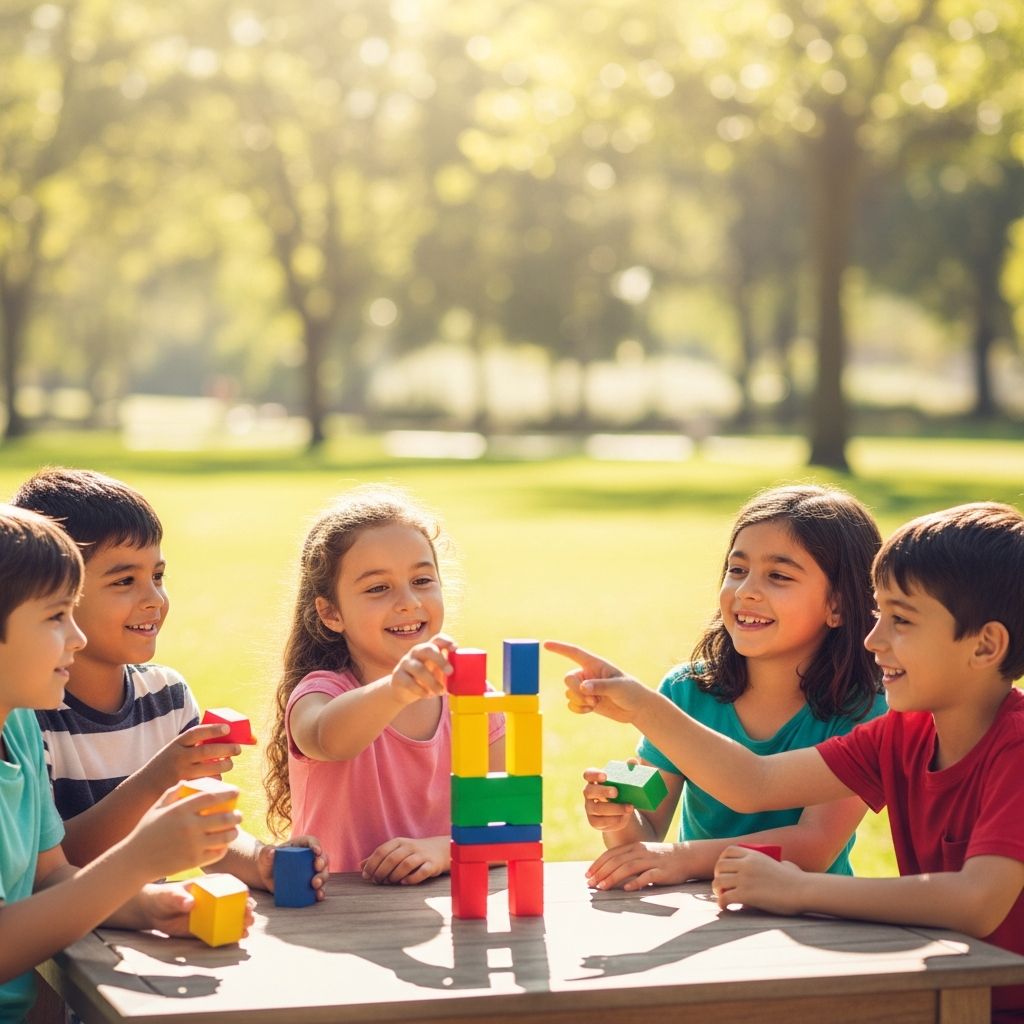
Emotional strength forms the foundation for children to navigate life’s inevitable challenges with confidence and adaptability. By guiding kids to recognize, accept, and process their feelings, parents can equip them with skills that promote long-term well-being and success.
Understanding the Roots of Resilience
Resilience is not an innate trait but a set of learned behaviors that enable children to recover from setbacks. Research shows that children who view failures as opportunities for growth rather than reflections of fixed ability are more motivated to persist. This growth mindset, as identified in studies on child development, encourages effort over talent, fostering perseverance in academic and personal pursuits.
Emotional health involves embracing the entire spectrum of feelings, from joy to sorrow. Parents often instinctively shield children from discomfort, but allowing them to experience and sit with emotions builds inner fortitude, much like a tree strengthened by wind. High-quality relationships and consistent environments further support this development, as outlined in early learning frameworks.
Key Principles for Fostering Emotional Awareness
To cultivate resilience, start by normalizing all emotions. Teach children that feelings like anger or anxiety are valid signals, not weaknesses. This emotional literacy empowers them to name sensations accurately, reducing overwhelm and promoting control.
- Name the emotion: Use phrases like “You seem frustrated” to help kids identify and articulate inner states.
- Validate without fixing: Acknowledge feelings with empathy before offering solutions, reinforcing that it’s safe to feel deeply.
- Encourage expression: Provide outlets like drawing or talking to process emotions constructively.
These steps shift children from reactive outbursts to thoughtful responses, laying groundwork for emotional intelligence.
Practical Tools for Daily Emotional Regulation
Incorporate simple, evidence-based techniques into routines to help children manage intense feelings. Deep breathing exercises, for instance, activate the body’s relaxation response, calming the nervous system during stress.
| Technique | Description | Age Suitability | Benefits |
|---|---|---|---|
| Belly Breathing | Inhale for 4 counts, exhale for 4; focus on belly rising | 3+ | Reduces anxiety quickly |
| Feelings Wheel | Visual tool to pinpoint specific emotions | 4+ | Expands emotional vocabulary |
| Journaling | Write or draw about feelings daily | 6+ | Promotes reflection and release |
| Positive Self-Talk | Replace negatives with affirmations like “I can try again” | 5+ | Builds self-efficacy |
Practice these consistently. Create dedicated calm zones at home with sensory items like soft toys or music to encourage self-soothing.
The Power of Parental Modeling
Children mirror parental behavior, making your emotional responses a primary teaching tool. Demonstrate regulation by verbalizing your process: “I’m feeling overwhelmed, so I’m taking deep breaths.” This models maturity and shows emotions as manageable.
Avoid shaming tears or frustration; instead, use mantras like “Feeling is healing” to reframe outbursts as growth opportunities. Process praise—highlighting effort and strategies—reinforces resilience more effectively than outcome-focused compliments.
Age-Specific Strategies for Growing Resilience
For Toddlers and Preschoolers (Ages 2-5)
Young children need simple language and physical guidance. Use play to explore emotions, like puppet shows depicting sadness turning to calm. Consistent routines provide security, helping tiny humans predict and handle changes.
- Read emotion-themed books together.
- Hug during big feelings to co-regulate.
- Praise attempts: “You tried hard to share!”
For School-Age Kids (Ages 6-12)
Build problem-solving by discussing scenarios: “What could you do if a friend excludes you?” Encourage identifying safe adults for support and practicing role-plays for conflicts.
Introduce mindfulness apps or games that teach focus on controllable actions, countering negative thought spirals.
For Tweens and Teens (Ages 13+)
Promote independence through journaling prompts on gratitude or setbacks. Discuss real-world examples, like handling academic pressure, emphasizing persistence over perfection. Normalize mental health talks to destigmatize seeking help.
Overcoming Common Parenting Challenges
Meltdowns test patience, but responding with calm empathy prevents escalation. Remember: “They’re having a hard time, not giving me one”. If behaviors persist, consult professionals for tailored support.
Stigma around emotions can silence kids; counter it by sharing your vulnerabilities age-appropriately, proving strength in openness.
Frequently Asked Questions (FAQs)
What if my child refuses to talk about feelings?
Start small with non-verbal cues like drawings or emojis. Patience builds trust; active listening without judgment invites sharing over time.
How much time should I dedicate daily?
Ten focused minutes of connection, like check-ins or play, suffice to strengthen bonds and emotional skills.
Can too much praise harm resilience?
Yes, generic praise like “You’re smart” can foster fixed mindsets. Opt for process praise on effort to encourage growth.
What role does play have in emotional growth?
Child-led play allows safe emotional exploration, reducing chaos and deepening parent-child ties.
How do I handle my own emotional triggers?
Pause, breathe, and self-validate first. Modeling self-care teaches kids the same.
Long-Term Benefits of Emotional Resilience
Children trained in these skills show better academic performance, fewer behavioral issues, and stronger relationships. They enter adulthood equipped to handle stress, innovate through failure, and maintain mental health. Investing now yields compounding returns in well-adjusted, capable individuals.
Resilience grows through repeated, supported practice. Celebrate small wins, stay consistent, and watch your child flourish amid storms.
References
- Teaching Kids to Be Resilient: How to Help Them Find Strength in Difficult Times — RTOR. 2023-02-27. https://www.rtor.org/2023/02/27/teaching-kids-to-be-resilient-how-to-help-them-find-strength-in-difficult-times/
- Raising Resilient Kids: The Importance of Teaching Coping Skills — Face It Abuse. 2025-06-03. https://faceitabuse.org/2025/06/03/raising-resilient-kids-the-importance-of-teaching-coping-skills/
- How to Raise an Emotionally Resilient Child — Lion’s Roar. N/A. https://www.lionsroar.com/how-to-raise-an-emotionally-resilent-child/
- How to Raise Emotionally-Resilient Kids in a Tear-Shaming World — Raised Good. N/A. https://raisedgood.com/how-to-raise-emotionally-resilient-kids-in-a-tear-shaming-world/
- Raising Resilient Kids — Focus on the Family. N/A. https://www.focusonthefamily.com/parenting/raising-resilient-kids/
- Helping Kids Build Emotional Resilience: A Guide for Parents — Aloha Integrative Health. N/A. https://alohaintegrativehealth.com/helping-kids-build-emotional-resilience-a-guide-for-parents/
- Resilience guide for parents and teachers — American Psychological Association (APA). N/A. https://www.apa.org/topics/resilience/guide-parents-teachers