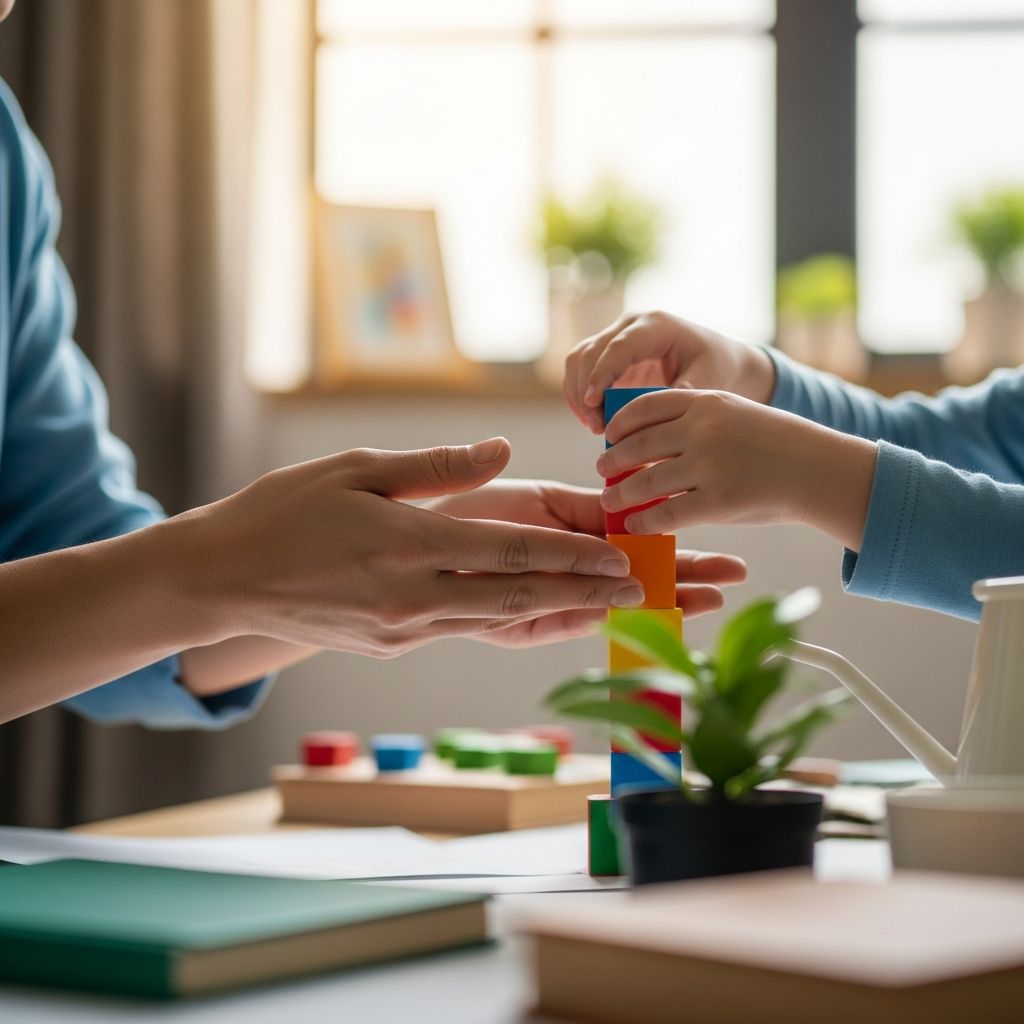
Praising children thoughtfully can significantly shape their motivation, self-esteem, and approach to challenges. Research from experts like Carol Dweck demonstrates that the right kind of praise encourages a growth mindset, where kids view abilities as developable through effort, rather than fixed traits.Effort-focused praise outperforms ability-based compliments by helping children persist after setbacks and embrace harder tasks.
Understanding Praise Types and Their Impacts
Praise falls into categories that either build resilience or create dependency on external validation. Person praise, such as “You’re so smart,” focuses on inherent qualities and can lead to fear of failure, as children worry about losing their ‘smart’ label. In contrast, process praise targets actions like persistence or strategies, fostering confidence in personal improvement.
Studies show children receiving effort praise are more likely to choose challenging puzzles and perform better after feedback, unlike those praised for intelligence who avoid risks to protect their ego. This distinction matters from toddlerhood; early process praise predicts growth mindsets years later.
Core Principles of Constructive Praise
To maximize benefits, praise must align with psychological research. Here are foundational guidelines:
- Specificity: Pinpoint exact behaviors to clarify what’s valued, e.g., “You kept practicing that math problem until you got it right,” instead of vague “Good job.” This helps children replicate successes.
- Effort Emphasis: Highlight perseverance, strategies, and hard work: “Your dedication paid off on that drawing.” Such feedback builds intrinsic motivation.
- Timeliness: Deliver immediately after the behavior to strengthen associations, as delayed praise loses potency.
- Realism: Match praise to actual achievement to maintain credibility; inflated comments like “perfect” for average work erode trust.
- Sincerity and Delivery: Use eye contact, proximity, and enthusiasm without exaggeration to convey genuine appreciation.
Implementing these turns everyday interactions into opportunities for growth. Parents who praise choices promoting independence, like self-care decisions, nurture autonomy.
Practical Examples Across Age Groups
Tailor praise to developmental stages for relevance. For young children (ages 1-5), emphasize simple efforts: “You tried a new way to stack those blocks—great thinking!” This plants seeds for resilience early.
School-age kids (5-10) benefit from strategy-focused feedback during homework or sports: “You broke down that reading passage into parts and figured it out—smart approach!” Avoid generic cheers; specificity guides improvement.
| Scenario | Ineffective Praise | Effective Praise |
|---|---|---|
| Completing puzzle | “You’re a genius!” | “You stayed focused and tried different pieces until it fit—awesome persistence!” |
| Sports practice | “Best player ever!” | “You practiced that kick repeatedly and improved your aim—hard work shows!” |
| Helping with chores | “Good boy/girl.” | “You chose to put toys away right away—excellent decision for keeping our home tidy!” |
For adolescents, noninflated praise sustains self-esteem: “This essay shows solid structure from your planning,” rather than over-the-top hype, which teens often see through.
Common Praise Pitfalls to Avoid
Not all praise helps; some backfires subtly. Exaggerated flattery creates pressure, making kids indifferent to honest feedback or anxious about maintaining impossible standards. Sarcasm disguised as compliments confuses, leaving children unsure if behaviors are truly valued.
- Praising the Ordinary: Commending easy tasks like breathing undermines meaning; reserve for genuine accomplishments.
- Overuse: Constant praise for routine actions reduces its impact; fade it as behaviors solidify.
- Ability Trap: Labeling kids as “talented” shifts focus from process to outcome, discouraging risk-taking.
Research confirms: Children with parents using more person praise develop fixed mindsets, avoiding challenges six months later. Opt for process-oriented language to counteract this.
Building a Praise Routine in Daily Life
Integrate effective praise seamlessly. Start by observing: Note efforts in play, school, and chores. Pause routines to comment promptly with specifics. Model growth mindset by verbalizing your own efforts: “I struggled with this recipe but kept tweaking it.”
Track progress with a family chart celebrating efforts, not just wins. Discuss praises weekly: “What felt good about that feedback?” This reinforces learning.
In classrooms or teams, echo these at home for consistency. Long-term, kids internalize effort as key to success, boosting academic and emotional outcomes.
Long-Term Benefits for Child Development
Consistent effective praise yields measurable gains. Effort-praised children show higher persistence, better problem-solving, and realistic self-assessments. They value learning over grades, reducing anxiety and enhancing well-being.
Parental values shine through: Praising independence choices signals autonomy’s importance, empowering decision-making. Over time, this counters societal perfectionism, preparing kids for real-world setbacks.
Frequently Asked Questions
What if my child rejects praise?
Some kids test sincerity; respond calmly with specifics and give space. Persistence with genuine, effort-based comments rebuilds trust over time.
How much praise is too much?
Aim for quality over quantity—3-5 thoughtful instances daily suffice. Fade as habits form to encourage self-motivation.
Does praise work the same for all kids?
Temperaments vary, but research supports effort praise across ages and backgrounds for building resilience.
Can teachers use these strategies?
Yes, educators report improved engagement and grit when applying specific, process praise in classrooms.
What about praising groups versus individuals?
Group praise motivates collectively if specific (“Team’s strategy won the game!”); personalize for standout efforts.
References
- Maximizing the Effectiveness of Child Praise — Baker Center. 2023-05-15. https://www.bakercenter.org/resources/blog/maximizing-the-effectiveness-of-child-praise
- Raising Praise: A Parent’s Role in Influencing Adolescent Self-Esteem — BYU ScholarsArchive. 2018-01-01. https://scholarsarchive.byu.edu/cgi/viewcontent.cgi?article=1110&context=familyperspectives
- Giving Effective Verbal Praise — Penn State Thrive. 2022-08-10. https://thrive.psu.edu/resources/giving-effective-verbal-praise/
- Praise That Makes Learners More Resilient — Student Experience Network. 2015-09-01. https://studentexperiencenetwork.org/wp-content/uploads/2015/09/Praise-That-Makes-Learners-More-Reslient.pdf
- The Praise Paradox — Behavioral Scientist. 2018-11-20. https://behavioralscientist.org/the-praise-paradox/
- Praising Children for Effort Rather Than Ability — Oxford Learning. 2023-02-14. https://oxfordlearning.com/praising-children-for-effort-rather-than-ability/
- Perils and Promises of Praise — Temple University Teaching Resources. 2006-01-01. https://teaching.temple.edu/sites/teaching/files/resource/pdf/Dweck-Perils%20&%20Promises%20of%20Praise.pdf