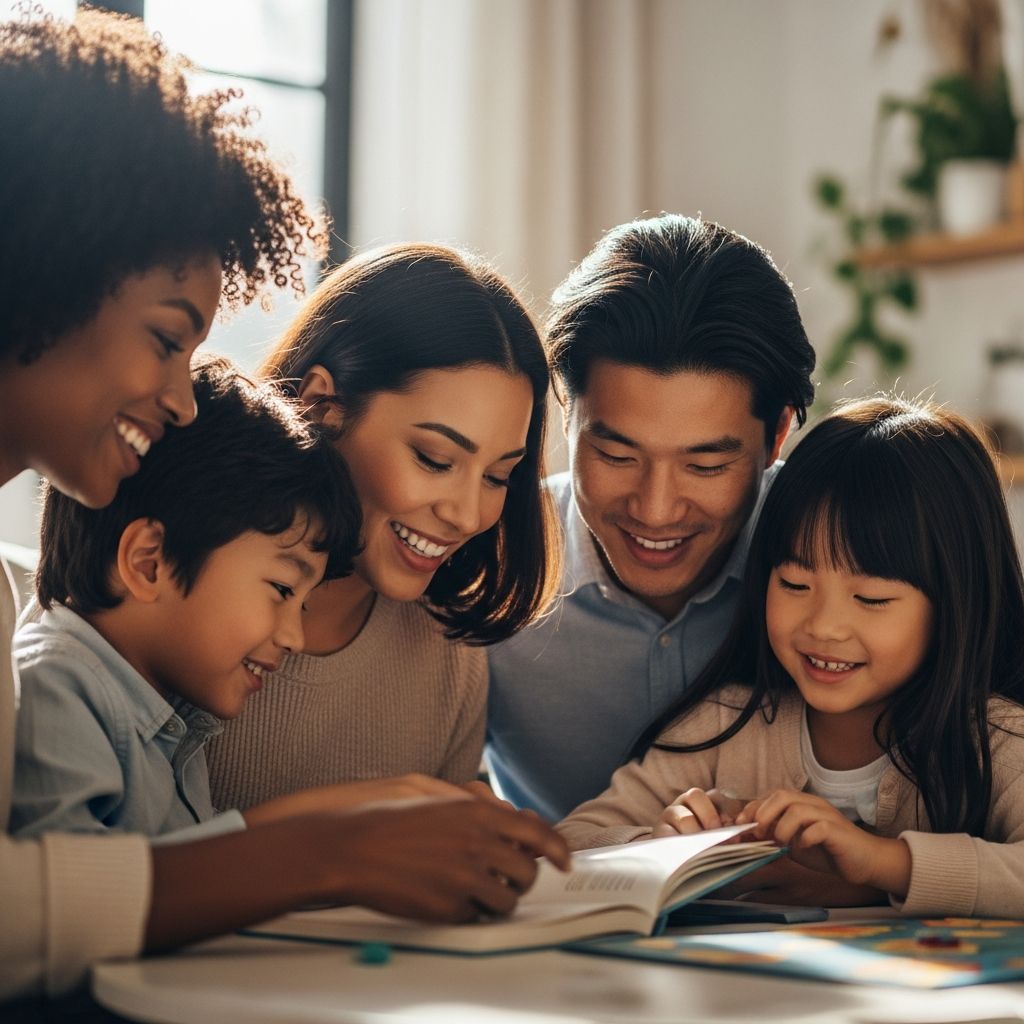
Parenting multiracial children brings unique joys and complexities, requiring intentional efforts to help kids develop a secure sense of self amid diverse heritages. This guide offers practical strategies drawn from expert insights to support families in cultivating pride, resilience, and belonging.
Understanding the Unique Journey of Multiracial Identity
Multiracial children often navigate a world that expects singular racial categories, leading to questions about where they fit. Identity formation for these children involves integrating multiple cultural threads into a cohesive self-view, which can be empowering yet challenging. Parents play a pivotal role by validating both sides of their child’s background without forcing choices between them.
Research highlights that biracial youth benefit from early exposure to their full heritage, fostering self-awareness and reducing isolation. Common experiences include curiosity from peers about their ‘exotic’ looks or pressure to ‘pick a side,’ which can erode confidence if unaddressed. By framing multiracial identity as a strength, parents lay the groundwork for emotional security.
Building Cultural Foundations at Home
Creating a home environment rich in both cultures is foundational. Start by immersing children in languages, stories, and traditions from each parent’s background. For instance, bilingual storytelling sessions or cooking family recipes from diverse origins can make abstract heritage tangible and fun.
- Language immersion: Encourage learning ancestral languages through apps, classes, or family members to deepen emotional ties.
- Tradition integration: Blend holidays like Diwali with Christmas, explaining their significance to honor all roots.
- Daily rituals: Use music, art, or meals to routinely celebrate multiculturalism.
This approach not only preserves heritage but also equips children with tools to articulate their identity proudly.
Navigating External Challenges and Biases
Multiracial kids frequently encounter microaggressions—subtle, often unintentional slights like ‘What are you?’ or assumptions about not being ‘authentically’ one race. These accumulate, potentially causing feelings of otherness or inadequacy. Parents must prepare children without instilling fear.
| Challenge | Examples | Parental Response Strategy |
|---|---|---|
| Microaggressions | “You’re so exotic”; constant race inquiries | Validate feelings, role-play responses, teach assertive comebacks |
| Lack of Representation | Few media figures matching their look | Curate diverse books, shows; seek community role models |
| Family/Community Bias | Comments on skin tone differences | Open family dialogues; connect with affirming networks |
Addressing skin color variations head-on prevents self-esteem dips; celebrate unique features as badges of blended beauty.
Fostering Open Communication and Emotional Resilience
Dialogue is key. Normalize race talks from toddlerhood, sharing your own heritage stories to model vulnerability. Active listening—reflecting back what your child says without immediate fixes—builds trust. Encourage expressing frustrations about being multiracial, acknowledging both positives (like cultural versatility) and negatives (like unwanted attention).
Teach advocacy skills: ‘I am both Black and Asian, and that’s my truth.’ This counters gatekeeping, where communities question ‘authenticity,’ empowering kids to claim full belonging. For teens, discuss broader issues like systemic racism, helping them contextualize personal encounters.
Leveraging Resources for Representation and Support
Visibility matters. Stock bookshelves with stories featuring multiracial protagonists and stream films showcasing blended families. Expose children to diverse role models through community events or online groups.
- Join multiracial parent networks for shared experiences.
- Attend cultural festivals representing all heritages.
- Follow influencers or activists who embody multiracial pride.
These connections combat isolation, affirming that they are not alone.
Special Considerations for Single Parents and Varied Family Structures
Single parents or those without one parent’s involvement face hurdles but can thrive by broadening the ‘village.’ Link children with extended relatives, family friends, or mentors from the missing heritage. Virtual communities and local groups provide solidarity. Strategies include:
- Documenting and sharing the absent parent’s cultural stories via photos or recordings.
- Partnering with cultural organizations for classes or events.
- Building a diverse support circle mirroring both backgrounds.
This ensures comprehensive exposure, preventing one-sided identity formation.
Promoting Pride and Long-Term Confidence
Raising confident multiracial children hinges on consistent messaging: your blend is a gift. Counter shame with pride-building activities like heritage projects or family trees highlighting dual lineages. Monitor for identity struggles, seeking therapy from culturally competent professionals if needed.
Ultimately, equip them to thrive in any setting by embracing wholeness. As they grow, they’ll carry resilience into adulthood, navigating diversity with grace.
Frequently Asked Questions (FAQs)
How do I talk to my young child about their multiracial identity?
Use simple, positive language: ‘You have Grandma’s beautiful curls from her side and my eye color from mine—both make you special!’ Books and mirrors help visualize blends.
What if my child faces bullying about their race?
Listen without judgment, affirm their worth, and practice responses. Report incidents and connect with school counselors experienced in diversity issues.
Can I raise a proud multiracial child without knowing their other culture well?
Yes—commit to learning via books, classes, or community members. Involve extended family and online resources to bridge gaps collaboratively.
How does multiracial identity differ for teens versus younger kids?
Teens grapple more with peer pressure and societal biases; deepen talks on racism, allyship, and self-definition to support emerging independence.
Are there support groups for multiracial families?
Absolutely—search for local chapters of MAVIN Foundation or online forums like Mixed Race Studies communities for peer advice and events.
References
- What to Know About Raising Biracial Children: 5 Essential Tips! — Raising Biracial Babies. 2023. https://raisingbiracialbabies.com/raising-biracial-children/
- Facing the Challenges of Raising Biracial Children in a Homogeneous World — Fox Child Therapy. 2023. https://foxchildtherapy.com/facing-the-challenges-of-raising-biracial-children-in-a-homogeneous-world/
- How to Raise Biracial Teenagers Who Embrace Themselves — Your Teen Mag. 2023. https://yourteenmag.com/family-life/communication/raising-biracial-teenagers
- Three Things to Teach Biracial Kids — Christian Parenting. 2023. https://www.christianparenting.org/articles/three-things-to-teach-biracial-kids/
- 12 Tips for Raising Multiracial Kids — Sim Sawyer’s Photography. 2023-08-27. https://simsawyersphotography.com/2023/08/27/12-tips-for-raising-multiracial-kids/