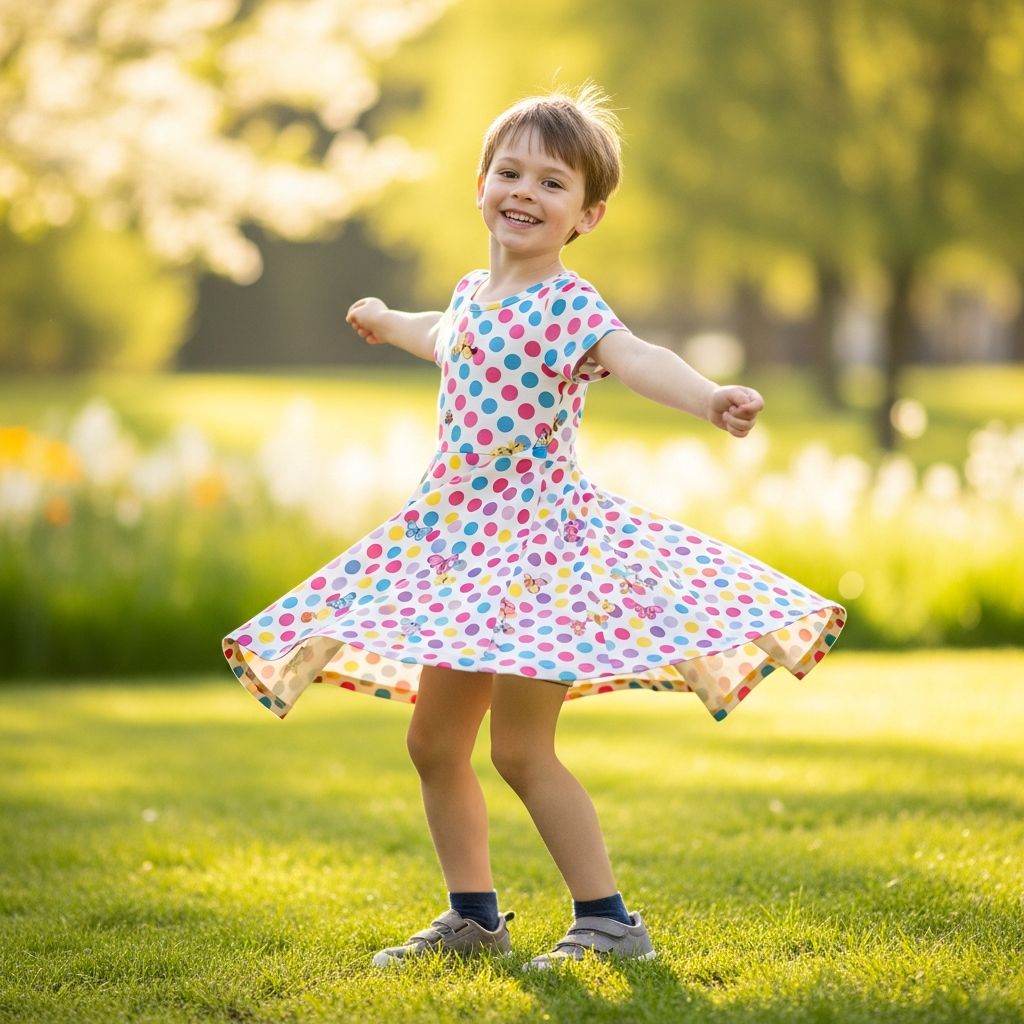
Many parents are surprised, confused, or even scared the first time a son excitedly chooses a sparkly skirt, a princess costume, or a floral blouse from the rack. Is this “just a phase”? Will other kids be cruel? Are you helping or harming by saying yes? These questions can feel overwhelming, especially in a world that still clings tightly to gendered expectations around clothing.
This article offers a calm, practical roadmap for parents whose sons enjoy traditionally feminine clothes. It emphasizes emotional health, safety, and respect while recognizing real-world social pressures. The goal is not to push any agenda but to help you respond with steadiness, empathy, and common sense.
Understanding What Clothing Really Means
Before reacting to a boy in a dress, it helps to step back and ask what clothing means to children. For kids, clothes are often about:
- Play and imagination: Costumes, colors, and textures can be tools for creativity.
- Comfort and sensory needs: Some fabrics and fits simply feel better on their bodies.
- Identity exploration: Clothing can be an early way to experiment with how they see themselves and how they want to be seen.
Adults tend to layer clothing with cultural meanings: masculinity, femininity, respectability, and social status. Children often do not start there. Many young kids just see “sparkly,” “soft,” “fun,” or “my favorite color.” Recognizing this gap between adult meaning and child meaning can lower the emotional temperature of the situation.
Gender Expression vs. Gender Identity
One of the biggest fears parents have is that a love of “girls’ clothes” automatically signals something permanent or predetermined about their child’s future gender or sexuality. In reality, several distinct concepts are at play:
- Gender identity: A person’s inner sense of being a boy, girl, both, neither, or something else.
- Gender expression: How someone presents themselves through clothing, hairstyle, mannerisms, and interests.
- Sexual orientation: Who someone is romantically or physically attracted to, which does not meaningfully apply to young children.
A boy who enjoys dresses may still strongly identify as a boy, and he may grow up to be heterosexual, gay, bisexual, or something else entirely. Clothing alone cannot predict this. What you can focus on now is not decoding the future but supporting a child’s immediate sense of safety, comfort, and authenticity.
A Brief Look at History and Culture
Modern Western ideas about “boys’ clothes” and “girls’ clothes” are more recent and rigid than many people realize. In various cultures and historical periods, garments we now label “feminine” were worn by men and boys without controversy.
| Context | Garment | Who Typically Wore It | Modern Perception |
|---|---|---|---|
| 18th-century Europe | Wigs, lace, silk stockings | High-status men | Might now be called “feminine” or theatrical |
| Traditional Scotland | Highland kilt | Men and boys | Respected as masculine cultural dress |
| Many cultures historically | Robes and tunics | Men, women, children | Now often gender-specific or ceremonial |
| Early 20th-century Western childhood | Dresses for toddlers | Boys and girls | Today seen mostly as girls’ clothing |
This doesn’t mean every setting today will be accepting. It does help show that clothing rules are not immovable truths but shifting social agreements. That perspective can help you feel less panicked and more flexible.
Checking In With Your Own Feelings
Before figuring out what to “do” about your son’s wardrobe, it is helpful to be honest about your own internal reactions. Common feelings include:
- Worry about bullying, teasing, or social isolation.
- Fear of being judged as a parent.
- Sadness or confusion if cultural or religious expectations feel at odds with your child’s choices.
- Guilt over feeling uncomfortable in the first place.
None of these emotions make you a bad parent. They are signals that you care deeply. The key is to avoid unloading these fears onto your child. Instead, find adult spaces—friends, support groups, online communities, or professionals—where you can process your feelings and gather perspective.
Home as a Safe Laboratory
One practical approach is to treat your home as a low-risk laboratory for self-expression. Within your own walls, you can provide a wider range of freedom than might be realistic everywhere else. This can look like:
- Keeping a “dress-up box” with costumes and clothing from across the gender spectrum.
- Encouraging mixed outfits, such as pairing a twirly skirt with a dinosaur T-shirt.
- Allowing nail polish, hair clips, or jewelry during family time, weekends, or play.
When your child has a stable, affirming base at home, the outside world’s reactions—good or bad—can feel less defining. The message is: “You are loved, seen, and interesting exactly as you are, even if the world doesn’t always understand.”
Deciding What’s Okay Outside the House
Next comes the harder question: what about school, playgrounds, birthday parties, or family gatherings? There is no single right answer for every family, but several guiding principles can help.
Principles for Public Clothing Choices
- Start with your child’s wishes: Ask what they want to wear and why it matters to them.
- Discuss possible reactions: In age-appropriate language, talk about how some people might respond with confusion or unkindness.
- Offer choices, not ultimatums: Propose multiple outfits that honor their interests to different degrees.
- Consider the setting: What feels safe at a progressive playgroup may not feel as safe at a crowded family wedding with relatives you barely know.
It can be helpful to frame compromises as collaboration, not suppression. For example: “You can absolutely wear your sparkly skirt to the park. For school, let’s find a shirt or sneakers that feel just as fun but might attract less teasing. Which ones do you like?”
Talking With Your Child About Difference
Children who deviate from social norms often sense they are different long before anyone says so. Honest, gentle conversations equip them to understand and handle social reactions without internalizing shame.
Age-Appropriate Messages
- For younger kids: “Clothes don’t have to be just for boys or just for girls. Some people think they do, and they might not like it, but in our family it’s okay to like what you like.”
- For older kids: “People have strong ideas about gender and clothes. Some may say rude things because they don’t understand. That’s about their beliefs, not your worth.”
- For tweens and teens: “You get to decide how you present yourself. Let’s talk about where you feel most safe and what support you need if someone gives you a hard time.”
Return to these topics often rather than giving one big speech. As your child grows, their questions and experiences will evolve.
Working With Schools and Caregivers
School and childcare settings can either be sources of harm or powerful allies. Proactive communication often makes a significant difference. Consider reaching out to teachers, school counselors, or daycare providers early and collaboratively.
Topics to Cover With Schools
- Dress expectations: Clarify what is actually in the dress code, versus what people assume is there.
- Bullying policies: Ask how the school responds to teasing and harassment, and how they protect kids who are perceived as different.
- Language in the classroom: Encourage inclusive language about clothing, colors, and interests, rather than reinforcing stereotypes.
Some parents worry that raising the issue will “draw attention” to their child. Often, the opposite is true: giving educators context and a chance to plan can prevent misunderstandings, knee-jerk reactions, and inconsistent rule enforcement.
Handling Negative Reactions From Others
Even with careful planning, you and your child may encounter criticism, stares, or intrusive questions. Preparing your own responses can help you stay calm in the moment.
Strategies for Common Situations
- Curious but polite adults: “He likes bright colors and sparkles, and our family is okay with that.” Then change the subject.
- Judgmental comments: “We’re comfortable with his choices, and we’re focusing on kindness and confidence.”
- Strangers in public: A brief smile, a neutral response like “He’s very happy with his outfit today,” or no engagement at all can be enough.
For children old enough to notice, you can later debrief privately: “Some people aren’t used to seeing boys dress like you do. That doesn’t mean you’re wrong. It just means they have different ideas. How did it feel when they said that?” This helps your child process the event and learn that your support is steady.
Supporting Siblings and Co-Parents
Brothers, sisters, and co-parents may have their own reactions, from proud defense to embarrassment or conflict. Rather than assuming everyone is on the same page, treat this as an ongoing family conversation.
Guiding Principles at Home
- Set clear respect rules: No mocking, name-calling, or shaming about clothing or interests.
- Invite questions: “It’s okay to be curious or confused. Let’s talk about it together.”
- Model unity: Co-parents may disagree privately but should present a consistent, supportive front to the child whenever possible.
If one parent is strongly opposed, it may help to focus on shared goals: raising a kind, confident, emotionally healthy child. From there, you can explore compromises on when and where certain clothing is worn while you both learn more.
When to Seek Professional Guidance
Boys wearing traditionally feminine clothing does not automatically indicate a problem or a pathology. However, it can be wise to seek professional input if:
- Your child shows intense distress about their body or social role.
- There are ongoing conflicts at home that you cannot resolve.
- Your child is experiencing severe bullying, anxiety, or depression.
Look for mental health professionals who have experience with child development and gender diversity. The goal of good counseling is not to “fix” your child, but to support the whole family in navigating emotions, decisions, and communication more effectively.
Balancing Protection and Authenticity
Parents often feel stuck between two painful possibilities: shielding a child by asking them to hide who they are, or encouraging authenticity and risking social harm. In reality, most families end up navigating a middle path that changes over time.
- Short-term safety: You might prioritize lower-risk outfits in specific environments known to be hostile.
- Long-term resilience: At the same time, you can build inner strength, self-understanding, and a broader support network so that your child is not dependent on blending in forever.
It can be reassuring to remember that clothing is one part of a much larger journey. The relationship you build—full of listening, respect, and flexible problem-solving—matters far more than any single outfit.
Practical Tips for Day-to-Day Life
To make all of this more concrete, here are some simple, actionable ideas you can adapt to your own family and context:
- Create a shared “yes list” of clothes that everyone agrees are okay for school, family events, and home.
- Role-play responses with your child (and siblings) to common questions or teasing.
- Rotate in gender-neutral clothing that still feels special—bright sneakers, patterned socks, fun hats.
- Build connections with other families and communities that value diversity and kindness.
These small, everyday choices send a strong message: differences are manageable, not catastrophic, and your child is not alone.
Frequently Asked Questions
Is my son too young to make these choices?
Children show clear preferences from a very early age, including for colors, textures, and styles. Allowing input on clothing does not mean handing over all decision-making power. You still set boundaries around cost, practicality, and appropriateness for weather or setting.
Does letting him wear dresses “encourage” something?
Permitting a child to express themselves through clothing does not create their underlying identity. It simply reduces shame and conflict around preferences that already exist. Trying to suppress those preferences may create secrecy and anxiety rather than changing who they truly are.
What if he changes his mind later?
Children’s interests naturally shift as they grow. If a phase passes, that is not a failure; it is part of normal development. What remains constant is the memory of whether caregivers responded with panic or with curiosity and care.
How do I respond to relatives who disapprove?
You can set gentle but firm boundaries: “We’re choosing to support his choices and to make sure he feels loved and safe. We understand you may see it differently, but criticizing him is not okay.” If necessary, limit time with adults who cannot respect this line.
Should I post about this on social media?
Even well-intentioned posts can expose a child to unwanted attention and permanent digital footprints. Consider your child’s privacy and future wishes before sharing photos or stories. When in doubt, err on the side of protecting their dignity.
Moving Forward With Confidence
Raising a child who doesn’t fit every social expectation can feel lonely, but it is also an opportunity to model courage, empathy, and independent thinking. Whether your son’s love of “girls’ clothes” lasts a month or many years, your steady presence teaches him that he is more than any label or outfit.
You do not have to have every answer to be a good parent. Showing up, listening, asking thoughtful questions, and making adjustments as you learn will carry you and your child much farther than rigid rules or fear-based decisions. In a world that often tells kids to shrink themselves to fit narrow boxes, your home can become a place where they learn to stand comfortably in their own skin—whatever they choose to wear.