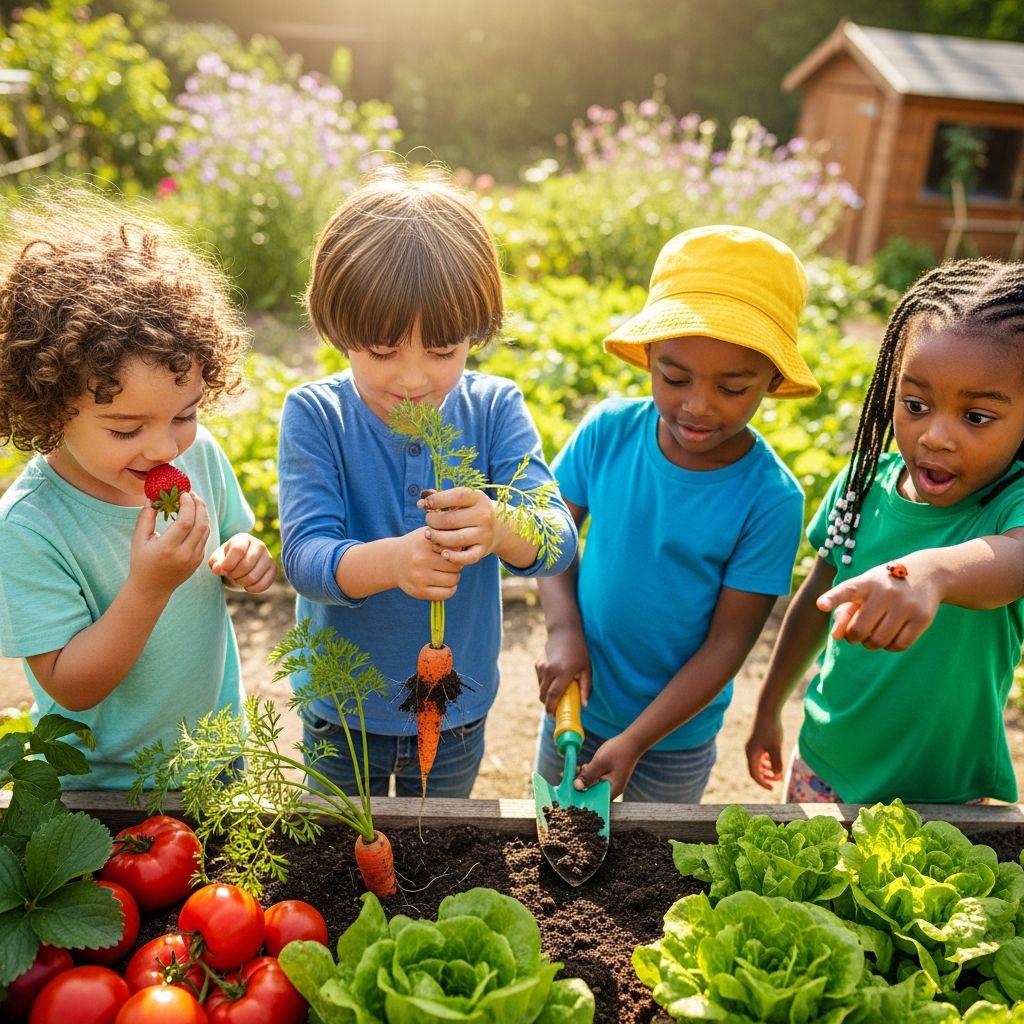
Helping children develop a positive relationship with food sets the foundation for lifelong health and enjoyment at the table. By focusing on consistent exposure, family involvement, and relaxed attitudes, parents can transform picky phases into adventurous eating journeys.
Understanding the Foundations of Food Acceptance
Children’s willingness to try new foods doesn’t happen overnight. Research indicates it often requires multiple introductions before acceptance occurs. This process builds familiarity and reduces neophobia, the natural fear of novel items common in young kids.
Key to success is recognizing that taste preferences evolve. Infants start broad but narrow around ages 2-3 due to developmental caution. Patient, repeated offerings alongside trusted favorites gradually expand palates without force.
Building Habits Through Daily Routines
Consistency forms the bedrock of positive food experiences. Offer new items regularly, aiming for 8-15 exposures as supported by feeding experts. Pair unfamiliar vegetables with beloved staples like pasta or pizza to sneak in variety seamlessly.
- Serve the same family meal to everyone, avoiding separate ‘kid options’ to normalize diverse flavors.
- Maintain predictable meal and snack schedules to ensure hunger arrives at the table.
- Space snacks 2 hours before meals and drinks 1 hour prior for optimal appetite.
These routines foster self-regulation, allowing kids to listen to internal hunger cues rather than external pressures.
The Power of Parental Modeling
Kids mirror what they see. When parents enthusiastically consume a range of foods, children follow suit through imitation. Express genuine enjoyment without labeling items as ‘healthy’—simply savor them visibly.
Studies show that highlighting nutritional benefits can backfire, sparking resistance. Instead, let actions speak: chop vibrant produce together and share bites with smiles. This subtle guidance outperforms lectures.
Engaging Kids in the Kitchen Adventure
Hands-on participation sparks interest. From toddlerhood, provide safe tools like step stools and child-sized knives for chopping soft fruits. Let them select dips, plate items, or stir mixtures to build ownership.
- Grow herbs or veggies in pots to connect growth with harvest excitement.
- Involve in grocery choices and prep discussions to heighten anticipation.
- Experiment with cooking methods: grill, bake, or stir-fry for texture variety.
Games elevate fun—storytelling rounds or ‘high-low’ shares keep everyone seated longer. Dicing into bite-sizes empowers independent eating.
Navigating Challenges with Picky Eaters
| Common Issue | Strategy | Why It Works |
|---|---|---|
| Rejection of New Foods | Offer alongside favorites; repeat 10+ times | Builds familiarity without pressure |
| Constant Snacking | Structured timing; early dinners | Preserves hunger for meals |
| Distraction at Table | Focuses attention on food experience | |
| Overfocus on Sweets | Integrate naturally; model balance | Reduces obsession via availability |
Avoid ‘clean plate’ rules—responsibility lies in offering nutritious choices, not consumption amounts. Permit rejections; not every food suits every palate.
Creating Joyful Family Mealtimes
Mealtimes thrive on connection. Serve at least three food groups per sitting: fruits, grains, proteins. Theme nights like ‘Taco Thursday’ inject variety predictably.
Watch cooking shows together for inspiration, exposing palates to global cuisines without commitment. Even pets can help—dropped bits become non-issues, easing mess anxiety.
Addressing Food Preoccupations Sensitively
Some kids fixate intensely, often from prior restrictions or anxiety. Responsive feeding—offering without policing—reassures and tunes them into body signals. Reassess growth charts; steady progress often alleviates worries.
Shift from control to availability: regular access diminishes urgency. Praise efforts over outcomes to sidestide shame.
Long-Term Benefits of Early Food Positivity
Families prioritizing real, home-cooked meals raise adaptable eaters. Variety prevents ruts, while disinterest in intake amounts trusts kids’ instincts. Over time, this yields teens and adults who navigate buffets confidently.
Cultural immersion—no bland ‘kid meals’—mirrors global norms where children partake fully. The result: nourished bodies and joyful relationships with sustenance.
Frequently Asked Questions
What if my child refuses everything new?
Persist calmly with repeated exposures alongside safe foods. Hunger and modeling will encourage trials eventually.
How do I handle excessive hunger or food obsession?
Ensure consistent access to balanced meals/snacks; avoid restriction which amplifies focus. Consult pediatricians for growth checks.
Should I force kids to finish plates?
No—provide healthy options and let them decide portions. This builds intuitive eating.
At what age start involving in cooking?
Early! Even toddlers can wash produce or tear herbs safely.
Does labeling food ‘healthy’ help?
Often not—kids resist; demonstrate enjoyment instead.
References
- How to raise a foodie: 10 simple tips — Joanna Anastasia. 2023. https://joannaanastasia.com/how-to-raise-a-foodie/
- Raise Adventurous Healthy Eaters: A Common Sense Approach — Smart Slow Cooker. 2023-01. https://smartslowcooker.com/blog/how-to-raise-good-eater
- Raising healthy eaters: Should kids clean their plate? — Mayo Clinic Health System. 2023. https://www.mayoclinichealthsystem.org/hometown-health/speaking-of-health/raising-healthy-eaters-should-kids-clean-their-plate
- Feeding a Picky Eater: The Do’s and Don’ts — Children’s Hospital of Philadelphia (CHOP). 2023. https://www.chop.edu/news/dos-and-donts-feeding-picky-eaters
- Food Preoccupation in Pediatric Feeding — Responsive Feeding Pro. 2023. https://responsivefeedingpro.com/food-preoccupation-in-pediatric-feeding/
- Kids Who Love Food: What Every Parent Needs to Know — WithAll. 2023. https://withall.org/kids-who-love-food/