Winter brings a convergence of respiratory viruses known as the quad-demic, including influenza, respiratory syncytial virus (RSV), COVID-19, and others like human metapneumovirus. Families can proactively shield children by understanding transmission patterns, prioritizing vaccinations, and building robust home defenses. This guide draws on health authority recommendations to outline actionable steps for resilience during peak seasons.
Understanding the Quad-demic Dynamics
The term quad-demic describes the overlapping peaks of four major respiratory pathogens: flu, RSV, COVID-19, and additional viruses. Children under five and those with underlying conditions face heightened risks, as their immune systems adapt to evolving strains. Data from recent seasons show hospitalizations rising sharply when these illnesses coincide, straining pediatric care systems.
Key distinctions among viruses aid targeted prevention:
- Flu: Spreads via droplets; symptoms include sudden fever, body aches, and cough lasting 7-10 days.
- RSV: Common in infants; causes wheezing and bronchiolitis, peaking November-February.
- COVID-19: Variable symptoms from mild cold-like to severe; long-term effects possible in vulnerable groups.
- Other viruses: Like parainfluenza or metapneumovirus, often mimicking colds but contributing to co-infections.
Parental stress amplifies during these periods, with surveys indicating 40% worry most about child anxiety or depression amid illnesses, underscoring the need for holistic preparation.
Vaccination: The Cornerstone of Defense
Annual vaccinations form the primary barrier. The CDC recommends flu shots for everyone six months and older, updated yearly for circulating strains. RSV immunizations, including monoclonal antibodies like nirsevimab for infants and vaccines for pregnant individuals, reduce severe cases by up to 80%.
COVID-19 boosters tailored to variants maintain protection, especially for school-aged children. Timing matters: Schedule flu and COVID shots simultaneously in early fall, allowing 4-6 weeks before RSV season peaks.
| Virus | Vaccine/Immunization | Target Group | Efficacy Notes |
|---|---|---|---|
| Influenza | Annual inactivated or nasal spray | 6 months+ | 40-60% against hospitalization |
| RSV | Nirsevimab (infants); Abrysvo (pregnant) | Infants <8 mo; pregnant 32-36 wks | 70-80% severe disease reduction |
| COVID-19 | mRNA boosters | 6 mo+ | High against severe outcomes |
Consult pediatricians for personalized schedules, particularly if children have chronic conditions like asthma.
Fortifying Hygiene and Daily Habits
Beyond vaccines, consistent hygiene curbs spread. Teach handwashing with soap for 20 seconds, especially post-public outings. Use alcohol-based sanitizers (60%+ alcohol) when soap unavailable.
Masking in crowded indoor spaces during peaks protects high-risk members. Ventilation is crucial: Open windows, use HEPA filters, and avoid recirculating air in cars or homes.
- Disinfect high-touch surfaces daily with EPA-approved cleaners.
- Limit exposure in high-risk settings like daycares during surges.
- Promote nasal hygiene with saline rinses for older children.
These measures, combined with staying home when symptomatic, reduce community transmission by 30-50%, per health studies.
Building a Stocked Home Pharmacy
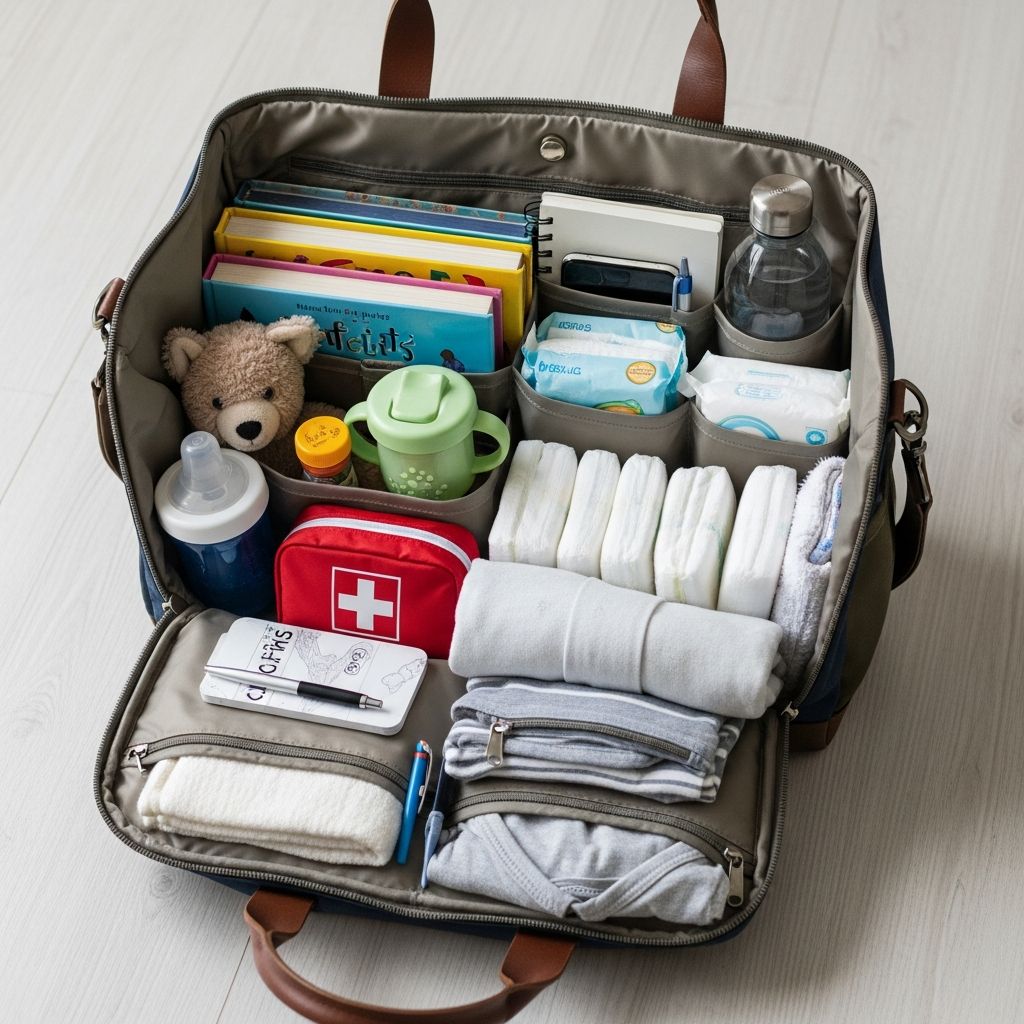
Prepare a family health kit for symptom management:
- Fever reducers: Acetaminophen or ibuprofen dosed by weight; avoid aspirin in children due to Reye’s syndrome risk.
- Hydration aids: Electrolyte solutions like Pedialyte for diarrhea or vomiting.
- Cough relief: Honey (1+ years) or humidifiers; OTC meds only over 6 years per guidelines.
- Essentials: Thermometers, pulse oximeters, saline drops, bulb syringes for infants.
Stock two-week supplies to avoid pharmacy runs during outbreaks. Track expiration dates biannually.
Recognizing When to Seek Urgent Care
Monitor for red flags warranting immediate attention:
- Breathing difficulties: Rapid breaths, chest retractions, nasal flaring.
- Persistent fever: Over 100.4°F in infants <3 mo; 3+ days in older kids.
- Hydration issues: No tears, dry diapers 8+ hours, lethargy.
- COVID/flu signs: Severe headache, confusion, oxygen saturation <92%.
Use telehealth for initial assessments to minimize exposure. Know local urgent care capacities, as pediatric ERs overload during quad-demic peaks.
Strengthening Family Immunity Naturally
Nutrition bolsters defenses: Prioritize vitamin C-rich fruits, zinc from nuts/seeds, and probiotics via yogurt. Ensure 10-12 hours sleep nightly for immune recovery.
Outdoor activity, even in cooler weather, enhances circulation and vitamin D synthesis. Aim for 60 minutes daily, bundled appropriately.
Manage stress, as chronic worry elevates cortisol, suppressing immunity. Parents report higher fatigue (41% tiring all/most times), particularly mothers (47%), linking to child health concerns.
Navigating Mental Health Amid Illness Seasons
Quad-demic fatigue impacts emotional well-being. Establish routines: Designated ‘sick days’ with quiet activities like reading or puzzles reduce anxiety.
Communicate openly about germs without fear-mongering. Model calm: Regulated parents foster secure children, aligning with 2026 trends retiring extreme permissive styles for balanced leadership.
Build support networks: Join parent groups or use apps for virtual check-ins, countering isolation noted by 2026 parents lacking traditional village support.
Seasonal Timeline for Peak Preparedness
- Early Fall (Sep-Oct): Vaccinate fully; stock kits.
- Pre-Peak (Nov): Ramp hygiene; monitor school alerts.
- Peak (Dec-Feb): Limit gatherings; telehealth ready.
- Post-Peak (Mar-Apr): Review season; plan improvements.
Frequently Asked Questions
Can children get multiple viruses at once?
Yes, co-infections occur, complicating symptoms; vaccines reduce severity across pathogens.
Is it safe to vaccinate for flu and COVID together?
Absolutely; CDC endorses co-administration for convenience and efficacy.
How effective are at-home tests?
Flu/RSV/COVID rapid tests are 70-90% accurate; confirm negatives with PCR if high suspicion.
What if my unvaccinated child gets sick?
Supportive care key; antivirals like Tamiflu may help if started early—consult MD promptly.
Should I keep kids home from school indefinitely?
No; balanced attendance with hygiene prevents learning loss while minimizing spread.
Long-Term Resilience Building
Beyond acute prep, foster habits like annual check-ups and nutrition tracking. Emerging 2026 trends emphasize analog play over screens, aiding immune and mental health by reducing overstimulation. Hybrid parenting—warm boundaries without extremes—supports regulated family dynamics.
Parents ditching overscheduling reclaim family time, prioritizing rest amid burnout risks. Track local dashboards from CDC or health departments for real-time surges.
Empower siblings as hygiene ambassadors, turning prep into teachable moments on responsibility.
References
- Parenting in America Today: A Survey Report — Pew Research Center. 2023-01-24. https://www.pewresearch.org/social-trends/2023/01/24/parenting-in-america-today/
- Parenting Trends 2026: What’s in and what’s out — Call Emmy. 2026. https://callemmy.com/parenting-trends-2026-3-trends-were-embracing-and-3-were-retiring-this-year/
- 6 Parenting Trends to Keep on Your Radar in 2026 — The Bump. 2026. https://www.thebump.com/a/rising-parenting-trends
- 11 Parenting Trends Millennials Are Ditching In 2026 — Scary Mommy. 2026. https://www.scarymommy.com/parenting/parenting-trends-millennials-are-ditching-in-2026
- 2026 Parenting Trends We’re Excited to Embrace This Year — The Everymom. 2026. https://theeverymom.com/parenting-trends/