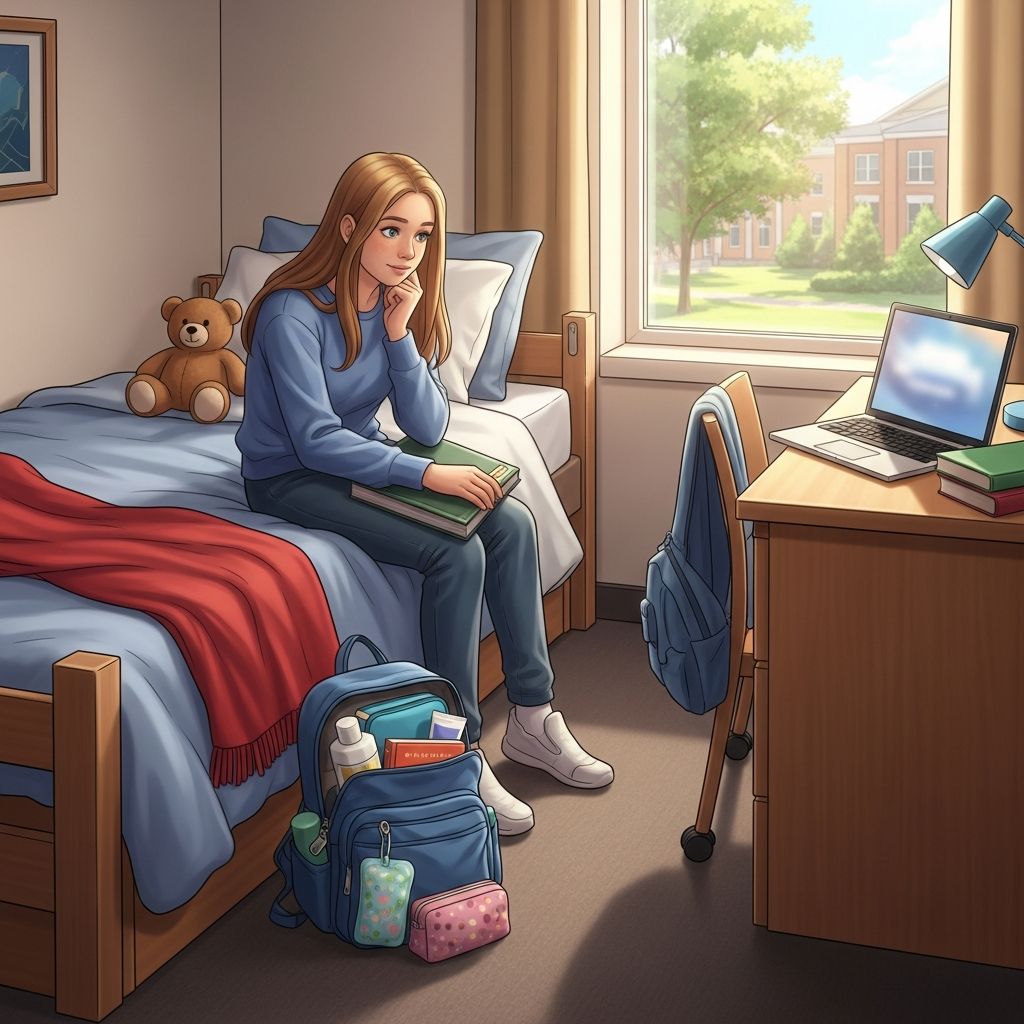
Your child’s first menstrual cycle marks a significant milestone in their development. While it’s natural to want to be present for this event, life happens—school days, sleepovers, camps, and family trips mean they might experience it without you nearby. Equipping them with knowledge, supplies, and confidence ensures they handle it smoothly and positively. This guide draws from expert pediatric and health recommendations to help you prepare effectively.
Understanding the Timing and Signs of Onset
Menarche, or a child’s first period, typically arrives between ages 10 and 15, with the average around 12 years old. However, it can start as early as 8, so proactive preparation is key. Watch for precursors like breast development, pubic hair growth, or growth spurts, which signal puberty’s approach. According to NHS guidelines, early discussions normalize the process and reduce anxiety.
Irregular cycles are common initially, lasting 21 to 45 days and varying in flow. Light spotting might precede heavier bleeding, which can last 3 to 7 days. Educate your child on these variations to avoid panic if the experience differs from expectations.
Building Open Dialogues Early
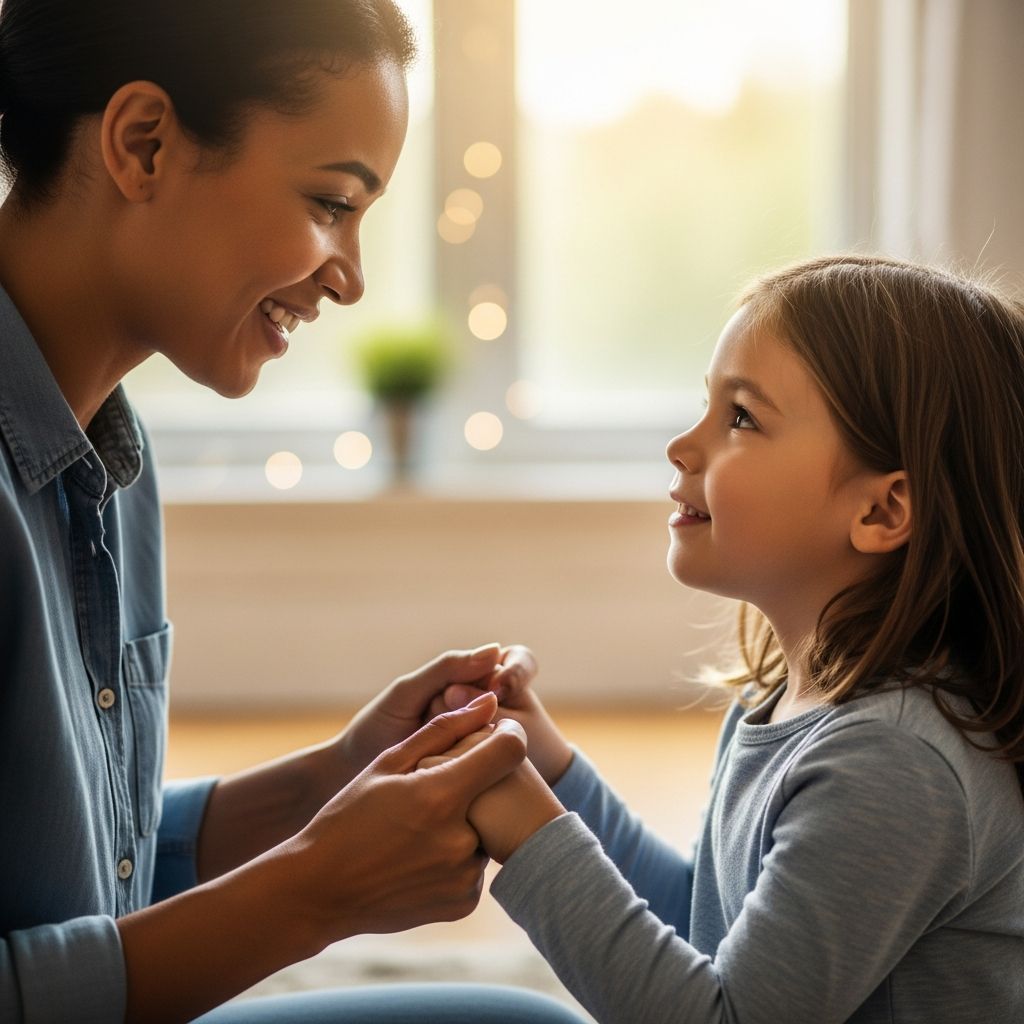
Start conversations about menstruation well before the first period, using age-appropriate, factual language. Avoid a single “big talk”; instead, integrate discussions gradually during everyday moments, as recommended by KidsHealth experts. Use correct terms like “vagina,” “uterus,” and “menstruation” to foster body literacy.
Address common fears: bleeding isn’t injury but a healthy uterine lining shed. Reassure them they can continue sports, school, and activities with proper management. Hands-on practice with products builds familiarity—demonstrate pad application or cup insertion if age-appropriate. Dads, too, can participate confidently with resources tailored for supportive involvement.
Essential Menstrual Products for Beginners
Selecting user-friendly items is crucial for first-timers. Begin with non-invasive options to build comfort before advancing to internal products.
| Product Type | Best For | Key Features | Tips for First Use |
|---|---|---|---|
| Pads (with wings) | Light to moderate flow, beginners | Adhesive backing, absorbent core, teen-sized options | Practice sticking to underwear; change every 4-6 hours |
| Panty Liners | Spotting or end-of-cycle | Thin, discreet protection | Ideal for backup with pads |
| Period Underwear | All-day wear, active days | Built-in absorbency, washable | Layer with pads for heavy flow |
| Tampons/Menstrual Cups | Swimming, sports (once ready) | Internal, long-lasting | Use lowest absorbency; never leave in >8 hours |
Organic cotton options minimize irritation for sensitive skin, free from dyes and fragrances. Stock a variety at home for testing.
Creating Portable Period Preparedness Kits
A compact kit is a game-changer for unexpected starts. Customize based on your child’s routine—school backpack, sports bag, or travel pouch. Banner Health’s pediatrician suggests including doubles for leak worries.
- 2-3 pads (regular/thin) and panty liners
- 1-2 spare underwear pairs (dark colors for confidence)
- Unscented wipes or stain remover stick
- Resealable plastic bag for soiled items
- OTC pain reliever (e.g., ibuprofen, if school-approved)
- Mini heating pad or cramp-relief patch
- Personal note: “You’ve got this! Call if needed.”
Practice packing and using the kit together. For sleepovers, discreetly include extras in luggage. Update seasonally for activities like camp.
Managing Common Symptoms Independently
Cramps, bloating, mood shifts, and fatigue often accompany periods. Teach self-care strategies for autonomy.
Pain Relief Techniques
- Heat Therapy: Apply a heating pad to the lower abdomen for 15-20 minutes.
- Hydration: Drink 8+ glasses of water daily to reduce bloating.
- Light Movement: Yoga or walking releases endorphins.
- Nutrition: Iron-rich foods (spinach, nuts) combat fatigue; magnesium (bananas) eases cramps.
For severe pain, consult a doctor to rule out conditions like dysmenorrhea.
Skin and Hygiene Care
Hormonal fluctuations may cause acne. Recommend gentle cleansing twice daily and oil-free moisturizers. Shower regularly, wearing breathable cotton underwear to prevent irritation.
Navigating Periods in Different Scenarios
At School or Daycare
Inform teachers or nurses about the kit. NHS advises asking for supplies if needed. Dark pants provide backup security.
Sleepovers and Friends’ Houses
Pack discreetly; teach polite requests: “Do you have a pad I can borrow?” Role-play scenarios for confidence.
Travel and Camps
Include extra supplies for longer trips. Menstrual cups suit low-access areas, lasting 12 hours. Track cycles via apps to anticipate timing.
Sports and Swimming
Tampons or cups enable participation. No age restriction if used correctly.
Cycle Tracking for Predictability
Apps like Clue or Flo log dates, flow, and symptoms, predicting future cycles. Start marking from day one: first day of bleeding. This empowers planning around events. Share access if comfortable, for family reminders.
Emotional Support and Ongoing Check-Ins
Periods can evoke mixed emotions—pride, embarrassment, or worry. Validate feelings: “It’s normal to feel this way.” Keep channels open without pressure. Celebrate with a special outing post-first period.
Monitor for irregularities (e.g., cycles <21 or>45 days after 3 months) and seek pediatric advice. Resources like U by Kotex guides aid educators.
Frequently Asked Questions
What’s the average age for a first period?
Around 12, but ranges from 8-15. Prepare from age 9-10.
Can kids use tampons right away?
Yes, if instructed properly; start with pads for ease.
How to handle leaks at school?
Kit with wipes, bag, spare clothes; tie sweater around waist temporarily.
What if periods are painful?
Heat, meds, rest; see doctor if debilitating.
Should boys know about this?
Yes, normalize for siblings/friends via family talks.
Long-Term Menstrual Health Habits
Instill routines like annual check-ups, balanced diet, and stress management. Educate on phases: follicular, ovulatory, luteal, menstrual—for holistic understanding.
By preparing thoroughly, you transform a potential stressor into an empowering step toward independence. Your guidance lays the foundation for lifelong body confidence.
References
- Starting your periods – NHS — NHS. 2023. https://www.nhs.uk/conditions/periods/starting-periods/
- Talking to Your Child About Periods — Nemours KidsHealth. 2023. https://kidshealth.org/en/parents/talk-about-menstruation.html
- What Products Does Every Girl Need for Her First Period? — Banner Health. 2023-10-10. https://www.bannerhealth.com/healthcareblog/advise-me/first-period-what-products-does-your-teen-really-need
- Supporting Your Daughter Through Her First Period — Moreland OB/GYN. 2023. https://www.morelandobgyn.com/blog/supporting-your-daughter-through-her-first-period-dad-guide
- The First Period Conversation — The Honey Pot Company. 2023. https://thehoneypot.co/blogs/education/the-first-period-conversation-with-your-child