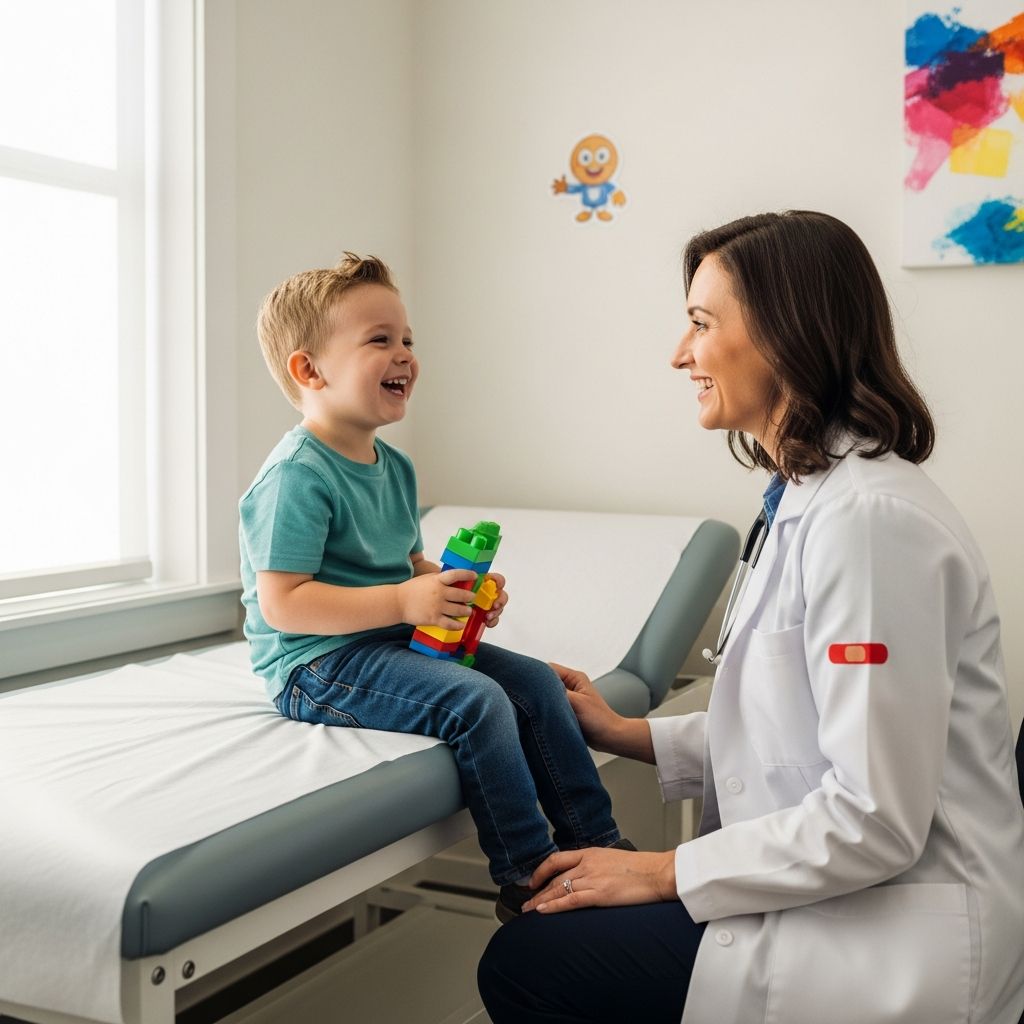
Understanding the Importance of Preparation
Medical appointments are a routine part of childhood healthcare, yet many children experience anxiety or uncertainty when facing a visit to their doctor’s office. The unfamiliar environment, strange instruments, and unexpected procedures can feel overwhelming for young minds. When parents take time to prepare their children for these visits, they create opportunities to transform potentially stressful experiences into positive learning moments. This preparation process benefits not only the immediate appointment but also establishes healthy attitudes toward healthcare that children carry throughout their lives.
Research and pediatric guidance consistently emphasize that children perform better during medical visits when they understand what to expect. By involving children in the preparation process and providing clear, age-appropriate information, parents can significantly reduce anxiety levels and help their children feel more in control of the situation. This collaborative approach transforms the child from a passive participant into an active partner in their own healthcare journey.
Communicating the Purpose of the Appointment
One of the most effective ways to prepare a child for a doctor’s visit is to explain clearly why they’re going and what will happen during the appointment. The language parents use matters significantly. Rather than mentioning only symptoms or problems, parents should frame regular checkups in positive terms that emphasize wellness and growth.
For routine health checkups, parents might explain the visit this way: “The doctor will check how you’re growing and developing. They’ll ask questions about how you’re feeling and examine different parts of your body to make sure everything is healthy. You’ll also have a chance to ask any questions about your body”. This explanation helps children understand that the doctor is a helper focused on keeping them healthy, not someone to fear.
When children know a visit is coming well in advance rather than being surprised by it, they have time to process the information and ask questions. This advance notice prevents the shock that can intensify anxiety. Parents should frame their language positively, talking about the doctor as someone who cares about the child’s health and wellbeing. Avoid negative language that might create false impressions about what the visit will entail.
Involving Your Child in Preparation Activities
Children benefit tremendously from active participation in preparing for their medical appointments. Rather than passively receiving information, allowing kids to contribute to the process gives them a sense of agency and control over the experience. This involvement can take several practical forms that make preparation feel like a collaborative effort rather than something being done to them.
One valuable activity is creating a symptoms list together. If the visit isn’t for an emergency, parents can sit down with their child and discuss what symptoms they’ve noticed, including seemingly unrelated ones. Writing these down not only ensures important information reaches the doctor but also helps children understand their role in communicating their health needs. Children can learn that their observations about their own bodies are valuable and worth documenting.
Developing questions to ask the doctor is another meaningful way to involve children. Parents can encourage kids to think about what they want to know about their health, body, or development. Writing these questions down—or having older children write them themselves—ensures nothing important is forgotten and gives children ownership of their appointment. This practice teaches children that their curiosity about their health is encouraged and that doctors welcome questions.
Parents might also help children compile information about previous illnesses, medical conditions, and family health history. Even young children can participate in this process by helping to remember when they were sick or asking relatives about their health conditions. This activity helps children understand that their medical history is important and that doctors use this information to provide better care.
Using Age-Appropriate Explanations and Role-Playing
The explanation style must match the child’s developmental stage. Very young children need simple, concrete descriptions of what will happen, while older children can understand more detailed medical explanations. For example, when describing a physical examination, parents might say, “The doctor will check your heart with a stethoscope, which might feel a little cold”. This specific, sensory description helps children know what to expect.
One powerful preparation tool is role-playing the visit at home. Parents can use toy doctor kits to demonstrate what will happen during the appointment. They might take turns being the doctor and patient, walking through each step of the visit. This practice makes the experience feel more familiar and less intimidating. Children who have practiced with a toy stethoscope or blood pressure cuff beforehand are less startled when the real doctor uses these instruments.
Parents should also explain what happens during check-in, how height and weight are measured, and what the doctor will do in the examination room. Being specific about these procedural details helps children feel grounded and prepared. Children feel more secure when they know exactly what sequence of events to expect.
Managing Parental Emotions and Modeling Calmness
Parents often underestimate how much their own anxiety affects their children. Children are remarkably attuned to their parents’ emotions, and if a parent approaches the doctor’s visit with worry or stress, the child is likely to absorb that anxiety. Parents who stay calm and positive about the visit significantly impact how their children experience it.
This means parents should examine their own feelings about medical appointments and consciously project confidence and positivity. Using reassuring language, maintaining a calm tone of voice, and expressing faith in the doctor’s care all communicate to children that medical visits are routine and manageable. When parents talk about their own doctor visits in positive terms, they model healthy attitudes toward healthcare.
Parents might also reframe their own perspective. Instead of viewing the appointment as something to dread or rush through, thinking of it as an opportunity to learn more about keeping their child healthy helps shift the emotional tone. Children pick up on these subtle shifts in parental attitude.
What to Bring and How to Prepare Practically
Practical preparation extends beyond emotional readiness. Parents should gather important documents and materials before the appointment to ensure a smooth visit. Essential items include insurance cards, insurance referrals or preauthorizations, information about copayments, photo identification, and the child’s immunization records. Previous medical records, including documented allergies, X-rays, and lab results, should also be available.
If the child is seeing a specialist, the pediatrician’s contact information should be brought along. Knowing the local pharmacy’s contact information helps with prescription fulfillment after the visit. Parents should arrive about 15 minutes early to complete any necessary paperwork without rushing.
Beyond documents, practical items make the visit more comfortable. Children do best when engaged in something enjoyable, so bringing books, toys, games, and comfort items like a favorite blanket or stuffed animal helps occupy their time in the waiting room. Bringing a child’s favorite snacks and drinks can also help, as can having extra diapers or changes of clothes for babies and toddlers. These small comforts can significantly reduce waiting room stress.
Distraction Techniques and Coping Strategies
During the appointment itself, parents can employ various distraction techniques to help their child cope with uncomfortable moments. These strategies help children focus on enjoyable activities rather than anxiety-producing procedures. Simple activities like singing, counting, reading books together, or blowing bubbles or pinwheels can redirect a child’s attention.
Parents should develop these coping plans before the appointment and ideally involve their child in creating them. When children have input on their coping strategies, they feel more in control and confident about managing the visit. Some children respond well to music, while others prefer interactive games or stories. Understanding what works best for an individual child allows parents to deploy these tools effectively.
During the appointment, parents can ask the doctor about accommodations whenever possible. While some medical procedures can’t be modified, others offer choices. For example, a child might be able to choose which arm the doctor uses to check blood pressure or whether they prefer to sit or lie down during certain examinations. These small choices increase a child’s sense of control.
Making the Most of the Appointment
For maximum benefit, parents should come to appointments with their top three to five questions or concerns clearly in mind. Whether concerns relate to development, behavior, sleep, eating, or social interactions with family members, writing these down before the visit ensures they get addressed. This focused approach respects both the doctor’s time and ensures the parent’s most pressing concerns are covered.
Parents should think of the appointment as a team effort. The relationship between pediatrician, parent, and child is most effective when all three work together. This collaborative approach helps develop optimal physical, mental, and social health for the child. Pediatricians appreciate parents who come prepared with information and questions, as this helps them provide better care.
Before leaving the office, parents should confirm follow-up appointments, discuss any needed prescription refills, request referral forms if necessary, and verify that test results or treatment information will be communicated. Many healthcare systems offer patient portals that allow parents to access their child’s medical records and test results, making it easier to stay informed about their child’s health between visits.
Regular Checkups and Building Healthy Healthcare Habits
Pediatricians typically recommend follow-up visits based on a child’s age and specific health needs. These routine checkups serve multiple important functions: tracking developmental milestones, ensuring vaccinations remain up to date, and addressing any emerging health concerns. Regular visits also allow the pediatrician to provide guidance on building healthy habits.
Doctors can offer invaluable advice on nutrition, sleep patterns, physical activity, and overall development. Each visit becomes an opportunity to learn more about supporting a child’s health. When children see that regular doctor visits are a normal, positive part of life, they develop attitudes that support lifelong wellness.
Frequently Asked Questions
Q: What should I do if my child is extremely anxious about doctor visits?
A: Start preparation further in advance, use more role-playing activities, and discuss the anxiety openly with the pediatrician. Many pediatric offices are experienced with anxious children and can provide accommodations or suggest additional strategies.
Q: How much advance notice should I give my child about an appointment?
A: Ideally, give children several days’ notice so they have time to process the information and ask questions. Too much advance notice can extend anxiety, while no notice increases fear of the unexpected.
Q: Can I help my child during uncomfortable procedures?
A: Yes, you can provide comfort, distraction, and support during most procedures. Ask the doctor how you can best help your child stay calm during their exam.
Q: Should I tell my child the truth about vaccinations or shots?
A: Be honest in age-appropriate ways. Explain that some things might be uncomfortable momentarily, but emphasize that vaccinations help keep them healthy and strong. Avoid creating false expectations.
Q: What if my child refuses to cooperate during the exam?
A: Stay calm, use distraction techniques, and communicate with the doctor. Most pediatricians are patient with uncooperative children and can often complete necessary examinations despite resistance.
References
- Prepare for Your Child’s Doctor’s Visit — NYU Langone Health. https://nyulangone.org/locations/hassenfeld-childrens-hospital/your-childs-visit/prepare-for-your-childs-doctors-visit
- How to Prepare Your Child for Their First Doctor’s Visit — Natomas Family Practice. https://natomasfamilypractice.com/how-to-prepare-your-child-for-their-first-doctors-visit-a-guide-for-sacramento-parents/
- Well-Child Care: A Check-Up for Success — American Academy of Pediatrics (HealthyChildren.org). https://www.healthychildren.org/English/family-life/health-management/Pages/Well-Child-Care-A-Check-Up-for-Success.aspx
- Preparing Your Child for Visits to the Doctor — Nemours KidsHealth. https://kidshealth.org/en/parents/dr-visits.html
- Prepare your child for a visit to the doctor — Children’s Hospital of Philadelphia. https://www.chop.edu/centers-programs/child-life-education-and-creative-arts-therapy/prepare-your-child-visit-doctor
- Preparing Your Child for a Visit to the Doctor — Brown University Health. https://www.brownhealth.org/be-well/preparing-your-child-visit-doctor