The transition to kindergarten marks a pivotal milestone for young learners, parents, and educators alike. This comprehensive resource equips everyone involved with actionable strategies to transform potential anxiety into excitement. Drawing from expert insights, it emphasizes preparation in self-sufficiency, routines, emotional resilience, and classroom dynamics to foster a positive launch into formal education.
Building Essential Life Skills at Home
Independence forms the cornerstone of kindergarten success. Children who master basic self-care tasks navigate the school day with greater ease, allowing focus on learning and socialization.
- Mastering Hygiene Basics: Practice independent bathroom use, including fastening clothing and thorough handwashing. Simulate school scenarios to build confidence.
- Clothing and Gear Proficiency: Ensure kids can zip jackets, tie shoes (or use slip-ons), and manage backpacks without assistance.
- Mealtime Independence: Teach opening lunch containers, using utensils, and carrying trays steadily to prevent spills.
Integrate these into daily play. Games like timed challenges make practice engaging, reinforcing skills without pressure.
Establishing Rock-Solid Daily Routines
Consistent schedules provide security amid change. Begin adjustments weeks ahead to align with school hours.
| Routine Phase | Key Actions | Timeline |
|---|---|---|
| Evening Wind-Down | Set fixed bedtime; read stories; prepare outfit and bag | 2-3 weeks pre-school |
| Morning Launch | Wake early for breakfast, dressing, review day | Gradual 15-min shifts |
| Post-School Reset | Snack, play, homework slot, screen-free dinner | Start immediately |
Wean from naps progressively if school skips rest time. This prevents fatigue on full days.
Cultivating Listening and Social Foundations
Beyond academics, kindergarten prioritizes social-emotional growth. Hone attention and cooperation through fun activities.
- Games like Simon Says or Red Light/Green Light sharpen direction-following.
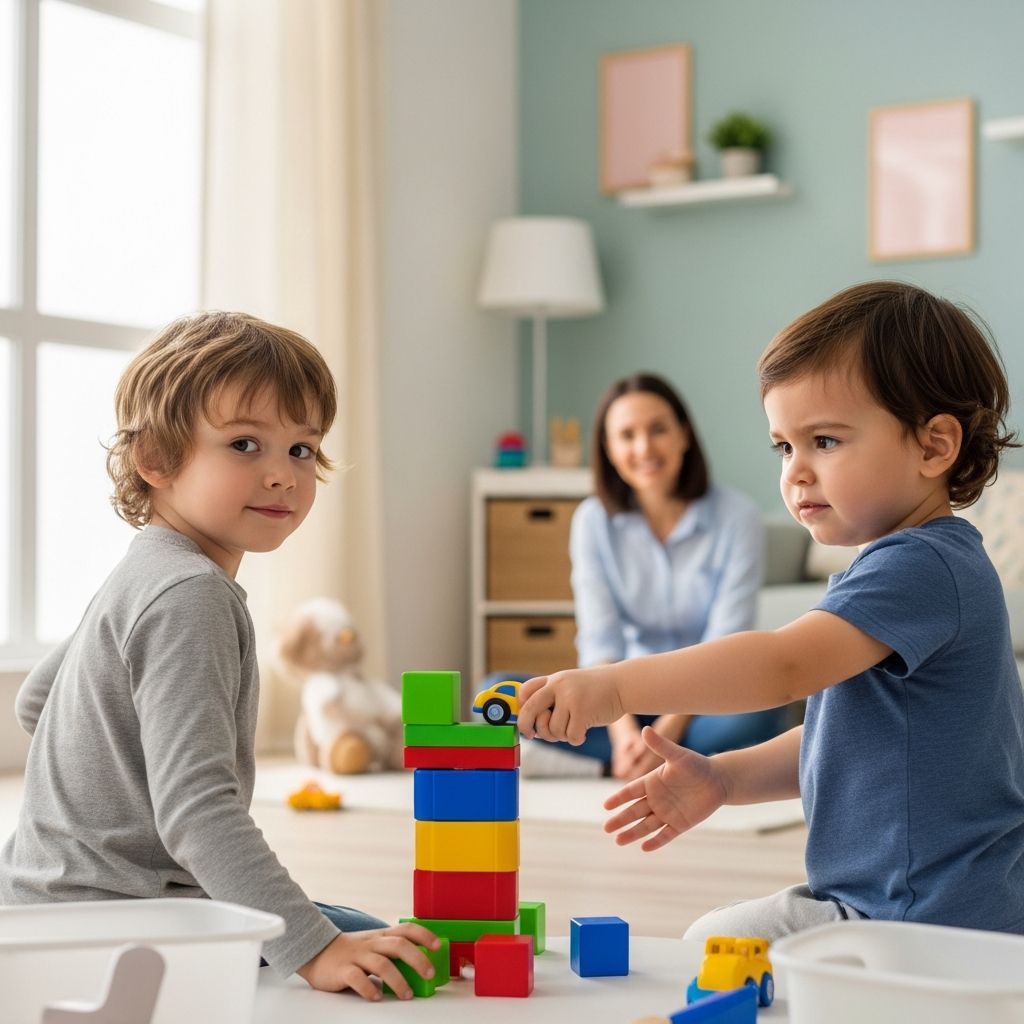
- Role-play sharing toys and turn-taking to mimic group play.
- Practice name recognition and greetings for peer connections.
These build resilience for group settings, where listening trumps rote knowledge initially.
Curating the Perfect School Supply Kit
Involve children in selecting gear to spark ownership. Opt for durable, child-sized items.
- Backpack: Lightweight, single-zip for easy access.
- Lunch Gear: Insulated bag with simple-open containers; brainstorm healthy snacks together.
- Essentials: Extra clothes, water bottle, name-labeled supplies per teacher list.
A ‘dry run’ packing session the night before cements familiarity.
Fostering Positive Mindsets and Emotions
Children’s cues mirror parental energy. Model enthusiasm while validating fears.
Use affirming language: ‘You’ll make new friends and discover fun!’ Share your school stories lightly. Books like The Kissing Hand or First Day Jitters normalize jitters through narrative.
- Acknowledge feelings: ‘It’s okay to feel nervous; excitement comes too.’
- Visual aids: Draw ‘My First Day’ pictures to process expectations.
Leveraging Pre-School Visits and Meet-and-Greets
Familiarity breeds comfort. Attend open houses to tour spaces and meet staff.
- Locate cubby, bathroom, playground.
- Ask about routines, drop-off, communication apps.
- Encourage brief peer chats to preview friendships.
For teachers: Host informal playdates if possible.
Teacher’s Playbook: Crafting a Seamless Classroom Debut
Educators set the tone with structured flexibility. Over-prepare activities while expecting hiccups.
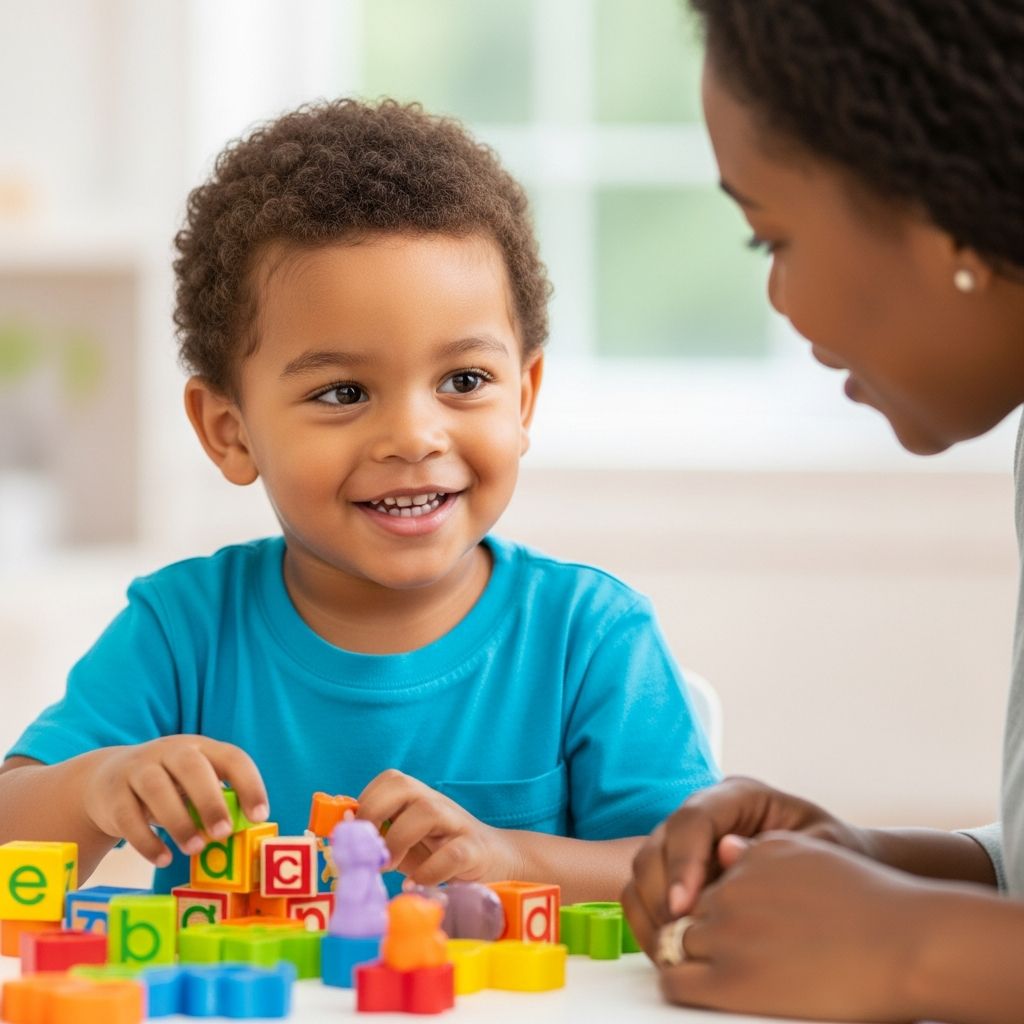
- Arrival Zone: Open-ended play like blocks and crayons for staggered entries.
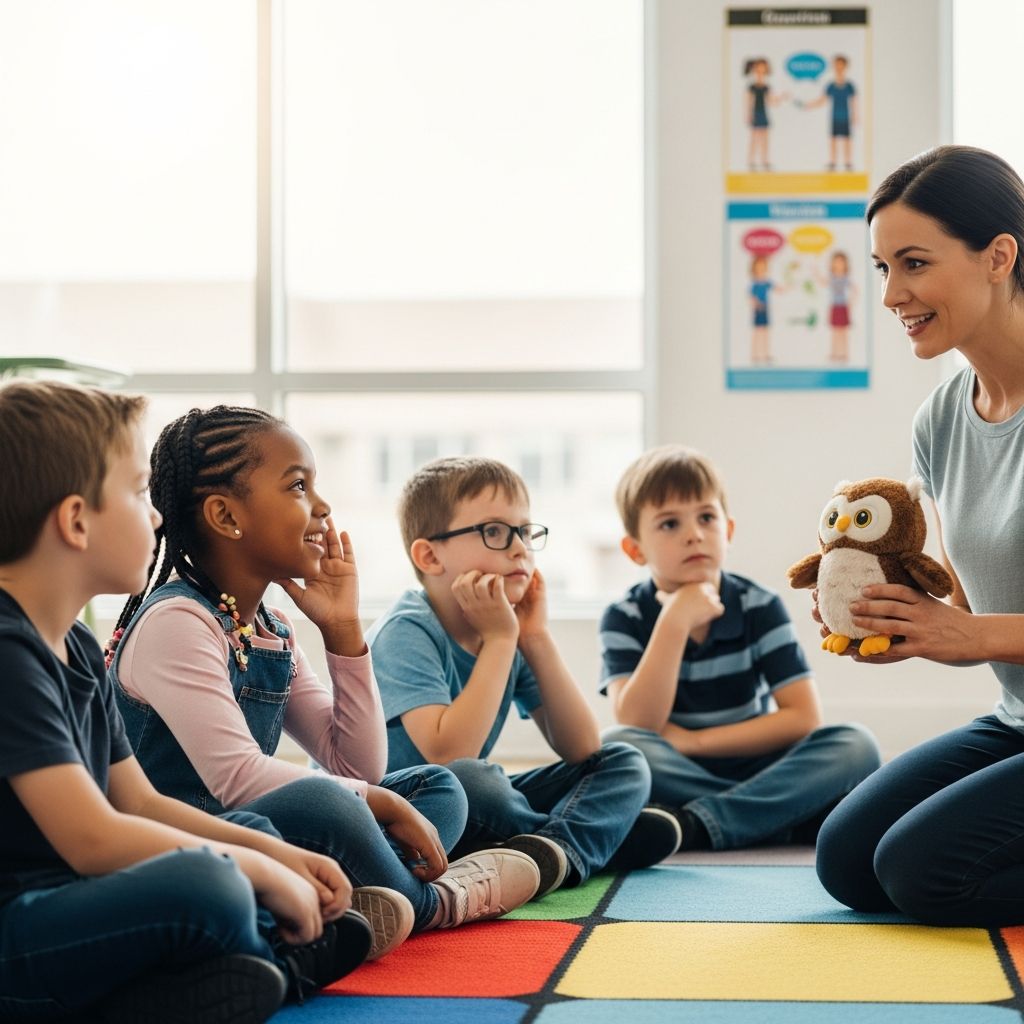
- Attention Signals: Introduce 2-3 cues (claps, songs); practice repeatedly.
- Core Routines: Line-up etiquette, circle greetings, cleanup chants.
- Abbreviated Sessions: Short morning circle with name games and shared reads.
Prioritize bathroom tour and protocols early.
Navigating the School Environment Tour
Orient kids to key areas without overwhelm. Quick walks build spatial confidence.
- Bathrooms: Model use, hygiene rules.
- Playground, lunchroom, library basics.
- Emergency spots like safe corners.
Repeat over days; first pass is introductory.
Managing Recess, Lunch, and Transitions
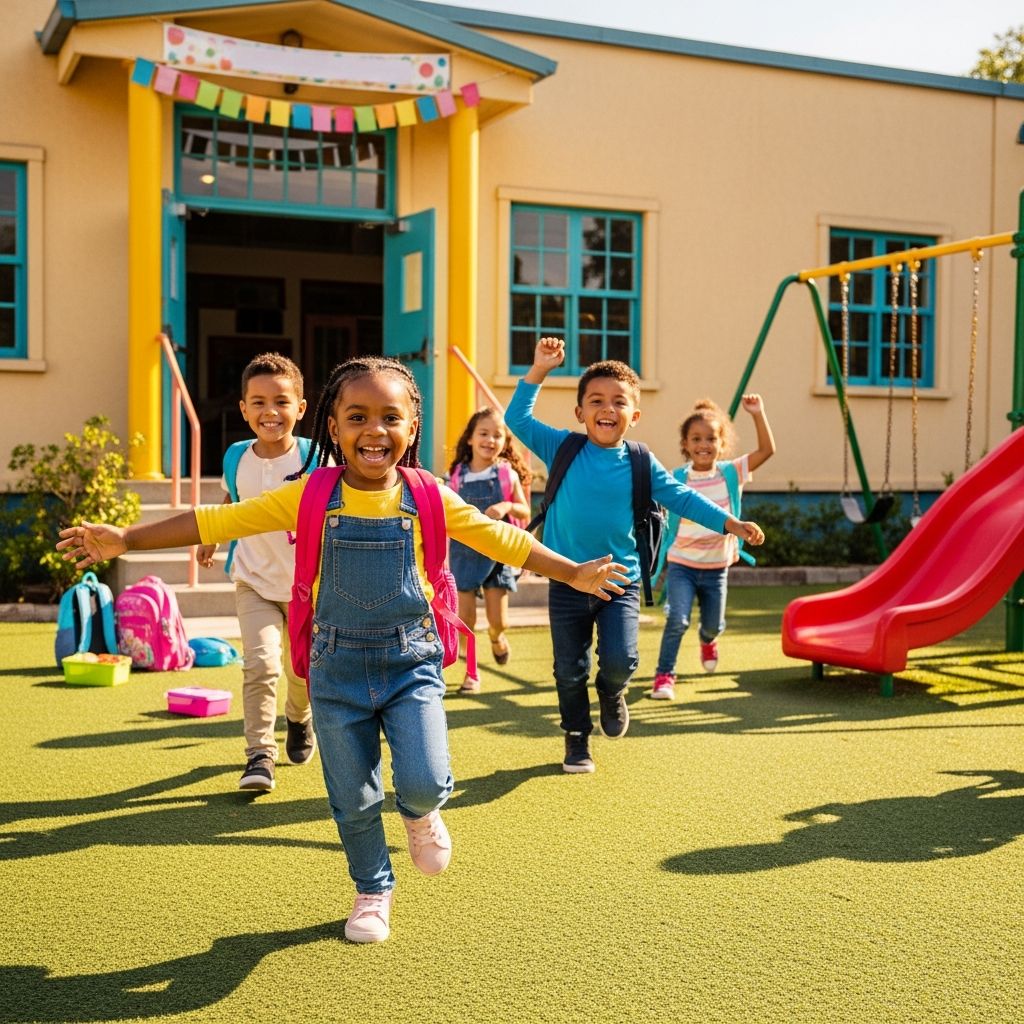
Balance structure with free play. Post-outdoor, ease into quiet activities.
- Read-aloud for calm regrouping.
- Crayon etiquette and simple art prompts.
- Name/label crafts for personalization.
Allocate dismissal buffer for parent handoffs and reflections.
Dismissal Dynamics and After-School Debrief
End strong to reinforce positives. Clear signals prevent chaos.
Parents: Greet calmly, ask open questions like ‘What was fun?’ Avoid probing negatives first. Journal highlights together.
- Snack and rest immediately.
- Celebrate small wins with stickers or notes.
Frequently Asked Questions
What if my child cries on the first day?
Reassure briefly, then redirect to activities. Most settle quickly; teachers handle separations routinely.
How much academic prep is needed?
Focus on social skills over ABCs. Letters/numbers emerge naturally.
What if routines falter at home?
Persist gently; consistency pays off in weeks. Adjust bedtime gradually.
Should I pack a lunch or use cafeteria?
Follow school policy; homemade fosters involvement.
How to connect with the teacher?
Email intro pre-start; attend events; use class apps.
Long-Term Triumph: Beyond Day One
Sustain momentum with ongoing support. Weekly check-ins track progress. Celebrate growth monthly.
Parents: Foster curiosity via home extensions like nature journals. Teachers: Layer routines progressively.
This holistic approach ensures kindergarten becomes a launchpad for lifelong learning.
References
- 10 Steps for a Smooth and Successful First Day of Kindergarten — Kindergarten Cafe. 2023. https://kindergartencafe.org/10-steps-for-a-smooth-and-successful-first-day-of-kindergarten/
- 10 Things for Parents to Know for the First Day of Kindergarten — DreamBox Learning. 2023. https://www.dreambox.com/math/kindergarten/first-day-of-kindergarten
- Tips to Help Your Child Start Kindergarten with Confidence — University of Utah Health. 2025-08. https://healthcare.utah.edu/healthfeed/2025/08/tips-help-your-child-start-kindergarten-confidence
- Ready for Kindergarten: 10 Tips — Start Early. 2023. https://www.startearly.org/post/ready-for-kindergarten-10-tips/