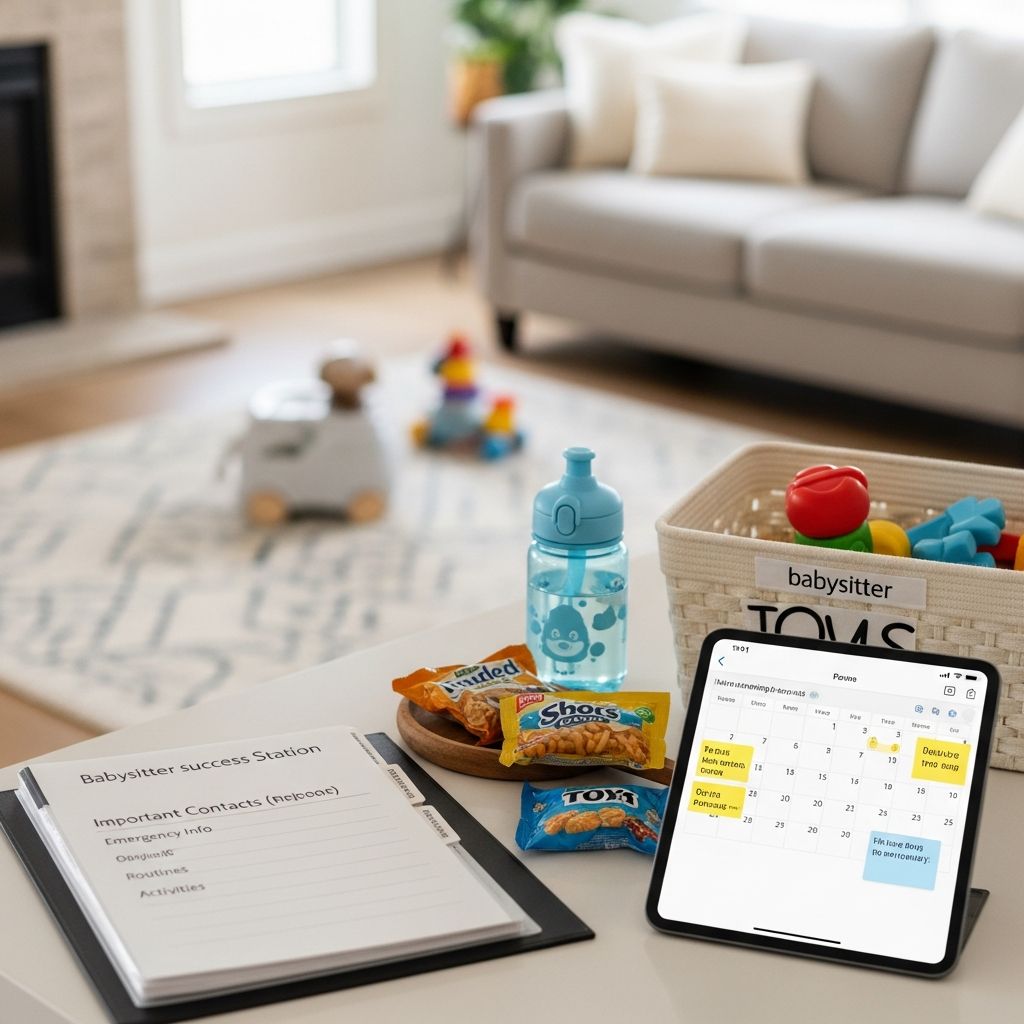
Leaving your child with a babysitter can feel like a leap of faith, whether it is your first date night out in months or a regular weekly arrangement. The key to feeling calm while you are away is not just choosing the right sitter, but preparing that sitter well, setting clear expectations, and making sure your child knows what to expect too.
Why Preparing Your Babysitter Matters
Good babysitting does not start when you walk out the door; it begins with thoughtful planning before the sitter ever rings the bell. This preparation helps your child feel secure, helps the sitter feel confident, and dramatically reduces the chances of misunderstandings or safety mishaps.
- Children handle separations more smoothly when they know the plan and trust the adult who is staying with them.
- Sitters make better decisions and stay calmer in unexpected situations when they understand your rules, routines, and boundaries.
Step 1: Decide What You Really Need
Before you even book a sitter, clarify in your own mind what you expect from this person. Babysitters can play many roles, ranging from simple supervision to more involved caregiving.
- Are you expecting basic playtime and bedtime, or also light housework, homework help, or meal prep?
- Will the sitter stay inside only, or will there be walks, playground visits, or car trips?
- Do you need someone comfortable with infants, multiple children, or special needs?
Getting specific now prevents frustration later. It also helps you match the right sitter to the right job instead of hoping any teenager with free time can handle whatever comes up.
Step 2: Create a One-Page Sitter Snapshot
A short, clear, written reference sheet can be your best friend. Think of this page as a quick-start guide to your home and your children, not a long manual no one will read.
- Contact information: Your mobile numbers, any backup adult, and the address of where you will be.
- Child details: Names, ages, key medical information (allergies, conditions, medications), and any big fears or triggers.
- Schedule: Typical mealtimes, screen time rules, and bedtime routine in a few bullet points.
- House essentials: Wi-Fi password (if you are okay with use), location of first aid supplies, and which neighbors can be contacted in a pinch.
Keep the tone practical and simple. The goal is to give the sitter enough information to handle common situations without having to guess or call you for every tiny decision.
Step 3: Walk Through Your House Like a Babysitter
What seems obvious to you in your own home will not be obvious to someone walking in for the first time. Spend a few minutes viewing your space through a sitter’s eyes and fix anything confusing before the job begins.
- Check doors and locks: Decide which doors should remain locked, and show the sitter how they work.
- Identify off-limits areas: Home office, storage rooms, or spaces under construction should be clearly marked as out of bounds.
- Make safety items easy to find: Flashlight, first aid kit, fire extinguisher, and important phone numbers should not be buried in a cabinet they will never think to open.
Consider labeling drawers or using a small basket for the essentials the sitter will need, such as pajamas, diapers, wipes, and a favorite bedtime book.
Step 4: Explain House Rules Clearly (Without Overloading)
Babysitters cannot respect boundaries they do not know exist. At the same time, rattling off a 20-minute speech of rules right as you are putting on your shoes will overwhelm anyone.
Focus on the “Big Five” Categories
- Food and drinks: What kids can have, what is off-limits, and where eating is allowed.
- Screens: Approved shows or apps, time limits, and whether video calls with friends are allowed.
- Visitors: Whether any friends or partners of the sitter are allowed to stop by (usually best to say no).
- Outings: Whether they may go outside, to the park, or for a walk, and any boundaries (for example, stay within the yard).
- Discipline: What is acceptable (redirection, time-limited quiet time) and what is not (shouting, physical punishment).
Short, strong statements work best: “We do not open the door for anyone,” or “Phones stay on the counter while kids are awake.” Back these up with explanations when needed so the sitter understands the “why,” not just the “what.”
Step 5: Prepare Your Child, Not Just the Sitter
Children take their cues from how the adults behave. If you seem nervous and rushed, your child will feel uncertain. A calm, confident introduction sets the tone for the rest of the evening.
- Talk ahead of time: Mention the sitter earlier in the day so it is not a surprise when they arrive.
- Describe what will happen: Who will do bedtime, what games they might play, and when you plan to be home.
- Give them a simple job: Let your child show the sitter their favorite toy or how to work a particular game or light.
A short, affectionate goodbye is usually better than a long, emotional one. Lingering can unintentionally signal that you are not sure things will be okay without you.
Step 6: The Arrival Ritual
When the babysitter shows up, treat the first 10–15 minutes as a small orientation session instead of a frantic scramble. This quiet time can build trust all around.
| Time | What You Do | Why It Helps |
|---|---|---|
| Minutes 1–5 | Warm greeting, brief chat with sitter, introduce them to your child. | Builds familiarity and shows your child you trust this person. |
| Minutes 5–10 | House walk-through, pointing out safety items, off-limits areas, and key rooms. | Reduces confusion and makes emergencies easier to handle. |
| Minutes 10–15 | Review written snapshot, confirm schedule, answer any last questions. | Clarifies expectations and invites honest communication. |
Step 7: Talk About “What If” Scenarios
No one wants to imagine emergencies, but walking through a few realistic “what if” situations can be empowering for a sitter. It also shows that you take safety seriously without scaring them.
- What if the child has a nosebleed, fever, or throws up?
- What if the power goes out or the smoke alarm beeps?
- What if someone knocks on the door or calls the landline?
- What if your child refuses to go to bed or has a meltdown?
Offer concrete steps and give the sitter permission to use their judgment within your boundaries. Make it clear when they should call or text you, and when they should skip calling and focus on comforting the child.
Step 8: Define Communication Expectations
Every family has a different comfort level with texts and check-ins. Some parents want a quick update at bedtime; others prefer to hear only if something is wrong. Prevent misunderstandings by saying what you want upfront.
- Specify how to reach you: Text, phone call, or messaging app, and which number is best.
- Explain what counts as urgent: For example, injury, high fever, severe allergic reaction, or a stranger at the door.
- Mention what is optional: Cute photos, quick “all good” messages, or reports about minor behavior issues.
Reassure the sitter that contacting you is never an inconvenience in truly uncertain or scary situations. The relationship works best when they feel supported, not judged, for reaching out.
Step 9: Balance Comfort and Boundaries for the Sitter
A babysitter does better work when they are not hungry, freezing, or unsure where they are allowed to sit. At the same time, they are a guest in your home, so clarity about what is okay helps everyone relax.
- Offer refreshments: Let them know what food or drinks they may help themselves to.
- Explain where they can be: Living room, kitchen, kids’ rooms, and whether they may study, read, or watch TV once children are asleep.
- Clarify overnight rules: For longer sits, explain where they can rest and what time you expect children to be quiet.
Showing that you care about their comfort signals respect, which usually leads to more care and attention directed toward your child.
Step 10: Leaving the House Confidently
Once the basics are covered, avoid restarting the entire orientation monologue on your way out the door. A calm exit reassures both your child and the sitter that everything is under control.
- Say goodbye directly to your child, keeping it warm but brief.
- Confirm what time you expect to be back and what to do if you are delayed.
- Remind the sitter where the written information and emergency contacts are located.
Trust yourself at this point. You have laid the groundwork. Now it is time to go and let your sitter do the job they agreed to do.
After You Return: Debriefing Without Blaming
What happens after the babysitting session is just as important as the preparation. A short debrief helps you catch any issues early, appreciate what went well, and strengthen the relationship with both your child and the sitter.
- Ask open-ended questions: “How did bedtime go?” or “Anything I should know for next time?”
- Invite feedback: “Was there anything that felt unclear?” or “What would make it easier next time?”
- Listen to your child later: Ask them how they felt, what they enjoyed, and if anything made them uncomfortable.
When something went wrong, separate the issue from the person. Focus on solutions: more detailed instructions, different activities, or possibly choosing a sitter who is a better match for your child’s temperament.
Building a Long-Term Relationship With a Trusted Sitter
The most valuable babysitting situation is often not a one-time booking, but an ongoing relationship where your sitter becomes a familiar and trusted presence in your child’s life. Consistency builds comfort for everyone.
- Show appreciation: Fair pay, occasional tips, and simple thank-you notes go a long way.
- Give notice: Request dates in advance when possible so the sitter can plan around you.
- Offer helpful context: Let them know about big changes (new school, new sibling, recent fears) that might affect behavior.
Many families find that a sitter who understands their rhythms becomes almost like extended family, which can ease transitions, move-ups to later bedtimes, and even more complex outings.
Sample Checklist: Before You Walk Out the Door
Use the following checklist as a starting point and customize it to your needs. You can print it and keep it on your fridge for quick reference on babysitting nights.
- Contact numbers are written down (yours, backup adult, nearby neighbor).
- Medical details are clear (allergies, medications, special instructions).
- Bedtime routine is explained (bath or no bath, number of stories, lights-out time).
- Meals and snacks are prepared or described (what, when, and any no-go foods).
- House rules are covered (screens, visitors, outings, door policy).
- Safety items are visible (first aid kit, flashlight, emergency exits).
- Your child has been introduced, has a plan for the evening, and knows when you expect to be home.
Frequently Asked Questions
How early should a babysitter arrive before I leave?
For a first-time sitter, having them arrive about 30 minutes early gives you time to introduce them to your child, walk through the house, and review routines without rushing. For repeat sits, 10–15 minutes is usually enough to update them on any changes and answer questions.
What information is essential for my babysitter to have in writing?
At a minimum, provide your phone number, where you will be, a backup contact, your home address, and any critical medical information about your child such as allergies or medications. Adding bedtime plans, food options, and notes about fears or comfort items helps the sitter manage the emotional side of the evening as well.
How do I talk to my child if they are nervous about a new sitter?
Validate their feelings by acknowledging that new people can feel strange at first, then explain who the sitter is and why you trust them. Outline the plan for the evening in simple language, emphasize that you will come back, and give your child one or two small choices (like which game to show the sitter first) so they feel some control.
What should I do if a babysitting experience does not go well?
Gather information from both the sitter and your child without jumping to conclusions. Decide whether the issue was a mismatch in expectations, a lack of clear instructions, or a true red flag, and address it calmly. You might adjust your preparation process, give more guidance for next time, or, if safety or respect was compromised, choose not to hire that sitter again.
How can I tell if a sitter is a good long-term fit for our family?
Look for signs that your child feels comfortable and looks forward to visits, and that the sitter follows your rules while showing warmth and initiative. Reliability, punctuality, honest communication, and a willingness to learn from feedback are strong indicators of a sitter who can grow with your family over time.
Preparing a babysitter well takes some effort up front, but it pays off in calmer kids, safer evenings, and a trusting relationship with the person caring for your child. With clear expectations, thoughtful communication, and a bit of practice, you can head out the door feeling far more relaxed about what is happening back at home.