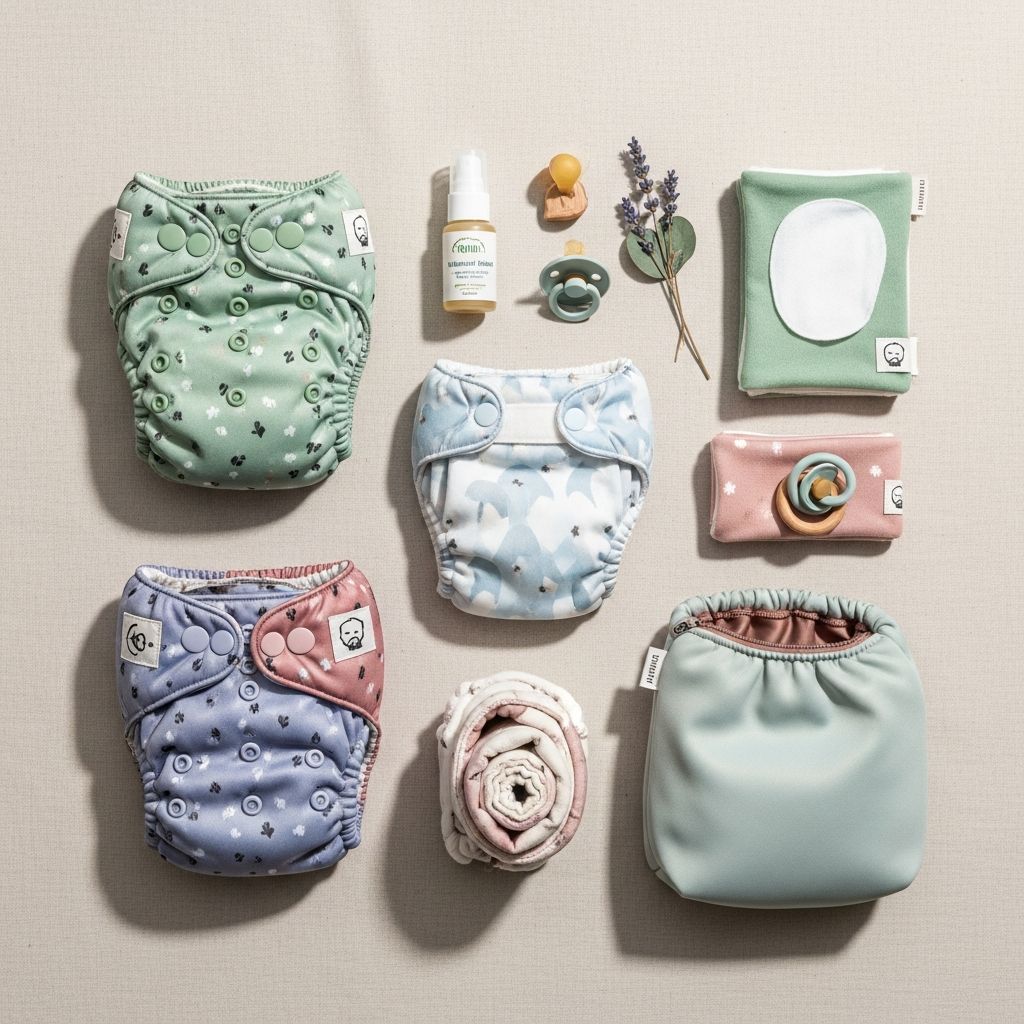
Diaper rash is one of the most common skin problems in babies and young toddlers. It can look alarming and make your child uncomfortable, but it is usually treatable at home with simple steps. This guide explains how to recognize different kinds of diaper rash, what you can safely do at home, and when you should contact your child’s healthcare provider.
Understanding Diaper Rash
Diaper rash (also called diaper dermatitis) is irritation of the skin in the area covered by a diaper, including the buttocks, genitals, lower belly, and upper thighs. The skin may look red, discolored, or bumpy, and your baby may seem fussy, especially during diaper changes.
Why Diaper Rash Happens
The diaper area is a perfect place for irritation because it is often warm, moist, and closed off from air. Over time, this environment can damage the skin’s protective barrier and make it easier for irritants, yeast, or bacteria to cause a rash.
- Prolonged wetness: Skin that stays in contact with urine or stool for too long becomes soft and more prone to breakdown.
- Rubbing and friction: A snug or rough diaper can chafe the skin, especially in skin folds or around the edges.
- Skin sensitivity: Some babies have more delicate skin or underlying conditions like eczema that make rashes more likely.
- Yeast or bacteria: Germs thrive in warm, damp places. A simple irritation can quickly be joined by a yeast or bacterial infection.
- New products: Fragrances, dyes, or certain ingredients in wipes, soaps, detergents, or diapers can trigger irritation or allergy in some children.
Common Triggers in Everyday Life
Parents often notice diaper rash more often during certain times:
- When a baby starts sleeping longer stretches and diapers stay on overnight.
- During diarrhea or frequent stools, which are more irritating than normal bowel movements.
- After starting solid foods, when stool patterns and acidity change.
- When a baby or breastfeeding parent is taking antibiotics, which can increase yeast overgrowth and diarrhea.
How to Recognize Different Types of Diaper Rash
Not all diaper rashes look the same. Knowing the typical patterns can help you choose the most effective home care and understand when to call your child’s doctor.
| Type of rash | What it usually looks like | Possible cause |
|---|---|---|
| Simple irritation rash | Red or discolored patches where the diaper touches; skin may look sore, slightly swollen, or dry and scaly. | Prolonged wetness, friction, or exposure to stool and urine. |
| Yeast-related rash | Bright red rash, often in skin folds; may have tiny red “satellite” bumps nearby; may be shiny or difficult to clear. | Overgrowth of Candida yeast in warm, moist areas, often after antibiotics or long-standing irritation. |
| Bacterial infection | Very inflamed areas, sometimes with yellow crusts, oozing, pimples, or blisters; baby may have a fever. | Overgrowth of bacteria in damaged skin; needs medical evaluation and often prescription treatment. |
| Allergic or contact rash | Redness, bumps, or scaling in areas that touch a new product, such as wipes or diapers; may spare some folds. | Reaction to fragrances, preservatives, dyes, or other ingredients in skin care or laundry products. |
Signs Your Baby May Be Uncomfortable
Even a mild rash can hurt. Clues that your baby is bothered include:
- Crying, arching, or trying to roll away during diaper changes.
- Fussiness or difficulty settling, especially when the diaper is wet or soiled.
- Trying to scratch or touch the diaper area in older babies.
Home Treatment: Step-by-Step Care
The main goals of home treatment are to protect the skin, keep the area dry, and reduce irritation. Most mild diaper rashes improve in a few days with consistent care.
1. Change Diapers More Often
- Check diapers frequently and change them as soon as they are wet or soiled.
- During a rash, many pediatric sources recommend changes at least every 2–3 hours in the daytime and soon after each bowel movement.
2. Clean Gently, Not Aggressively
- Use lukewarm water and a soft cloth or cotton balls to clean the area.
- If you use wipes, pick ones that are alcohol-free and fragrance-free to reduce stinging and irritation.
- Avoid scrubbing; pat or dab instead of rubbing to prevent further skin damage.
- Let the area air-dry for a few minutes whenever possible before putting on a new diaper.
3. Use Barrier Ointments Generously
Barrier products form a protective layer between your baby’s skin and moisture.
- Look for creams or ointments containing zinc oxide or petrolatum (petroleum jelly), which are commonly recommended by pediatric dermatology sources.
- Apply a thick, even layer like icing on a cake over all areas that contact the diaper.
- You do not need to remove every trace at each change; gently wipe away only the soiled top layer and reapply.
4. Let Skin Breathe
- Give your baby diaper-free time several times a day on a washable mat or towel.
- When a diaper is on, fasten it so it is secure but not too tight, allowing some airflow and reducing friction.
- Avoid plastic pants or additional waterproof covers that trap heat and moisture.
5. Consider Special Situations
If the rash seems consistent with yeast or is not improving with basic care, your pediatrician may suggest an antifungal cream (such as those containing clotrimazole, miconazole, or similar agents) to be applied before the barrier ointment. Do not start prescription-strength steroid creams without medical advice, as overuse in the diaper area can thin the skin.
Preventing Future Diaper Rashes
Once the skin has healed, continuing good habits can make rashes less frequent and milder when they do occur.
Daily Habits That Protect Skin
- Frequent diaper changes: Try not to let diapers remain wet or soiled for long stretches, especially overnight or during illnesses.
- Gentle cleansing routine: Stick with mild, fragrance-free wipes or plain water and a soft cloth.
- Barrier cream as routine: Some parents apply a thin layer of barrier ointment at every bedtime or after each bowel movement as a preventive step.
- Loose-fitting diapers and clothing: Allow air circulation and reduce rubbing.
Watch for Product Reactions
- If you notice a rash after switching diaper brands, wipes, detergents, or soaps, consider going back to your previous product or trying a hypoallergenic option.
- Fragrance-free, dye-free, and labeled “for sensitive skin” products are often better tolerated in babies prone to irritation.
During Illness or Antibiotic Use
Rashes are more likely during diarrhea or when your child, or a breastfeeding parent, is taking antibiotics.
- Change diapers promptly after each loose stool.
- Consider extra diaper-free time and more frequent barrier cream use during these periods.
When to Call the Doctor
Most diaper rashes can be managed at home, but some situations need professional guidance. Pediatric and dermatology organizations recommend contacting your child’s healthcare provider if any of the following occur:
- The rash does not improve after 3–4 days of careful home treatment.
- The rash is spreading beyond the diaper area or has very sharp, raised borders.
- You see blisters, open sores, yellow crusts, or pus.
- Your baby has a fever or appears generally unwell (poor feeding, low energy).
- There is significant pain, and your baby cries intensely when the area is touched or cleaned.
- You suspect the rash is related to another skin condition such as eczema, psoriasis, or seborrheic dermatitis.
At the visit, the clinician may:
- Confirm whether the rash is mainly irritant, yeast-related, bacterial, or allergic.
- Recommend or prescribe antifungal creams for yeast or antibiotics (topical or oral) for bacterial infections.
- In some cases, prescribe a short course of a low-strength steroid cream to calm severe inflammation, usually used for only a few days and always under medical supervision.
Safe and Unsafe Practices
Parents often receive many suggestions from friends or online forums. It is important to know what is considered safe based on pediatric and dermatology guidance.
Generally Safe (When Used as Directed)
- Barrier creams and ointments with zinc oxide or petrolatum.
- Fragrance-free, alcohol-free wipes or plain water and mild soap.
- Antifungal creams recommended by your child’s doctor for suspected yeast rashes.
- Short-term, low-strength hydrocortisone cream only if specifically advised by a clinician and used exactly as instructed.
Best to Avoid Unless Directed by a Clinician
- Full-strength adult steroid creams or long-term steroid use in the diaper area.
- Products with strong fragrances, alcohol, or harsh preservatives that can sting or further irritate the skin.
- Homemade remedies that have not been checked with a clinician, especially if they may trap moisture or introduce bacteria.
- Powders containing talc or cornstarch, which may be inhaled or contribute to irritation if misused.
Practical Tips for Day-to-Day Management
Managing diaper rash is often about consistency and small changes. These practical ideas can make daily care easier:
- Keep a small diaper-change caddy with water, soft cloths, barrier cream, and a few diapers in every room where you usually change your baby.
- During a bad flare, set a timer reminder to check diapers more often, especially if your baby does not always cry when wet.
- During nap or playtime, place your baby on a large washable blanket or waterproof pad with no diaper for short periods to let the skin dry.
- For nighttime, talk to your child’s doctor about strategies if frequent wake-ups for changes are difficult; sometimes extra barrier cream layers help protect the skin between changes.
Frequently Asked Questions (FAQs)
Q: How long should it take for a diaper rash to improve?
With frequent diaper changes, gentle cleaning, and regular use of barrier creams, most mild diaper rashes start to look better within 2–3 days and largely clear within about a week. If you do not see improvement after 3–4 days, or the rash gets worse, contact your child’s healthcare provider.
Q: Can diaper rash be a sign of an allergy?
Yes. Some rashes are partly triggered by sensitivity to ingredients in diapers, wipes, soaps, or detergents. These rashes tend to appear where the product contacts the skin and may improve when the suspected product is stopped and replaced with a fragrance-free, hypoallergenic option. Your pediatrician or a dermatologist can help determine if an allergy is likely.
Q: Do cloth diapers or disposable diapers cause fewer rashes?
Both cloth and disposable diapers can be used safely. The most important factor is keeping the skin dry and clean, regardless of diaper type. Some babies do better with highly absorbent disposables, while others do well with cloth and frequent changes. If using cloth, be sure to rinse thoroughly and use a gentle, fragrance-free detergent.
Q: When is diaper rash considered an emergency?
Diaper rash itself is rarely an emergency, but seek urgent care if your baby has a high fever, appears very ill, is not feeding well, or if the rash includes rapidly spreading redness, severe swelling, large blisters, or areas that look black or purple. These can be signs of a more serious infection that needs immediate medical attention.
Q: Can I still use wipes when the rash is severe?
Many babies tolerate fragrance-free, alcohol-free wipes even during a rash, but if your child seems to cry more with wipes, switch temporarily to plain lukewarm water and soft cloths or cotton balls. Always pat instead of rubbing, and then apply a thick barrier ointment.
References
- Diaper rash: Symptoms & causes — Mayo Clinic. 2023-12-20. https://www.mayoclinic.org/diseases-conditions/diaper-rash/symptoms-causes/syc-20371636
- Diaper rash: Diagnosis & treatment — Mayo Clinic. 2023-12-20. https://www.mayoclinic.org/diseases-conditions/diaper-rash/diagnosis-treatment/drc-20371641
- Diaper Dermatitis (Diaper Rash) — Nationwide Children’s Hospital. 2022-06-01. https://www.nationwidechildrens.org/conditions/diaper-dermatitis-diaper-rash
- Diaper Rash — Seattle Children’s Hospital. 2023-05-15. https://www.seattlechildrens.org/conditions/a-z/diaper-rash/
- Diaper Rash: Symptoms, Causes & Treatment — Cleveland Clinic. 2023-02-08. https://my.clevelandclinic.org/health/diseases/11037-diaper-rash-diaper-dermatitis
- Diaper Rash — Cincinnati Children’s Hospital Medical Center. 2021-09-10. https://www.cincinnatichildrens.org/health/d/diaper-rash