Understanding Daytime Sleep Events: A Modern Approach to Slumber Parties
The traditional overnight slumber party has evolved, and many families are discovering the benefits of daytime sleep events—occasions where children gather for evening activities and retire early, departing before the typical morning farewell. This approach combines the excitement and social bonding of a traditional sleepover with practical advantages for both hosts and guests. Understanding what makes these events successful requires attention to planning, communication, and creating an environment where children feel safe and entertained.
Defining Your Event Structure and Guest Count
The foundation of any successful daytime sleep event begins with determining its scope. The number of children attending directly influences the complexity of planning, the physical space required, and the level of supervision needed. Research suggests that hosts new to organizing these events should begin modestly.
Starting with a smaller group of one to three guests allows you to establish routines and understand your family’s capacity for hosting. As you gain experience and confidence, expanding to larger groups becomes more manageable. However, if you have multiple responsible adults available for supervision throughout the evening, accommodating six to ten children is feasible from the start. The key consideration involves honestly assessing your family’s comfort level with managing the group dynamics, coordinating activities, and handling unexpected situations.
Timing and Scheduling Considerations
The timing of your event significantly impacts its success. Most planning resources recommend starting the gathering in the afternoon—typically around 3:00 PM—to allow flexibility for participants’ morning schedules and activities. This start time provides adequate hours for structured activities, meals, and wind-down periods before bedtime.
Selecting Saturday as your event date offers advantages over Friday gatherings. Children arriving directly from school on Friday may feel overstimulated and fatigued, whereas a Saturday event allows for rest and mental preparation. Setting a pickup time between 10:00 AM and 12:30 PM the following morning accommodates family routines and avoids awkward early-morning departures.
Crafting and Distributing Invitations
Effective invitations serve as your primary communication tool with both children and their parents. Invitations should be distributed at least two to three weeks in advance, providing recipients ample time to check calendars and plan accordingly. Include the following essential information:
- Your child’s name and the event description or theme
- Specific date and start time (recommend 3:00 PM or later)
- Pickup time the following morning (between 10:00 AM and 12:30 PM)
- Your complete address and contact phone number
- RSVP deadline date, typically one week before the event
- List of items guests should bring (sleeping bag, pillow, toiletries, change of clothes)
- Information about meal provisions and any dietary restrictions you can accommodate
- Brief description of planned activities
- Supervision details and safety protocols
Creative invitation presentations enhance excitement. Cutting invitations into thematic shapes, such as sleeping masks or pillows, adds visual appeal. Allowing your child to personalize or deliver invitations strengthens their investment in the event. Follow up with a reminder message one week before the event to confirm attendance and address any parent questions.
Planning the Schedule and Activity Progression
A well-structured timeline creates flow and maintains momentum throughout the evening while preventing excessive energy or boredom. However, rigid scheduling can feel overly restrictive. The ideal approach involves planning two to three structured activities while preserving flexibility and free time for spontaneous play.
Arrival and Welcome Activities
As guests arrive, create a low-pressure environment that allows them to settle in comfortably. Designate a space for belongings and help each child locate their sleeping area. Playing background music and offering simple accessories—such as flower crowns or decorative items—creates an engaging atmosphere without demanding participation. An arrival activity might include decorating name tags, creating friendship bracelets, or selecting team colors for later games.
Mid-Evening Programming
Plan substantial activities for mid-evening when energy levels remain high. Successful options include:
- Craft projects such as decorating picture frames, making bath bombs, or creating jewelry
- Cooking or food preparation activities like decorating cupcakes or assembling personal pizzas
- Dance parties or creating choreographed routines
- Karaoke performances or talent shows
- Movie viewing with themed snacks
- Fort construction using blankets and cushions
- Group games such as board games, card games, or interactive party games
Wind-Down Activities
As bedtime approaches, intentionally transition to calming activities that gradually lower energy levels. Suitable options include beginner origami, quiet board games, beauty treatments like manicures or facials, or watching a relaxing film. These activities serve dual purposes: they keep children engaged while naturally encouraging drowsiness.
Food Planning and Preparation
Nutritional planning requires forethought, as children’s appetites at social events often exceed expectations. Inadequate food preparation can leave you scrambling midway through the event, leaving children unsupervised or stressed.
Dinner Options
Select foods that appeal to most children and allow for easy service. Pizza, tacos, hot dogs, or build-your-own meal stations accommodate varying preferences. Ensure vegetarian or allergy-friendly options are available, having collected this information during the invitation RSVP process.
Snack Strategy
Maintain easily accessible snack stations throughout the evening. Offering fruit bowls, candy dishes, popcorn, or pretzel options provides grazing opportunities and reduces requests for constant food service. Include both sweet and savory options to satisfy varied preferences.
Breakfast Planning
Prepare a simple but substantial breakfast for the morning departure. Family-style service with items like mini muffins, fresh fruit, bacon, cinnamon rolls, and chocolate croissants creates a welcoming conclusion to the event. Offer beverage options including juice, milk, and water.
Beverage Management
Request drink preferences during RSVP to ensure you stock appropriate options. Limiting sugary beverages near bedtime prevents energy surges and excessive bathroom visits during sleep hours. Provide water bottles or cups in sleeping areas for nighttime hydration.
Sleeping Arrangements and Comfort Provisions
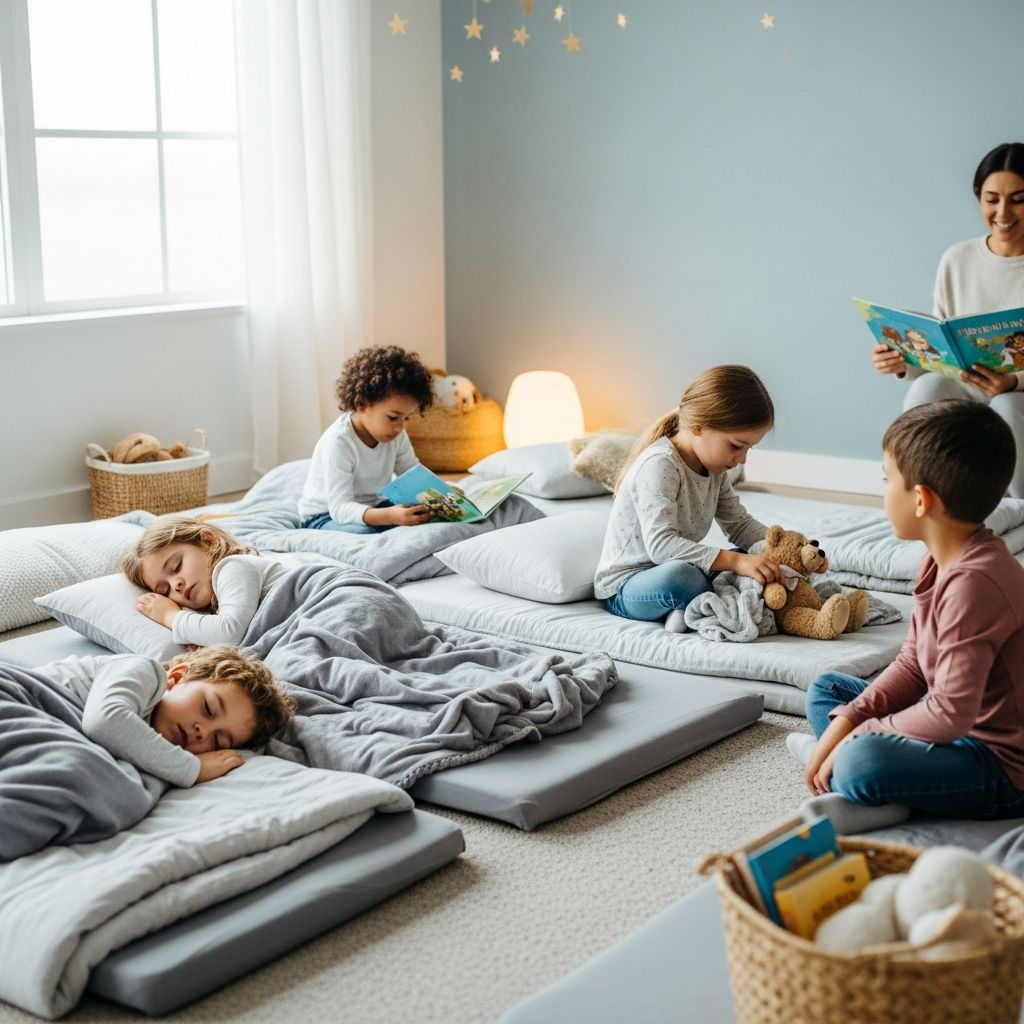
Modern sleeping arrangements have shifted from traditional sleeping bags to more comfortable options. Survey parents about available equipment and plan accordingly. Air mattresses, with quality bedding, provide comfort comparable to beds while accommodating multiple guests in various spaces.
Prepare sleeping areas with:
- Adequate mattresses, blankets, and pillows for each guest
- Extra blankets and bedding in accessible locations
- Nightlights or low-level lighting for bathroom navigation
- Water bottles placed near sleeping areas
- Accessible extra clothing or comfort items
Before bedtime, show children where to find additional blankets, water, bathroom facilities, and lighting. This preparation prevents disruptions and builds confidence for nighttime needs.
Establishing Behavior Expectations and Safety Protocols
Clear ground rules prevent misunderstandings and maintain order. Communicate expectations before activities begin, framing them as considerations for group safety and enjoyment rather than punitive measures. Key guidelines include:
- No running inside the house
- Defined areas where children can and cannot go
- Non-negotiable bedtime and expectations for settling down
- Respectful behavior toward hosts, other guests, and property
- Technology use guidelines if devices are permitted
Establish a consistent bedtime and communicate your intentions to stick to it. Parents appreciate hosts who maintain structured sleep schedules, and consistent enforcement prevents complaints from overtired children.
Party Favors with Purpose
Thoughtful party favors extend the experience and give guests tangible memories. Rather than generic items, select favors that connect to event activities or themes. Successful options include:
- Blankets or throws that recall the cozy theme
- Beauty or spa products if spa-themed activities are included
- Craft supplies related to projects completed during the event
- Personalized items like decorated pillowcases
- Games or activity sets for continued entertainment at home
Presenting favors during departure creates a positive final impression and allows children to reflect on enjoyable moments as they leave.
Communication with Parents Before and After
Successful events depend on transparent information exchange. Beyond initial invitations, maintain ongoing communication. A reminder message one week before confirms attendance and reminds parents of required items. After the event, brief thank-you messages acknowledging each child and expressing gratitude to parents for entrusting their children to your care strengthen relationships and encourage future invitations.
Frequently Asked Questions
Q: What age is appropriate for a child’s first daytime sleep event?
A: There is no universal perfect age. Consider your child’s maturity level, comfort away from home, and ability to follow instructions. Many families successfully host events for children ages 6 and older, but individual readiness varies significantly.
Q: How many children is too many for a first-time event?
A: Beginners should start with one to three guests. As you develop confidence and have multiple supervisory adults available, gradually increase numbers. Experienced hosts with adequate help manage six to fifteen children successfully.
Q: What if a child becomes homesick?
A: Have an exit strategy in place. Establish beforehand that you can contact parents for pickup if a child is genuinely distressed. Comfort attempts through activity redirection usually resolve temporary homesickness, but respecting a child’s genuine need to go home demonstrates care.
Q: How do I handle dietary restrictions and allergies?
A: Request detailed information during RSVP, including allergies, intolerances, and preference restrictions. Plan menus accommodating multiple dietary needs and verify ingredients before serving.
Q: Should I plan supervised bathroom trips during night hours?
A: Create an environment where children feel comfortable accessing bathrooms independently. Provide nightlights, clear directions, and leave doors unlocked. Most children can manage bathroom visits safely with these provisions.
References
- A Sleepover Guide for Parents — Little Dreamers Sleepovers. Accessed January 2026. https://littledreamerssleepovers.com/a-sleepover-guide-for-parents/
- The Parent’s Ultimate Guide to Sleepovers — Familius. Accessed January 2026. https://familius.com/the-parents-ultimate-guide-to-sleepovers/
- A Step-by-Step Guide for Hosting A Tween Birthday Party Sleepover — Grace Hamlin. Accessed January 2026. https://www.gracehamlin.com/sleepover-guide/
- 10 Tips for Hosting a Successful Sleepover — Today’s Parent. Accessed January 2026. https://www.todaysparent.com/kids/10-tips-for-successful-sleepovers/
- Sleepover Guidelines That All Parents Should Know — ParentMap. Accessed January 2026. https://www.parentmap.com/article/sleepover-guidelines-all-parents-should-know