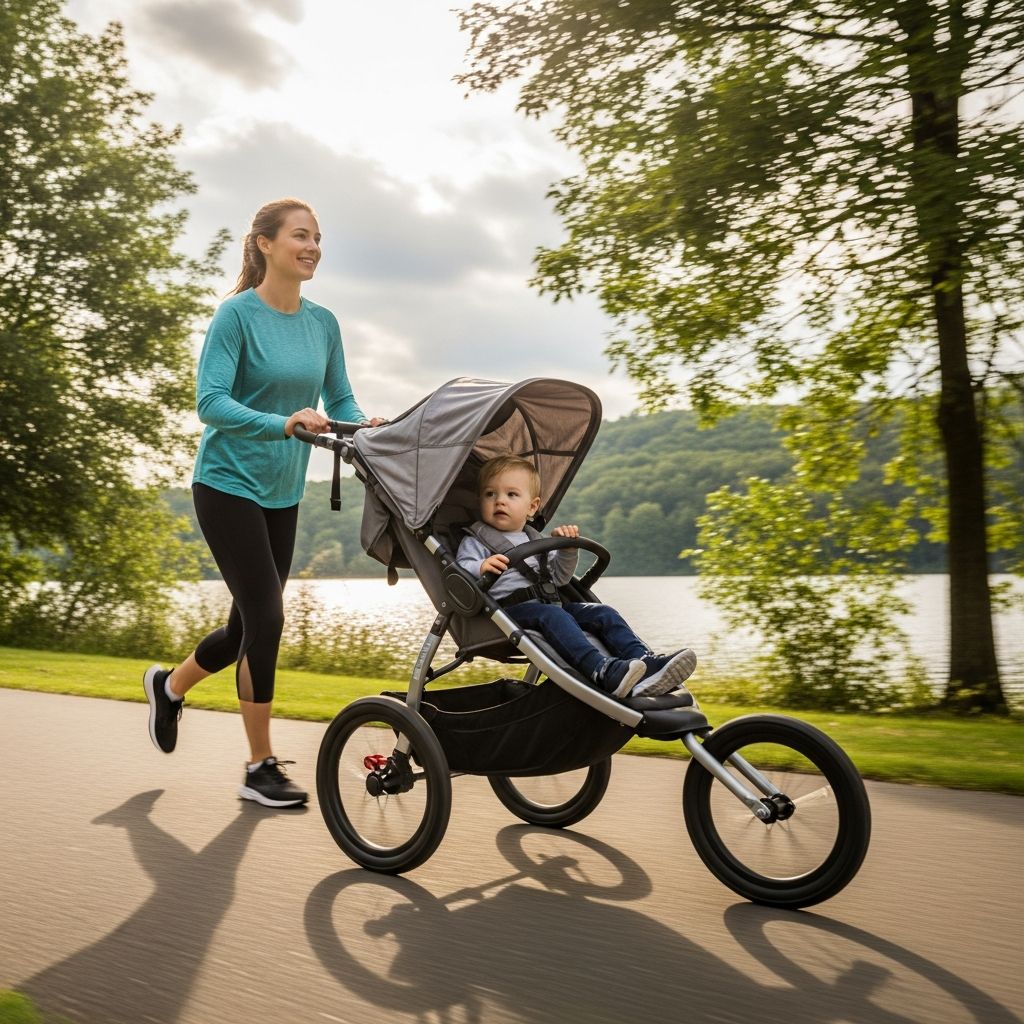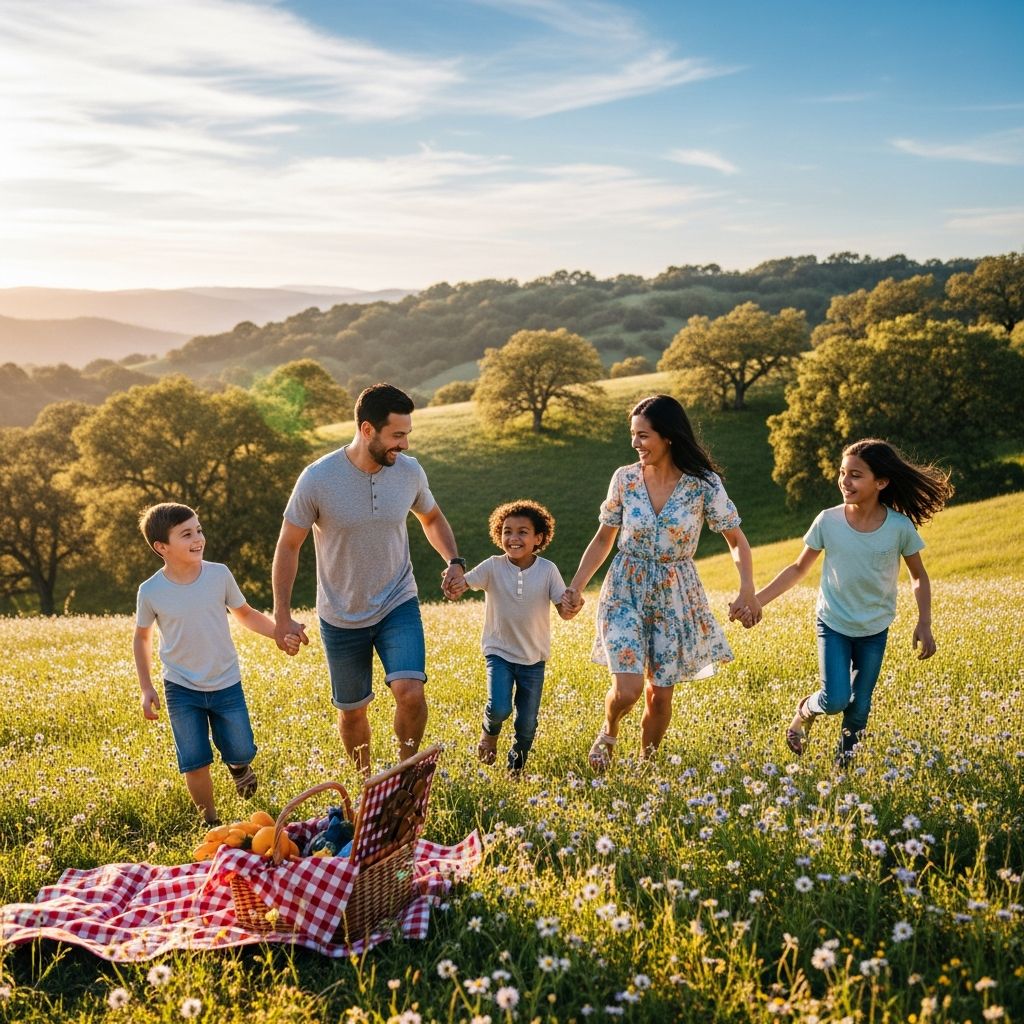
Family weekends hold immense potential for bonding, laughter, and recharge, yet they often devolve into exhaustion from packed schedules and obligations. By prioritizing unstructured, freeform time, parents can cultivate deeper connections and allow natural joy to emerge. This approach shifts focus from productivity to presence, creating weekends that truly nourish the entire family.
Why Structured Weekends Drain Family Energy
Many families approach weekends with to-do lists longer than weekdays, squeezing in errands, lessons, and outings. This leaves little room for rest, leading to burnout. Research shows that constant scheduling hinders creativity and emotional regulation in children, while parents feel perpetually rushed. Unstructured time counters this by permitting boredom, which sparks imagination and independent play.
Consider the cycle: Saturday mornings start with chores, afternoons with sports, evenings with catch-up work. By Sunday night, everyone craves the structure of school routines. Breaking this pattern begins with intentional choices that value downtime over achievement.
Building Foundations: Weekday Habits for Weekend Freedom
Protecting weekend bliss starts mid-week. Dedicate 15-30 minutes each evening to prep: lay out clothes, pack bags, or batch-cook meals. This front-loading frees Saturdays from logistics, allowing focus on relationships. For instance, grocery shopping on Thursday means no rushed market runs, opening space for impromptu park visits.
- Batch errands during the week to avoid weekend pile-ups.
- Prep activity supplies like craft bins or game boards in advance.
- Discuss weekend vibes as a family on Wednesday dinners—no firm plans, just mood checks.
These habits reduce decision fatigue, ensuring weekends feel liberating rather than obligatory.
Crafting the Perfect Slow Start to Your Weekend
Designate one morning—Saturday or Sunday—as sacredly unscheduled. No alarms, no agendas. Let pajamas linger, breakfast stretch lazily, and play unfold organically. This single shift sets a relaxed tone, preventing the weekend from mirroring weekday frenzy.
During these hours, families report heightened connection: children initiate games, parents join without pressure, and conversations deepen. One slow morning recharges everyone, making the rest of the day more enjoyable.
| Structured Morning | Slow Morning |
|---|---|
| Rush to soccer at 8 AM | Pajama fort-building till 10 AM |
| Grocery list stress | Lazy pancake flipping together |
| Exhausted by noon | Energized for spontaneous outings |
Simple Indoor Pursuits That Spark Lasting Memories
No need for pricey entertainment—household staples fuel profound fun. Indoor activities thrive on familiarity and flexibility, adapting to moods and ages.
- Game Marathon: Pull out board games or cards for laughter-filled rivalries. Classics like Monopoly or Uno build strategy and teamwork.
- Creative Chaos: Raid recycling bins for art projects—turn boxes into robots or cardboard into dream homes.
- Melody Moments: Host a karaoke showdown or dance party with phone playlists, boosting confidence and coordination.
- Story Circle: Share family tales over hot cocoa, recreating old photos for giggles.
- Spa Escape: DIY masks from kitchen ingredients, paired with foot soaks and massages for pampering vibes.
These require zero spending and minimal setup, yet yield rich bonding. Prep a ‘fun bin’ weekly with these elements for seamless access.
Venturing Out: Budget-Free Outdoor Escapades
Fresh air amplifies unstructured joy without budgets. Local spots become playgrounds for discovery.
- Neighborhood Quest: Invent scavenger hunts—spot red leaves, odd mailboxes, or bird nests.
- Picnic Anywhere: Raid the pantry for sandwiches; eat in backyards or parks.
- Bike Odyssey: Cruise familiar streets or trails, stopping for nature chats.
- Starry Vigil: Blankets under evening skies, apps guiding constellation hunts.
- Water Warriors: Sprinkler battles or puddle jumps post-rain for cooling thrills.
These outings emphasize presence over perfection. Check community calendars for free events like park movies, extending fun effortlessly.
The Magic of Intentional Gaps in Your Schedule
Leave 2-3 hours daily blank. This ‘white space’ invites serendipity: kids invent games, families chat deeply, rest happens naturally. Boredom isn’t failure—it’s fertile ground for creativity, as child development experts affirm.
Benefits include:
- Organic play fostering problem-solving.
- Unhurried talks revealing kids’ inner worlds.
- Rest preventing meltdowns.
- Spontaneous decisions, like sudden ice cream runs.
Resist filling every minute; the unplanned often crafts the weekend’s highlights.
Redefining Success: From Checklists to Connection
Measure weekends by joy, not tasks completed. Did you laugh? Hug? Explore together? That’s victory. Ditch guilt over undone chores—handle them weeknights. Families thriving on freeform report stronger resilience and happiness.
Overcoming Hurdles to Freeform Freedom
Resistance arises: ‘What if kids get bored?’ Embrace it—they’ll create. Worried about screens? Lead by example with engaging alternatives. Start small: one unstructured morning builds momentum.
For larger families, rotate ‘lead fun’ roles. Track wins in a weekend journal to reinforce the shift.
Frequently Asked Questions
What if my kids resist unstructured time?
Initially, model engagement: join their play gently. Boredom passes quickly, revealing their ingenuity. Offer loose prompts like ‘build a dream house’ without directing.
How do we balance fun with chores?
Shift chores to weekdays via 20-minute evening sprints. Weekends become pure recharge zones.
Are no-spend activities realistic year-round?
Absolutely—seasonal twists keep it fresh: snow forts in winter, beach hunts in summer.
Does this work for tweens/teens?
Yes; involve them in planning loose themes, like ‘photo challenge day,’ blending freedom with purpose.
How much unscheduled time is ideal?
Aim for 25-50% of weekend hours. Adjust based on family energy—more for high-stress weeks.
Real Families, Real Transformations
One family swapped soccer overload for park picnics and home game nights, noting calmer evenings and eager school Mondays. Another’s ‘blank Sunday’ birthed fort-building traditions, strengthening sibling ties. These stories underscore: less structure yields more joy.
Embrace freeform weekends to reclaim family magic. Start this weekend—your bonds will thank you.
References
- Weekend Planning for Low-Stress Family Weekends — Treasure Coast Mom. 2023. https://treasurecoastmom.com/how-to-plan-low-stress-family-weekends/
- Our weekends as a family changed when we made time for unscheduled, unregulated FUN — Mother.ly. 2023. https://www.mother.ly/life/our-weekends-as-a-family-changed-when-we-made-time-for-unscheduled-unregulated-fun/
- Frugal Fun: 20 Simple Ideas for a “No Spend” Family Weekend — Sunshine House. 2025-07-14. https://sunshinehouse.com/blog/frugal-fun-20-simple-ideas-for-a-no-spend-family-weekend/
- How To Make Weekend Affordable For Your Kid — Off The Wall Kidz. 2023. https://www.offthewallkidz.com/blog/how-to-make-weekend-affordable-for-your-kid
- Ten Outdoorsy No-Spend Weekend Activities — First Command. 2023. https://www.firstcommand.com/coaching-center/family-life/ten-outdoorsy-no-spend-weekend-activities/