Parenting one strong-willed toddler can be overwhelming. Parenting two at the same time can feel like trying to put out a kitchen fire while the living room floods. Yet it is possible to stay mostly calm, protect your relationship, and guide your children toward better behavior without harshness or shame.
This article offers a practical framework for handling defiance and emotional storms when you have more than one toddler needing you at once. It brings together emotional understanding, concrete tools, and realistic expectations so you can respond with confidence instead of panic.
Understanding Toddler Defiance
Toddler defiance is not a sign that you are failing as a parent. It is usually a mix of development, stress, and unmet needs colliding with limited language and impulse control.
- Brain development: Toddlers are still building the parts of the brain responsible for impulse control, planning, and empathy.
- Drive for autonomy: Saying “no” and resisting help are ways toddlers practice independence and a sense of self.
- Overload and fatigue: Transitions, hunger, and tiredness quickly push toddlers beyond their emotional capacity.
When you have two toddlers, these factors are often happening in stereo. One child’s meltdown can quickly trigger the other’s, leading to a house that feels like a pressure cooker.
Why Your Calm Is the Most Powerful Tool
Before focusing on your children’s behavior, it helps to remember that your nervous system sets the emotional tone of the home. When you stay relatively grounded, you become an anchor your children can borrow stability from.
- Children co-regulate: Toddlers learn to calm down by experiencing your calm presence during their storms.
- Calm creates clarity: A regulated parent can think clearly, set limits consistently, and choose responses instead of reacting.
- Yelling escalates: When adults shout or punish harshly, toddlers shift into fight-or-flight, making cooperation less likely.
Staying calm does not mean feeling zen or never getting frustrated. It simply means noticing your rising tension and using tools to bring yourself back toward center enough to respond thoughtfully.
Quick Self-Regulation Strategies for Parents
Because you are managing two small humans at once, you need fast, portable ways to reset your nervous system in the middle of chaos.
- Ground your body: Plant your feet on the floor, feel your heels, and gently unclench your jaw and hands.
- Elongate your exhale: Inhale for a slow count of four, exhale for a slow count of six. Repeat 3–5 times while you move toward your children.
- Use a cue phrase: A quiet phrase like “I can be the calm” or “Slow, then respond” helps interrupt automatic yelling.
- Micro-breaks: When safe, take 30 seconds in the hallway or bathroom to breathe before re-entering the conflict.
The goal is not perfection. Over time, these small resets make it easier to bring warmth and clarity into heated moments.
Two Toddlers, One Parent: What Comes First?
One of the hardest questions is what to do when both toddlers need you at the same time. Who do you respond to first, and how do you prevent chaos from spiraling?
| Situation | What to Prioritize | Example Response |
|---|---|---|
| Physical safety risk | Stop harm first | Gently separate children, remove dangerous object, then speak calmly. |
| One is melting down, one is whining | Intense distress first | Move close to the child sobbing on the floor while signaling to the other: “I see you; I’m coming next.” |
| Both yelling but safe | Contain & reassure both | Lower yourself to their level and say one calm sentence to each before going deeper with one child. |
Having this mental triage system reduces panic. You do not have to fix everything at once; you just need to address the most urgent need and then move step by step.
Connecting Before Correcting
Toddlers are much more likely to follow directions when they feel seen, safe, and understood. Connection does not mean giving in to every demand; it means joining your child emotionally before guiding their behavior.
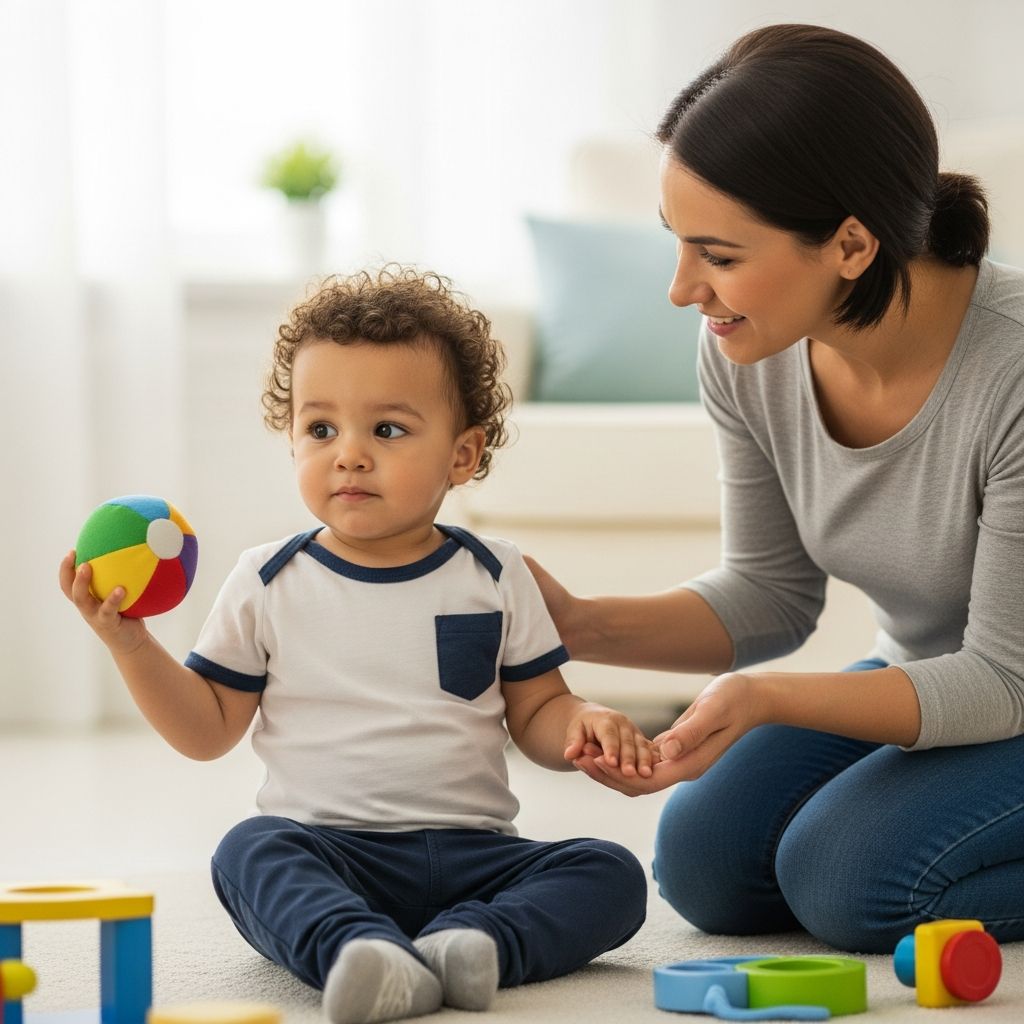
- Get on their level: Squat or sit so your eyes are near theirs. Physical closeness signals safety.
- Reflect the feeling: Use simple words: “You really wanted that toy” or “You’re mad it’s time to leave.”
- Show soft eyes and voice: Your tone often reaches them before your words do.
Once your toddler’s nervous system has softened a bit, your limit or request has a much better chance of landing.
Setting Clear, Kind Limits
Peaceful parenting is not about letting children do whatever they want. It is about holding firm, reasonable boundaries in a way that preserves dignity for both parent and child.
- State what will happen, not a threat: “I will put the blocks up if they keep being thrown,” instead of “If you throw again, you’ll be in big trouble.”
- Use concise language: Toddlers process short, concrete phrases better than long explanations.
- Follow through consistently: If you name a limit, act on it calmly. Inconsistency invites more testing.
A limit that is calmly enforced again and again gradually becomes predictable, and predictable boundaries feel safer to children than random explosions.
Special Challenges With Siblings Close in Age
When toddlers are close in age, rivalry and constant comparison can fuel defiance. Both children are still learning to share, wait, and cope with frustration, so conflict is inevitable.
- Avoid labels: Try not to call one child “easy” and the other “difficult”; labels tend to become self-fulfilling.
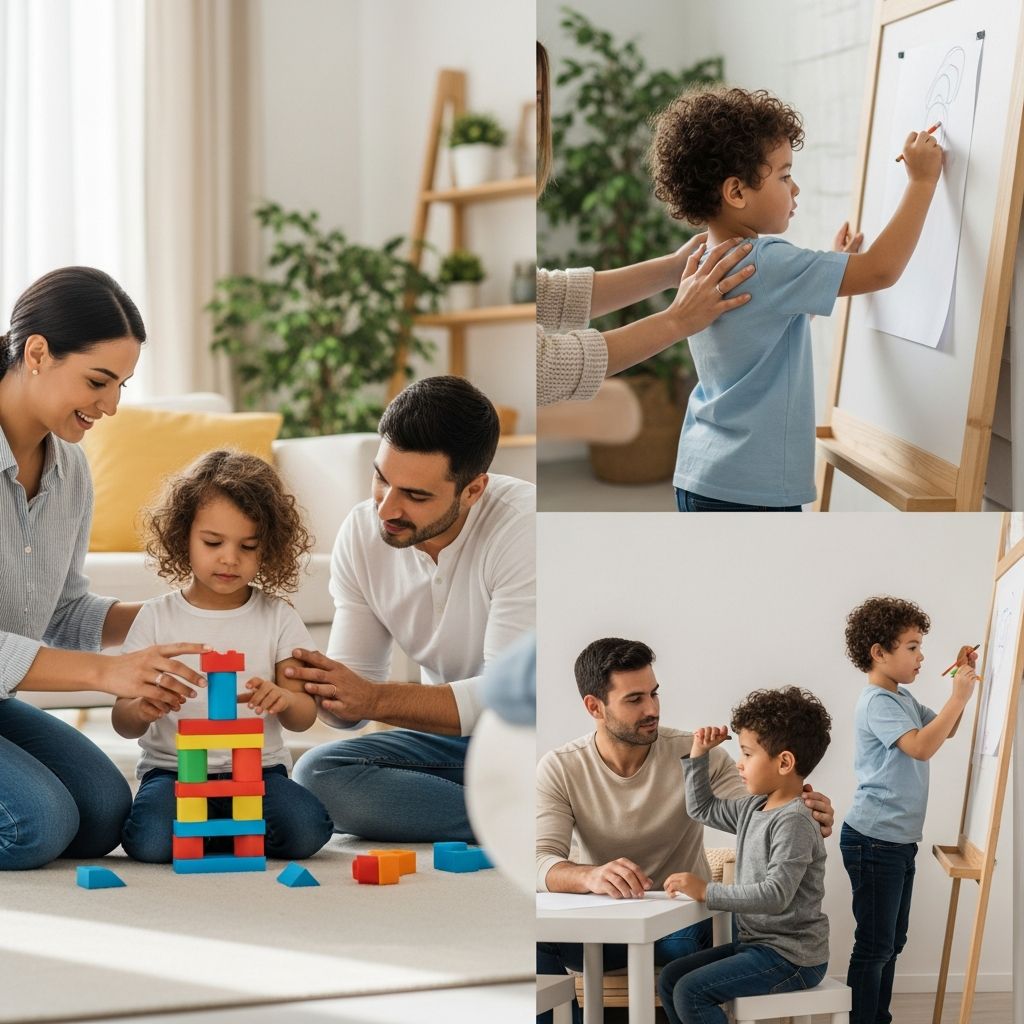
- Provide separate micro-moments: Even two or three minutes of focused attention with each child reduces competition.
- Intervene without taking sides: When possible, focus on the problem (“Two kids, one truck”) instead of assigning blame.
Your goal is not to eliminate all sibling conflict but to coach them through it and prevent harm, while helping each child feel valued.
Simple Daily Rituals That Reduce Defiance
Two defiant toddlers are often two overwhelmed toddlers. Small, predictable rituals can give their day structure and emotional security, which naturally lowers resistance.
- Morning connection ritual: A three-minute cuddle or playful game after waking before rushing into tasks.
- Transition song or rhyme: Use the same short song when it is time to clean up, get in the car, or go to bed.
- Evening check-in: A few minutes of gentle conversation or story time where each child gets a turn to share about their day.
These moments do not have to be elaborate. What matters most is that they are consistent and emotionally warm.
Using Play to Invite Cooperation
Play may seem like the opposite of discipline, but for toddlers it is often the most effective way to gain cooperation. When instructions come wrapped in fun, resistance tends to soften.
- Race and chase: Turn “Put on your pajamas” into “Let’s see who can hop to the bedroom like a frog.”
- Power-reversal games: Let your toddlers “catch” you and drag you to the bath, or pretend you are the one who does not understand the routine.
- Character voices: Have a silly puppet or stuffed animal “ask” for help with cleanup or toothbrushing.
Play should never mock or shame your child. The aim is to release tension and invite laughter, which opens the door for smoother cooperation.
Practical Scripts for Tricky Moments
Having a few phrases in mind can make difficult moments feel less overwhelming. Adapt these to your own voice so they feel natural.
- When both shout “No!” to a request:
“You both really don’t want to stop playing. It’s hard to pause fun things. We are going to clean up now; I’ll help you.” - When one hits the other:
“I won’t let you hit. I’m going to move your body back. You’re angry; we can stomp together, but not hit people.” - When they compete for your lap:
“Two kids, one lap. I’ll hold you both. Then it will be your special turn alone.” - When you lost your temper:
“I yelled and that might have scared you. You do not deserve to be yelled at. I’m working on using a calmer voice.”
These kinds of statements both affirm your authority and model respect, accountability, and empathy.
Designing a Calm Corner for Two
A designated calm space can help toddlers associate big feelings with comfort and support rather than punishment. This is not a “naughty chair” but a co-regulation zone.
- Keep it inviting: Include soft pillows, a blanket, a few calming books, and perhaps a small basket of sensory toys.
- Use it together: Sit with one or both children there when they are upset, rather than sending them alone.
- Practice when calm: Visit the space during peaceful times so it feels familiar and safe.
Over time, your toddlers may begin to seek out this space on their own when they feel overwhelmed, because their experience has taught them that comfort is available there.
A Gentle Discipline Framework
Instead of viewing discipline as punishment, think of it as teaching. A simple three-step framework can guide your responses to most toddler misbehavior:
- Pause and regulate: Take one breath and check your body before you act.
- Connect and validate: Acknowledge the feeling or desire underneath the behavior.
- Limit and redirect: Clearly state what cannot happen, then show what the child can do instead.
Using this structure consistently—especially when both toddlers are pushing your limits—teaches them that feelings are allowed but some actions are not, and that you are on their side even when you say “no”.
Taking Care of Yourself Without Guilt
No strategy will work if you are completely drained. Parenting multiple toddlers demands a lot of emotional and physical energy, so sustainable self-care is an essential part of peaceful parenting.
- Redefine self-care: Think in terms of small, daily refuels: a cup of tea while they watch a short show, a five-minute stretch, or texting a friend.
- Ask for practical support: Even an hour of help from a partner, relative, or babysitter can reset your patience.
- Adjust expectations: Some seasons are about survival, not perfection. Less clutter and fewer commitments can mean more calm.
Your children do not need a parent who never struggles; they need a parent who keeps returning to repair, reconnect, and try again.
FAQs About Peacefully Parenting Two Defiant Toddlers
Are consequences allowed in peaceful parenting?
Yes. Peaceful parenting does not mean no consequences; it means choosing consequences that are related, respectful, and reasonable. For example, if a child throws blocks at a sibling, the natural consequence is that the blocks are put away for a while, with a brief explanation and an invitation to try again later.
What if one child always seems more difficult?
It is common for one toddler to be more intense than the other. That child is not “bad”; they usually have a more sensitive nervous system or stronger drive for control. Try to give that child extra one-on-one connection when possible, and notice small moments of cooperation so you can genuinely encourage them.
How do I avoid yelling when I’m triggered by noise and chaos?
Start by noticing your early signs of overload: tight shoulders, clenched jaw, rising voice. Use pre-planned strategies such as stepping into another room for three breaths, lowering your voice deliberately, or singing instructions instead of shouting them. Over time, the habit of pausing before reacting will gradually weaken the yelling pattern.
Is it okay to separate the toddlers sometimes?
Yes. Separating children briefly can be a helpful tool, especially if they are physically aggressive or repeatedly escalating each other. The key is to frame separation as protection and calming (“I’m going to help your bodies be safe”) rather than exile or shame.
What if I’m the only adult at home most of the time?
Solo parenting two toddlers is enormously demanding. Lean heavily on routines, simple meals, and a few reliable activities that hold their attention. Lower nonessential expectations and build in tiny recovery pockets for yourself throughout the day, even if it is just sitting down with deep breaths while they stack blocks nearby.
Building a More Peaceful Tomorrow, One Moment at a Time
Peaceful parenting two defiant toddlers is not about magically erasing tantrums or never feeling overwhelmed. It is about choosing, again and again, to lead with connection, clear limits, and self-compassion. Some days will feel like a series of small repairs; others will surprise you with ease.
Every time you pause instead of exploding, kneel down instead of towering over, or invite play instead of power struggle, you are reshaping your family’s patterns. Those tiny choices, repeated over months and years, are what gradually transform a chaotic season into a more connected, cooperative home.