Understanding Motivation in Children
Children thrive when they feel understood and supported. Traditional parenting often relies on consequences—either rewards or punishments—to shape behavior. However, research shows that intrinsic motivation, where children act because they want to, not because they have to, leads to more lasting and positive outcomes .
The Power of Positive Attention
- Children respond best when they receive positive attention for their efforts and achievements .
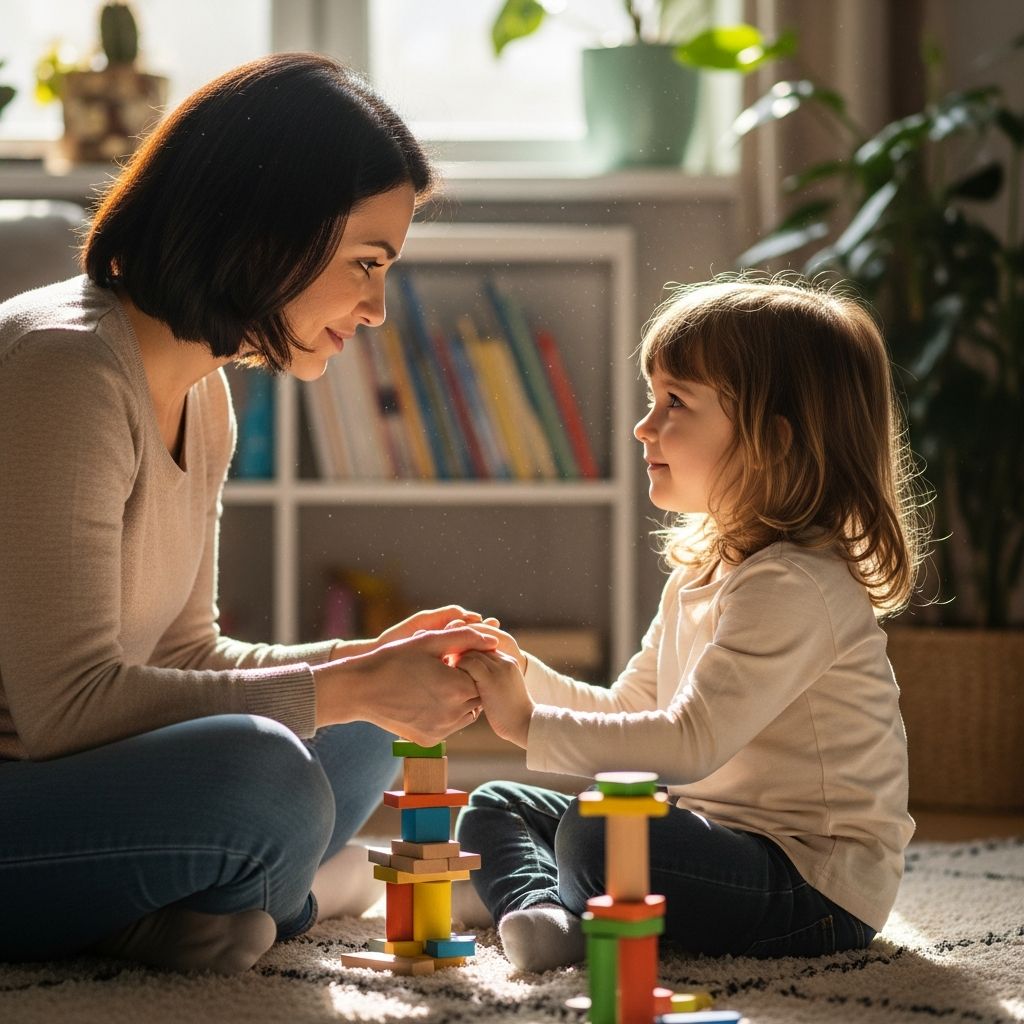
- Spending quality time together builds trust and strengthens the parent-child bond .
- Simple gestures like smiles, hugs, and verbal encouragement can boost a child’s confidence and willingness to cooperate .
Building Intrinsic Motivation
Intrinsic motivation comes from within. When children feel a sense of autonomy, competence, and connection, they are more likely to engage in positive behaviors without needing external rewards or punishments .
- Encourage children to set their own goals and celebrate their progress, no matter how small .
- Focus on effort rather than outcome. Praising a child’s hard work reinforces their belief in their abilities .
- Allow children to experience the natural results of their actions, which helps them learn and grow .
Effective Communication Strategies
How parents communicate with children can significantly impact their motivation and behavior.
- Use descriptive language to highlight what a child did well, rather than simply saying “good job” .
- Ask open-ended questions to encourage reflection and self-awareness .
- Model the behavior you want to see. Children learn by observing adults .
Creating a Supportive Environment
A nurturing environment sets the stage for positive behavior and motivation.
- Establish routines that provide structure and predictability .
- Offer choices whenever possible to foster a sense of autonomy .
- Set up opportunities for children to succeed and then acknowledge their achievements .
Practical Tips for Everyday Motivation
| Tactic | How It Works | Example |
|---|---|---|
| Positive Attention | Children feel valued and supported | Smile and say, “I noticed how carefully you cleaned your room.” |
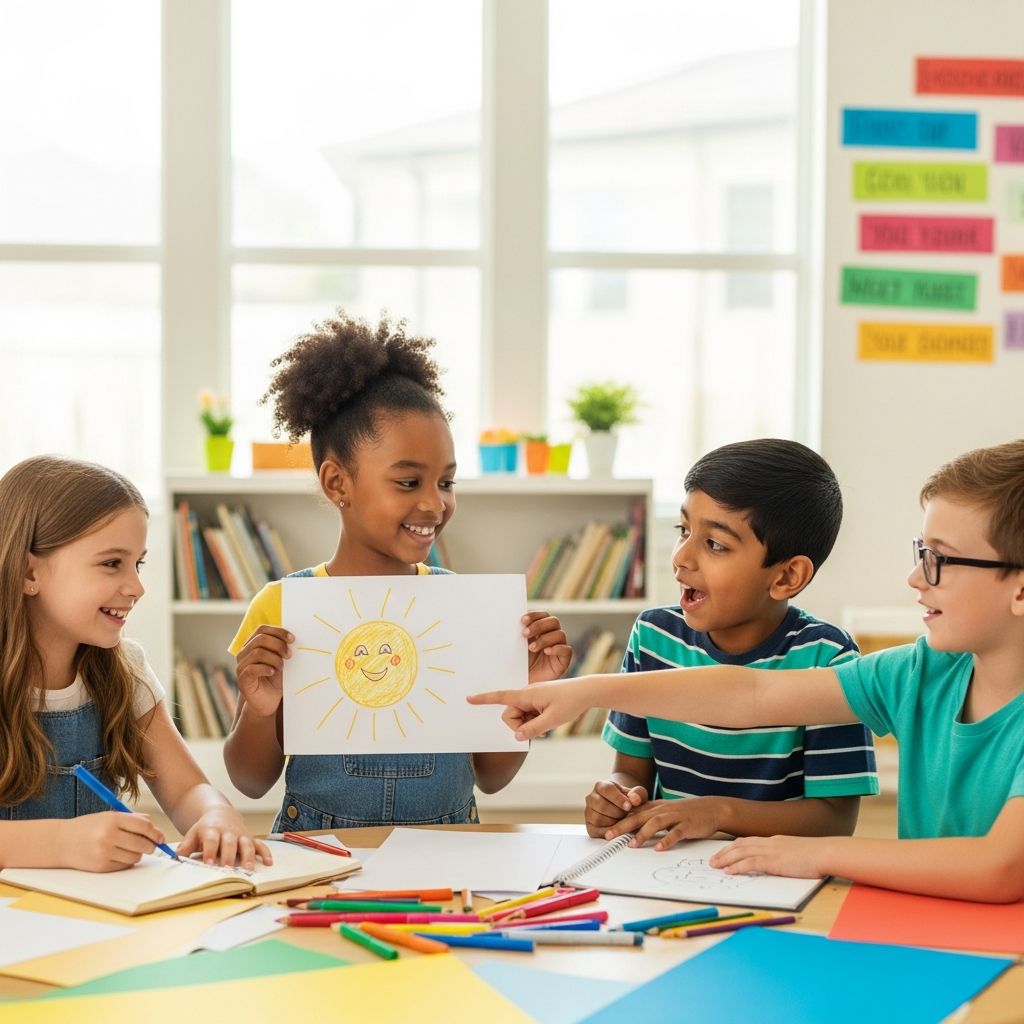
| Effort-Based Praise | Reinforces persistence and self-worth | “You worked so hard on that drawing!” |
| Open-Ended Questions | Encourages reflection and self-awareness | “How did you decide to organize your toys?” |
| Offering Choices | Promotes autonomy and decision-making | “Would you like to do your homework before or after dinner?” |
FAQs
How can I motivate my child without using rewards?
Focus on intrinsic motivation by providing positive attention, encouraging effort, and allowing children to experience the natural results of their actions .
What should I do when my child misbehaves?
Instead of punishment, try to understand the reason behind the behavior and guide your child toward a positive alternative. Use descriptive feedback and encourage problem-solving .
How can I help my child feel more confident?
Build confidence by praising effort, offering choices, and providing opportunities for success. Celebrate progress and encourage self-reflection .
Is it okay to say “no” sometimes?
Yes, it’s important to set boundaries. When saying “no,” try to offer a positive alternative or explain your reasoning to help your child understand .
How much playtime should I spend with my child?
Even a few minutes of distraction-free playtime each day can strengthen your bond and support your child’s emotional well-being .