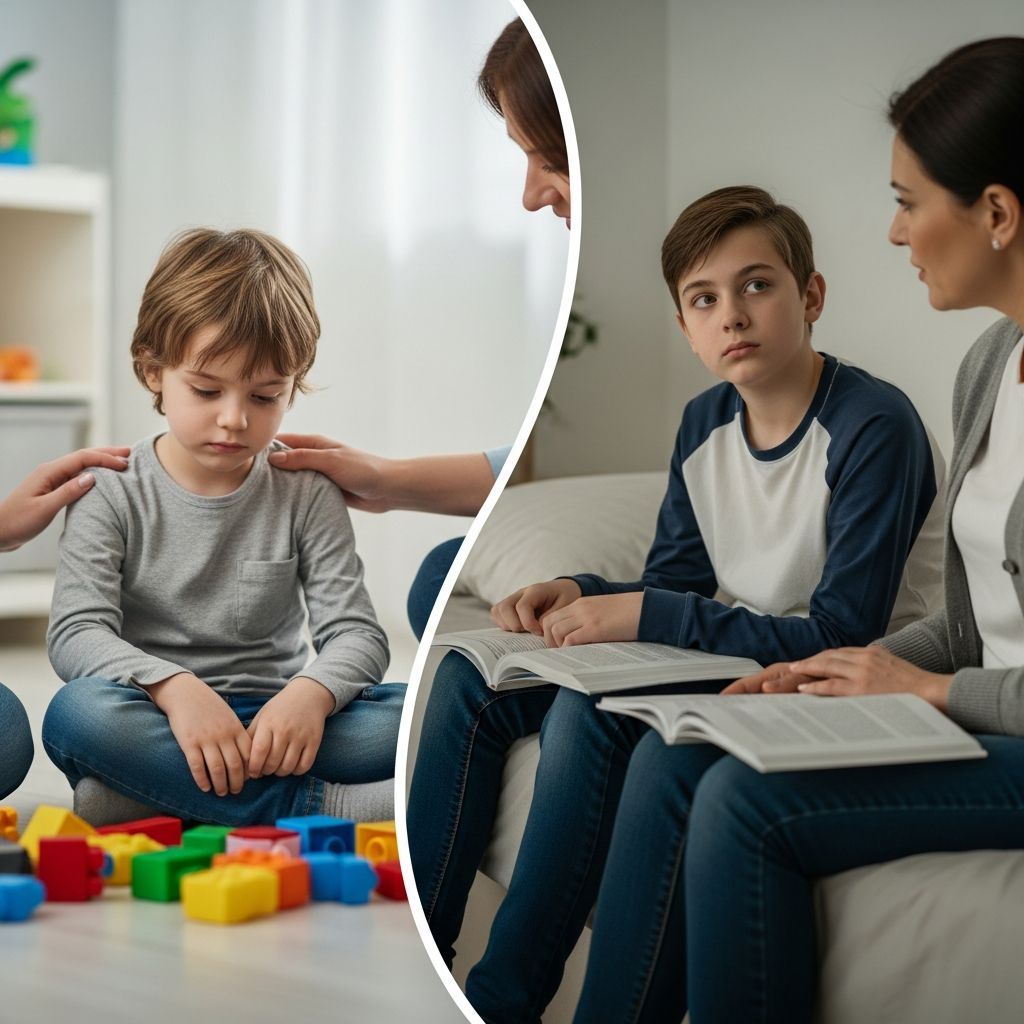
Every child possesses motivation, but it may channel toward avoidance rather than achievement. Parents often face frustration when kids resist homework, chores, or school, interpreting it as laziness. In reality, this behavior frequently stems from a desire for control or underlying challenges. This article explores actionable approaches to redirect that energy positively, fostering responsibility and self-reliance through structured guidance and empathy.
Understanding the Roots of Resistance
Apparent lack of motivation in children usually signals deeper dynamics. Kids aren’t truly ‘unmotivated’; they prioritize activities granting autonomy, like gaming or idling, over parent-demanded tasks. This resistance asserts power in perceived power struggles. Factors such as low self-esteem, undiagnosed learning difficulties, or mental health issues can exacerbate this, making tasks feel overwhelming. Recognizing these roots prevents mislabeling and enables targeted interventions.
Parents must assess if external pressures or internal barriers fuel the issue. For instance, a child overwhelmed by assignments might withdraw to avoid failure. Open, non-judgmental discussions reveal these obstacles, paving the way for collaborative solutions.
Establishing Clear Boundaries and Expectations
Ambiguity breeds procrastination. Define precise, achievable goals using direct language: ‘I expect your homework completed by 7 PM.’ Demonstrate tasks if needed, then step back. Clarity eliminates excuses and sets the stage for accountability.
- Specify exact actions and timelines to avoid vagueness.
- Model the behavior yourself to reinforce expectations.
- Apply immediate, logical consequences for non-compliance, like forfeiting screen time until duties are met.
Consistency is paramount. Enforcing rules variably undermines authority and prolongs resistance. Over time, children internalize that compliance yields freedom while defiance limits privileges.
Leveraging Consequences Effectively
Consequences teach responsibility without escalating conflicts. Avoid yelling or debating, which empowers resistance. State the expectation calmly, then enforce outcomes dispassionately. If a child skips school prep, deny non-essential activities like TV until resolved.
Natural consequences prove particularly potent. A missed assignment leads to a teacher’s feedback or grade dip, mirroring real-world accountability. Pair this with parental limits: no outings if ‘too unwell’ for school. When children claim indifference, persist—consistent application shifts their calculus toward cooperation.
| Scenario | Logical Consequence | Expected Outcome |
|---|---|---|
| Refuses bedtime routine | No morning screen time or play | Links rest to daily privileges |
| Ignores homework | Loss of electronics until done | Builds task completion habit |
| Skips chores | No participation in fun family activities | Fosters household contribution |
Harnessing Positive Reinforcement
While consequences curb negativity, rewards amplify positives. Praise efforts specifically: ‘Great job organizing your desk—that shows responsibility.’ This validates progress, boosting self-esteem and repetition.
Implement a tiered reward system for milestones. Small incentives for daily wins, larger for weekly successes, like extra playtime for completed chores. Avoid over-rewarding basics; focus on growth to cultivate intrinsic motivation. Research affirms positive reinforcement enhances focus and persistence.
- Immediate verbal praise for immediate behaviors.
- Tangible rewards tied to consistent effort.
- Gradual fade of external rewards to encourage self-motivation.
Cultivating Independence and Engagement
Empower children by granting age-appropriate autonomy. Break overwhelming tasks into steps: 20-minute homework bursts with breaks. Infuse fun—music during chores or gamified learning apps—to combat boredom.
One-on-one time builds connection. Dedicate distraction-free minutes daily for shared activities, fulfilling emotional needs and modeling diligence. When stuck, empathize and brainstorm: ‘What one step can we try first?’ This sidesteps helplessness, spurring action.
Addressing Persistent Challenges
If resistance endures, probe underlying issues. Consult educators or professionals for learning disorders or emotional hurdles. Family counseling equips tools for sustained change. Track patterns: Does avoidance spike pre-tests? Tailor support accordingly.
Reframe mindsets. Discuss future aspirations: ‘How does finishing homework align with your gaming goals?’ Linking efforts to passions ignites internal drive. Patience yields results—most children respond to steady, empathetic structure.
Building Long-Term Self-Motivation
Intrinsic motivation flourishes via autonomy, mastery, and purpose. Gradually reduce prompts as competence grows. Celebrate self-initiated successes to reinforce independence. Science shows early intrinsic sparks predict lifelong resilience.
Parental modeling is key. Demonstrate goal pursuit amid setbacks, verbalizing processes: ‘I’m tackling this report step-by-step.’ Children emulate resilient adults.
Frequently Asked Questions
What if my child says they ‘don’t care’ about consequences?
Ignore the claim—it’s often a control tactic. Apply consequences consistently; indifference fades as patterns emerge.
How long until I see changes?
Weeks to months with unwavering consistency. Track small wins to stay encouraged.
Should I reward every little thing?
No—target effort and improvement to avoid dependency. Shift to intrinsic praise over time.
What about underlying issues like ADHD?
Screen professionally if suspected. Strategies complement but don’t replace interventions.
Is yelling ever okay?
Avoid it; it fuels power struggles. Calm enforcement works better.
References
- How to Motivate the Unmotivated Child — Empowering Parents. 2023. https://www.empoweringparents.com/article/motivating-the-unmotivated-child/
- How To Motivate a Child Who Seems Lazy — Emora Health, Emily Mendez. 2024. https://www.emorahealth.com/resources/how-to-motivate-a-child-who-seems-lazy
- Parenting Strategies for Improving Kids’ Behavior — Psych Central. 2023-10-15. https://psychcentral.com/health/parenting-strategies-for-behavioral-issues-that-work
- Motivating the Unmotivated Child — Rooted Ministry. 2022. https://rootedministry.com/motivating-the-unmotivated-child/
- How to Encourage Self-Motivation in Your Child — CASRF. 2024. https://www.casrf.org/post/how-to-encourage-self-motivation-in-your-child
- How to Motivate and Keep Kids Focused — LearnWell Services. 2023. https://learnwellservices.com/how-to-motivate-and-keep-kids-focused-tips-for-parents-and-teachers/
- How to Motivate Children: Science-Based Approaches — Harvard Center on the Developing Child. 2023. https://developingchild.harvard.edu/resources/briefs/how-to-motivate-children-science-based-approaches-for-parents-caregivers-and-teachers/