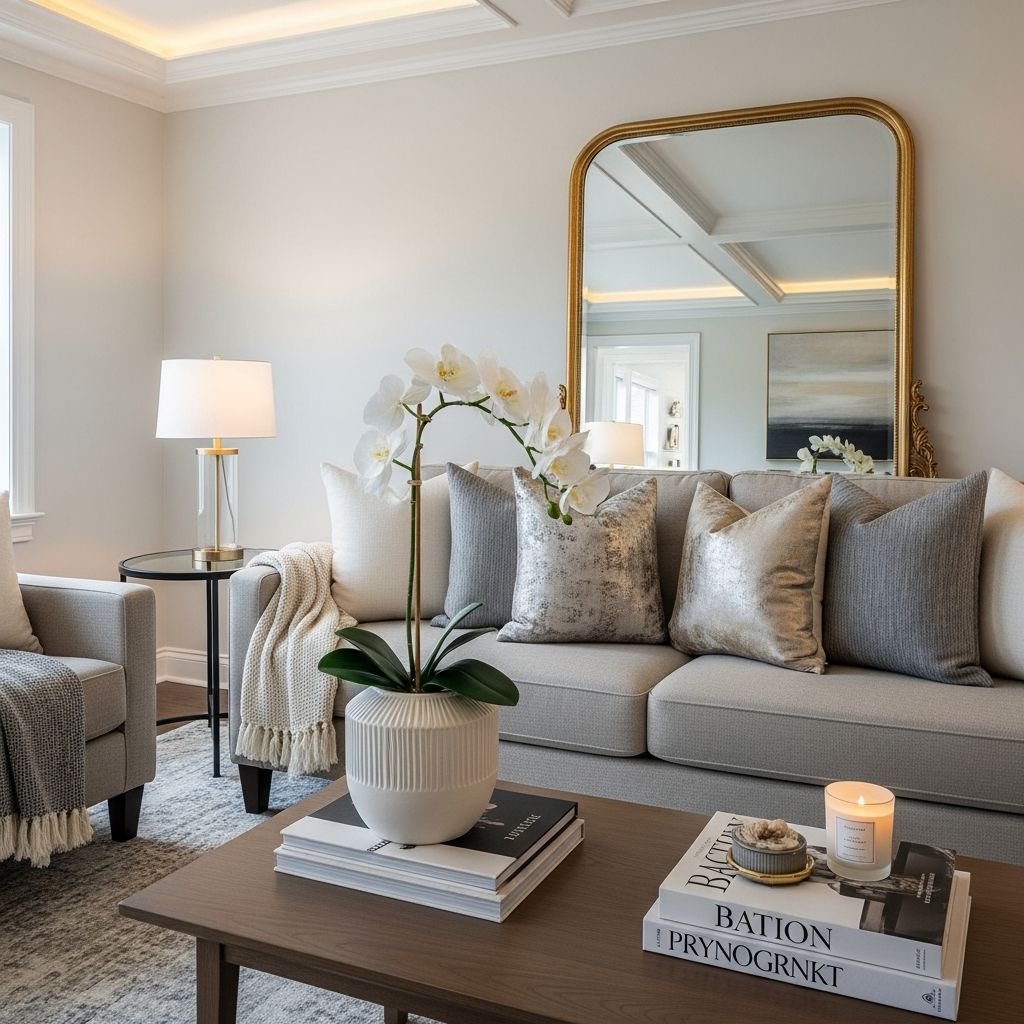
Creating Luxury Within Your Budget: A Practical Design Philosophy
The perception of luxury in home design often relies more on thoughtful arrangement and strategic choices than on spending substantial amounts of money. Many homeowners believe that achieving an expensive, curated aesthetic requires significant financial investment, but this assumption overlooks numerous accessible techniques that create visual richness and sophistication. By understanding the principles that distinguish high-end interiors from ordinary spaces, you can implement targeted improvements that dramatically transform your environment. The key lies in identifying which elements have the greatest impact per dollar spent, then prioritizing those upgrades to maximize your results.
Professional interior designers often employ a hierarchy of design decisions, placing certain foundational elements ahead of others based on their visual influence. When you align your budget allocation with these priorities, you gain the ability to create spaces that feel intentionally curated and deliberately composed, rather than randomly assembled. This article explores eight strategic approaches that consistently deliver exceptional value, each addressing different aspects of how spaces communicate elegance and refinement.
Strategic Illumination: How Lighting Transforms Spatial Perception
Lighting represents one of the most underestimated yet powerful tools in home design, capable of fundamentally altering how a space feels and functions. The quality, color temperature, and layering of light sources directly influence whether a room appears dull and institutional or warm and inviting. Many budget-conscious homeowners accept whatever lighting came with their space, missing an opportunity to create dramatic improvements at minimal cost.
Begin by assessing your current lighting situation and identifying opportunities for enhancement. Replacing basic overhead fixtures with more sophisticated alternatives, such as statement pendant lights or elegant sconces, establishes visual interest and sets the tone for the entire room. Additionally, incorporating multiple light layers—ambient lighting for overall illumination, task lighting for functional areas, and accent lighting for highlighting architectural features or artwork—creates depth and allows you to adjust ambiance throughout the day.
Consider the color temperature of your bulbs, as this significantly influences the mood you create. Warmer tones (2700K-3000K) evoke comfort and hospitality, while cooler tones (4000K and above) feel more energetic and clinical. In luxury hotels and high-end residences, designers typically favor warmer color temperatures in living spaces to create a welcoming, refined atmosphere. By selecting the appropriate temperature for each room and layering multiple fixtures, you establish a sophisticated lighting scheme that feels both intentional and expensive.
Color Palette Development: Building Cohesion Through Strategic Hue Selection
The colors you choose for walls, furnishings, and accessories create the foundational framework for your interior’s overall perception. Rather than selecting colors randomly based on momentary preference, professional designers approach color with systematic intention, often developing cohesive palettes that communicate sophistication and intentionality.
A monochromatic approach, utilizing various shades and tints of a single color family, creates immediate visual harmony and professional polish. This technique appears deliberately sophisticated because the restraint required to implement it suggests intentional design rather than haphazard decoration. By varying the saturation and lightness of your chosen color—perhaps pairing deep navy walls with lighter blue-gray furnishings and white accents—you create depth without visual chaos.
Alternatively, introducing rich accent colors through carefully selected elements demonstrates refined taste. Deep jewel tones such as emerald green, sapphire blue, or burgundy add personality and luxury when incorporated through throw pillows, area rugs, or decorative accessories. The key to success lies in restraint: limit your accent colors to one or two, and use them consistently throughout your space to create visual coherence rather than a scattered, uncoordinated appearance.
Architectural Enhancement: Budget-Friendly Molding and Trim Strategies
Architectural details provide the visual vocabulary that distinguishes custom-designed spaces from generic interiors. Crown molding, wainscoting, picture frame molding, and other trim elements add dimensional interest and create a sense of finish and refinement. Many homeowners hesitate to pursue these upgrades due to assumptions about cost, but several accessible options exist that deliver high-impact results.
Modern peel-and-stick molding provides a revolutionary solution for renters and budget-conscious homeowners, offering the visual benefits of traditional trim without permanent installation or professional labor costs. These products have become increasingly sophisticated, with options that closely resemble authentic wood or plaster when properly installed. For those willing to engage in DIY projects, MDF (medium-density fiberboard) molding offers an affordable alternative to premium wood options, costing substantially less while delivering similar visual impact when painted to match your wall color.
Picture frame molding creates a gallery-like effect by dividing wall space into geometric sections, adding sophistication without requiring extensive renovation. This technique works particularly well in bedrooms, dining areas, or hallways where it creates focal points and adds visual architecture to otherwise plain surfaces. When combined with strategic wall color changes within each frame section, this approach creates custom depth and personality at a fraction of the cost of traditional architectural upgrades.
Textile Layering: Luxurious Fabrics and Texture Integration
The textures and materials you incorporate throughout your space significantly influence its sensory appeal and perceived value. Luxury environments typically feature layered textiles that create visual interest and invite tactile engagement, whereas budget interiors often lack textural variety and feel flat by comparison.
Strategic textile selection begins with identifying opportunities to introduce rich, high-quality fabrics throughout your space. Velvet, boucle, linen, and faux fur add immediate sophistication, transforming simple furniture pieces into statements of refined taste. When layering textiles—combining throw pillows in coordinated yet varied fabrics, draping quality blankets over seating, and selecting substantial curtain panels—you create the visual richness characteristic of high-end interiors.
Bedding represents a particularly impactful category, as hotel-quality white sheets with high thread counts instantly elevate bedroom spaces without requiring significant expenditure. The crispness and luminosity of quality white bedding create an unquestionably luxurious atmosphere, evoking the comfort of five-star accommodations. Retailers offering affordable yet stylish textiles, such as H&M Home, Zara Home, and Target, provide accessible entry points for upgrading your textile collection without investing in designer-level pricing.
Statement Art and Large-Scale Visuals: Creating Focal Points
Few design elements communicate intentional curation as effectively as carefully selected artwork displayed at substantial scale. Oversized art pieces serve as visual anchors, commanding attention and establishing sophisticated focal points that elevate an entire room’s aesthetic. The scale itself communicates confidence and purpose, suggesting that someone thoughtfully considered the space and invested in its visual impact.
Fortunately, acquiring impactful artwork need not require significant expenditure. Thrift stores frequently offer affordable paintings and canvases that can be repurposed through overpainting, creating custom artwork suited to your color palette and design vision. High-quality prints from royalty-free sources like Unsplash, when enlarged and professionally framed, provide virtually indistinguishable results from expensive original artwork at a fraction of the cost.
Gallery wall arrangements, when executed with intentionality, add visual sophistication through their organized presentation. Rather than adopting a cluttered, eclectic approach, consider adopting a refined gallery aesthetic through consistent frame finishes, unified color palettes, and geometric arrangements. This restraint communicates professional design sensibility and creates the impression of curated sophistication rather than random decoration.
Hardware and Accessory Refinement: Attention to Detail
The small details—drawer pulls, door handles, and decorative hardware—communicate refinement through their presence and quality. These easily overlooked elements function as jewelry for your interior, adding visual interest and suggesting careful attention to design throughout your space. Replacing basic, builder-grade hardware with pieces featuring interesting finishes, vintage character, or contemporary sophistication creates noticeable upgrades with minimal financial investment and effort.
Antique brass, brushed nickel, and matte black finishes offer sophisticated alternatives to standard chrome or builder-grade hardware. When applied consistently throughout your space—on cabinet doors, drawers, and entry hardware—this cohesive approach creates a sense of intentional design and luxury. The cumulative effect of multiple small details communicates that your interior has been thoughtfully designed rather than assembled with whatever came standard.
Mirror Integration and Light Amplification
Mirrors function as both design elements and practical tools for expanding spatial perception and amplifying available light. Large mirrors positioned strategically throughout your home create visual depth, bounce natural and artificial light to brighten dark areas, and add luminosity that enhances luxury perception. Beyond their functional benefits, mirrors communicate refinement through their presence, suggesting spaciousness and attention to visual sophistication.
Creating affordable large-scale mirrors involves leveraging thrifted frames or budget-friendly options from retailers like IKEA, then inserting quality mirror material sourced from local glaziers. This approach yields high-end results at a fraction of the cost of purchasing ready-made designer mirrors. Alternatively, mirror tiles arranged in geometric patterns and framed with decorative trim create customized, artistic installations that feel intentional and carefully curated.
Window Treatment Excellence: Proportion and Presentation
The way you frame your windows through strategic curtain and shade selection significantly influences your interior’s refined appearance. Professional designers consistently recommend hanging window treatments higher and wider than standard installation, as this technique creates the illusion of greater ceiling height and larger windows—both hallmarks of luxury spaces. This optical enhancement requires no additional expenditure, simply repositioning where you hang your fixtures.
Selecting substantial, quality curtain panels rather than thin, insubstantial fabrics communicates investment in your space’s aesthetics. Linen, velvet, or heavyweight cotton materials drape beautifully and feel luxurious, contrasting sharply with flimsy synthetic alternatives. When these panels are hung at appropriate height and width, they transform ordinary windows into design features that anchor your room’s aesthetic.
Strategic Placement and Visual Balance Through Symmetry
Professional interiors often employ symmetrical arrangements that create visual balance and communicate intentional design. Paired nightstands flanking a bed, matching table lamps on a console, or symmetrically arranged artwork establishes order and suggests careful curation. This organizational principle appeals to our innate sense of proportion and balance, creating feelings of sophistication and refinement.
Implementing strategic symmetry throughout your spaces requires minimal financial investment—simply repositioning and pairing existing furnishings and accessories. The resulting visual order communicates professional design sensibility and creates an impression of luxury that transcends actual cost.
Material Authenticity and Natural Elements
Incorporating authentic natural materials—marble, solid wood, leather, and brass—communicates luxury through material quality and authenticity. The durability, patina, and imperfections of genuine materials convey permanence and value in ways that convincing synthetics cannot. Secondhand sources like Facebook Marketplace, antique stores, and estate sales frequently offer authentic materials at prices far below retail, making this strategy accessible to budget-conscious decorators.
Frequently Asked Questions
Q: What single upgrade provides the greatest visual impact for the lowest cost?
A: Fresh paint in a sophisticated color, combined with strategic lighting improvements, typically delivers the most dramatic transformation per dollar spent. These foundational elements influence how every other design choice appears within your space.
Q: How can renters implement these strategies without permanent changes?
A: Peel-and-stick molding, removable wallpaper, temporary adhesive hooks, and rearrangeable furniture allow renters to create sophisticated interiors while respecting their lease terms. These options provide design flexibility without landlord concerns.
Q: Where should I prioritize my budget when upgrading multiple rooms?
A: Begin with high-visibility spaces like living rooms and bedrooms, where guests and family members spend significant time. These areas offer the greatest return on visual investment, establishing your design direction before expanding to secondary spaces.
Q: How do I avoid my affordable upgrades appearing cheap or mismatched?
A: Cohesion through consistent color palettes, coordinated materials, and intentional styling creates a unified aesthetic that communicates luxury regardless of individual item costs. The overall impression matters more than any single element’s price tag.
Q: Can I combine multiple budget techniques without creating visual chaos?
A: Yes, when implemented with restraint and coordinated through consistent color and material choices. Professional designers succeed by selecting complementary techniques rather than applying every strategy simultaneously, creating refined spaces through thoughtful selection rather than overwhelming abundance.
References
- Tips for making your home look luxurious on a budget — Planner 5D. 2025. https://planner5d.com/blog/luxury-look-on-a-budget/
- 9 AFFORDABLE Ways to Make Your Home Look Expensive — Penny Modern. 2024. https://www.youtube.com/watch?v=yLtDUUnzPyA
- 30 Ways to Make Your House Look Expensive on a Budget — Blesser House. 2025. https://www.blesserhouse.com/how-to-make-your-house-look-expensive-on-a-budget/
- 10 cheap ways to make your home look more expensive — Kate Watson Smyth. 2024. https://katewatsonsmyth.substack.com/p/10-cheap-ways-to-make-your-home-look
- 8 Clever Ways to Make Your Home Look Expensive — Tidbits and Twine. 2025. https://www.tidbitsandtwine.com/8-clever-ways-to-make-your-home-look-expensive/