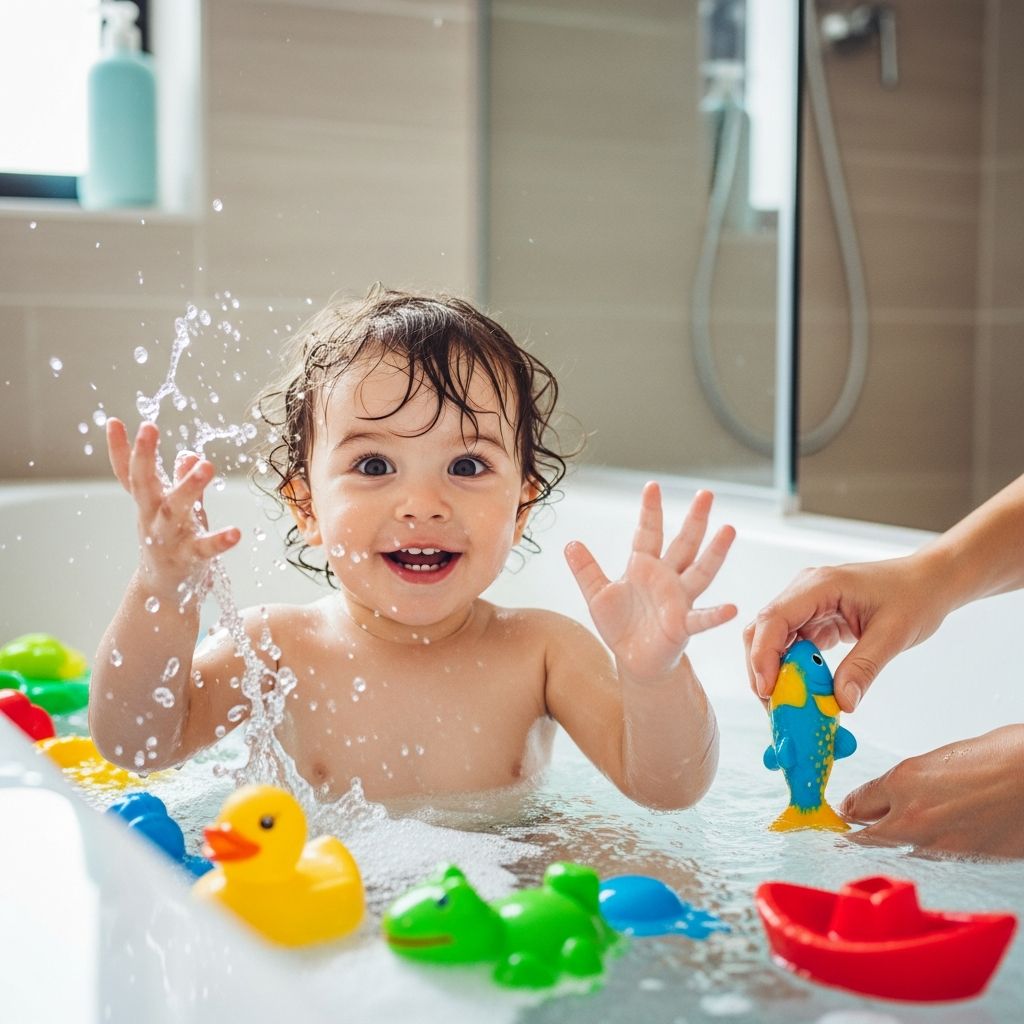
For many parents, the phrase “bath time” does not evoke images of bubbles and giggles, but of tears, flailing limbs, and negotiations worthy of a courtroom. A toddler who once splashed happily can suddenly scream at the sight of water, refuse to sit in the tub, or panic when it is time to rinse their hair. Understanding what is behind these big reactions is the first step toward creating a calmer, more cooperative bath routine.
This article explores why toddlers develop fears around baths, how to reduce power struggles, and what you can do to rebuild bath time as a safe, playful ritual instead of a daily showdown. The goal is not just a clean child, but a child who feels respected, understood, and gradually more confident around water.
Why Bath Time Becomes a Battle
Toddlers live in a world that often feels unpredictable and overwhelming. Bath time can trigger several of their biggest sensitivities at once: temperature, loud sounds, loss of control, and separation from their clothes and usual routines. When all of this collides at the end of a long day, resistance is almost guaranteed.
Instead of viewing bath refusal as misbehavior, it helps to see it as communication. A toddler may not have the words to say, “The sound of the water scares me” or “I’m afraid of slipping,” so they shout “No bath!” and cling to the hallway rug. When parents interpret this as defiance instead of fear, tension escalates on both sides.
- Your child may be expressing genuine fear, not stubbornness.
- Bath time might be associated with a specific bad memory, such as slipping or getting water in their eyes.
- Exhaustion and hunger in the evening easily turn mild discomfort into full-blown meltdowns.
Common Bath Time Fears in Toddlers
Although every child is unique, many toddlers share similar worries about bath time. Identifying the specific trigger can make your response more targeted and effective. Some fears are sensory, others are imaginative, and some are practical worries about pain or discomfort.
| Observed Behavior | Possible Underlying Fear |
|---|---|
| Cries when water runs from the tap | Overwhelmed by noise or worried water will be too hot or too cold |
| Refuses to sit down in the tub | Fear of slipping, sinking, or losing balance |
| Panics when it is time to rinse hair | Fear of water or soap in the eyes, nose, or ears |
| Upset when the drain is opened | Worry that they or their toys will be sucked down the drain |
| Resists bath only at the end of the day | Associates bath with the end of fun and separation (bedtime) |
Once you understand which part of bath time is the scariest for your child, you can adjust the environment and your approach. Instead of pushing them through the exact same routine, you can shrink the challenge into pieces they can handle.
The Power of Empathy and Validation
Before changing soaps, toys, or schedules, start by changing the tone. Toddlers relax more easily when they feel heard. A simple shift from “You’re fine, stop crying” to “You’re scared of the bath; I’m here with you” can soften resistance and build trust. Even if you don’t fully understand the fear, you can validate the feeling.
Empathy does not mean you give up on hygiene altogether; it means you move at a pace that respects your child’s anxiety. When you respond calmly and consistently, your child learns that big feelings are manageable, and that you are a safe partner in working through them.
- Name the feeling: “You sound really worried about the water.”
- Offer presence: “I will stay right next to you while we figure this out.”
- Emphasize collaboration: “Let’s find a way to wash that feels okay for you.”
Rethinking Bath Frequency and Expectations
One overlooked strategy is simply reducing how often you expect a full bath. Many healthy toddlers do not need a deep soak every single day unless they are visibly dirty, sweaty, or covered in something particularly messy. Lowering the frequency can relieve pressure on everyone and create space to gradually rebuild positive associations.
On non-bath days, a quick wipe-down with a warm, damp washcloth can be enough. You can still clean hands, faces, and diaper areas thoroughly without placing your child in a situation that triggers extreme distress. This gives your toddler’s nervous system a break while you slowly introduce gentler, less threatening water experiences.
Preparing the Environment for Success
The physical setup of the bathroom can either intensify or reduce your toddler’s stress. Slippery tubs, bright lights, and echoing noise can all signal “danger” to a small child. Making the space more soothing will help your little one feel safer before any water even touches their skin.
Consider doing a mini “bathroom makeover” that focuses on comfort and predictability rather than fancy products. Many of these changes are simple and inexpensive but can dramatically shift your child’s experience.
- Use a non-slip mat in the tub and on the floor to reduce fear of slipping.
- Dim harsh lights and use a small nightlight or soft lamp to create a calmer atmosphere.
- Start with a shallow level of water so your toddler can sit and still feel fully in control.
- Warm the room beforehand so your child doesn’t shiver when undressed.
- Keep towels, pajamas, and a cozy spot to sit nearby for a smoother transition out of the bath.
Giving Your Toddler More Control
Loss of control is a major reason toddlers resist bath time. From their perspective, adults decide when the bath happens, how warm the water is, when rinsing begins, and when it ends. Offering guided choices helps your child feel like an active participant instead of a helpless object being scrubbed.
These choices do not mean your toddler is in charge of hygiene; instead, you are sharing appropriate power. This builds cooperation and reduces the need for them to shout “no” just to protect their autonomy.
- Let your child choose between two towels, two washcloth colors, or two types of bubbles.
- Invite them to turn on the water and test the temperature with their hand (under your supervision).
- Offer the option to wash their tummy first or their feet first.
- Use phrases like “Would you like to pour water, or should I?” rather than “I’m pouring now.”
Introducing Water Through Play Outside the Tub
If bath time has become highly charged, it can help to step away from the bathtub itself for a while. Low-pressure water play in other locations allows your child to explore the sensations of water without the expectation of getting fully washed. This gradually builds comfort and curiosity.
Think of this as “practice” for future baths. You are rewriting your child’s mental picture of water from something scary to something fun, one tiny experience at a time. Keeping these sessions short and enjoyable makes it more likely your toddler will want to repeat them.
- Fill a shallow bin with warm water and let your toddler wash toy animals, cars, or dolls.
- Offer cups, spoons, and funnels so they can scoop, pour, and experiment.
- Set up water play outdoors in warm weather: a small basin, a watering can, and a few floating toys go a long way.
- Invite them to help “wash” plastic dishes at the sink while you do the real dishes beside them.
Making the Bath Itself More Toddler-Friendly
When your child is ready to re-enter the tub, start with a shorter, simpler bath. The goal of the first few sessions is not a perfect scrub but a positive experience. Over time, you can increase how long the bath lasts and how thoroughly your child is washed.
Adjust how you interact with your toddler so that they feel safe, informed, and respected during every step. Narration and gentle touch can make the process feel more predictable and less surprising.
- Explain each step before it happens: “First we wash your feet, then your legs, then we’re done.”
- Use a soft washcloth instead of your bare hand if your child prefers less direct touch.
- Keep water shallow and avoid rapid movements that create large splashes.
- Stay at your child’s eye level as much as possible to help them feel connected and safe.
Solutions for Hair-Washing Battles
Even children who enjoy splashing often dread having their hair washed. Water and soap near the eyes, nose, and ears can feel invasive and frightening. Creating a more comfortable hair-washing routine can dramatically reduce overall bath time resistance.
It can help to separate “bath time” from “hair-wash time” in your language. If your toddler believes every bath includes hair washing, they may resist the entire event. When you let them know that hair will only be rinsed sometimes and that they will be warned in advance, trust increases.
- Use a visor, washcloth over the eyes, or child-sized goggles to protect against drips.
- Let your child practice pouring water on their own head with a small cup, so they control the flow.
- Tilt your toddler’s head back gently and pour slowly, narrating each step so they are not surprised.
- Consider washing hair less frequently if it helps reduce overall anxiety.
Timing, Transitions, and Routines
When bath time always signals “The fun is over, bed is coming,” resistance is understandable. Adjusting when and how you offer the bath can soften that association. For some families, moving baths earlier in the day works better than keeping them as the final event of the evening.
Just as important as timing is the way you transition into and out of the bath. Toddlers cope better when they know what is coming next and when they have time to shift from play to washing instead of being rushed or abruptly scooped up.
- Use a simple visual routine chart (pictures showing “undress → bath → towel → pajamas → story”).
- Give a countdown: “Five more minutes to play, then bath,” followed by gentle reminders.
- Offer a special post-bath ritual, such as a favorite story, massage with lotion, or cuddle time.
- Experiment with afternoon baths on some days to see if your child handles them better when less tired.
Using Playfulness to Defuse Tension
Play is your toddler’s native language. When you turn bath time into a silly, imaginative experience rather than a chore, defenses often lower. The goal is not to perform for your child, but to invite them into a shared activity where laughter and connection are just as important as getting clean.
Play also gives your toddler a safe way to “try on” roles that make them feel powerful instead of vulnerable. When they get to be the one washing a doll’s hair or spraying water from a toy, they experiment with control in a low-risk way.
- Let the bath toys “talk” and comment on what is happening (“The duck loves foot-washing time!”).
- Sing simple, repetitive bath songs that outline each step of the routine.
- Invite your child to “wash” your arm or a toy’s feet before you wash theirs.
- Create themes: a pirate bath, a car wash for toy vehicles, or a pretend animal spa day.
When to Step Back and Try Again Later
Sometimes, despite your best efforts, your toddler’s reaction to the bath is so intense that pushing ahead will only deepen their fear. In these moments, it is okay to pause, offer a quick alternative for basic cleanliness, and revisit the bath another day. This does not mean you have failed; it means you are respecting your child’s limits.
Repeatedly forcing a terrified child into the tub can turn a temporary fear into a long-lasting phobia. Taking a step back allows you both to reset emotionally. During this break, you can focus on gentler forms of water play, routines, and emotional validation.
- If your child is screaming and shaking, consider ending the bath quickly and calmly instead of prolonging the struggle.
- Use a warm washcloth wipe-down for that day, keeping your voice steady and reassuring.
- Later, talk about what happened using simple language, emphasizing that you will keep working together to make baths feel safer.
Red Flags: When to Talk to a Professional
Most bath time battles are a normal part of toddler development and will ease with patience and gentle strategies. However, in some cases, extreme reactions to water or touch can be part of a broader sensory or anxiety profile. Trust your instincts and seek guidance if something feels more intense than typical toddler pushback.
Consulting a pediatrician or child development professional can provide clarity and reassurance. They can help you distinguish between a common phase and a deeper challenge that may benefit from specialized support, such as occupational therapy or behavior consultation.
- Talk to your pediatrician if your child shows extreme distress around water in many settings (baths, rain, handwashing) or resists all kinds of grooming.
- Seek support if bath-related panic persists for many months despite calm, gradual approaches.
- Share specific observations (what triggers tears, how long they last, what helps) to guide the discussion.
Sample Gentle Bath Time Routine
The following example routine brings together many of the strategies described above. It is not a rigid script, but a template you can adapt to your family’s needs and your toddler’s temperament. Consistency over time helps your child know what to expect, which increases their sense of safety.
- Preview the plan. Earlier in the day, mention that there will be a bath after dinner or after play. Keep your tone relaxed.
- Start with connection. Before the bath, spend a few minutes cuddling, reading, or talking. This fills your child’s “emotional cup.”
- Set up the environment. Lay out towels, dim the lights, and run a shallow amount of comfortably warm water.
- Offer choices. Let your toddler pick a toy, choose between two washcloths, or decide which body part gets washed first.
- Narrate gently. Describe each step before it happens, using calm, predictable language.
- Keep it brief. Especially at first, aim for short baths that end on a positive note rather than exhausting your child.
- Transition out softly. Wrap your toddler in a warm towel, offer a hug, and move into a familiar after-bath ritual like a story or song.
Frequently Asked Questions (FAQs)
How often does my toddler actually need a bath?
Healthy toddlers usually do not need a full bath every day unless they are particularly dirty, have been sweating heavily, or have come into contact with irritants. Many families find that bathing every other day, with wipe-downs in between, is enough to keep their child clean while also reducing conflicts.
Is it okay if my child cries during the bath?
Some protest is common, especially when you are transitioning to a new routine. However, if your child is sobbing, shaking, or panicking, it can be more helpful to shorten or stop the bath than to continue at all costs. The long-term goal is to build trust, not just to get through one difficult evening.
What if my toddler used to love baths and suddenly refuses them?
Sudden changes often point to a specific event that made your child feel unsafe, such as slipping, getting soap in their eyes, or a loud noise. Gently ask about what they remember, validate their fear, and adjust your approach to address that particular concern. With time and patience, most children regain their comfort.
How can I keep my toddler safe if I’m also caring for another child during bath time?
If you have more than one child, consider bathing them separately at first so you can give your anxious toddler your full attention. Never leave any child alone in the bath, even for a moment. If you must step away, wrap your toddler in a towel and take them with you rather than relying on an older sibling to supervise.
When should I worry that my child’s fear of water is more than a phase?
Discuss your concerns with a healthcare professional if your toddler shows intense fear around water in many situations, avoids all forms of grooming, or becomes extremely distressed despite several months of calm, gradual support. Early guidance can prevent small difficulties from becoming bigger obstacles.
Bath time does not have to be a battle forever. With empathy, flexibility, and a focus on connection, you can guide your toddler from tears and tantrums toward a routine that feels safe, playful, and even enjoyable for both of you.