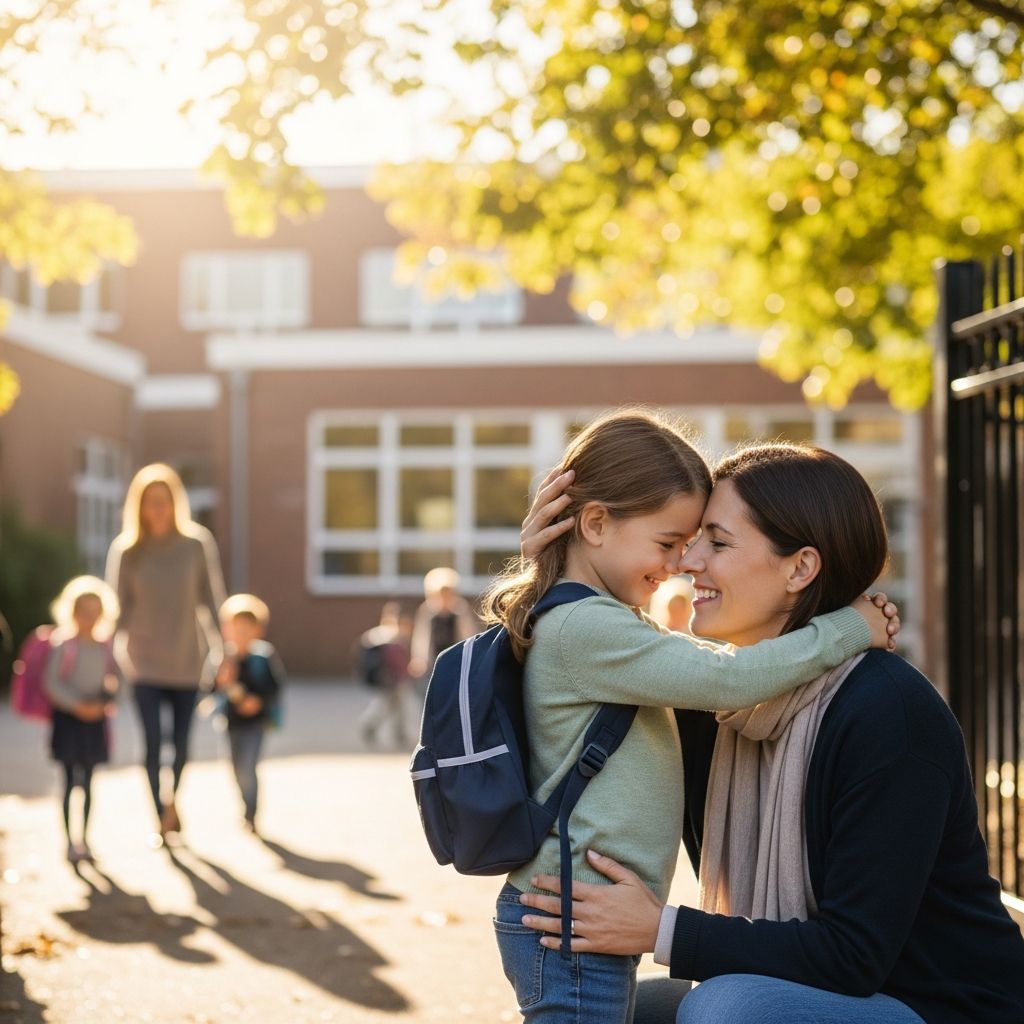
Every school day begins with a pivotal moment: the goodbye at drop-off. For many families, this transition triggers intense emotions, from children’s tears to parents’ guilt. These challenges are widespread, especially during back-to-school periods or after holidays, but targeted approaches can transform these moments into confident handoffs.
Understanding the Roots of Drop-Off Distress
Children’s resistance to school drop-offs often arises from underlying emotional needs. Separation anxiety peaks when kids fear being away from familiar caregivers, a natural response amplified by new environments or changes in routine. Transitions demand shifting from the comfort of home to the structure of school, which can overwhelm young minds still developing emotional regulation skills.
Uncertainty fuels much of this distress. Without predictable patterns, children grapple with ‘what happens next,’ leading to clinginess or meltdowns as coping mechanisms. These behaviors signal a need for security rather than defiance, offering clues to support their adaptation.
- Fear of separation: Intense worry about parental absence, common in preschool and early elementary years.
- Transition challenges: Difficulty switching from relaxed home life to school demands.
- Routine gaps: Lack of consistency heightens unpredictability and stress.
Recognizing these triggers allows parents to respond proactively, turning potential battles into opportunities for growth.
Spotting Normal Adjustments Versus Ongoing Issues
Most children acclimate quickly to drop-offs. Expect tearful farewells in the initial days, lingering hesitance on Mondays, or brief upsets after weekends—these fade as familiarity builds, often within one to two weeks. Inside the classroom, many shift gears rapidly, engaging happily once the parent departs.
However, persistent struggles warrant attention. Watch for daily extreme reactions, physical complaints like stomachaches without cause, or refusal persisting beyond adjustment periods. These may indicate deeper needs, such as classroom discomfort or unmet social requirements.
| Typical Behaviors | Signs Needing Support |
|---|---|
| Tears lasting under 5 minutes | Crying or clinging over 10-15 minutes daily |
| Quick recovery post-drop-off | Ongoing distress reported by teachers |
| Improves after first week | No progress after 2-3 weeks |
Tracking patterns helps differentiate routine adaptation from situations benefiting from professional input, like counselor involvement.
Building a Strong Foundation at Home
Preparation starts the night before. Streamline mornings by selecting outfits, packing lunches, and organizing bags ahead. This minimizes chaos, allowing time for nourishing breakfasts and positive interactions like shared stories or upbeat music.
Establish a dependable daily rhythm: consistent wake times, meal slots, and departure cues. Predictability reassures children, reducing anxiety. Visual aids, such as checklists, empower them with structure.
- Prepare essentials evening prior to avoid rushes.
- Maintain fixed wake-up and leave times daily.
- Incorporate fun elements like favorite tunes or affirmations.
These steps create a calm launchpad, signaling school as a safe, anticipated part of the day.
Practical Techniques for Smoother Goodbyes
Rehearse separations playfully at home. Use role-play where children ‘drop off’ parents or toys, practicing waves and cheery partings. This builds familiarity and confidence through games.
During actual drop-offs, keep rituals brief and upbeat. A special handshake, phrase like ‘See you at adventure’s end,’ or quick hug followed by confident exit reassures without prolonging agony. Avoid lingering, as it heightens distress; a swift, positive departure conveys trust in their capability.
Incorporate transitional objects, like a family photo keychain or stuffed friend, for comfort without dependency.Timers or songs counting down to goodbye add fun structure.
- Practice role-plays 2-3 times weekly.
- Develop a 30-second ritual.
- Use visuals like timers for cues.
Consistency reinforces that drop-offs end happily with reunions, gradually easing fears.
Effective Communication During Upsets
When emotions surge, validate feelings while instilling assurance. Phrases like ‘I see this feels tough, and you’ve got this’ blend empathy with encouragement, helping children feel understood yet capable.
Steer clear of over-reassurance loops or punishments, which can amplify anxiety. Stay composed—your calm demeanor regulates theirs. Offering minor choices, such as backpack hand position, fosters control amid change.
Avoid accommodations like skipping school, as they reinforce avoidance. Instead, praise incremental successes, like a partial wave, to motivate progress.
Collaborating with Educators for Success
Team up with school staff for unified strategies. Discuss preferred handoff methods with teachers, establishing consistent greetings from familiar aides. Share insights on your child’s cues without on-site chats to keep lines moving.
Leverage school resources: morning activities, quiet zones, or greeters ease entry. Request updates via notes or brief videos showing post-drop-off joy, alleviating parental worry.
For prolonged issues, propose joint plans or counselor sessions teaching coping tools. Consistency across home and school accelerates adjustment.
- Identify key teacher contacts early.
- Align on response protocols.
- Seek school-based emotional supports.
Long-Term Emotional Resilience Strategies
Beyond drop-offs, nurture skills for lifelong confidence. Daily discussions about school highlights build positive associations. Teach breathing exercises or mindfulness for self-soothing.
Model healthy separations in everyday life, like brief errands, normalizing partings. Celebrate resilience with non-food rewards, reinforcing independence.
Monitor holistic well-being: adequate sleep, nutrition, and play combat stress. If concerns persist, consult pediatricians to rule out issues like sensory sensitivities.
Frequently Asked Questions
What if my child cries every single morning?
Implement consistent routines and quick goodbyes first. If unchanged after two weeks, connect with the teacher or counselor for tailored support.
Is it okay to sneak away without saying goodbye?
No—transparency builds trust. Always part with a clear, loving farewell to affirm reliability.
How long should drop-off tears last?
Typically minutes, not hours. Quick classroom recovery is common; prolonged upset merits follow-up.
Should I stay home if they beg?
Avoid this to prevent pattern reinforcement. Firm consistency with empathy works best.
Can preschoolers outgrow this faster?
Yes, with practice and routine, most adapt swiftly as secure attachments strengthen.
Empowering Families Through Patience
Navigating school separations tests parental resolve but yields empowered children. Persistence with these methods fosters security, paving the way for enthusiastic school days. Parents’ steady support proves transformative, turning tearful starts into triumphant ones.
References
- Difficult School Drop-Off? Behavior Tips That Work — Little Otter Health. 2023. https://www.littleotterhealth.com/blog/when-drop-off-becomes-a-daily-battle
- Crying at School Drop Off? Here’s What Helped My Child—And Me — The Everymom. 2023. https://theeverymom.com/crying-at-school-drop-off/
- School Drop-Off Strategies — First 5 California. 2024. https://www.first5california.com/en-us/articles/school-drop-off-strategies-preschooler/
- How To Make Drop-Offs Easier for You and Your Child — Country Home Learning Center. 2023. https://countryhomelearningcenter.com/how-to-make-drop-offs-easier/