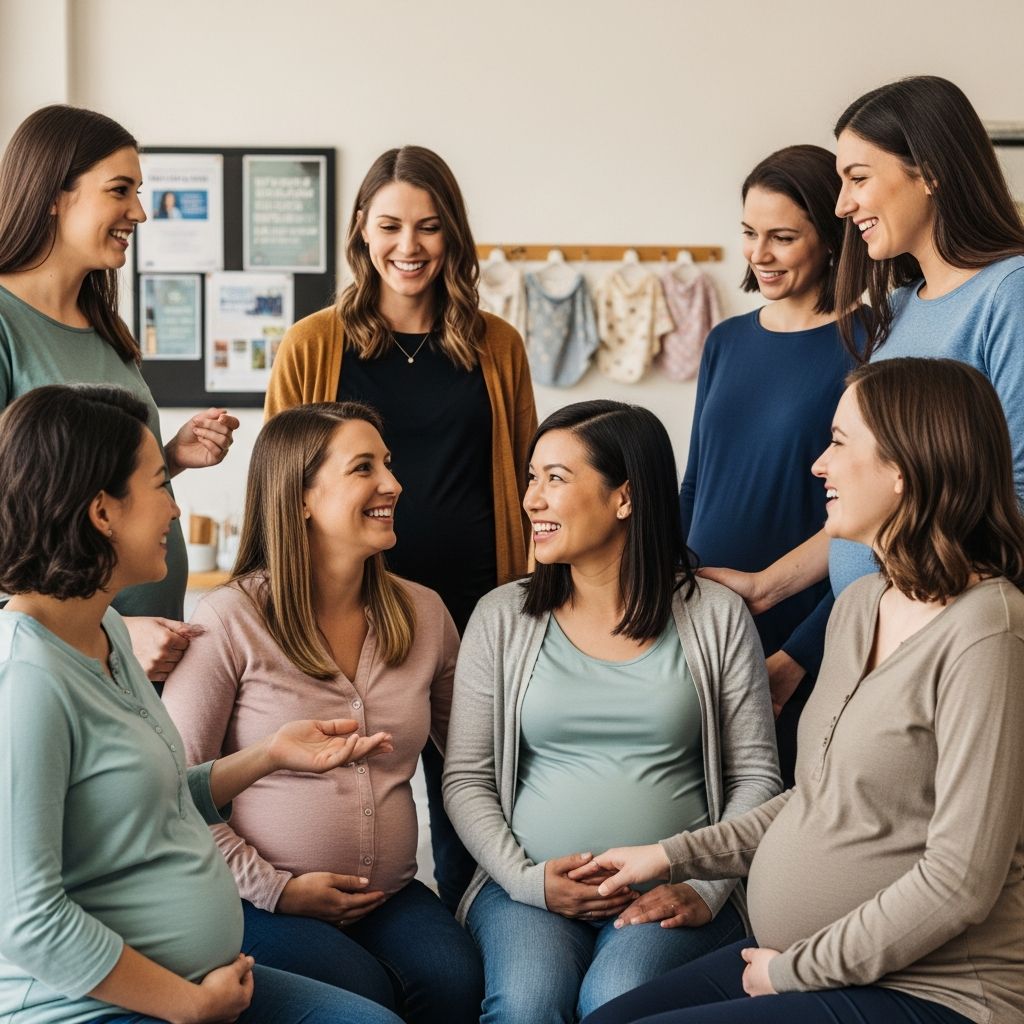
Understanding the Pregnancy Experience and Social Connection
Pregnancy represents one of life’s most transformative periods, combining physical changes, emotional shifts, and significant life planning. Yet despite the magnitude of this transition, many expecting parents experience profound isolation during this time. The uniqueness of pregnancy—with its specific challenges, health considerations, and preparation demands—creates a particular need for connection with others navigating identical circumstances. This isolation can intensify feelings of uncertainty, anxiety, and loneliness, particularly for first-time parents or those relocating to new areas. Recognizing that this sense of disconnection is common and addressable is the first step toward building a supportive network that will sustain you through pregnancy and into parenthood.
The importance of social support during pregnancy extends beyond emotional comfort. Research demonstrates that meaningful connections during the prenatal period contribute to improved mental health outcomes, reduced stress levels, and greater overall well-being. When you surround yourself with others who understand your experience firsthand, you gain access to practical advice, emotional validation, and the reassurance that your concerns and joys are shared by others. This peer support becomes increasingly valuable as pregnancy progresses and parenting questions multiply.
Structured Pregnancy Programs: Classes and Group Settings
One of the most effective environments for meeting other expecting parents is through structured prenatal education and wellness programs. These settings offer built-in commonality—everyone in the room shares your due date window and faces similar preparation tasks. Prenatal yoga classes, childbirth education workshops, and infant care seminars create repeated touchpoints that facilitate natural relationship development. Unlike one-time events, ongoing classes allow you to recognize familiar faces across multiple sessions, creating opportunities for genuine connection to develop organically.
When enrolling in prenatal programs, approach them with intention to connect. Rather than rushing out when a class ends, make it a practice to introduce yourself to at least one person each session. You might say something as simple as, “This is my first time—have you been coming long?” or “When are you due?” Most expectant parents recognize that others in the class are likely seeking friendship too, which reduces the fear of rejection that sometimes accompanies social outreach. Consider exchanging contact information with classmates you feel a rapport with, then follow through with a text message suggesting a coffee meetup or another prenatal class together.
Beyond traditional birthing classes, pregnancy support groups operate in many communities specifically designed to create safe spaces for honest discussion and community building. These groups typically meet weekly or bi-weekly and provide structured environments where expecting parents can discuss their hopes, concerns, and experiences with trained facilitators and supportive peers. Organizations dedicated to pregnancy support often host these groups at no cost, making them accessible to expecting parents regardless of financial circumstances.
Leveraging Digital Platforms for Pregnancy-Specific Connections
Modern technology has revolutionized how expecting parents find community, offering targeted platforms designed specifically for connection during this life stage. Social media groups dedicated to pregnancy and motherhood provide accessible avenues for both online support and in-person meetups. Local Facebook communities organized around due dates—such as “Due in September 2026” or location-based groups like “Seattle Expecting Parents”—connect you with dozens or hundreds of pregnant people in your geographic area. These online spaces serve dual purposes: they provide 24/7 access to peer support for questions that arise at 3 a.m., while also facilitating coordination of in-person gatherings.
Specialized applications have emerged to streamline friendship formation among expecting parents. Apps like Peanut feature “Bump Buddy” functionality that algorithmically matches pregnant users based on due dates, geographic location, and shared interests. This technological matching removes the uncertainty from initial connection, as both parties understand they’re seeking friendship at the same life stage. Users can browse profiles, send messages, and arrange meetups, all within a platform specifically designed for this purpose. The advantage of these apps lies in their efficiency—rather than hoping you’ll meet a compatible friend at random, you can quickly identify multiple potential connections and invest your limited time accordingly.
When using digital platforms, approach them strategically. Create a complete profile that honestly represents your interests and personality. Post regularly in groups, ask questions, and respond to others’ posts to build recognition within the community. When you see a comment or post that resonates with you, reach out directly with a message expressing that connection. For example, “I also struggled with morning sickness and anxiety about labor—would love to swap stories over coffee” opens a natural avenue for in-person meetup.
Community Spaces and Events as Gathering Points
Beyond formal programs, numerous community venues and events cater to expecting parents, creating natural gathering spaces that don’t require advance class registration. Prenatal fairs, open houses at birthing centers, baby product expos, and hospital information sessions attract concentrated groups of pregnant people, all in one location. These low-pressure environments allow you to circulate, observe conversations, and naturally join groups discussing topics of interest. Unlike classes with structured seating assignments, these events offer flexibility to approach whoever catches your attention and share a spontaneous conversation about nursery design, labor concerns, or postpartum planning.
Local bookstores, coffee shops, yoga studios, and independent baby boutiques often host pregnancy-related events or simply attract expecting parents as regular visitors. Some businesses specifically create “expecting parent hours” or pregnancy-focused programming. By becoming a regular at these locations, you’ll begin recognizing other pregnant visitors and can initiate conversation naturally: “I’m so ready to feel comfortable again,” “Have you picked a pediatrician yet?” or “Do you know the baby’s gender?” These informal settings provide repeated exposure to the same people, which research shows is essential for friendship formation.
Volunteering or joining interest-based communities—whether art classes, book clubs, language lessons, or environmental cleanup groups—offers another avenue for meeting people while doing something you enjoy. While these aren’t pregnancy-specific, they connect you with people who share your values and interests beyond pregnancy. Some of your closest friends may come from these communities, and they provide crucial connection points that aren’t exclusively focused on pregnancy, helping you maintain your identity as a full person rather than only as an expectant parent.
Navigating Special Circumstances: When You’re First in Your Circle
For many expecting parents, particularly first-time mothers, the experience of being the first among their peer group to become pregnant can feel especially isolating. Your longstanding friendships may not provide the specific understanding that only someone currently pregnant can offer. In these situations, maintaining existing friendships while simultaneously building new pregnancy-focused connections becomes important.
When announcing your pregnancy to non-parent friends, communicate excitement rather than apprehension about the changes ahead. Your emotional tone sets expectations—if you express enthusiasm, your friends will more likely match that energy and maintain engagement with your pregnancy journey. Have open conversations about how your friendship may evolve. Acknowledge that your availability, interests, and financial resources may shift as you approach parenthood, but emphasize your commitment to maintaining the friendship through these changes. Invite your non-parent friends to share in your pregnancy experience by including them in appointments, prenatal classes, or pregnancy celebrations when comfortable.
Simultaneously, prioritize developing friendships with others in the same life stage. These connections won’t replace existing friendships but will complement them by providing understanding of pregnancy-specific experiences. Your friends without children offer irreplaceable perspective and connection to your pre-parent identity, while pregnancy-stage friends provide practical support, shared concerns, and validation of this particular journey. Having both types of friendships creates a more complete support system than either alone could provide.
Practical Steps for Initiating and Deepening Pregnancy Friendships
Once you identify potential friends in pregnancy spaces, concrete strategies help transform acquaintances into genuine friendships. Taking initiative is essential—wait for others to extend invitations, and you might wait indefinitely. Instead, be the person who suggests a follow-up gathering. After meeting someone in class or online, text within a day or two with a specific suggestion: “I enjoyed talking with you about nursery ideas. Would you want to grab coffee Thursday morning before my next doctor’s appointment?” Specificity increases follow-through; vague “we should hang out sometime” suggestions often fade.
When spending time together, focus initial meetups on shared pregnancy experiences. Going for walks, visiting baby stores, attending prenatal yoga together, or discussing birth plans provides natural conversation fodder. These shared activities build connection through both discussion and shared experiences. As friendships develop and pregnancy progresses into postpartum, you can expand activities to include non-pregnancy elements, but initially, leaning into shared circumstances strengthens bonds.
Be open to friendships that might not have developed otherwise. The woman you bond with over birth anxiety or gestational diabetes diagnosis might come from a different socioeconomic background, cultural context, or life stage than your typical friends. Pregnancy creates powerful common ground that can transcend other differences. Some of these friendships will evolve into long-term relationships; others will fade after the newborn phase when your paths and schedules diverge. Both are valuable—temporary friendships that provide support exactly when needed serve their purpose perfectly.
Maintaining Connections Through the Transition to Parenthood
Pregnancy friendships naturally continue into the postpartum period, but intentional effort helps some connections flourish while others develop into different forms. When identifying friendships with long-term potential, notice which new friends have lifestyles and family situations similar to yours. If you both plan to return to work, have similar numbers of children, practice similar parenting philosophies, or live near each other, you’re more likely to have overlapping schedules and values in the postpartum period. These similarities don’t guarantee lasting friendship, but they increase the likelihood you’ll have time for ongoing connection.
Create structures that facilitate continued connection into parenthood. Rather than hoping to spontaneously run into friends, establish regular meetups: a weekly coffee group, monthly dinner rotation, or coordinated park visits. These standing plans reduce the decision-making burden and create accountability that keeps friendships intact as the demands of newborn parenting intensify. Your pregnancy friendships represent investments worth protecting through postpartum transition.
Frequently Asked Questions
Q: Is it normal to feel lonely during pregnancy despite being surrounded by support?
A: Yes, absolutely. Pregnancy loneliness is common and distinct from having supportive people in your life. You might have loving family and friends yet still crave connection with others navigating pregnancy simultaneously. This loneliness often reflects the need for peer support and shared experience that only other expecting parents can provide.
Q: What if I’m introverted and the idea of joining groups feels overwhelming?
A: Start small and choose lower-pressure environments. One-on-one conversations are often easier than large groups; try connecting with one person from an online group before attending in-person events. Small, specialized classes might feel more manageable than large group sessions. Digital connection through apps or online groups provides a gentler entry point than immediate in-person interaction.
Q: How do I respectfully exit a pregnancy friendship that isn’t working?
A: You don’t need to formally end the friendship. Simply allow the frequency of contact to decrease naturally as circumstances change. It’s perfectly acceptable for some friendships to be pregnancy-stage specific. If you do want to maintain occasional contact, you might suggest connecting less frequently—monthly instead of weekly—without requiring explanation.
Q: Can I make meaningful pregnancy friendships if I’m having a difficult pregnancy or experiencing complications?
A: Yes. In fact, connecting with others during challenging pregnancies is especially valuable. Look for support groups specifically addressing your situation—whether that’s high-risk pregnancy, loss, or specific health conditions. These communities provide crucial understanding and practical support tailored to your exact circumstances.
Q: What’s the best way to move from online connection to in-person meetup?
A: After a few pleasant online exchanges, suggest a specific, low-commitment activity in a public location. “I’d love to continue this conversation over coffee—there’s a place near the hospital on Thursday that’s convenient for me. Does that work?” Specific suggestions with concrete details increase acceptance rates significantly.
References
- The Importance of Social Support in Pregnancy and Ways to Connect — Tommy’s. 2024. https://www.tommys.org/pregnancy-information/pregnancy-news-stories/pregnancy-news-blogs-being-pregnant/importance-social
- How to Make Mom Friends During Maternity Leave in Kitsap County — Nurturing the Sisterhood. 2024. https://www.nurturingthesisterhood.com/blog/5-tips-to-make-new-mom-friends-on-maternity-leave
- 4 Tips for Being the First Expecting Mom in Your Friend Group — The Pregnancy Network. 2024. https://thepregnancynetwork.org/blog/4-tips-for-being-the-first-expecting-mom-in-your-friend-group/
- How to Find Pregnant Friends (Especially When You’re Feeling Alone) — The Heybrook. 2024. https://www.theheybrook.com/blog/how-to-find-pregnant-friends
- Making New Friends During Pregnancy: Mom Group 101 — Ovia Health. 2024. https://www.oviahealth.com/guide/10374/mom-group-101/
- Find Your Bump Buddy: How to Make Pregnant Friends — Peanut App. 2024. https://www.peanut-app.io/blog/bump-buddy-pregnancy-friend