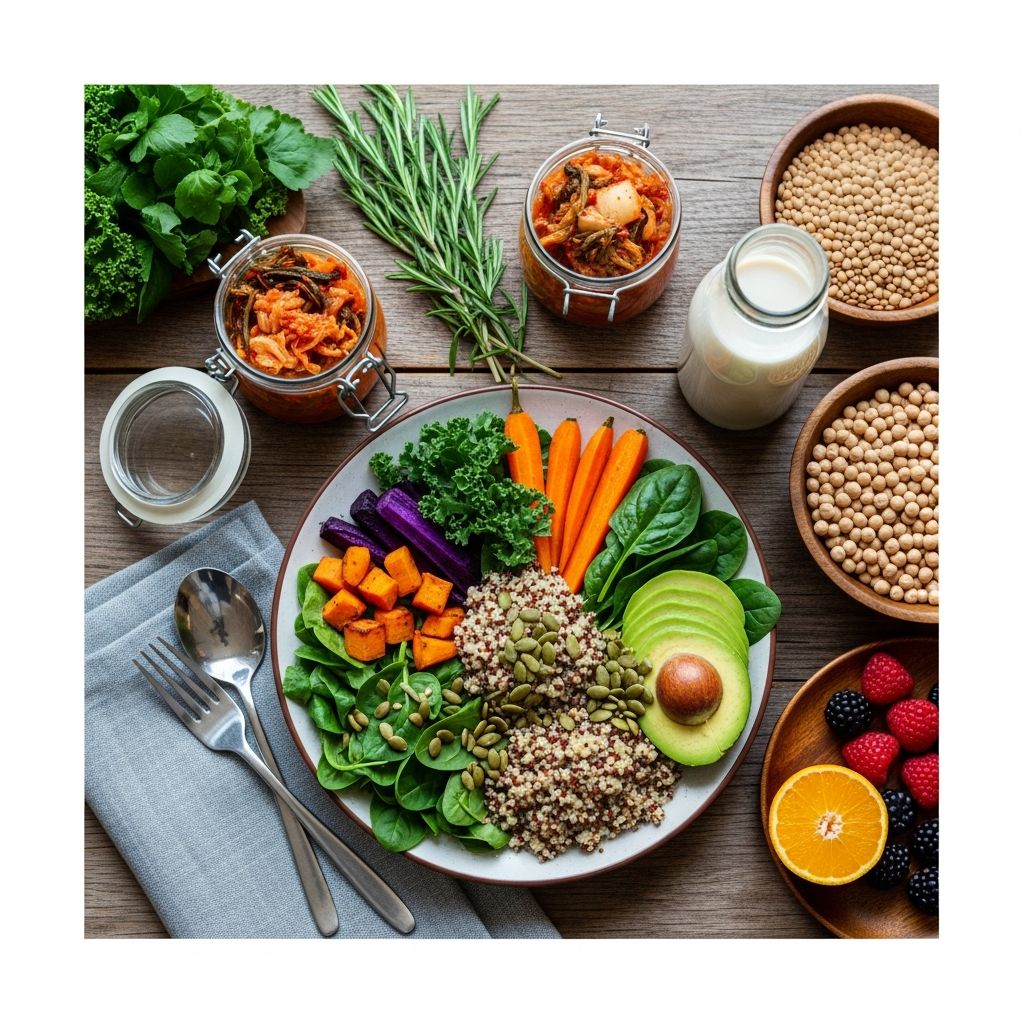
Food landscapes evolve rapidly, driven by consumer demands for health, sustainability, and bold flavors. Whole Foods Market’s annual trend report for 2020 highlighted transformative shifts, blending innovation with environmental consciousness. These predictions, crafted by global buyers and culinary experts, spotlighted practices and products redefining everyday meals for families.
Sustainable Farming Practices Take Center Stage
At the forefront of 2020 trends stood **regenerative agriculture**, a method prioritizing soil restoration, biodiversity enhancement, and carbon sequestration. Unlike conventional farming, this approach goes beyond sustainability by actively improving ecosystems through practices like cover cropping, reduced tillage, and holistic grazing.
Families benefit from nutrient-dense foods produced this way. Products such as grass-fed beef from White Oak Pastures and herbal supplements from MegaFood exemplified this trend, offering superior taste and ethical sourcing. Parents seeking wholesome options for children found these items appealing, as they support long-term planetary health while delivering high-quality nutrition.
Innovative Flours Revolutionize Baking and Cooking
Traditional wheat flours faced competition from **vegetable and fruit-based alternatives** like cauliflower, banana, tigernut, and coconut flours. These options packed extra fiber, protein, and micronutrients, catering to gluten-sensitive diets and adventurous home cooks.
In home kitchens, these flours enabled creative baking—think nutrient-boosted pancakes or crispy tortillas. Brands like 365 Everyday Value and Gemini Superfoods made them accessible, encouraging families to experiment with healthier recipes that maintained familiar textures and flavors.
| Flour Type | Key Benefits | Example Products |
|---|---|---|
| Cauliflower Flour | Low-carb, high-fiber | 365 Cauliflower Flour |
| Tigernut Flour | Nut-free, prebiotic | Gemini Tigernut Flour |
| Banana Flour | Resistant starch for gut health | Bulk baking aisles |
Global Flavors from West Africa Gain Popularity
Exciting **West African culinary influences** brought vibrant spices and ingredients like fonio, baobab, and moringa to mainstream shelves. These superfoods offered antioxidants, complete proteins, and unique tastes, inspiring family meals with exotic twists.
- Fonio: A tiny grain with a nutty flavor, gluten-free and quick-cooking.
- Baobab powder: Vitamin C-rich for smoothies and snacks.
- Moringa: Leafy green packed with vitamins for teas and pestos.
These ingredients empowered parents to introduce diverse, nutrient-rich foods to picky eaters, fostering cultural appreciation alongside health benefits.
Fresh, Refrigerated Snacks for On-the-Go Families
**Refrigerated snacking** emerged as a game-changer, featuring items like topped hard-boiled eggs, pickled veggies, drinkable broths, and fresh protein bars. Prioritizing clean labels and minimal processing, these snacks provided convenient nutrition without compromising quality.
Busy parents appreciated options such as Peckish Eggs & Maple Waffles or Nona Lim’s Pho Bone Broth, perfect for school lunches or post-activity refuels. This trend emphasized freshness, aligning with demands for transparent, wholesome eating.
Plant-Based Proteins Diversify Beyond Soy
Moving **beyond soy**, innovators turned to mung beans, hemp seeds, watermelon seeds, and grain-legume blends for creamy textures in yogurts, meats, and sauces. This shift addressed allergen concerns while expanding flexitarian choices.
Products like Ocean’s Halo Soy-Free Sauce and Vega Protein powders allowed families to enjoy plant-powered meals without soy’s drawbacks. These alternatives supported diverse diets, from vegan to omnivore, promoting inclusivity at the table.
Creative Butters and Spreads Elevate Everyday Meals
**Nutrient-packed butters** from watermelon seeds, sunflower seeds, and chickpeas transformed toast, smoothies, and baking. Rich in healthy fats and proteins, they offered soy-free, nut-free options for allergy-aware households.
Watermelon seed butter, in particular, delivered a buttery taste with magnesium and iron boosts, ideal for children’s snacks or adult energy needs.
Healthier, Adventurous Kids’ Foods
The **revamped children’s menu** ditched processed junk for organic nuggets, fermented bites, colorful alternative-flour pastas, and roasted seaweed. Millennials, as parents, demanded transparency and nutrition, influencing brands to innovate.
Items like gimMe Organic Seaweed appealed to adventurous young palates, while non-breaded salmon sticks introduced seafood sophisticatedly. This trend bridged fun and health, making family dining exciting.
Hybrid Meat-Plant Blends for Balanced Eating
**Blended proteins** combined animal and plant sources, such as Applegate’s 30% plant beef burgers or Lika Plus with mushrooms and grains. These reduced meat consumption environmentally while retaining juicy flavors meat-lovers craved.
Flexitarians thrived with these options, cutting saturated fats and costs by incorporating mushrooms or legumes at home.
Non-Alcoholic Beverages for Mindful Sipping
**Zero-proof drinks**—sophisticated mocktails with adaptogens, bitters, and functional ingredients—catered to wellness-focused adults. Flavors like hibiscus spritzers or herbal tonics provided complexity without alcohol, fitting family gatherings.
These beverages supported sober-curious lifestyles, offering hydration and relaxation benefits.
Why These Trends Matter for Families Today
Though forecasted for 2020, these trends laid groundwork for enduring shifts toward sustainability and health. Regenerative practices combat climate change, while innovative ingredients address dietary needs. Families adopting them enjoy tastier, greener meals.
Incorporate them gradually: swap flours in baking, try blended patties, or stock fresh snacks. The result? Nourished bodies and a healthier planet.
Frequently Asked Questions
What is regenerative agriculture?
It’s farming that restores soil, boosts biodiversity, and captures carbon, creating environmental benefits beyond sustainability.
Are alternative flours gluten-free?
Most like tigernut and cauliflower are naturally gluten-free, ideal for sensitive diets.
How do meat-plant blends benefit health?
They lower fat intake, add fiber from plants, and appeal to varied preferences.
Why go beyond soy in plant-based foods?
To avoid allergens and innovate with diverse proteins like mung beans.
Are zero-proof drinks just juice?
No, they feature complex flavors, adaptogens, and no alcohol for mindful enjoyment.
References
- Amazon’s Whole Foods Reveals Top Food Trends of 2020 — Business Insider. 2019-10-28. https://www.businessinsider.com/whole-foods-predicts-top-food-trends-of-2020-2019-10
- Whole Foods Market Releases Top 10 Food Trends for 2020 — Whole Foods Magazine. 2019-11-01. https://www.wholefoodsmagazine.com/articles/6829-whole-foods-market-releases-top-10-food-trends-for-2020
- Food Trends for 2020 Show a Sustainability Focus — Johns Hopkins Center for a Livable Future. 2020-01-15. https://clf.jhsph.edu/viewpoints/food-trends-2020-show-sustainability-focus
- The 10 Food Trends of 2020 According to Whole Foods — Magnifico Food. 2020-01-10. https://www.magnificofood.com/blogs/magnifico-curiosity/the-10-food-trends-of-2020-according-to-whole-foods