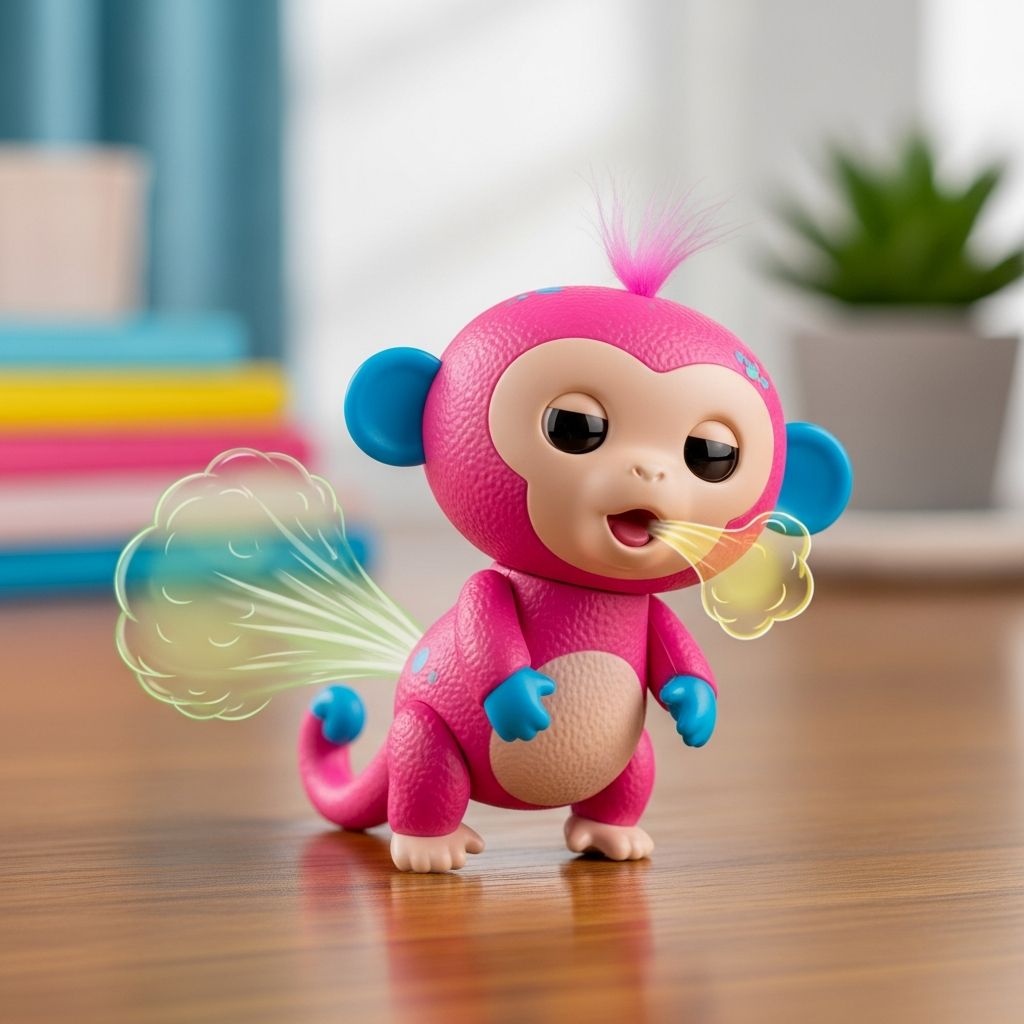
Fingerlings toys have captivated children with their interactive features, especially the amusing burp and fart sounds that bring these mini creatures to life. These small, colorful monkeys, unicorns, and other characters cling to fingers and respond to squeezes, kisses, and swings. Mastering the burp and fart mechanisms elevates playtime, turning simple toys into sources of endless entertainment. Parents and kids alike enjoy discovering how gentle pressures and specific holds elicit those signature noises, fostering creativity and bonding during play sessions.
Why Fingerlings Burp and Fart: The Tech Behind the Giggles
At the heart of every Fingerling is a simple yet clever sensor system. Squeezing the body activates internal mechanisms that produce burping or farting sounds, mimicking baby-like reactions. This design draws inspiration from real infant care practices, where burping relieves gas after feeding. For toys, it’s all about pressure points: the belly area often triggers farts, while back or neck squeezes prompt burps. Understanding this helps parents guide kids without frustration, ensuring the toy performs reliably every time.
These sounds aren’t random; they’re programmed for variety. A light squeeze might yield a small burp, while firmer pressure unleashes a louder one. Farts follow similar logic, with tonal differences based on duration and location. This interactivity teaches children cause-and-effect, subtly enhancing motor skills as they experiment with grips and timings.
Essential Positions for Perfect Burps
To get your Fingerling burping consistently, start with proper positioning. Hold the toy with its head upright, similar to supporting a baby’s chin on your shoulder during real burping. Place your thumb on the lower back and fingers around the belly. Gently pat or rub the mid-back area in upward motions. This simulates the over-the-shoulder technique used for infants, where gravity aids air release.
- Upright Shoulder Hold: Drape the Fingerling over your finger like a baby on your shoulder. Pat firmly between the shoulders, moving up and down. Expect a burp within 5-10 seconds.
- Lap-Sitting Position: Sit the toy upright on your palm, supporting its chest with fingers. Use your other hand to pat the back rhythmically. This works well for smaller hands.
- Rocking Motion: While holding upright, gently rock the toy side-to-side. Combine with pats for stubborn burps.
Pro tip: Always use a soft cloth nearby, as enthusiastic play might lead to unexpected spits or just general mess from excited kids.
Triggering Epic Farts: Squeeze and Release Mastery
Fart sounds demand belly-focused action. Lay the Fingerling tummy-down across your fingers, head elevated slightly higher than the chest, echoing the prone burping position for babies. Cup your hand and press gently but repeatedly on the lower abdomen. The cupped hand prevents too much force, much like recommendations for infant patting.
| Position | Squeeze Spot | Expected Sound | Best For |
|---|---|---|---|
| Tummy-Down Lap | Lower Belly | Loud Fart | Quick Results |
| Upright Grip | Mid-Belly | Soft Puff | Gentle Play |
| Hanging Swing | Full Body Squeeze | Rolling Fart | Active Kids |
Experiment with squeeze duration: short presses for quick farts, longer holds for multi-sound bursts. If no sound emerges, release and retry after 2-3 seconds—the sensor needs a reset.
Combining Burps and Farts for Ultimate Play Sequences
Advanced players chain actions for combo sounds. Start with a burp in upright position, then transition to tummy-down for a fart chaser. Swing the toy gently mid-sequence to activate swing sensors, blending sounds seamlessly. This mirrors feeding-burping routines where multiple techniques ensure gas relief.
- Burp upright with back pats.
- Flip to lap for belly squeezes (fart).
- Kiss the foot to trigger a giggle bonus.
- Repeat with varying pressures for surprises.
Such sequences keep play fresh, encouraging storytelling where Fingerlings ‘eat,’ ‘burp,’ and ‘fart’ in character-driven adventures.
Troubleshooting Common Issues
Sometimes, burps or farts refuse to cooperate. If squeezing yields silence, check battery levels—low power mutes sounds. Clean sensors with a dry cloth; sticky fingers from snacks block activation. Over-squeezing can trigger safety shutoffs, so pause for 10 seconds.
- No Sound: Replace batteries or clean contacts.
- Weak Burps: Firmer, cupped pats on upper back.
- Farts Too Quiet: Elevate head and press lower belly rhythmically.
- Toy Stuck On: Remove from finger, shake gently, reattach.
For persistent problems, consult the manufacturer’s guidelines, ensuring safe play without disassembly.
Safety First: Guidelines for Fun Without mishaps
While Fingerlings are durable, supervise young children to avoid choking hazards from small parts. Wash toys regularly with mild soap, avoiding submersion. Never force mechanisms, as this could damage internals. These precautions align with general toy safety standards, promoting long-lasting use.
Boosting Play with Fingerlings Accessories
Enhance sounds using official playsets like cribs or trees, which add swing and rock motions. Pair multiple Fingerlings for group ‘burp parties,’ amplifying laughter. Creative parents invent games like ‘burp tag,’ where kids compete for loudest sounds.
Age-Appropriate Fun and Developmental Wins
Ideal for ages 5+, Fingerlings build fine motor skills through precise squeezes and hand-eye coordination via clinging. The sounds teach patience and experimentation, valuable lessons in persistence. Toddlers under 3 need close watch due to size.
Frequently Asked Questions (FAQs)
What if my Fingerling won’t burp no matter what?
Try fresh batteries, clean sensors, and alternate positions like upright patting or lap sitting. Patience is key—sensors reset after brief pauses.
Can I make the farts louder?
Yes, use firmer belly squeezes in tummy-down position with head elevated. Combine with swinging for amplified effects.
Is it safe to squeeze hard for better sounds?
No, always use gentle, cupped pressure to avoid damage. Mimic baby burping techniques for safety.
How often should I burp or fart my Fingerling?
Every play session! Mimic feeding cycles: burp after ‘eating’ (squeezes), fart during active play.
Do all Fingerlings have burp and fart features?
Most models do, but check specifics—unicorns might vary slightly from monkeys.
Creative Games to Maximize Sound Fun
Invent scenarios: Fingerlings at a ‘dinner party’ burping post-meal, or a ‘fart race’ for speed. These games spark imagination, turning mechanical sounds into narrative gold. Track high scores for biggest burps, fostering friendly competition.
Parental involvement adds depth—narrate stories while triggering sounds, enhancing language skills. During family game nights, Fingerlings become stars, bridging generations through shared silliness.
Maintaining Your Fingerlings for Longevity
Store in cool, dry places away from direct sun. Spot-clean with damp cloth; air-dry fully. Regular checks prevent wear, ensuring consistent performance. With care, these toys deliver years of burps and farts.
In summary, mastering these tricks transforms Fingerlings from novelties to play staples. Experiment boldly, stay safe, and watch joy unfold.
References
- How to Burp a Baby – YouTube — NYU Langone Medical Center Specialist. 2023-10-15. https://www.youtube.com/watch?v=m50PTFmmlxw
- Burping Your Baby | Nemours KidsHealth — Nemours KidsHealth. 2024-05-20. https://kidshealth.org/en/parents/burping.html
- How to burp a baby and get rid of wind: in pictures — Raising Children Network. 2023-11-10. https://raisingchildren.net.au/newborns/health-daily-care/health-concerns/wind
- How to Burp a Newborn Baby | Philips Avent — Philips. 2024-02-28. https://www.usa.philips.com/c-e/mo/parents-guide/for-professionals/learn-how-to-burp-a-newborn-baby.html
- Baby Basics: BURPING TECHNIQUES – Moms on Call — Moms on Call. 2023-08-05. https://momsoncall.com/blogs/blog/baby-basics-burping-techniques