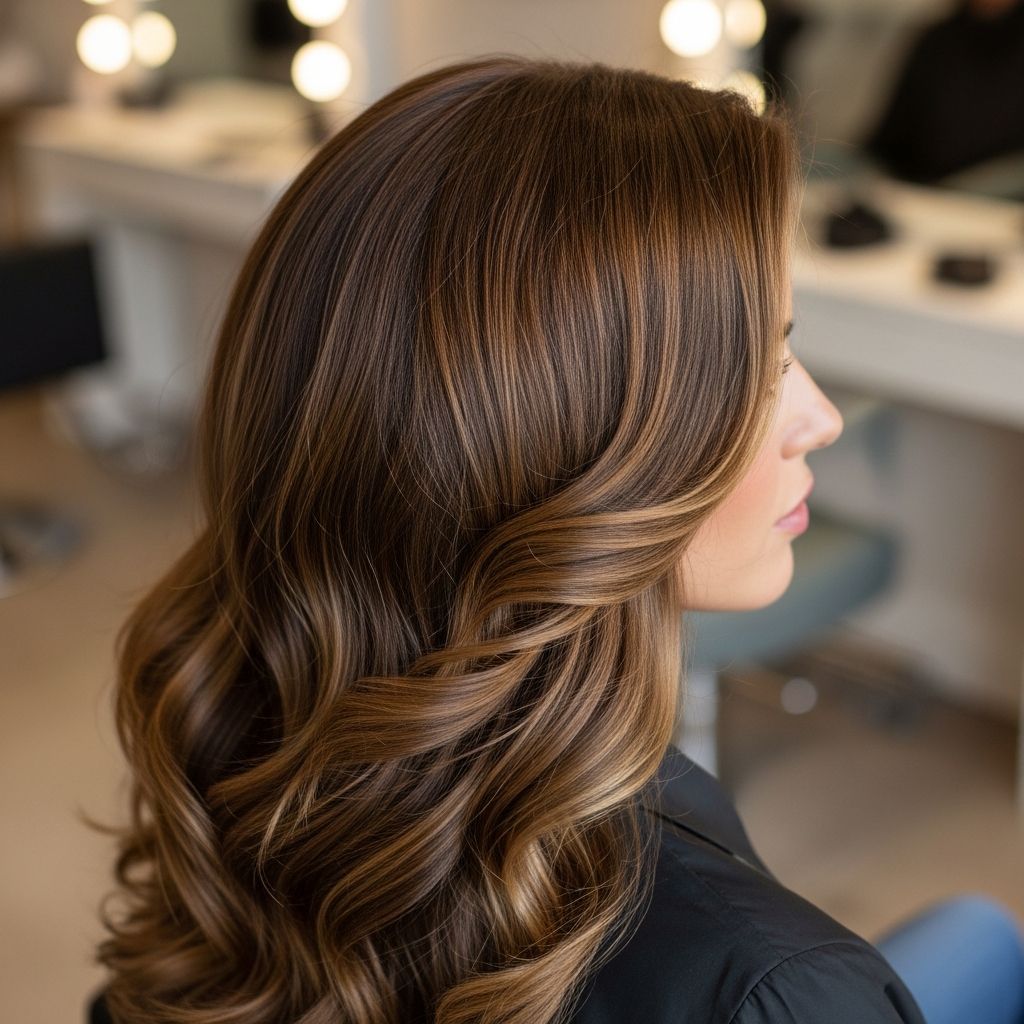
A good blowout should not vanish the minute you leave the salon or put down your hairdryer. With the right prep, protection, and daily habits, you can stretch that smooth, swingy style for several days while avoiding excess heat damage.
This guide walks through a full routine: what to do before the blowout, how to sleep without ruining it, how to shower and work out, and how to troubleshoot oil, frizz, and flattened roots. Treat it like a care plan for your best hair days.
Understanding What Ruins a Blowout
Before focusing on solutions, it helps to know what you are fighting against. Most blowouts fall apart because of three main culprits: moisture, friction, and oil.
- Moisture: Humidity, sweat, and steam cause the cuticle to swell and frizz, undoing the smoothing work of the blowout.
- Friction: Rough pillowcases, aggressive brushing, and tight elastics disturb the shape and create tangles and flyaways.
- Oil and product buildup: Natural scalp oil weighs hair down, while heavy products can collapse volume and look greasy.
When you build your routine around controlling these three factors, your style will automatically last much longer with less effort.
Start Strong: Pre-Blowout Preparation
A long-lasting blowout starts before any hot air touches your hair. Clean, properly conditioned hair holds a style more evenly and resists frizz better than hair that is overloaded with residue or left rough and dehydrated.
- Clarify when needed: If you use a lot of styling products or dry shampoo, cleanse with a gentle clarifying shampoo every few washes to remove buildup that can make the blowout look dull.
- Use balanced conditioner: Focus conditioner on mid-lengths and ends, not the roots, to avoid weighing down the crown where you want volume.
- Detangle thoroughly: Use a wide-tooth comb or detangling brush on damp hair to reduce breakage and make the blowout smoother.
- Blot, don’t rub: Gently squeeze water out with a soft towel or T-shirt instead of rough rubbing, which raises the cuticle and invites frizz.
Product Strategy: Less, Smarter, Targeted
Products do not need to be heavy to be effective. The key is choosing formulas tailored to your hair type and applying them in the right order and placement.
| Hair Concern | Helpful Product Types | Where to Apply |
|---|---|---|
| Fine, flat hair | Volumizing mousse, root-lift spray, lightweight heat protectant | Roots and crown for lift, light application through mid-lengths |
| Thick or frizz-prone hair | Smoothing cream, anti-humidity spray, serum or light oil | Mid-lengths to ends, avoiding the scalp area |
| Dry or damaged hair | Leave-in conditioner, strengthening cream, hydrating heat protectant | Focus on most fragile areas, typically ends and face-framing pieces |
| Oily scalp | Oil-control spray, lightweight leave-ins, dry shampoo (for later days) | Avoid heavy creams at the roots; keep product mid-lengths and below |
One product that every blowout needs is a heat protectant. Look for one that shields from heat and offers either smoothing or volumizing benefits depending on your goals, then apply it evenly before blow drying.
Blowout Technique That Lasts
The way you perform (or request) your blowout determines how well it holds its shape. The goal is to smooth the cuticle, create the desired bend or curl, and seal everything by letting hair cool completely in its styled position.
- Dry roots first: Start with the root area since it sets the direction and lift. Aim the nozzle downward and keep it moving to avoid heat damage.
- Work in small sections: Smaller sections allow better tension with the brush and a smoother result, which frizzes less over time.
- Roll and cool: After smoothing a section with a round brush, let it cool in a rolled shape—either wrapped on the brush, pinned, or placed in a roller.
- Finish with a cool shot: A burst of cool air helps lock the cuticle and gives the style more longevity.
Avoid going back over already-dry hair repeatedly with high heat, as this can roughen the cuticle and cause the style to age faster instead of smoother.
Nighttime: How to Sleep Without Ruining Your Blowout
Nighttime is when most blowouts die. Tossing and turning, cotton pillowcases, and tight buns can flatten volume and rough up the ends. A few simple changes can preserve your style dramatically.
Upgrade Your Pillowcase
Silk or satin pillowcases create less friction than traditional cotton, which means fewer tangles, less frizz, and smoother ends by morning. They are also gentler on skin, making them a worthwhile long-term switch.
Choose a Sleep-Friendly Style
The best way to secure your hair overnight depends on the finish of your blowout—straight, wavy, or big and bouncy. A loose, non-creasing hold is essential.
- For straight or sleek styles: Try a gentle wrap around your head, using soft clips or pins to secure sections so they lay flat and smooth.
- For loose curls or waves: Place hair into one or two very loose top knots using a soft scrunchie or large clip to avoid dents.
- For maximum volume: Pineapple your hair (loose high ponytail on top of your head) to keep the ends lifted and prevent root flattening.
Whichever method you choose, keep everything loose and comfortable. If it feels tight or pulls at your scalp, it is likely to leave unwanted creases or breakage.
Showering, Sweat, and Weather: Defending Your Style
Water and steam are the enemies of a smooth blowout. The goal is not to avoid showering or exercising, but to protect your style from unnecessary moisture exposure.
Shower Smarts
- Use a well-fitted shower cap: Choose one with a snug elastic and, ideally, a soft inner lining to block both water and steam.
- Keep showers warm, not scalding: Very hot showers produce more steam, which can sneak in and cause frizz around the hairline and nape.
- Secure your hair first: Put hair into a loose top knot or wrap before putting on your cap so ends stay high and away from damp edges.
Managing Workouts and Sweat
Sweat is basically warm salt water, so it can quickly undo a smooth blowout if it saturates your roots. The trick is to limit how much sweat sits on your scalp and how long it stays there.
- Pre-style your hair: Before a workout, place hair in a high, loose ponytail or braid, using a soft scrunchie or clip.
- Use absorbent headbands: A moisture-wicking headband around your hairline can catch sweat before it hits your blowout.
- Cool and dry afterward: As soon as possible post-workout, use a cool blow dryer setting at your roots to evaporate sweat, then apply dry shampoo if needed.
Day-by-Day Guide: Extending Your Blowout
Thinking of your blowout in stages can help you choose the right maintenance tricks each day rather than doing too much too soon. Below is a suggested framework—adjust based on how oily or dry your hair naturally is.
Day 1: Fresh Blowout
- Keep products minimal; your hair already has plenty of body and shine.
- Avoid running your fingers through your hair constantly, as oils from your hands can transfer to your strands.
- Protect it at night with your chosen sleep style and silk/satin pillowcase.
Day 2: Maintain Shape and Volume
- Target any slightly oily areas at the roots with a small amount of dry shampoo, focusing on the crown and part line.
- Brush gently with a soft-bristle brush to redistribute oil from roots to mid-lengths.
- If ends look dry, use a tiny amount of lightweight serum only from mid-lengths downward.
Day 3 and Beyond: Refresh and Restyle
- Use dry shampoo more proactively, applying it before bedtime so it can absorb oil overnight.
- Consider introducing a new shape—such as adding loose waves with a large curling iron or re-smoothing face-framing pieces—rather than redoing the entire blowout.
- When hair feels heavy or limp despite dry shampoo, it is a sign to fully cleanse and start fresh.
Smart Use of Dry Shampoo
Dry shampoo can be the hero or the villain of long-lasting blowouts. Used correctly, it refreshes roots and restores lift; used excessively, it can cause buildup and irritation.
Best Practices
- Hold the can several inches away from your scalp and aim for the root area, not the mid-lengths or ends.
- Apply in light layers, concentrating on the oiliest zones such as the crown, nape, and around the face.
- Give it a few minutes to absorb, then massage it in and brush through to avoid a powdery cast.
On very dark hair, choose tinted formulas or transparent mists to avoid visible residue, and always cleanse thoroughly on your next wash day.
Heat Touch-Ups: When and How
Some blowouts can be revived with a short, focused touch-up rather than a full re-style. The key is using the lowest effective heat and limiting how often you reapply heat to the same areas.
- Spot treat only: Re-smooth or re-curl just the sections that look the most disrupted—such as the front pieces or crown.
- Use heat protectant again: Always reapply a light layer of protection before touching up to minimize incremental damage.
- Lower the temperature: Most people do not need the maximum heat setting for touch-ups; start low and increase only if necessary.
If hair starts to feel rough, brittle, or overly dry, give it a break from heat and focus on conditioning treatments before your next blowout.
Adapting Tips for Different Hair Types
No two heads of hair behave identically. Tailoring your blowout preservation strategy to your hair texture and pattern will give you the best results.
- Fine or thin hair: Avoid heavy creams and oils; prioritize volumizing products and minimal touching throughout the day.
- Thick or coarse hair: Emphasize smoothing products and smaller sections when blow drying to fully seal the cuticle.
- Curly or textured hair: Focus on moisture balance before the blowout, use strong heat protection, and prioritize silk or satin at night to prevent reversion and breakage.
- Color-treated or fragile hair: Space out heat styling days, incorporate masks and bond-repair treatments, and keep the dryer and tools on moderate settings.
Frequently Asked Questions
How long should a blowout last?
Most people can maintain a blowout between three to five days, depending on scalp oiliness, activity level, climate, and how well they protect it. Some can stretch to a full week with strategic dry shampoo use and careful nighttime routines.
Is it bad to get blowouts every week?
Weekly blowouts can be part of a healthy routine if you use high-quality heat protectants, keep heat settings moderate, and support your hair with conditioning treatments. If you notice increased breakage, dryness, or split ends, more time between heat styling sessions may be needed.
Can I use a flat iron on my blowout?
Occasional light touch-ups with a flat iron are fine, but relying on it daily over a blowout can lead to overexposure to heat. When possible, refresh the style with a blow dryer and round brush instead, which can smooth without repeatedly clamping the hair.
Why does my blowout frizz as soon as I go outside?
If your environment is very humid, the hair may be absorbing moisture and swelling. Using an anti-humidity spray, fully sealing the cuticle during the blowout, and tying hair up loosely during rain or heavy humidity can reduce this effect.
How do I know if I’m using too much dry shampoo?
Signs include a gritty feel, visible build-up, an itchy scalp, or hair that looks dull even when freshly styled. If this happens, clarify your hair, give your scalp a break, and reduce dry shampoo use to lighter, more targeted applications.
By combining smart preparation, gentle daily habits, and the right products, you can turn a single blowout into several days of polished, confidence-boosting hair without sacrificing its health.