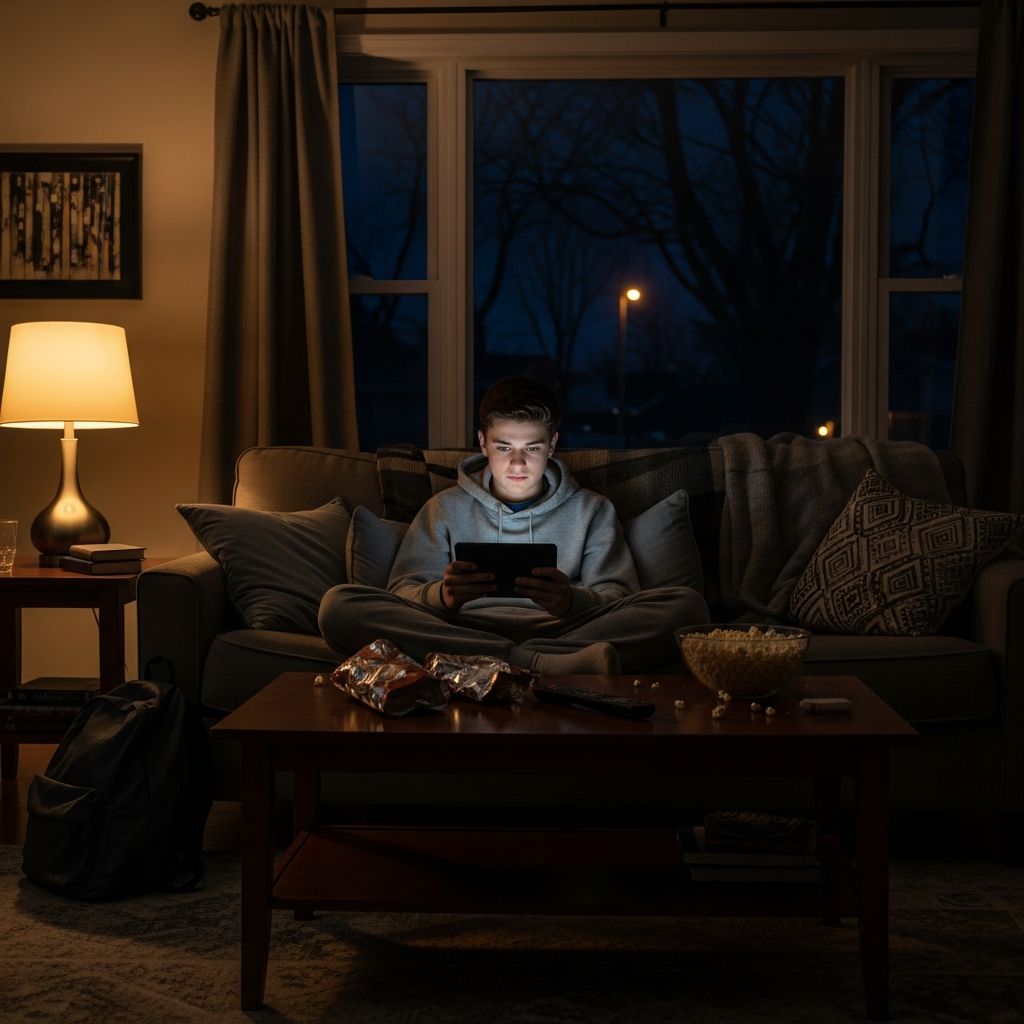
Deciding to leave a teenager home alone overnight marks a significant milestone in parenting. It fosters independence while requiring careful preparation to prioritize safety. This guide draws from established safety recommendations to help parents evaluate readiness, implement protections, and establish rules that balance freedom with security.
Assessing Your Teen’s Maturity for Independence
Every teen develops at a different pace, so age alone isn’t the sole indicator for overnight solitude. Parents must gauge emotional, physical, and cognitive maturity through observable behaviors. Can your teen consistently follow household rules, manage time without supervision, and stay calm under pressure? Reliable sources emphasize testing these skills in shorter absences first.
Key readiness factors include:
- Responsibility in daily tasks: Does your teen complete homework, chores, and self-care like preparing simple meals without reminders?
- Emotional resilience: Can they handle being alone without excessive anxiety and resist peer pressure for unsafe activities?
- Problem-solving ability: Have they demonstrated good judgment in past situations, such as locking doors or contacting you promptly?
Start with daytime trials. Gradually extend to evenings, monitoring via check-ins. If your teen excels, overnight stays become feasible. Official guidelines suggest children 11-13 handle up to 12 hours alone, 14-15 up to 24 hours, and 16-17 longer with backup support.
Legal Considerations Across States
No federal law sets a minimum age for leaving children home alone, leaving it to states and local jurisdictions. Some, like Illinois (age 14) and Maryland (8 with conditions), impose restrictions, while others defer to parental discretion. Always verify local ordinances to avoid legal risks. For overnight scenarios, maturity trumps age—ensure your teen can manage 24+ hours independently.
| Age Group | Recommended Max Alone Time | Source Notes |
|---|---|---|
| 11-13 | 12 hours | With close supervision checks |
| 14-15 | 24 hours | Daily plans and emergency prep required |
| 16-17 | Extended (with adult backup) | Full responsibility expected |
Consult resources like state child welfare sites for specifics. In ambiguous cases, err on caution and arrange supervision.
Building a Robust Home Safety Foundation
Secure the physical environment before any absence. Inspect smoke and carbon monoxide detectors monthly—teens must know their locations and test procedures. Stock a well-equipped first-aid kit and review basic usage, distinguishing minor issues from emergencies requiring 911.
- Lock cabinets containing medications, alcohol, weapons, and cleaning supplies.
- Secure appliances: Teach microwave safety (no metal) and stove rules based on age—younger teens avoid ovens.
- Install or verify working flashlights, fire extinguishers, and escape ladders if multi-story.
Practice fire drills: Map escape routes from every room, emphasizing ‘stop, drop, roll’ and meeting at a safe outdoor spot. Role-play scenarios like a stranger at the door or injury response to build confidence.
Implementing Smart Security Technologies
Modern tools bridge the gap between absence and oversight. Smart security systems with ‘stay mode’ activate door sensors and cameras without interior motion triggers, ideal for teens moving about.
Essential tech features:
- Video doorbells and cameras: Allow teens to view visitors remotely and parents to monitor via apps.
- Smart locks with codes: Assign unique entry codes per family member for real-time notifications of arrivals.
- Mobile alerts: Instant updates for triggered sensors or door activity.
Connect teens to the system app for self-arming and live feeds. Automate cameras to record upon entry, providing visual confirmation of safe return. Test everything pre-absence.
Establishing Clear Communication Protocols
Reliable contact is non-negotiable. Mandate immediate check-ins upon arrival, then scheduled calls/texts (e.g., bedtime, morning). Provide a posted list of emergency numbers: 911, parents’ cells/work, neighbors, poison control.
Phone rules:
- Ignore unknown callers; let voicemail handle.
- Never disclose being alone—say ‘Parent’s busy’ to inquiries.
- Use apps for location sharing if comfortable.
Discuss social media: Prohibit posts about solitude, even to friends, to deter opportunistic risks.
Setting Firm House Rules for Overnight Stays
Written rules prevent misunderstandings. Post them visibly, discussing rationale for buy-in. Tailor by age—13-year-olds skip cooking; 16-year-olds manage basics.
Core overnight rules:
- No leaving the house without permission; stick to approved routes home from school.
- No guests—friends over only with prior parental okay and during check-ins.
- Complete a daily schedule: homework, chores, meals, bedtime by set time.
- Lock all doors/windows; use peephole before responding to knocks.
Enforce no parties or substance use. Provide prepped meals to minimize kitchen risks.
Emergency Preparedness Drills
Knowledge without practice fades. Weekly drills cover:
- 911 protocol: State name, address, issue clearly. Practice with fake calls.
- Intruder response: Hide, call for help, don’t engage.
- Medical basics: Bandages, ice packs; when to seek neighbors.
Teach home address recitation and nearby safe havens like neighbors or public spots.
Promoting Responsible Entertainment and Routines
Idle time breeds trouble—structure it. Assign homework first, then chores, followed by approved activities like reading or instrument practice.
Safe entertainment:
- Screen time limits with content filters.
- Pre-approved games or hobbies.
- Encourage calling trusted contacts if lonely.
This builds self-discipline for future independence.
Frequently Asked Questions
What’s the youngest age for overnight home alone?
Guidelines vary: 14-15 for up to 24 hours with prep; 16+ for longer. Assess maturity individually.
Can teens have friends over?
Only with explicit permission, limited numbers, and parental check-ins to maintain control.
What if my teen gets scared?
Have backup contacts ready; designate a neighbor for visits. Discuss fears beforehand.
How do I monitor without invading privacy?
Use entry notifications and periodic check-ins; avoid constant camera peeking.
What cooking is safe?
Microwave meals for younger; stovetop for older with supervision practice.
Long-Term Benefits of Gradual Independence
Supervised solo time cultivates confidence, decision-making, and resilience. Start small, debrief after each to refine. By college, well-prepared teens thrive.
Monitor progress; regress if issues arise. Parental intuition guides best.
References
- Safety Tips When You Have Teens Home Alone — S24 Security. 2023. https://www.s24security.com/blog/safety-tips-when-you-have-teens-home-alone-in
- 7 Safety Rules for Kids at Home Alone — Scholastic. Accessed 2026. https://www.scholastic.com/parents/family-life/social-emotional-learning/social-skills-for-kids/7-safety-rules-kids-home-alone.html
- Home Alone: A Parent’s Guide — King County, Washington (gov). Accessed 2026. https://kingcounty.gov/en/dept/sheriff/courts-jails-legal-system/crime-prevention-safety/kids-teens/home-alone
- School’s Out Safety Tips for Parents — City of St. Paul (gov). 2023. https://www.stpaul.gov/sites/default/files/Media%20Root/Police/kids%20safety%20summer.pdf
- Home Alone Handbook: Is Your Child Ready? MP571 — University of Arkansas Extension (.edu). Accessed 2026. https://www.uaex.uada.edu/life-skills-wellness/personal-family-well-being/MP571.pdf
- Home Alone Checklist — Utah State University (.edu). Accessed 2026. https://www.usu.edu/childcarehelp/leaving-older-children-home-alone
- Staying Home Alone: Is Your Child Ready? — Safe Sitter. Accessed 2026. https://safesitter.org/home-alone/