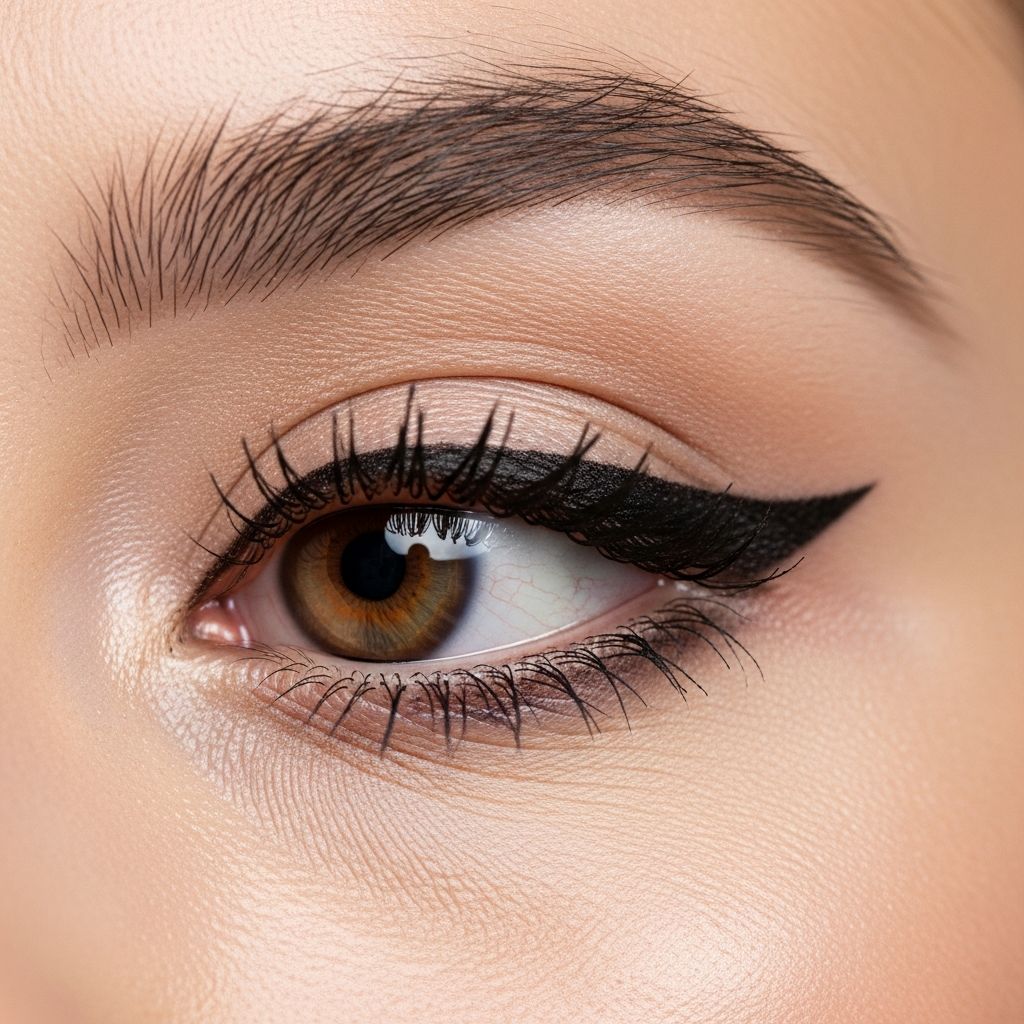
Eyeliner that looks sharp at 8 a.m. and raccoon-like by lunchtime is one of the most common makeup frustrations. The good news: smudging is usually a combination of skin chemistry, eye shape, and technique—things you can work with once you understand them.
This guide explains why eyeliner moves, how different products behave on the skin, and step-by-step strategies to keep your liner in place from morning to night.
Understanding Why Eyeliner Smudges
Before you can fix a problem, it helps to know what is going wrong. Eyeliner usually smudges for a mix of these reasons:
- Excess oils around the eyes breaking down makeup over time.
- Tears and moisture from watery eyes or allergies dissolving pigment.
- Rubbing or blinking transferring product to the lower lids or under-eye area.
- Soft, creamy formulas that never fully set and remain movable.
- Hooded or deep-set eyes, where upper and lower lids touch and transfer color.
Cosmetic chemists design many eyeliners with waxes and oils for glide; without the right base and setting steps, those same ingredients can help the product migrate as your own skin produces oil throughout the day.
Know Your Eye Area: Oil, Tears, and Shape
Two people can use the same eyeliner and get completely different wear times. That is because the environment around each eye differs.
Skin Type Around the Eyes
The eyelids are thin and contain oil glands that contribute to the tear film and natural lubrication of the eye surface. If that area is particularly oily, it can quickly break down makeup.
- Oily lids: Eyeliner tends to slip, fade, and transfer onto the crease.
- Normal/combination: Some shine develops over the day; liner may soften but not completely smear.
- Dry lids: Makeup usually adheres well, but heavy creams can still cause movement.
Eye Shape and Structure
Eye anatomy also matters. Research on eyelid and lash anatomy shows that the eyelid margin and lash line are heavily involved in tear distribution and blinking. That same movement and moisture affects where liner ends up.
- Hooded eyes: Upper lid may rest on the lash line, making transfer more likely.
- Deep-set eyes: Color can stamp from the upper lid to the socket.
- Prominent eyes: Lower lash line may catch more pigment as tears drain.
- Sensitive, watery eyes: Tears dilute and carry product toward the inner and outer corners.
Choosing the Right Eyeliner Formula
Not all eyeliners are built for long wear. Some are meant to smudge; others are designed to lock in place. Matching the formula to your needs makes a dramatic difference.
| Type | Texture & Finish | Best For | Smudge Risk |
|---|---|---|---|
| Kohl/soft pencil | Very creamy, blends easily | Smoky looks, short wear | High, unless set with powder |
| Gel (pot or pencil) | Smooth, opaque, can set | Winged liner, long days | Medium–low with setting |
| Liquid felt/brush tip | Very fluid, dries quickly | Crisp wings, top lash line | Low on lid, not for waterline |
| Waterproof pencil | Waxy, sets to a film | Waterline, all-day wear | Low if allowed to set |
Look for phrases like waterproof, long-wear, or smudge-resistant. These formulas usually contain film-forming polymers that create a flexible layer on the skin, improving durability in the presence of oils and moisture.
Build a Smudge-Resistant Base
What sits under your eyeliner often matters more than the liner itself. A good base keeps the skin drier, more even, and less likely to dissolve pigment.
1. Adjust Eye Cream and Skincare
Rich eye creams and facial oils can easily migrate onto the lash line, especially as you blink. That emollient film softens and lifts makeup.
- On heavy-makeup days, choose a lightweight, fast-absorbing eye cream and apply it at least 15–20 minutes before eyeliner.
- Keep creams away from the lash line; focus on the orbital bone.
- Blot any excess shine with a tissue before applying primer or concealer.
2. Prime Beyond the Eyelid
Eye primers contain ingredients that improve adhesion of pigments and absorb oil over time. Many people only apply them to the lid, but the areas where liner smears are often lower and outer.
- Apply primer to the upper lid, lash line, inner corner, lower lash line, and outer corner.
- Use a small brush or fingertip to really work it into the lash roots, not just the flat part of the lid.
3. Set With a Sheer Powder
Setting powder over primer further reduces shine and creates a dry surface that is less likely to disturb eyeliner.
- Use a translucent loose powder and a tiny fluffy or flat brush.
- Press (do not rub) powder onto the upper and lower lash lines, outer corners, and under-eye area.
- If you wear under-eye concealer, set that first so it does not stay tacky and catch pigment.
Application Techniques That Extend Wear
Even the best base and formula can smudge if the liner is placed where tears naturally flow or where lids constantly rub together. Small changes in placement and layering can dramatically improve longevity.
Target Drier Zones of the Eye
The inner portion of the waterline and the tear duct region are the wettest parts of the eye, where tears pool and drain. Liner applied there breaks down fastest.
- Keep pencil and gel liner away from the very inner corner if your eyes tend to water.
- Apply to the outer two-thirds of the waterline and the area closest to the lashes, where it is slightly drier.
- On top, snug the liner into the lash roots instead of a thick stripe that can transfer to the crease.
Layer Cream and Powder for “Bulletproof” Liner
Just like setting foundation with powder, setting eyeliner with a matching eyeshadow helps lock it in place.
- Apply a thin line of waterproof pencil or gel along the lash line.
- Before it fully sets, press a matte eyeshadow in the same color over the line with a small, firm brush.
- Gently wiggle the shadow into the lash roots to create a soft, sealed finish.
This not only reduces smudging, it also softens any uneven edges and can make the liner look richer and more opaque.
Use “Insurance” Shadow Under the Lower Lash Line
If you live in a humid climate or have very oily skin, a thin haze of eyeshadow under the lower lash line can act as a buffer. When liner does start to fade, it blends into the shadow rather than leaving a harsh smudge.
- Choose a soft neutral brown, taupe, or gray shadow.
- Use a small smudge brush to apply a light veil of color just under the lashes.
- Keep it subtle: the goal is a soft shadow, not a heavy smoky line.
Timing Matters: Let Liner Set
Many long-wear liners stay movable for a few minutes before they cure into a more stable film. If you immediately curl lashes, apply mascara, or rub your eyes, you can disturb them.
- Do liner earlier in your routine (before cheeks and lips) so it has time to set.
- Avoid looking up and down repeatedly or squeezing your eyes shut for the first minute.
- If you tightline the upper lash line and want a nude waterline below, allow the upper liner to transfer and set, then clean the lower line with a cotton swab before applying the lighter color.
Special Strategies for Difficult Situations
Some eye and skin situations need extra adjustment. If standard tricks are not enough, try tailoring your routine like this.
Watery or Sensitive Eyes
If your eyes water easily from allergies, contact lenses, or sensitivity, tears will constantly undermine any pigment along the inner margins.
- Skip liner in the innermost third of the eye, both top and bottom, where tears first collect.
- Choose waterproof, ophthalmologist-tested formulas labeled safe for the waterline.
- Use a cotton swab to gently dry the waterline before applying liner, then re-dry any visible moisture.
- Keep eye drops at hand if recommended by your eye doctor, and apply them before makeup, not after.
Hooded and Deep-Set Eyes
Where the upper lid folds, makeup can easily press and transfer onto the skin above.
- Use thinner lines close to the lashes and avoid thick, inky wings that sit right in the fold.
- After application, look straight ahead and gently press translucent powder into the crease area to reduce tackiness.
- Favor gel or long-wear liquid formulas on the top lid, and keep kohl pencils for the outer lower lash line only.
Very Oily Skin or Humid Climates
High humidity and increased sweating increase moisture on the skin and around the eyes, leading to faster breakdown of makeup.
- Use a mattifying face primer on the sides of the nose and temples, where oil can migrate toward the eyes.
- Carry blotting papers and gently press (do not wipe) around the eye area midday.
- Choose tubing mascaras and truly waterproof liners to prevent streaking when sweat or rain appears.
Fixing Smudges Without Starting Over
Even with great prep and products, a long day can still cause minor smears. Knowing how to clean them up quickly can save your look.
- Micro-correct with concealer: A small angled brush with a bit of concealer can sharpen edges and cover faint shadows of smudge.
- Use a cotton swab: For fresh smudges, a dry or slightly damp cotton swab can erase mistakes without needing makeup remover.
- Turn smudge into smoke: If liner has softened a little, layer a matching shadow on top and intentionally blend for a smoky effect, rather than fighting for a crisp line.
Frequently Asked Questions (FAQs)
Why does eyeliner disappear from my waterline so quickly?
The waterline sits directly in the tear film, which constantly renews as you blink. Tears dissolve and wash away pigment, especially if the formula is not waterproof or if your eyes are naturally watery. Using a waterproof pencil, keeping liner away from the very inner corners, and gently setting along the lash line with powder shadow can extend wear.
Is it safe to wear eyeliner on the waterline every day?
Studies of the eyelid margin show that makeup applied too close to the eye can migrate into the tear film and potentially increase irritation, especially for contact lens wearers or people with dry eye. Occasional use is generally considered acceptable for healthy eyes, but if you experience burning, redness, or blurred vision, reduce use and consult an eye care professional.
How can I stop eyeliner from printing onto my upper crease?
Use long-wear gel or liquid liner applied in a thin band right at the lash line, then look down for 20–30 seconds until it sets. Priming and powdering the crease area beforehand, and avoiding heavy creams on the lid, also helps limit transfer.
My under-eye area always ends up dark. Is it my eyeliner or my mascara?
It can be both. Smudging pencil on the lower lash line will create a haze, but non-water-resistant mascara can also flake or streak onto the under-eye region. Switching to a tubing or waterproof mascara and keeping pencil only on the outer part of the lower lash line can help identify which product is causing the issue.
Do I really need both primer and powder?
If you have very dry lids and only mild smudging, primer alone might be enough. For oily lids, hooded eyes, or humid environments, the combination of primer plus a light dusting of powder around the eye significantly improves longevity by providing both grip and oil control.
References
- How to Keep Eyeliner From Smudging — MasterClass. 2025-01-15. https://www.masterclass.com/articles/how-to-keep-eyeliner-from-smudging
- Prevent Eyeliner Smudging! Tips & Tricks (Video) — Karima McKimmie / YouTube. 2016-02-27. https://www.youtube.com/watch?v=nAz18p75XMQ
- How To STOP Kajal/Eyeliner from Smudging! (Video) — Smitha Deepak / YouTube. 2023-05-11. https://www.youtube.com/watch?v=GciNf7wcwdI
- Eye cosmetics — U.S. Food and Drug Administration (FDA). 2023-08-10. https://www.fda.gov/cosmetics/cosmetic-products/eye-cosmetics
- Dry Eye Disease: Pathophysiology, Classification, and Diagnosis — Stapleton F, et al. The Ocular Surface. 2017-07-01. https://doi.org/10.1016/j.jtos.2017.05.003
- Migration of cosmetic products into the tear film — Ng A, Evans KS, North RV. Eye & Contact Lens. 2015-07-01. https://doi.org/10.1097/ICL.0000000000000102