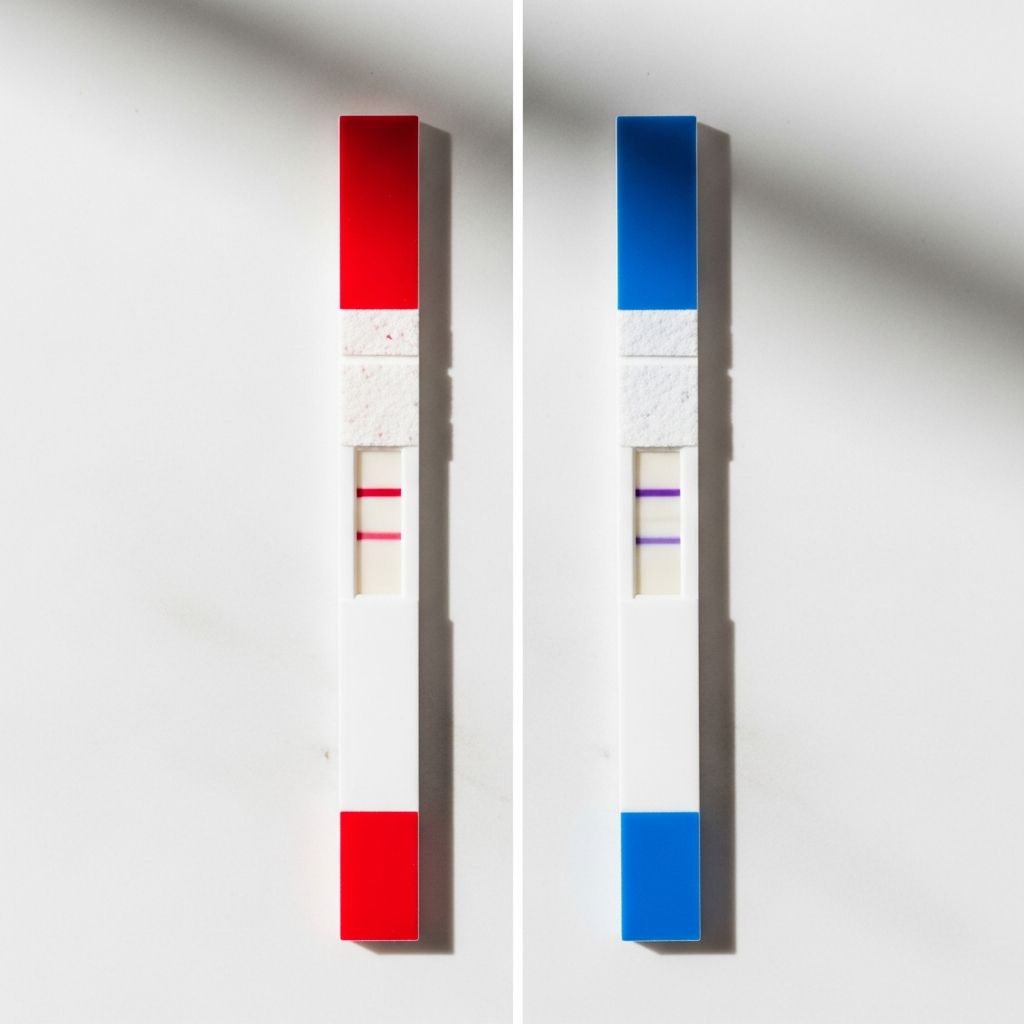
Finding out you are pregnant can be thrilling, overwhelming, or even confusing—and sometimes all three at once. Many people are not ready to share their news immediately and prefer to keep the first weeks or months private while they process what this change means. Choosing to wait before telling others is a valid, personal decision, and there is no single “right” timeline for announcing a pregnancy.
This guide offers practical, judgment-free strategies for staying comfortable and confident while keeping an early pregnancy private. It covers emotional considerations, physical symptoms, clothing choices, work and social life, and how to set gentle but firm boundaries until announcing feels right for you.
Why You Might Want to Wait to Share
People delay pregnancy announcements for many different reasons, and often for more than one at the same time. Understanding your own “why” can make it easier to stay grounded when others are curious or pushy about your plans.
- Emotional processing: You may want time to adjust to the idea of becoming a parent before handling other people’s reactions.
- Medical uncertainty: Some wait until after early appointments or a certain week of pregnancy when risks of complications may shift.
- Past experiences: Previous losses or fertility challenges can make privacy feel safer and more protective.
- Work or financial planning: You might need time to think through logistics before your news becomes part of workplace conversations.
- Family or cultural dynamics: Complex relationships, expectations, or traditions can influence when and how you choose to share.
Whatever your reasons, you are not obligated to justify them to anyone. Your timing is yours to decide.
Deciding Who Knows and When
Keeping a pregnancy private does not always mean telling no one at all. Many people create a small inner circle of trusted individuals who know early and can provide support while the news is still more broadly private.
Creating Your Support Circle
Start by listing people you would want around you if something challenging happened medically or emotionally. Those same people are often the best candidates for early disclosure.
- A partner or co-parent, if present and safe to involve.
- One or two close friends who respect confidentiality.
- A family member who tends to be calm and practical.
- A therapist, counselor, doula, or other professional support.
Telling a very small group can give you emotional backup while still maintaining overall privacy in your wider social and work circles.
Setting a Personal Timeline
Instead of thinking about a single big announcement moment, it can help to break your timeline into phases. Each phase can include different people and different levels of detail.
| Phase | Who Might You Tell? | Typical Focus |
|---|---|---|
| Early weeks | Partner, one close friend, key medical providers | Emotional support, basic medical decisions |
| After initial checkups | Immediate family or a few more friends | Sharing cautiously, building a supportive circle |
| Later in pregnancy | Wider social group, coworkers, community | Planning leave, logistics, celebration |
You do not need to follow any standard week count. Your health, comfort level, and life circumstances should guide your decisions.
Managing Common Early Symptoms Privately
Early pregnancy often comes with symptoms that can feel impossible to hide, especially if you have a busy schedule or work in close contact with others. A few small adjustments can make a big difference in keeping you comfortable while maintaining your privacy.
Nausea and Food Aversions
Nausea can appear at any time of day, not just the morning, and it can make social meals or office snacks feel complicated. Planning ahead reduces the chances you will feel trapped in situations that make you visibly uncomfortable or sick.
- Keep mild snacks close, such as plain crackers or nuts, so you can eat small amounts frequently.
- Carry a drink that settles your stomach, like water with lemon or ginger tea, and refill it often.
- Step away briefly if a strong smell triggers you; a quick walk or a minute of fresh air can help.
- If you skip certain foods at group meals, you can simply say they are not sitting well with you lately.
Fatigue and Energy Slumps
Early pregnancy fatigue can be intense and may show up as yawning in meetings, needing more breaks, or canceling late-night plans. Because tiredness is common for many reasons, it is usually easier to explain without mentioning pregnancy.
- Adjust your schedule where possible to prioritize earlier bedtimes and short rest periods.
- Use neutral explanations like “I’ve been catching up on rest” when leaving events early.
- Build in “quiet time blocks” on your calendar for tasks that require less energy.
- Prepare simple, low-effort meals to reduce evening exhaustion.
Frequent Bathroom Trips
More frequent urination and occasional queasiness can send you to the bathroom often. This is usually more noticeable to you than to others, but small strategies can make it feel less stressful.
- Position yourself in meetings or gatherings where stepping out briefly is easy.
- Combine bathroom trips with other tasks, like refilling water or grabbing a document, so they look routine.
- If coworkers comment, a simple “I’m trying to drink more water lately” usually ends the conversation.
Clothing Strategies to Conceal Early Changes
Body changes in the first trimester can be subtle but still noticeable to you, especially in how your clothes fit. The goal is not to hide your body from yourself, but to help you feel confident and less scrutinized by others.
Silhouettes and Fabrics That Help
You do not need to jump into full maternity wear immediately. Instead, look for small shifts in style and fit that create a little extra room and gentle drape over your midsection.
- Choose tops with patterns, ruching, or a looser fit around the waist instead of very clingy fabrics.
- Layer with open cardigans, blazers, or light jackets that visually break up your outline.
- Opt for high-waisted or elastic-waist bottoms that are comfortable when sitting and after meals.
- Use a tank or camisole as a smoothing layer under shirts that cling more than you like.
Dressing for Specific Settings
Different environments call for different approaches, especially if your usual style is very fitted or involves specific uniforms. Planning outfits ahead of time can prevent last-minute frustration when something suddenly feels too tight.
- Workplace: Shift toward slightly more structured pieces—like a blazer over a softly draped top—that look polished and offer coverage.
- Social events: Choose dresses or tops with interesting details near the neckline or sleeves to draw the eye upward.
- Active wear: If you exercise in snug clothing, consider longer tops or looser layers over your usual leggings.
Navigating Social Situations and Questions
Social plans often involve food, drinks, and late nights—exactly the things that can feel most challenging in early pregnancy. A few prepared responses and strategies can help you move through these events without sharing more than you want to.
Handling Alcohol and Drinks
Turning down alcohol is one of the most visible changes people notice, especially if you usually drink with friends or coworkers. Having simple, believable explanations ready can take the pressure off in the moment.
- Order a non-alcoholic drink that looks similar to others’ beverages, such as sparkling water with lime in a cocktail glass.
- Say you are on medication, designated to drive, or focusing on sleep—reasons most people quickly accept.
- If someone persists, a firm “I’m just not drinking tonight” is enough; you are not required to give more details.
Excusing Yourself from Certain Activities
You may not feel up for late nights, strenuous workouts, or long trips during early pregnancy. Instead of over-explaining, you can rely on gentle, truthful statements that match your current energy.
- Use phrases like “I’m keeping a lighter schedule this month” or “I need a quiet weekend to recharge.”
- Suggest alternatives that feel manageable, like a short walk or a daytime coffee instead of dinner and drinks.
- Remember that declining an invitation does not make you rude; it means you are listening to your body.
Responding to Direct Questions
Sometimes people ask outright about pregnancy, especially if they notice lifestyle changes or know you are trying to conceive. You are allowed to protect your privacy even when questions feel intrusive.
- Use soft boundaries such as, “We’re keeping any big news private for now, but I appreciate you caring.”
- If someone is very persistent, you can say, “That’s something we’d rather keep between us for the time being.”
- Change the subject by asking about their life, work, or current plans.
Maintaining Privacy at Work
Workplaces can be especially tricky when you are juggling symptoms, appointments, and professional expectations. Planning how you will manage these realities ahead of time can help you feel more in control.
Appointments and Schedule Changes
Early pregnancy often comes with several medical visits, and they are not always easy to schedule outside working hours. You do not need to share medical details to justify stepping away briefly or adjusting your schedule.
- When possible, group appointments on the same day or choose early-morning or late-afternoon slots.
- Use general language like “I have a medical appointment” without specifying more than you want to.
- If you have a flexible job, block your calendar with neutral labels and plan focused work around those blocks.
Balancing Performance and Self-Care
It is normal to worry that fatigue or nausea might affect your work performance. A few small adjustments can help you stay effective without drawing attention to what is happening behind the scenes.
- Prioritize high-focus tasks during the time of day when you typically have the most energy.
- Break large tasks into smaller steps so progress remains visible even if your pace slows.
- Keep simple snacks and water at your desk to help manage dips in energy or queasiness.
Protecting Your Emotional Space
Privacy is not just about preventing questions; it is also about giving yourself emotional room to feel however you feel. Early pregnancy can stir up excitement, fear, grief, hope, and everything in between.
Normalizing Mixed Feelings
Even if the pregnancy was planned and welcomed, it is completely normal to have ambivalent feelings. When fewer people know, you might have more freedom to explore these emotions without outside expectations or commentary.
- Write down your thoughts or keep a private journal to track how your feelings shift over time.
- Talk with someone you trust who can listen without rushing to “fix” or cheer you up.
- Remind yourself that fear or uncertainty does not cancel out joy; all emotions can coexist.
Setting Healthy Boundaries
People often have strong opinions about pregnancy, parenting, and timing. Protecting yourself from unhelpful input is an important part of staying emotionally steady during these early weeks.
- Avoid conversations or online spaces that increase your stress or leave you feeling judged.
- Practice phrases like, “We’re still figuring things out and not ready to talk about details yet.”
- Give yourself permission to delay or ignore messages that demand immediate answers about your life plans.
When You’re Ready to Share
Eventually, you may decide it is time to let more people know about your pregnancy. That moment can be joyful, tender, scary, or all of the above, and planning ahead may make it feel more manageable.
Choosing How Much to Share
Sharing that you are pregnant does not mean you must share everything about your medical history, fertility journey, or future parenting plans. You can decide how much detail feels appropriate for each group in your life.
- With close friends or family, you might share more context or feelings if it feels supportive.
- With coworkers or acquaintances, a short, factual statement may be enough.
- On social media, consider what you are comfortable having visible long term before posting.
Preparing for Mixed Reactions
Most people respond positively, but some may react with surprise, unsolicited advice, or comments that sting. Having realistic expectations and a plan for protecting your emotional boundaries can soften the impact.
- Lean on your inner support circle after big announcements, especially if you feel vulnerable.
- Use simple responses like “We’re happy with our decision” when people offer unwanted opinions.
- Remember that their reactions say more about their experiences and beliefs than about your choices.
Frequently Asked Questions
Is it okay to tell no one at all in the first weeks?
Yes. You are not required to tell anyone until you feel ready, as long as you are able to access medical care when you need it. Some people choose full privacy at first and gradually open up over time.
What if someone guesses and confronts me?
Even if someone guesses correctly, you do not have to confirm or deny before you are ready. You can simply say that you prefer not to discuss that topic right now, and change the subject.
How long can I realistically keep a pregnancy private?
This varies from person to person and depends on your body, lifestyle, and environment. Some people are comfortable keeping things private until later in the second trimester, while others find that symptoms, clothing changes, or practical logistics make earlier disclosure more comfortable.
Am I being dishonest by hiding my pregnancy?
Protecting your privacy is not the same as lying. You are allowed to decide what personal information you share and when, especially about your health and body.
What if I regret keeping it secret later?
It is possible to look back and wish you had shared earlier—or later—but that does not mean you made the wrong choice at the time. You are making the best decisions you can with the information and feelings you have in each moment.
Honoring Your Pace and Your Story
Your pregnancy is part of your personal story, and you have every right to control how that story unfolds. Whether you choose to share early with a few people or wait until your body makes the announcement for you, your boundaries are valid.
By planning practical strategies for symptoms, clothing, social life, and work, you can protect both your privacy and your well-being. The most important thing is not meeting anyone else’s expectations, but honoring your own pace and your own needs as you move through this new chapter.